Do Chainsaw Drive Links Matter? Why Count Must Match Your Bar
Yes — drive link count matters exactly as much as pitch and gauge, and it must match your chainsaw’s bar precisely. A chain with too few drive links won’t wrap around the bar and sprocket at all; too many creates slack that lets the chain derail and raises kickback risk. This guide covers what drive links do, why the count varies even on the same size bar, and how to count and match yours before you buy a replacement chain.
[Insert your Affiliate Disclosure reusable block here]
What Drive Links Actually Do
Best Matched Bar & Chain Combo Pick
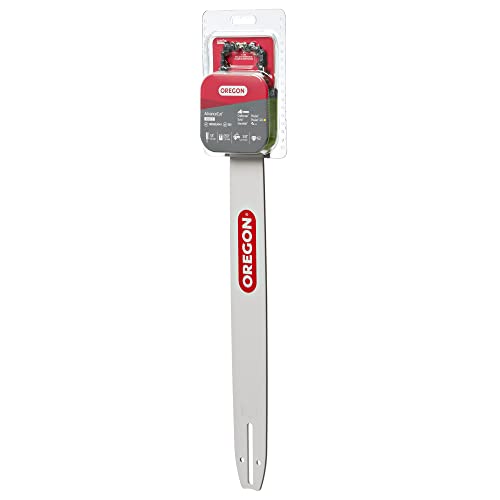
Oregon 16″ Bar & Chain Combo, .325″ Pitch, .063″ Gauge, 67 Drive Links
Bar and chain sold as a matched set, so pitch, gauge, and drive link count are guaranteed to agree — no separate spec-checking needed.
- Best for: Replacing a worn bar and chain together without guessing at compatibility
- Why we picked it: Removes the #1 cause of drive-link mismatch — ordering a chain and bar separately from different specs
- Main drawback: Costs more than a chain alone, and only fits saws that already use .325″/.063″ chain
Compare more drive-link-matching options
 Option 1 Oregon Chainsaw Chain, 16″ Bar, 3/8″ LP, .050″ Gauge, 59 Drive Links
|
 Option 2 PGN Roller Chain Cutter Breaker Tool
|
 Option 3 Digital Caliper Measuring Tool, 6 Inch
|
As an Amazon Associate we earn from qualifying purchases.
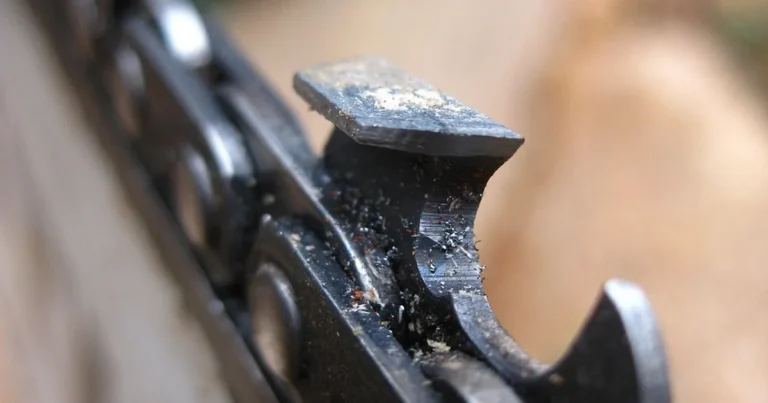
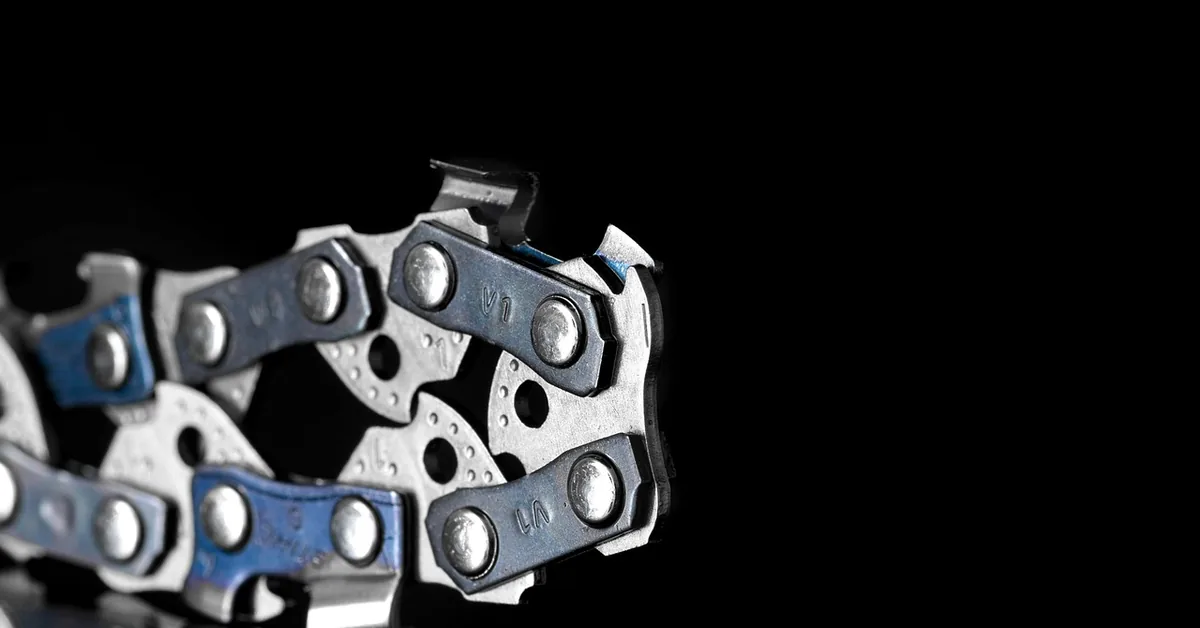
Drive links are the lower tabs on the underside of a chainsaw chain that sit inside the guide bar’s groove and engage the teeth of the drive sprocket. They’re what actually moves the chain around the bar — the cutters on top do the cutting, but the drive links do the pulling. Every drive link has to seat fully in the groove for the chain to run true; a link that rides up or a chain that’s the wrong length for the bar throws that alignment off immediately.
Drive link count works alongside two other specs — pitch and gauge — to define a chain completely. Pitch sets tooth spacing to match your sprocket; gauge sets drive link thickness to match your bar groove; drive link count sets the chain’s total length so it wraps the bar and sprocket with the correct tension. Get any one of the three wrong and the chain either won’t go on or won’t run safely.
Why Drive Link Count Isn’t Just About Bar Length
“16-inch bar” alone doesn’t tell you the drive link count you need — pitch and gauge change the number even on an identically sized bar. Here’s what four real 16-inch replacement chains actually ship with, pulled directly from current manufacturer listings:
| Bar Length | Pitch | Gauge | Drive Links |
|---|---|---|---|
| 16″ | 3/8″ LP | .043″ | 56 |
| 16″ | 3/8″ LP | .050″ | 59 |
| 16″ | 3/8″ standard | .050″ | 59 |
| 16″ | .325″ | .063″ | 67 |
Same nominal bar length, four different correct drive link counts — 11 links apart between the shortest-pitch and longest-pitch chain on that list. That’s why ordering “a 16-inch chain” by length alone is how mismatches happen; you need all three numbers, not just the one printed on the box. For the mechanics of pitch specifically, see our .325 vs 3/8 chain guide; for the step-by-step on measuring the bar itself, see how to measure chainsaw bar length.
What Happens With the Wrong Drive Link Count
A chain built with the wrong drive link count doesn’t just fit poorly — it creates a specific mechanical failure depending on which direction it’s off.
| Drive Link Count | What Happens | Safety Risk |
|---|---|---|
| Too few | Chain is too short to wrap the bar and sprocket; it either won’t go on or sits under extreme, un-adjustable tension | Binding, stalling, accelerated sprocket and bar-rail wear |
| Too many | Chain is too long; even fully backed off, the adjuster can’t remove the slack | Chain sag leads to derailment off the bar and increased kickback risk |
| Correct count | Chain tensions properly — snug against the bar rail, movable by hand, snaps back when released | Runs as designed |
📊 Manufacturer chain-selection guidance is explicit that drive link count, pitch, and gauge must all be confirmed together — and that the safest way to order a correct replacement is by the number stamped on the drive link of your old chain, not by bar length alone. Source: Oregon Products saw chain identification guidance.
This is also why correct chain tension and correct drive link count are really the same issue seen from two angles: you cannot tension a chain that has the wrong number of links into a safe running state, no matter how far you turn the adjuster screw.
How to Find or Count Your Chainsaw’s Drive Links
- Check your old chain’s packaging or box first. New chains are sold with pitch, gauge, and drive link count printed together (e.g. “3/8″ LP, .050″, 59 DL”) — this is the fastest and most reliable source.
- Check the guide bar itself. Many bars have pitch and gauge stamped near the mounting slot; some saw manuals list the exact drive link count for the stock bar length.
- Count manually if no number is available. Lay the chain flat and count every drive link — the tab on the underside that sits in the bar groove — all the way around, not the cutters on top. A two-link difference is enough to change how the chain tensions.
- Cross-check pitch and gauge at the same time. A correct drive link count on the wrong pitch or gauge still won’t run — all three numbers have to match together, not just one.
- Verify the fit before starting the saw. The chain should wrap the bar with every drive link seated in the groove, and it should tension so it’s snug against the bar rail but still movable by hand.
Can You Add or Remove a Drive Link to Make a Chain Fit?
Removing a drive link is a legitimate repair when a chain has stretched slightly or when you’re moving a chain to a shorter bar of the same pitch and gauge — it’s done with a proper chain breaker and rivet spinner, never by prying a link open. Adding a drive link is a different situation: it’s rarely a good idea and is almost never the right fix. If a chain is chronically too short only after you’ve added a link, that usually means the bar, sprocket, or original chain spec was wrong to begin with — replace with the correct chain rather than splicing extra links into one that doesn’t fit.
“The chains we’ve seen come in one link short after a DIY splice almost always trace back to the same mistake — someone ordered by bar length alone and skipped the pitch and gauge stamp. Counting the actual drive links on the old chain before ordering catches it every time.”
Common Mistakes When Matching Drive Link Count
- Ordering by bar length only. As the table above shows, the same 16″ bar can need 56, 59, or 67 drive links depending on pitch and gauge.
- Guessing pitch from the chain’s look. .325″ and 3/8″ chains look almost identical side by side; always check the stamped number, not the eye test.
- Splicing in an extra link to save a trip to the store. A spliced-in link is a weak point at the rivet — it’s a temporary fix at best, never a permanent one on a chain you’ll run at full RPM.
- Skipping the maintenance side of the equation. A correctly sized chain can still run unsafe if it’s dull or the depth gauges are wrong — see our chain sharpening guide for that half of the safety picture.
Frequently Asked Questions
Does drive link count matter on a chainsaw chain?
Yes. Drive link count sets the chain’s total length, and it has to match your bar exactly — too few links and the chain won’t wrap the bar and sprocket; too many and it can’t be tensioned safely, which risks derailment.
How do you count drive links on a chainsaw chain?
Lay the chain flat and count every drive link — the tab on the chain’s underside that sits in the bar groove and engages the sprocket — all the way around the loop. Count drive links, not cutters; the two numbers aren’t the same.
Can I use a chainsaw chain with a different drive link count?
No, not safely. Even a two-link difference changes whether the chain can be tensioned correctly on your bar. Always match drive link count, pitch, and gauge to your saw’s specification, not to whatever chain happens to be in stock.
What happens if a chainsaw chain has too many or too few drive links?
Too few drive links means the chain is too short to wrap the bar and sprocket, causing binding or preventing installation. Too many means the chain can’t be tensioned tight enough, leading to slack that can derail the chain and increase kickback risk during a cut.
Does drive link count determine chainsaw bar length?
Not by itself. Drive link count works together with pitch and gauge to determine chain fit; the same bar length can need a different drive link count depending on which pitch and gauge chain you’re running.
Where do I find my chainsaw’s correct drive link count?
Check the packaging of your current chain, the stamp on your guide bar, or your owner’s manual first. If none of those are available, count the drive links on your old chain by hand and match pitch and gauge from the stamped numbers before ordering a replacement.
Conclusion
Drive links aren’t a minor spec to skip past — they set whether a chain can physically and safely fit your saw. Match drive link count with pitch and gauge every time you order a replacement, count the links by hand if you’re not sure, and never splice in extra links to force a fit. A correctly matched chain tensions properly and stays seated through the cut; a mismatched one is a derailment and kickback risk waiting to happen.
Sponsored / affiliate links. As an Amazon Associate I earn from qualifying purchases. I may earn additional commission from eligible campaigns.