What Size File for Stihl Chainsaw: Perfect Fit Guide
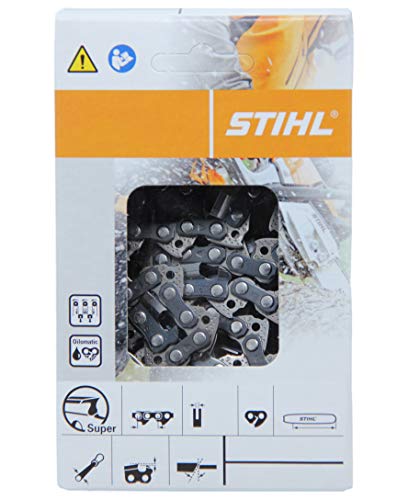
For Stihl chainsaws, the size of the file needed for sharpening can be identified through a code on the depth gauge of each cutting tooth. This can be cross-referenced with the Stihl saw chain file size chart provided to determine the correct file size.
In case the number on the tooth is no longer legible, a chain control gauge can be used to measure it. Proper maintenance of a chainsaw is crucial for its optimum performance. One of the essential parts of this maintenance is sharpening the saw chain.
Choosing the right size file for sharpening is critical to ensure proper cutting performance and avoid damage to the chain. This blog will provide you with a guide on the correct file size for Stihl chainsaws and how to determine the file size needed for your chain.
Introduction To Chainsaw Sharpening
Proper chainsaw maintenance is essential for ensuring the tool’s longevity and optimal performance. One crucial aspect of chainsaw maintenance is sharpening the chain regularly. A sharp chainsaw chain not only enhances cutting efficiency but also reduces the risk of accidents. In this section, we will delve into the significance of sharp chains and the basics of chainsaw file sizing.
Why Sharp Chains Matter
A sharp chainsaw chain is vital for safe and efficient cutting. Dull chains can lead to kickbacks and uneven cuts, posing a danger to the operator. Additionally, they can cause excessive strain on the chainsaw’s engine, leading to premature wear and tear. Regular sharpening ensures smooth and precise cutting, enhancing productivity and reducing the likelihood of accidents.
Basics Of Chainsaw File Sizing
Choosing the correct file size is crucial for effectively sharpening your chainsaw chain. The file size should match the diameter of the chain’s teeth. For Stihl chainsaws, the appropriate file size can be identified by the code on the depth gauge of each cutting tooth. Additionally, Stihl provides a comprehensive saw chain file size chart for reference. Proper file sizing is essential to maintain the chain’s cutting performance and extend its lifespan.

Identifying Your Stihl Chainsaw Model
When it comes to maintaining and sharpening your Stihl chainsaw, it is important to know the correct file size for your specific model. Identifying your Stihl chainsaw model is the first step in determining the appropriate file size for sharpening. In this section, we will explore how to locate the model numbers and specifications of your Stihl chainsaw, ensuring you can easily find the information you need.
Model Numbers And Specifications
Stihl chainsaw model numbers typically consist of a combination of letters and numbers that provide specific information about the chainsaw. These model numbers are essential in identifying the correct file size for your chainsaw. You can find the model number on the side of the chainsaw’s housing, usually near the bar and chain. It may also be located on the starter cover or the engine housing.
Additionally, Stihl chainsaw specifications provide important details about the chainsaw’s capabilities, such as the bar length and chain pitch. The bar length refers to the length of the guide bar, while the chain pitch indicates the distance between the drive links. Both of these specifications play a role in determining the appropriate file size for your chainsaw.
Locating Model Information
Locating the model information of your Stihl chainsaw is relatively straightforward. Once you have located the model number on the chainsaw’s housing, you can easily search for the corresponding specifications online. Stihl’s official website and other reliable sources provide comprehensive information about each model, including the recommended file size for sharpening.
If the model number is not clearly visible or you are having trouble identifying it, you can use a chain control gauge to measure the depth gauge on the cutting tooth. This will help you determine the correct file size for your chainsaw, even if the number on the tooth is no longer legible.
By accurately identifying your Stihl chainsaw model and understanding its specifications, you can ensure that you choose the right file size for sharpening. This will help you maintain the performance and longevity of your chainsaw, allowing you to tackle your cutting tasks with confidence.
Understanding Chain Specifications
To determine the correct file size for your Stihl chainsaw, you can refer to the code on the depth gauge of each cutting tooth, which can be found on the chain. If the number is no longer visible, you can measure it using a chain control gauge.
STIHL offers file guides in various sizes and applications to help simplify the filing process and maintain the proper filing angle.
Chain Pitch And Gauge
When it comes to understanding chain specifications for your Stihl chainsaw, it is essential to familiarize yourself with the chain pitch and gauge. The chain pitch refers to the distance between three consecutive rivets divided by two. It is crucial to select a file size that matches the chain pitch to ensure proper sharpening.
The chain gauge, on the other hand, refers to the thickness of the drive links. It is important to use a file that matches the chain gauge to ensure a precise filing process. Using the wrong file size can lead to improper sharpening and reduced cutting performance.
Drive Link And Cutter Types
In addition to chain pitch and gauge, understanding the drive link and cutter types is equally important. The drive link is the part of the chain that fits into the guide bar groove. It is crucial to choose the correct file size that matches the drive link size to ensure proper sharpening and smooth operation of the chainsaw.
The cutter type refers to the shape of the cutting teeth on the chainsaw chain. Different chainsaw models may require different cutter types, such as full chisel, semi-chisel, or low-profile chisel. It is important to consult the manufacturer’s guidelines or refer to the Stihl chainsaw file size chart to determine the correct file size for your specific cutter type.
By understanding the chain pitch, gauge, drive link, and cutter types, you can confidently select the appropriate file size for your Stihl chainsaw. Proper sharpening with the correct file size ensures optimal cutting performance and extends the lifespan of your chainsaw chain.
Remember to refer to the Stihl saw chain file size chart or consult the manufacturer’s guidelines to ensure accurate file size selection for your specific Stihl chainsaw model. Investing time in understanding and selecting the correct file size will result in efficient and effective chainsaw operation.
The Role Of File Size In Sharpening
Choosing the right file size for your Stihl chainsaw is crucial when it comes to sharpening. The correct file size can be identified by the code on the depth gauge of each cutting tooth, which can be cross-referenced with the Stihl saw chain file size chart.
It is important to use the right file size to maintain the correct filing angle and ensure proper chainsaw care.
When it comes to maintaining the cutting efficiency of your Stihl chainsaw, the size of the file you use plays a crucial role. Proper sharpening not only ensures optimal performance but also extends the lifespan of your chainsaw. Understanding the impact of file size on sharpening is essential for achieving the best results.
Impact On Cutting Efficiency
The file size you choose directly affects the cutting efficiency of your Stihl chainsaw. The file size determines the depth and angle at which the file contacts the cutting tooth. Using the correct file size allows for precise sharpening, ensuring that the cutting tooth is restored to its original shape and sharpness. This results in smoother and more efficient cutting, reducing the strain on the chainsaw and enhancing overall performance.
Consequences Of Incorrect File Size
Using an incorrect file size during sharpening can have several negative consequences. Firstly, using a file that is too small may not remove enough material from the cutting tooth, resulting in a dull and ineffective edge. On the other hand, using a file that is too large can remove excessive material, weakening the cutting tooth and reducing its lifespan.
Additionally, using the wrong file size can lead to improper filing angles. Each Stihl chainsaw model has specific filing angles that must be maintained for optimal performance. Using the correct file size ensures that the file contacts the tooth at the correct angle, allowing for precise sharpening and maintaining the intended cutting performance.
Overall, selecting the right file size for your Stihl chainsaw is crucial for maintaining cutting efficiency, extending the lifespan of the chainsaw, and ensuring safe and effective operation.
Matching File Size To Chain Specs
To determine the correct file size for your Stihl chainsaw, check the depth gauge code on each cutting tooth and refer to the Stihl saw chain file size chart. If the code is illegible, use a chain control gauge to measure it accurately.
Choosing the right file size is essential for sharpening your chainsaw effectively.
Matching File Size to Chain Specs
When it comes to sharpening your Stihl chainsaw, matching the file size to the chain specs is crucial for optimal performance. Using the correct file size ensures that the teeth on the chain are sharpened to the proper angle and depth, allowing for efficient cutting and reducing wear and tear on the chain.
Using the Stihl File Size Chart
The easiest way to determine the correct file size for your Stihl chainsaw is to consult the Stihl file size chart. This chart matches Stihl chainsaw models with the appropriate file size, making it easy to select the correct file for your chain. The chart also provides information on the pitch, gauge, and number of drive links for each chain model.
Alternative Methods for Determining File Size
If you don’t have access to the Stihl file size chart, there are alternative methods for determining the correct file size for your chain. One method is to use a chain control gauge to measure the depth gauge on each cutting tooth. Another method is to measure the distance between the rivets on the chain and divide by two, which will give you the pitch of the chain and the corresponding file size.
It’s important to note that using the wrong file size can result in a chain that is either too dull or too sharp, which can lead to inefficient cutting and increased risk of kickback. Always consult the Stihl file size chart or use an alternative method to ensure that you are using the correct file size for your Stihl chainsaw.
Sharpening Techniques For Optimal Performance
To ensure optimal performance of a Stihl chainsaw, it is crucial to use the correct file size for sharpening. This can be easily identified by the code on the depth gauge of each cutting tooth, or by referring to the Stihl saw chain file size chart.
Using the right file size is essential for maintaining the chainsaw’s cutting efficiency and overall longevity.
When it comes to using a Stihl chainsaw, sharpening the chain is a crucial aspect of maintenance. Proper sharpening techniques not only increase the lifespan of the chain but also ensure optimal performance. In this section, we will discuss the correct filing angles, maintaining consistent pressure and strokes for sharpening the chain.
Correct Filing Angles
The correct filing angle is critical to ensure a sharp and efficient chain. For Stihl chainsaw chains, the recommended filing angle is between 30-35 degrees. You can use a file guide to maintain the correct filing angle. STIHL file guides are available in different sizes and applications. It is important to select the correct file size that corresponds to the chain pitch.
Maintaining Consistent Pressure and Strokes
Maintaining consistent pressure and strokes is essential for achieving a sharp and even chain. Applying too much pressure can cause the chain to become uneven and can lead to premature wear. On the other hand, applying too little pressure can result in an ineffective sharpening. Aim for a steady and consistent stroke while maintaining the correct filing angle.
In conclusion, proper sharpening techniques can ensure optimal performance and longevity of your Stihl chainsaw chain. By following the correct filing angle and maintaining consistent pressure and strokes, you can achieve a sharp and efficient chain that will make your cutting tasks easier and more effective.
Tools And Accessories For Sharpening
When it comes to maintaining the performance and longevity of your Stihl chainsaw, regular sharpening is crucial. Having the right tools and accessories for sharpening ensures that you can keep your chainsaw’s cutting teeth in optimal condition. In this section, we will discuss the various tools and accessories you need for sharpening, including the types of files and file guides.
Types Of Files: Flat, Round, And Square
Files are essential for sharpening the cutting teeth of your chainsaw. There are three main types of files commonly used: flat files, round files, and square files. Each type of file serves a specific purpose and is suitable for different chainsaw models and chain types.
| File Type | Characteristics |
|---|---|
| Flat Files | These files have a flat shape and are ideal for sharpening chainsaw teeth with a flat top plate angle. They are commonly used for chainsaw chains with a low-profile design. |
| Round Files | Round files have a cylindrical shape and are perfect for sharpening chainsaw teeth with a rounded top plate angle. They are widely used for standard chainsaw chains. |
| Square Files | Square files have a square shape and are primarily used for filing the depth gauges or rakers of the chainsaw chain. They help maintain the proper cutting depth and prevent kickback. |
File Guides And Holders
In addition to the different types of files, file guides and holders are essential accessories that ensure precise and consistent sharpening results. File guides help maintain the correct filing angle, while holders provide stability and control during the sharpening process.
File guides come in various sizes and applications, depending on the specific chainsaw model and chain type. It is important to choose the correct file guide that matches your chainsaw’s specifications to achieve optimal sharpening results.
Using a file guide and holder combination ensures that you maintain a consistent filing angle and avoid uneven sharpening. This not only improves the cutting performance of your chainsaw but also extends the life of the chain.
Remember to refer to the manufacturer’s guidelines and recommendations for the appropriate file size, file guide, and holder for your Stihl chainsaw model. Proper maintenance and sharpening will keep your chainsaw in top condition and ensure safe and efficient cutting.
Maintaining Your Chainsaw For Longevity
To ensure the longevity of your Stihl chainsaw, it’s crucial to use the correct file size for sharpening. Consult the STIHL saw chain file size chart to identify the suitable file based on the code on the depth gauge of each cutting tooth.
This simple step will help maintain the performance and durability of your chainsaw.
Regular Sharpening Intervals
Regular sharpening intervals are crucial for maintaining the performance and longevity of your Stihl chainsaw. As chainsaw chains dull over time, they become less effective and can even become dangerous to use. To ensure that your chainsaw stays sharp and efficient, it is recommended to sharpen the chain after every 2-3 hours of use. This will not only improve cutting performance but also extend the life of your chainsaw chain.
Storing And Cleaning Chainsaw Files
Proper storage and cleaning of your chainsaw files are essential for maintaining their effectiveness and longevity. After each use, it is important to clean the files to remove any debris or residue that may have accumulated. This can be done by using a wire brush or a file cleaning tool. Additionally, it is recommended to store the files in a dry and clean location to prevent rust or damage.
When it comes to choosing the right size file for your Stihl chainsaw, it is important to refer to the manufacturer’s guidelines. Each Stihl chainsaw chain has a specific file size that is indicated by a code on the depth gauge of each cutting tooth. If the code is no longer legible, you can use a chain control gauge to measure the file size accurately.
By following these maintenance practices, you can ensure that your Stihl chainsaw remains in optimal condition, providing you with efficient and reliable performance for years to come.
Troubleshooting Common Sharpening Mistakes
When it comes to troubleshooting common sharpening mistakes, one important aspect to consider is the size of the file for a Stihl chainsaw. It is crucial to choose the correct round file size for sharpening the chainsaw chain effectively. By referring to the Stihl saw chain file size chart, you can easily identify the appropriate file size based on the code on the depth gauge of each cutting tooth.
Properly sharpening a chainsaw is crucial for maintaining its performance and prolonging its lifespan. However, even experienced users can make mistakes during the sharpening process, resulting in a dull or improperly sharpened chain. In this section, we will discuss some common signs of a dull or improperly sharpened chain and how to correct these sharpening errors.
Signs Of Dull Or Improperly Sharpened Chains
It is important to be able to identify the signs of a dull or improperly sharpened chainsaw chain to ensure optimal cutting performance. Here are some common indicators:
- Difficulty in cutting through wood: If you notice that your chainsaw is struggling to cut through wood, it may be a sign of a dull chain. A dull chain can result in slower cutting speed and increased strain on the engine.
- Inconsistent cutting: If you observe that the chainsaw is creating uneven cuts or leaving behind jagged edges, it could be due to an improperly sharpened chain. This can affect the overall quality of your work and may require additional effort to achieve smooth cuts.
- Inefficient sawdust production: A sharp chainsaw chain should produce fine and consistent sawdust. If you notice that the sawdust is coarse or irregular, it may indicate a dull or improperly sharpened chain.
Correcting Sharpening Errors
Once you have identified the signs of a dull or improperly sharpened chainsaw chain, it is important to take corrective measures. Here are some steps to help you correct sharpening errors:
- Inspect the chain: Carefully examine the cutting teeth of the chain to identify any damaged or excessively worn areas. If you notice any irregularities, it may be necessary to replace the chain.
- Select the correct file size: Choosing the right file size is crucial for proper sharpening. Refer to the manufacturer’s guidelines or use a chain control gauge to determine the appropriate file size for your specific chainsaw model.
- File at the correct angle: Position the file at the correct angle, typically 30 degrees, and ensure it is properly aligned with the cutting teeth. Use smooth, steady strokes to file each tooth, maintaining consistent pressure.
- File in one direction: Always file in the same direction as the cutting edge of the tooth. Avoid back and forth motions, as this can result in an uneven edge.
- Check the depth gauges: The depth gauges play a crucial role in determining the cutting performance of the chain. Use a depth gauge tool to ensure the depth gauges are properly set according to the manufacturer’s specifications.
By following these steps and paying attention to the signs of a dull or improperly sharpened chain, you can ensure that your Stihl chainsaw remains in optimal condition and delivers efficient cutting performance.
Advanced Sharpening Tips For Professionals
When it comes to maintaining the optimal performance of your Stihl chainsaw, advanced sharpening techniques are essential for professionals. By mastering the art of sharpening, you can ensure speed, precision, and customized sharpening processes to enhance the longevity and cutting efficiency of your chainsaw.
Techniques For Speed And Precision
To achieve rapid and precise sharpening results, it’s crucial to adopt advanced techniques. Utilize a high-quality sharpening file that matches the specific requirements of your Stihl chainsaw. Additionally, maintain consistent filing angles and apply uniform pressure to each tooth for a consistent cutting edge.
Customizing The Sharpening Process
Customizing the sharpening process involves tailoring the technique to match the unique characteristics of your chainsaw and the intended cutting applications. By understanding the chain pitch, tooth design, and wood type, you can adjust the sharpening angles and file size to optimize the cutting performance and durability of the chain.
Stihl Chainsaw File Size Faqs
What size file do you need for a Stihl chainsaw? The correct file size for a Stihl chainsaw can be easily determined by checking the code on the depth gauge of each cutting tooth. If the number is no longer legible, you may need to measure it using a chain control gauge.
Frequently Asked Questions Addressed
Confused about what size file to use for your Stihl chainsaw? Here are some commonly asked questions regarding Stihl chainsaw file sizes.
Expert Advice And Recommendations
When it comes to selecting the correct file size for your Stihl chainsaw, it’s essential to consider the specifications of your chainsaw chain. The file size is crucial in maintaining the proper cutting performance of your chainsaw. Here’s some expert advice and recommendations to guide you in choosing the right file size.

Conclusion: Ensuring The Perfect Fit
Finding the perfect fit for your Stihl chainsaw requires knowing the right file size. Easily identify the correct file size by checking the code on the depth gauge of each cutting tooth, or refer to the Stihl saw chain file size chart.
Ensure optimal performance with the right file size for your chainsaw.
Recap Of Key Points
When it comes to maintaining your Stihl chainsaw, selecting the right file size is crucial for ensuring optimum performance. The file size is determined by the chain’s specifications, and using the correct file size is essential for maintaining the chain’s sharpness and efficiency. Remember, a sharp chain not only enhances cutting performance but also reduces the risk of kickback, ensuring a safer cutting experience.
Continuing Your Chainsaw Maintenance Education
Sharpening your chainsaw is an essential part of its maintenance, and understanding the correct file size for your Stihl chainsaw is a fundamental aspect of this process. By regularly sharpening your chainsaw using the appropriate file size, you can prolong the life of your chain, maintain cutting precision, and ensure safe operation. Keep learning about the specific needs of your chainsaw to consistently deliver optimal cutting results.
Frequently Asked Questions
How Do I Know What File To Use On My Stihl Chainsaw?
To determine the right file for your Stihl chainsaw, check the code on the depth gauge of each cutting tooth. This code can be cross-referenced with the STIHL saw chain file size chart. If the code is not legible, use a chain control gauge to measure it.
Always choose the correct file size to ensure proper sharpening.
What Size File To Use On Stihl Chain?
To sharpen a Stihl chainsaw chain, refer to the depth gauge code on each cutting tooth. You can cross-reference this code with the Stihl saw chain file size chart to determine the correct file size. If the code is illegible, use a chain control gauge to measure it.
STIHL file guides are available in different sizes and applications to simplify the filing process and maintain the correct filing angle.
What Size File Do I Use For 3/8 Chain?
For 3/8 chain, the recommended file size would be 5/32. The file size is determined by the diameter of the chain’s cutting teeth. It is important to use the correct file size for proper sharpening and maintenance of your chainsaw.
What Size File Do I Use On A .325 Chain?
The file size you should use on a. 325 chain can be determined by referring to the STIHL saw chain file size chart. Each cutting tooth on the chain has a code on the depth gauge, which corresponds to a specific file size.
If the code is not legible, you may need to use a chain control gauge to measure the tooth.
Conclusion
Choosing the correct file size for your Stihl chainsaw is essential for maintaining its cutting performance. By referencing the depth gauge code on the cutting tooth and utilizing the appropriate file size chart, you can ensure the proper maintenance of your chainsaw.
Regular sharpening with the right file size will prolong the life of your chainsaw and enhance its cutting efficiency.