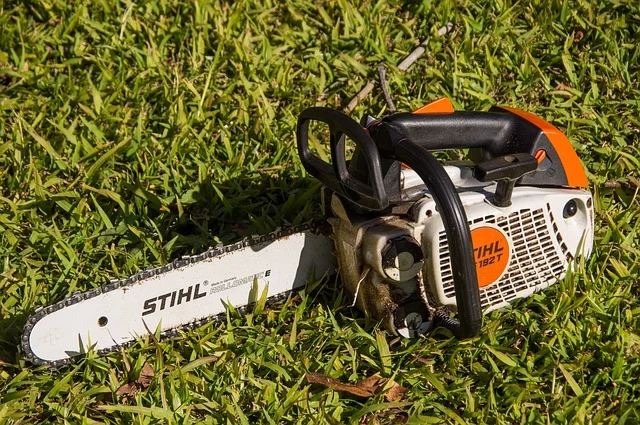
How to Start a Flooded Stihl Chainsaw (Master Control Lever Method)
Push the master control lever down to the Run position (choke off), squeeze and hold the throttle trigger wide open, and pull the starter cord 4-6 times with the spark plug still installed. That single sequence clears most flooded Stihl chainsaws in under a minute, because it lets the engine pull in fresh air instead of more raw fuel while spinning the wet cylinder dry.
If you own a different brand, the same logic applies but the control layout differs – see our general flooded chainsaw guide for Husqvarna, Echo, and Poulan-specific steps. This page covers Stihl’s master control lever system specifically, since it works differently from a simple separate choke knob.
Why Stihl Saws Flood in the First Place
Keep a Spare Plug in the Case
If your saw isn’t flooding but just feels stiff or resistant on every pull, see our broader guide to why Stihl chainsaws are hard to start for the full range of causes.
 |
NGK BPMR7A Spark Plug (2-Pack) – $9 If pulling the flooded plug shows heavy fouling or a worn electrode, a fresh plug is a $9 fix that rules out the most common no-start cause.
|
Flooding happens when more raw fuel reaches the cylinder than the spark can ignite, leaving the plug electrode wet instead of sparking cleanly. On a Stihl, the most common cause is over-choking: pulling the master control lever fully up for too many cord pulls, or repeatedly pressing the primer bulb on models that have one, before the engine actually catches. Once it’s flooded, more choke makes it worse, not better – which is why the fix works in the opposite direction.
Other contributors: old fuel that’s lost volatility (gas more than 30-60 days old, especially without a stabilizer), a dirty air filter forcing an artificially rich mixture, or cold-weather starting where the engine needs more cranks to warm up and gets over-choked along the way.
The Fix: Master Control Lever to Run, Throttle Wide Open
- Push the master control lever/choke knob all the way down to the Run (no-choke) position. On most homeowner Stihl models (MS 170, MS 250, MS 291 and similar) this single lever controls both choke and the ignition stop switch, so make sure it’s not sitting in the Stop position either.
- Squeeze the throttle trigger and hold it wide open. Some models need the throttle lock/interlock engaged first – check that the safety lockout on the rear handle is depressed before the throttle will hold.
- Pull the starter cord briskly 4-6 times with the spark plug still in place. You’re using the engine’s own compression stroke to pull fresh air through the cylinder and evaporate the excess fuel, not trying to start it yet.
- Try a normal start. Release the throttle, leave the choke off (it’s already warm/flooded, it doesn’t need choke), and pull the cord again. Most saws catch within the next 2-3 pulls.
- If it still won’t fire, move to pulling the spark plug – see below.

If That Didn’t Work: Pull and Dry the Spark Plug
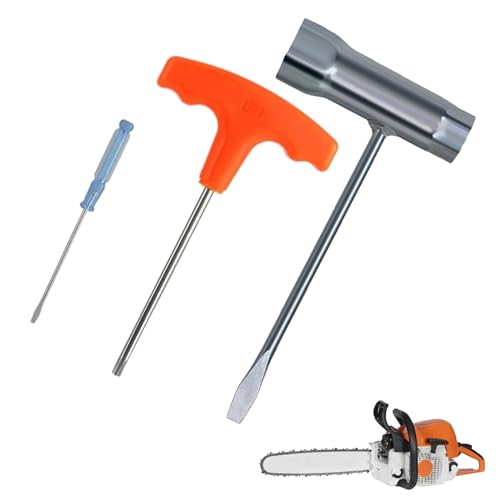
Use the combi-wrench that comes with most Stihl saws to remove the spark plug. If the tip is visibly wet with fuel, wipe it dry with a clean rag – don’t hold a lighter to it or try to burn the fuel off, which is both a fire risk and can damage the electrode. Let it air-dry for a minute or two, or use compressed air if you have it.
While the plug is out, pull the starter cord 4-5 more times with the plug hole open and the saw pointed away from you – this clears additional raw fuel vapor from the cylinder through the open plug hole. Reinstall the plug (torque it snug, don’t overtighten into the aluminum head), leave the choke off, and try starting again. If the electrode looked heavily fouled, oily, or the gap looked visibly off, replace it rather than fight a marginal plug – a fresh plug rules out the cheapest possible cause before you start chasing carburetor issues.
Preventing It Next Time
- Use fresh fuel (mixed within the last 30 days) with Stihl’s specified 50:1 gas-to-oil ratio for 2-stroke models – old or improperly mixed fuel is behind a large share of hard-starting complaints
- Don’t pump the primer bulb (on models that have one) more than the manual specifies – typically 3-6 presses is enough to fill the carb bowl, more just adds fuel you don’t need
- Give a cold engine 2-3 pulls on full choke, then switch to half-choke/run rather than holding full choke through repeated pull attempts
- Check the air filter each season – a clogged filter richens the fuel mixture and makes flooding more likely even with correct starting technique
When to Stop Troubleshooting and See a Dealer
If the saw floods on nearly every cold start regardless of technique, or the spark plug comes out oil-fouled repeatedly even with fresh fuel and a clean filter, that points to a carburetor that’s running too rich (needs adjustment) or, less commonly, worn piston rings letting oil past. Both are jobs for a certified Stihl dealer rather than more pulling on the cord – repeated hard-cranking on a genuinely flooded/fouled engine also drains the pull-cord recoil spring and starter pawls faster than normal use.
Frequently Asked Questions
How can I safely start a flooded Stihl chainsaw?
Push the master control lever to the Run position (choke off), hold the throttle trigger wide open, and pull the starter cord 4-6 times with the spark plug still installed. This clears the excess fuel so the next normal start attempt can catch.
What are the common reasons for a Stihl chainsaw to flood?
Over-choking during a cold start, pressing the primer bulb too many times, old or improperly mixed fuel, and a clogged air filter forcing a rich fuel mixture are the most common causes.
Is it harmful to repeatedly flood a Stihl chainsaw engine?
An occasional flood clears with the technique above and causes no lasting harm. Chronic flooding on nearly every start, however, points to a carburetor running too rich or worn internal engine components, and repeated hard-pulling to clear it puts extra wear on the recoil starter itself.
Can using the correct fuel mixture prevent Stihl chainsaw flooding?
Yes. Using fresh fuel mixed at Stihl’s specified 50:1 ratio, rather than old gas or an incorrect oil ratio, significantly reduces hard-starting and flooding, since degraded fuel is one of the most common root causes behind repeated flooding.
Conclusion
A flooded Stihl almost always clears with choke-off, throttle-wide-open, and a handful of firm pulls. If that doesn’t do it, pulling and drying the spark plug handles the rest. The real fix, though, is prevention – fresh fuel at the right ratio and restrained use of the choke on a cold start will keep you from flooding it in the first place. If the saw isn’t flooded and just plain won’t start at all, see our full Stihl no-start troubleshooting guide for fuel, spark plug, and ignition checks.
Sponsored / affiliate links. As an Amazon Associate I earn from qualifying purchases. I may earn additional commission from eligible campaigns.