COOCHEER Chainsaw Review: Specs, Safety & Is It Worth It
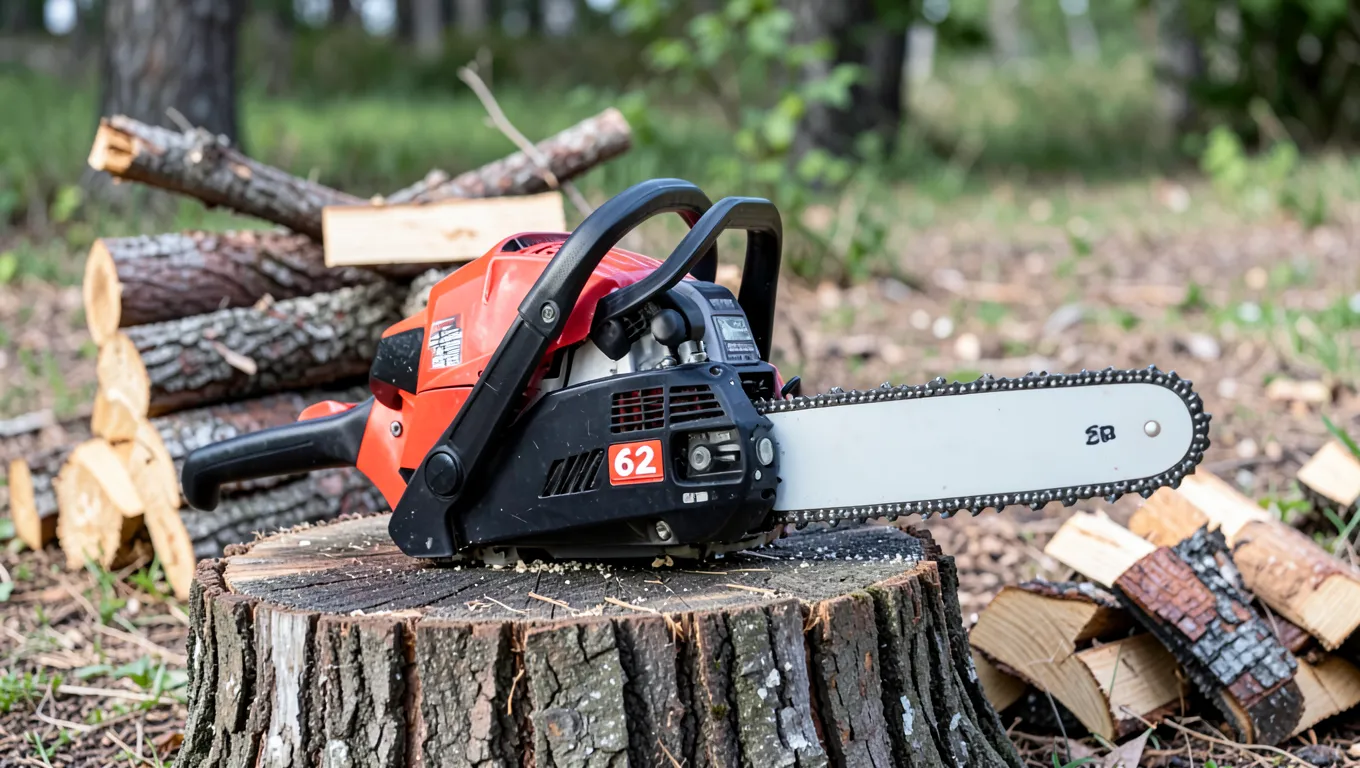
The COOCHEER 62cc gas chainsaw is a budget-tier full-size saw built around a 20-inch bar and a 3.5 HP two-stroke engine — specs that put it in the same general class as entry-level saws from bigger brands, at a noticeably lower price. We haven’t run this saw through a lab-style side-by-side test against Stihl or Husqvarna, so this isn’t a hands-on verdict; it’s an honest look at what the specs, build, and owner-reported experience actually tell you before you buy a budget import saw for real cutting work.
What’s Actually in the Box
Budget Gas Chainsaw Pick
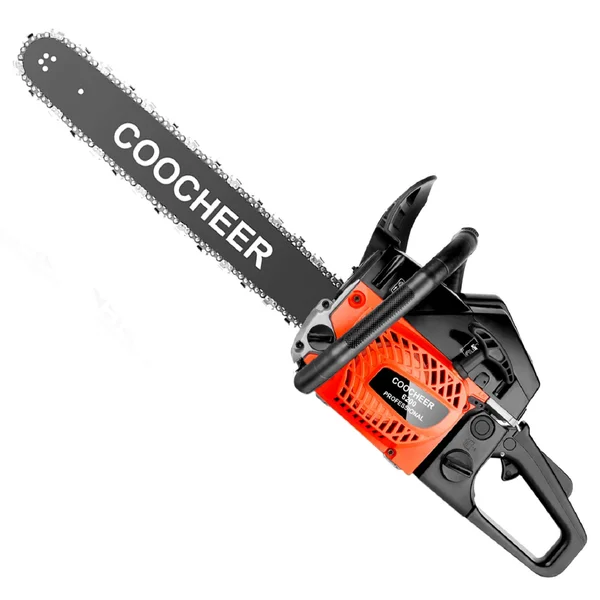 |
COOCHEER 62cc Gas Chainsaw, 20″ Bar – $130 A 62cc/3.5 HP full-size gas saw at a budget-import price point, with two chains and a carry bag included.
|
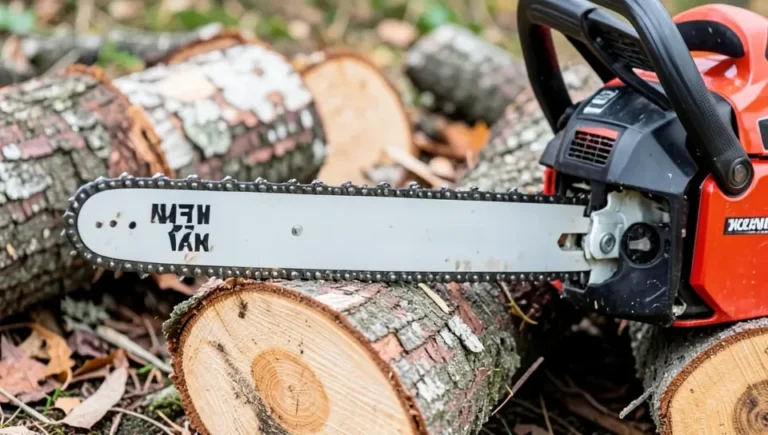
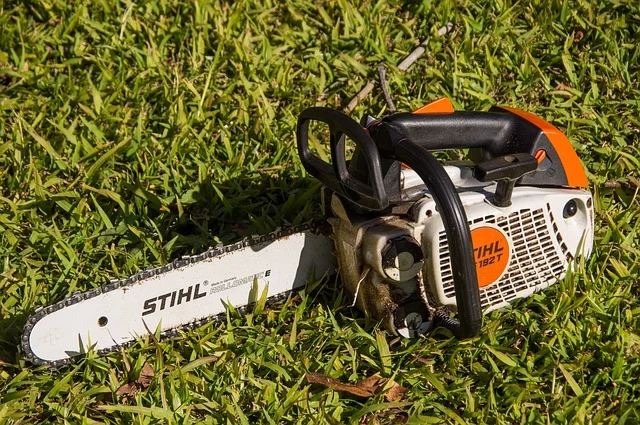
A 62cc two-stroke engine rated at 3.5 HP, a 20-inch guide bar, two chains, a basic tool kit for chain and bar maintenance, and a carrying bag. The saw runs on a standard 2-stroke gas/oil mix (check the manual for the exact ratio — most saws in this class call for 40:1) and includes an automatic bar-and-chain oiler, which is standard on virtually every gas chainsaw at this price point, not a premium feature specific to this saw.
Where a Budget Import Saw Like This Makes Sense
A 62cc/20-inch saw at this price point is realistically suited to occasional homeowner use — firewood processing, storm cleanup, felling small-to-mid-size trees, and general property maintenance. It is not built or warrantied for daily commercial logging use, and the honest comparison isn’t against a $600 professional saw; it’s against other budget imports in the same 60–65cc, sub-$200 category, where the spec sheets tend to look similar across brands and the real differences show up in fit, finish, and how long the saw holds up.
Weight is worth planning around regardless of brand at this size — a full-size 62cc gas saw with a full tank commonly runs 15+ pounds, which is tiring to run one-handed or overhead for extended periods. That’s a two-stroke gas saw tradeoff generally, not something specific to this model.
The Safety Equipment That Matters More Than the Spec Sheet
Every gas chainsaw in this class, regardless of brand, carries the same real risk: kickback. Kickback happens when the upper tip of the bar (the “kickback zone” near the nose) contacts an object, or when the chain gets pinched in the wood, causing the bar to snap violently upward and back toward the operator faster than a reaction time can respond to. It’s the single most common cause of serious chainsaw injury, and no amount of engine power or bar length changes that risk — only technique and equipment do.
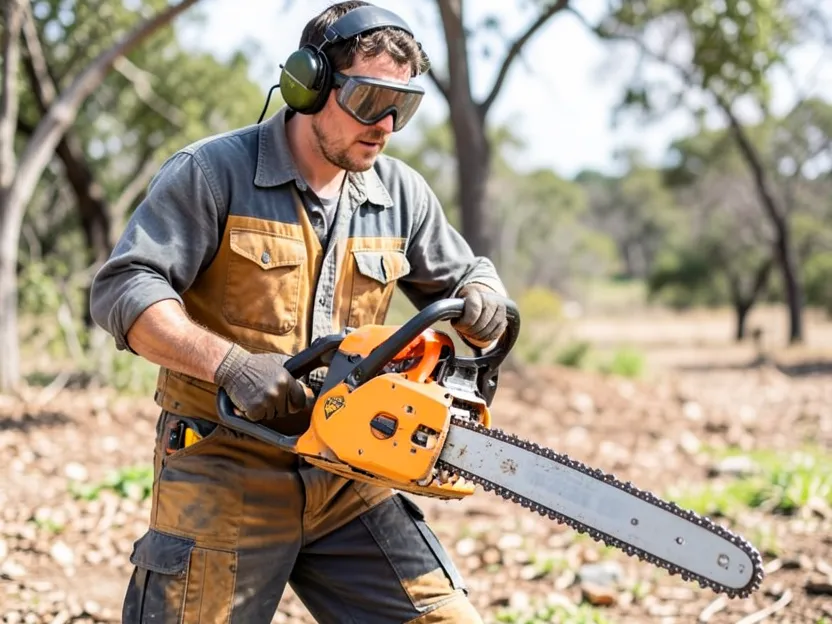
- Check the chain brake before every use. The front hand guard on most gas chainsaws doubles as a chain brake that stops the chain during a kickback event — test that it engages and stops the chain before starting a cutting session, not after something goes wrong.
- Wear cut-resistant chainsaw chaps, not regular work pants. They’re designed to jam the saw’s chain almost instantly on contact with the leg, which regular fabric does not do.
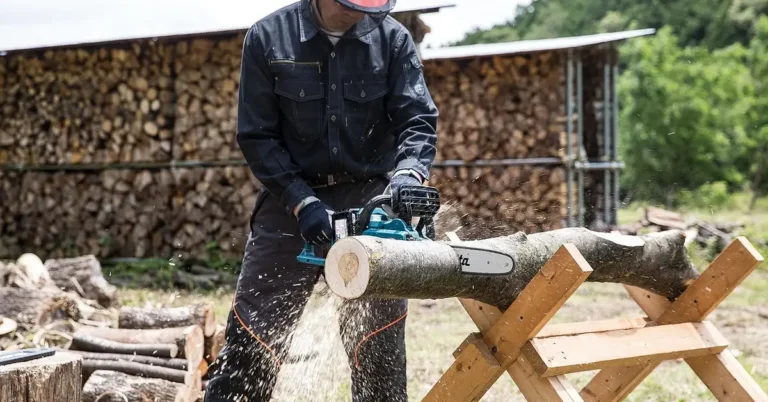
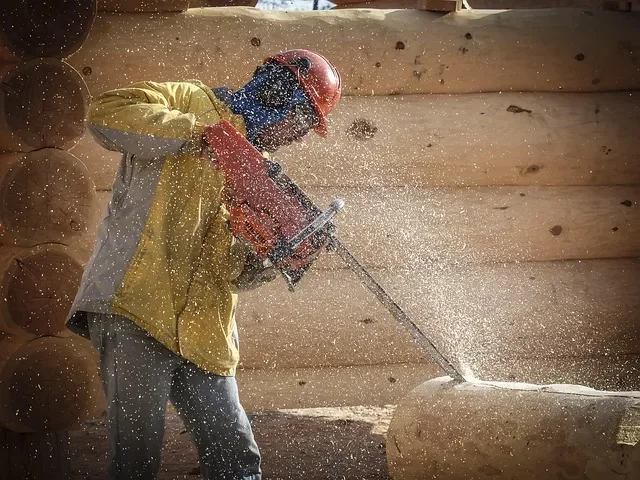
- Eye and hearing protection are not optional. Gas chainsaws commonly produce noise in the 100–120 dB range, well above levels that cause hearing damage with repeated exposure — over-the-ear hearing protection, not foam earplugs alone, is the safer choice for extended use.
- Keep the chain sharp and correctly tensioned. A dull chain requires more feed pressure to cut, which increases the odds of binding and kickback — a sharp chain is a safety item, not just a performance one.
- Never cut with the tip of the bar unless you’re specifically trained in tip-cutting techniques (like boring cuts) — casual tip contact with wood or a branch is the single most common kickback trigger.
Should You Buy It?
If the plan is occasional homeowner cutting — a few cords of firewood a year, storm cleanup, felling the occasional smaller tree — a 62cc/20-inch budget import saw in this price range is a reasonable choice, and this one’s spec sheet is competitive within that category. If the plan is daily or professional-grade use, the honest advice is to budget for a saw from an established brand with better parts availability and a more substantial warranty; a budget import at this price isn’t built for that duty cycle, and no amount of careful use changes that math.
Frequently Asked Questions
What is the power output of the COOCHEER 62cc gas chainsaw?
A 3.5 HP two-stroke engine displacing 62cc, with a rated maximum speed commonly listed around 12,000 RPM.
What causes chainsaw kickback, and how do you prevent it?
Kickback happens when the upper tip of the bar contacts an object or the chain gets pinched in the wood, snapping the bar back toward the operator. Preventing it comes down to technique: avoid cutting with the bar tip, keep the chain sharp, maintain a firm grip, and confirm the chain brake engages properly before each use.
Is a 62cc chainsaw good for daily professional use?
A budget import saw in this class is better suited to occasional homeowner use – firewood, storm cleanup, and small-to-mid-size tree work – rather than daily commercial logging, where an established professional-grade brand with better parts support is the more realistic choice.
What safety gear do you need to run a gas chainsaw?
At minimum: cut-resistant chainsaw chaps, eye protection, over-the-ear hearing protection, and non-slip gloves. A hard hat with a face shield is recommended for any overhead limbing or felling work.
Sponsored / affiliate links. As an Amazon Associate I earn from qualifying purchases. I may earn additional commission from eligible campaigns.