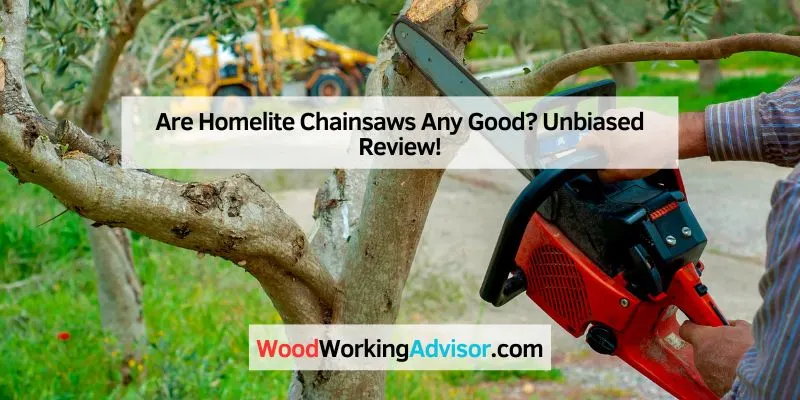
Are Homelite Chainsaws Any Good? Yes, for Light Use
Yes, Homelite chainsaws are good for light homeowner use, but not for daily or professional-grade cutting. Homelite has been owned by Techtronic Industries (TTI) — the same parent company behind Ryobi and Ridgid — since 2001, and TTI repositioned the brand as an entry-level, budget-tier line rather than the professional name it was decades ago. If you need a saw for occasional yard work, trimming branches, or clearing the odd storm-downed limb, a Homelite is a legitimate low-cost option. If you’re planning to process a cord of firewood every season, keep reading — durability is exactly where this brand runs into trouble.
Quick Answer: Homelite chainsaws are reliable for under roughly 10 hours of cutting per year — light pruning, small logs, and occasional cleanup. For anyone cutting firewood regularly or running a saw professionally, the plastic drive components and limited parts availability make a Stihl, Husqvarna, or even a step-up homeowner saw a better long-term investment.
Introduction To Homelite Chainsaws
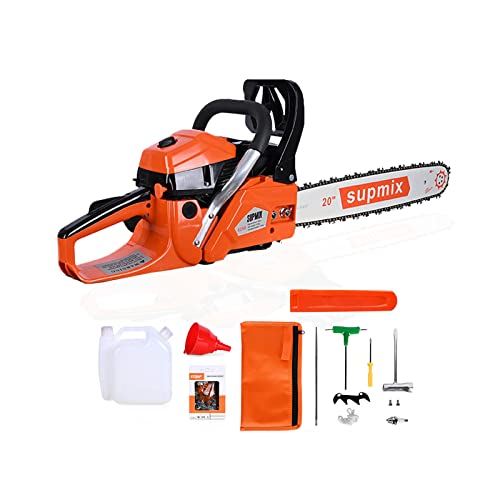
Recommended Corded Electric Chainsaw Setup & Accessories
WEN 16 in. 12 Amp Corded Electric Chainsaw
Homelite’s own corded 16-inch model is no longer sold on Amazon, so we swapped in this comparably specced 12-Amp corded saw — the same light-duty, occasional-use class this review recommends.

WEN 14 in. 10 Amp Corded Electric Chainsaw
A smaller, lighter option for trimming and pruning.
Check Price →
Oregon Universal Chainsaw Field Sharpening Kit
Keeps the chain sharp between shop visits — important on any budget saw.
Check Price →
Husqvarna X-Guard Bar and Chain Oil
Protects the bar and chain — cheap insurance on a budget-tier saw.
Check Price →Homelite was founded in 1921 (originally as the Home Electric Lighting Company) and became one of the largest chainsaw manufacturers in the world by the 1960s. In 1963, Homelite introduced the XL-12, one of the first widely popular lightweight magnesium-alloy chainsaws — a genuine milestone in chainsaw history. The company changed hands several times afterward: Textron acquired it in the 1950s–60s era of conglomerate buyouts, John Deere took over the brand in 1994, and Techtronic Industries bought Homelite from John Deere in 2001 for a reported $24 million. Since then, Homelite has been repositioned squarely as a budget, homeowner-tier brand rather than a professional-grade one.
Key Features Of Homelite Chainsaws
Modern Homelite chainsaws (both gas and corded electric models) are built around simplicity and low cost rather than raw power. Common features across the current lineup include tool-less chain tensioning, automatic bar oilers, and lightweight housings that make the saws easy for casual users to handle. Safety features like chain brakes are standard, in line with most modern consumer chainsaws. What you won’t find is the metal-gear drivetrains, heavier-duty clutch assemblies, or extended parts support that professional brands build in — those are the components Homelite has trimmed to hit its lower price point.
Homelite Chainsaws Pros And Cons
Pros: Low purchase price compared to Stihl or Husqvarna; lightweight and easy for beginners to start and control; widely available at home improvement stores; simple enough for occasional users without a learning curve.
Cons: The most consistent complaint across owner forums and review sites is plastic componentry — the chain drive gear housing, clutch cover, and bar cover are plastic on most modern models, and can wear out or crack under regular use. Owners also report carburetor and fuel-line problems after a saw sits in storage over winter, and several users have found that replacement parts get discontinued while the saw itself is still sold new, leaving a perfectly usable saw stranded without support. Customer service response times are another recurring complaint.
Comparing Homelite With Competitors
Homelite competes in the same budget tier as Poulan and Craftsman, all several notches below professional brands like Stihl and Husqvarna. Here’s how the honest trade-offs stack up:
| Brand | Typical Price Tier | Reliability for Light Use | Warranty / Parts Support |
|---|---|---|---|
| Homelite | Lowest | Good for <10 hrs/year; plastic parts wear with regular use | 2-year limited; parts sometimes discontinued early |
| Poulan | Lowest–Low | Similar to Homelite; consumer-grade internals | 2-year limited; owned by Husqvarna Group |
| Craftsman | Low | Generally a step up in build quality for gas models | 2–3-year limited, varies by retailer/model |
| Stihl / Husqvarna | Mid–Professional | Built for daily/professional use; metal drivetrains | Dealer-network parts and service, longer support life |
User Reviews And Experiences
Real owner feedback on sites like ArboristSite, Homesteading Today, and Consumer Reports is fairly consistent: Homelite saws start easily and cut well when new, and are genuinely appreciated for their light weight and low price. The recurring frustration shows up after a season or two of use — plastic drive components wearing faster than metal equivalents, occasional battery or runtime complaints on electric models, and noise levels that some residential users find bothersome. The common piece of advice repeated across these forums is straightforward: buy a Homelite if your annual cutting is under about 10 hours a year, and budget for a better-built saw if you’re processing firewood regularly.
Model Variants And Their Applications
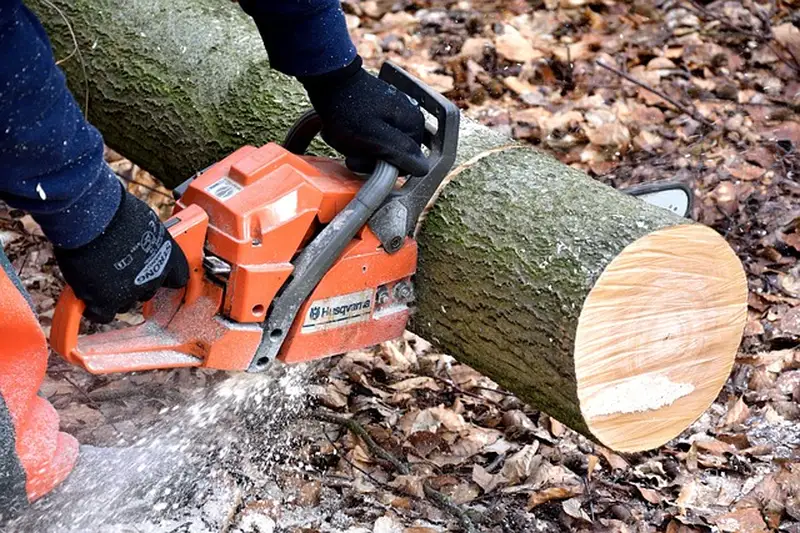
Homelite’s current lineup splits mainly into corded electric chainsaws (12-16 inch bars, aimed at homeowners doing light trimming near an outlet) and small gas models for cordless yard work. There is no genuine professional-grade tier in the current catalog — older gas models from the Textron and early John Deere era (like the XL-12 and Super EZ) have a reputation among vintage-saw collectors as tougher machines, but they are long discontinued and not representative of what’s sold new today.
Research note: Techtronic Industries acquired Homelite from John Deere in 2001 for a reported $24 million, after which the brand’s engineering focus shifted from professional forestry equipment to entry-level consumer tools — a repositioning that directly explains today’s price point and the plastic-heavy build owners describe in reviews.
Frequently Asked Questions
Are Homelite Chainsaws Reliable For Homeowners?
Yes, for light homeowner use. Homelite chainsaws handle occasional yard work, trimming, and small firewood jobs well, especially under roughly 10 hours of use a year. With proper maintenance they can last several seasons, but they aren’t built for daily or heavy-duty cutting — for that, a professional-grade brand is the better investment.
What Are The Best Features Of Homelite Chainsaws?
Homelite chainsaws are lightweight, affordable, and easy to start, with tool-less chain tensioning and automatic bar oilers on most current models. Their ergonomic design and simple controls make them approachable for beginners and casual users.
How Do Homelite Chainsaws Compare To Other Brands?
Homelite sits in the same budget tier as Poulan, generally a notch below Craftsman’s gas models in build quality, and well below Stihl or Husqvarna, which are built for professional and daily use. Homelite’s main advantage is price; its main disadvantage is the plastic componentry that wears faster under regular use.
Is Maintenance Easy For Homelite Chainsaws?
Yes. Routine maintenance is straightforward — check chain tension before use, keep the chain sharp, clean the air filter, and keep the bar oil reservoir full. Because carburetor and fuel-line issues are a known weak point after storage, running the tank dry or using a fuel stabilizer before winter storage is especially important on this brand.
Conclusion
Homelite chainsaws are a legitimate choice for homeowners who need a low-cost saw for occasional, light-duty cutting — trimming branches, clearing small storm debris, or the rare firewood log. They are not a good fit for anyone cutting firewood regularly or working professionally, where the plastic drivetrain components and inconsistent parts support become real problems rather than minor annoyances. Buy Homelite with clear eyes about what it is: an entry-level TTI brand built to a price, not a professional tool wearing a legacy name.
Sponsored / affiliate links. As an Amazon Associate I earn from qualifying purchases. I may earn additional commission from eligible campaigns.