What Size Hole Saw for Dryer Vent?: Ultimate Guide
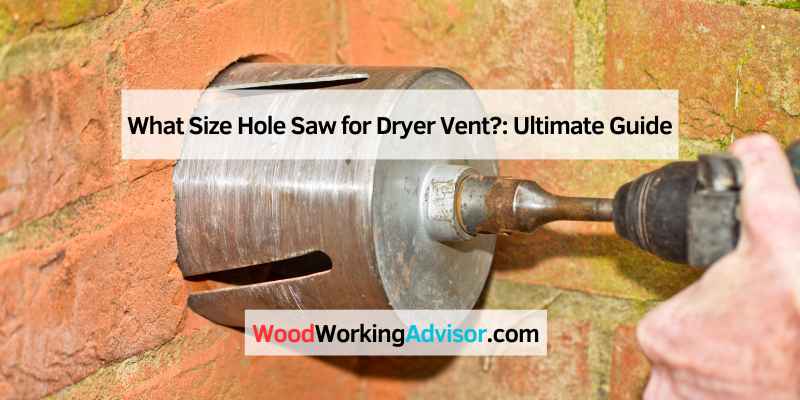
A 4-inch hole saw is ideal for a dryer vent installation. This size fits standard vent pipes effectively.
Installing a dryer vent involves creating a clean, efficient pathway for hot air to escape. Choosing the right hole saw size is crucial for optimal venting. A 4-inch hole saw ensures proper airflow and prevents lint buildup, which can lead to fire hazards.
It also allows for easy installation of the vent cap on the exterior of your home. Selecting the correct size saves time and effort, making your dryer vent installation straightforward. Always measure your vent pipe before starting to ensure a snug fit. Proper installation enhances dryer performance and extends the life of your appliance.
Introduction To Dryer Vent Installation
Choosing the right hole saw size for a dryer vent is crucial. Proper sizing ensures efficient airflow and helps prevent lint buildup. A 4-inch diameter hole is commonly recommended for most dryer vents. This size fits standard vent pipes and promotes good ventilation.
Using the wrong size can lead to poor performance and increased energy costs. It can also create safety hazards, like fire risks. Always measure your dryer vent specifications before starting installation.
Essential tools for this job include:
- Drill – A power drill for making the hole.
- Hole saw – Choose a 4-inch hole saw for most applications.
- Measuring tape – To ensure accurate measurements.
- Safety goggles – Protect your eyes during drilling.
Standard Dryer Vent Sizes
Choosing the right hole saw size for your dryer vent is crucial. The standard diameters for dryer vents are typically 4 inches or 6 inches. These sizes ensure proper airflow and prevent lint build-up.
Using the wrong size can lead to poor performance and possible fire hazards. A 4-inch diameter is common for most dryers. Some high-capacity dryers may require a 6-inch size.
| Diameter | Common Use |
|---|---|
| 4 inches | Standard dryers |
| 6 inches | High-capacity dryers |
Always check your dryer’s manual for the recommended size. This ensures the best fit and safety for your home.
Determining The Right Hole Saw Size
Choosing the right hole saw size for a dryer vent is crucial. Measure the vent diameter first. Most dryer vents require a hole of 4 to 6 inches. Use a tape measure to ensure accuracy. Check the manufacturer’s specifications for your dryer.
Consider any external hoods or covers. They may require additional space around the hole. Measure the diameter of these components as well. A larger hole might be necessary if covers are present. Always choose a hole saw that matches your measurements for a snug fit.
Types Of Hole Saws For Dryer Vents
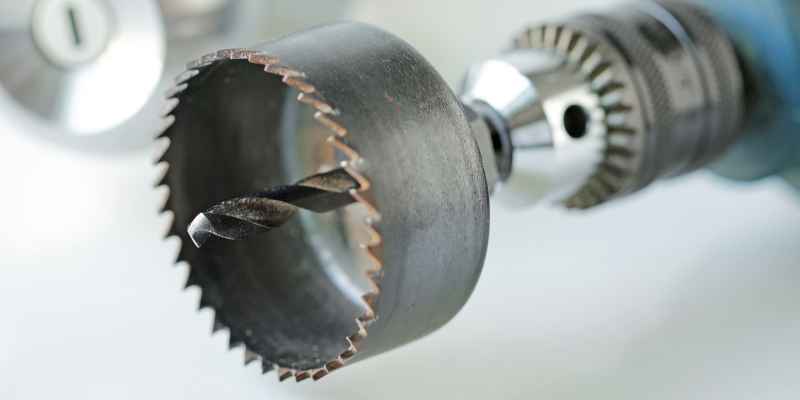
Bi-metal hole saws are great for cutting through metal and wood. They last long and cut quickly. This makes them a popular choice for dryer vents.
Carbide-tipped hole saws are very strong. They work well on hard materials like tile and masonry. These saws are perfect for tough jobs.
Diamond hole saws are the best for very hard surfaces. They cut smoothly and are very durable. Use them for precise cuts in difficult materials.
Step-by-step Guide To Cutting The Vent Hole
Start by marking the wall where the vent will go. Use a pencil to draw a circle. This circle should match the size of the hole saw. A 4-inch diameter hole is common for dryer vents.
Next, drill a pilot hole in the center of the marked circle. A pilot hole makes drilling easier. Use a small drill bit for this task.
After drilling the pilot hole, it’s time to use the hole saw. Attach the hole saw to the drill. Carefully align it with the pilot hole. Begin drilling slowly and increase speed as needed. Keep the drill steady to ensure a clean cut.
Safety Considerations And Precautions
Wearing the right protective gear is crucial. Use safety goggles to protect your eyes. A dust mask will help avoid inhaling harmful particles. Strong gloves will keep your hands safe from cuts.
Common mistakes can lead to serious issues. Always measure twice before cutting. Using the wrong size hole saw can damage your dryer vent. Make sure to check the vent size needed for your specific model.
Ensure you have a steady hand while drilling. Avoid rushing the process to prevent mistakes. Follow the manufacturer’s instructions carefully for the best results.
Finishing And Sealing The Vent Installation
Securing the vent to the wall is important for safety and efficiency. Use screws to attach the vent securely. This prevents any air leaks and keeps the vent in place.
Applying sealant around the edges is necessary. It helps to seal any gaps between the vent and the wall. Choose a high-quality sealant for the best results. Make sure the sealant is suitable for outdoor use if the vent exits outside.
Allow the sealant to dry completely. This ensures a strong bond and prevents moisture issues. Regularly check the vent for any signs of wear or damage.
Maintenance And Troubleshooting
Regular vent cleaning is important for dryer maintenance. It helps prevent fires and improves efficiency. Clean the lint trap after every use. Also, check the vent pipe for clogs.
Use a vacuum or a brush to clear any debris. Make sure to disconnect the dryer before cleaning. This ensures safety during the process.
Dealing with obstructions can be tricky. Inspect the vent regularly for blockages. Look for bird nests, dirt, or lint buildup. These can reduce airflow significantly.
If you find an obstruction, remove it carefully. Avoid using sharp tools that can damage the vent. A long brush can help reach difficult spots.
Frequently Asked Questions
What Is The Standard Hole Saw Size For Dryer Vents?
The standard hole saw size for dryer vents is usually 4 inches. This size accommodates most vent pipes effectively. It’s important to check your specific dryer model for exact requirements. Using the right size ensures optimal air flow and reduces fire hazards.
Can I Use A Different Size Hole Saw?
Yes, you can use a different size hole saw. However, it’s crucial to match the vent size for efficiency. Using a larger or smaller saw can lead to installation issues. Always refer to manufacturer recommendations for the best results.
How To Choose The Right Hole Saw For My Dryer?
To choose the right hole saw, check your vent diameter. Most dryer vents require a 4-inch saw. Consider the material of the wall as well. A bi-metal hole saw works well for various surfaces, ensuring a clean cut.
What Material Is Best For Hole Saws?
Bi-metal and carbide-tipped hole saws are the best choices. They offer durability and performance across different materials. Bi-metal saws are ideal for wood and metal. Carbide-tipped saws excel in harder materials like masonry.
Conclusion
Choosing the right size hole saw for your dryer vent is crucial for efficiency. A properly sized hole ensures better airflow and reduces lint buildup. Take time to measure your vent pipe accurately. This investment in the right tools will enhance your dryer’s performance and longevity.
Happy venting!