What Is TPI on a Saw Blade? Teeth Per Inch Explained
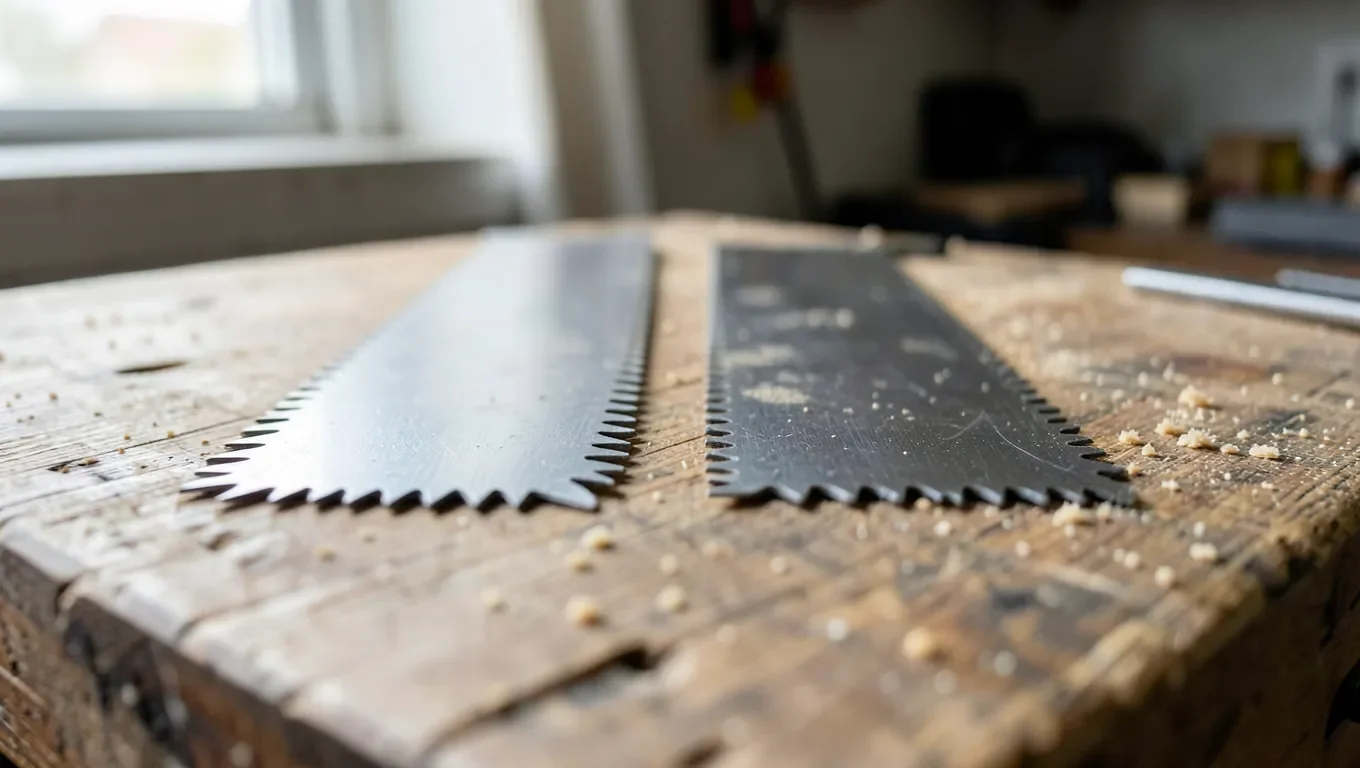
TPI stands for teeth per inch – the number of teeth counted along one inch of a saw blade. A blade with a high TPI (lots of closely spaced teeth) cuts slower but leaves a smooth, splinter-free edge. A blade with a low TPI (fewer, larger teeth) cuts fast and aggressively but leaves a rougher finish. Getting TPI right for the material you’re cutting is the difference between a clean edge and a chewed-up, burnt one.
What Does TPI Mean on a Saw Blade?
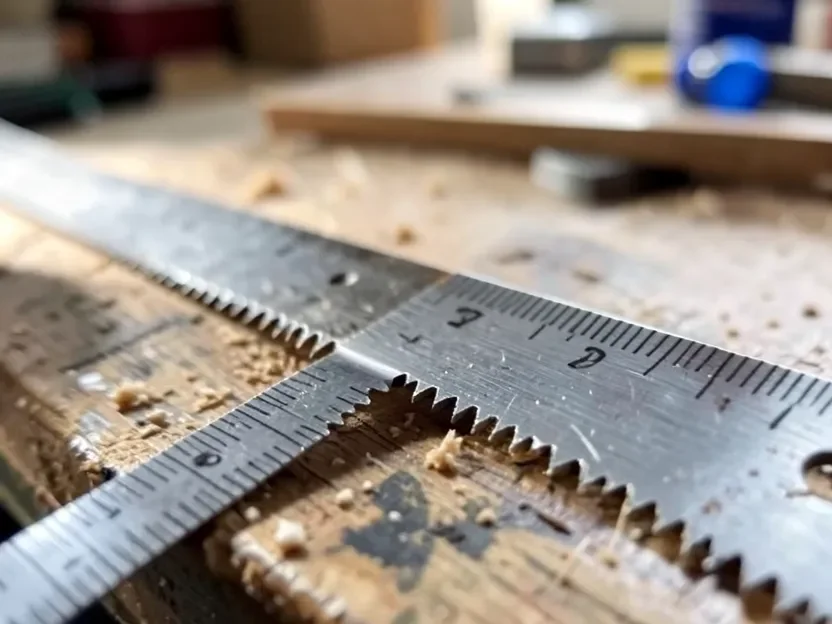
TPI is measured by counting the number of tooth points along a one-inch section of blade, typically from the base (gullet) of one tooth to the base of the next across that inch. A hand saw blade with 8 TPI has eight teeth in every inch of cutting edge. A hacksaw blade with 24 TPI has twenty-four. The math is simple, but the effect on your cut is significant: more teeth sharing that same inch means each individual tooth is smaller and takes a lighter bite, which is what produces a finer, smoother cut – at the cost of cutting speed.
Fewer, larger teeth in that same inch means each tooth removes more material per pass. That’s faster, but the larger gaps between teeth (the gullets) also mean more vibration and a rougher edge, since fewer contact points are sharing the work.
Try Three TPI Ranges In One Set
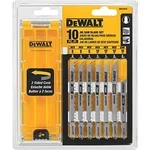 |
DEWALT DW3741C 10-Piece Jigsaw Blade Set – $16.36 A practical way to feel the TPI difference yourself: this set includes 6, 10, and 18 TPI T-shank blades in one case.
|
TPI Ranges by Saw Type
TPI isn’t one universal number – it’s specific to the kind of saw and blade you’re running, because each tool is built around a different tooth geometry and cutting speed. Here’s what’s typical for each (for bandsaw blade picks by material, see our bandsaw blade guide):
| Saw / Blade Type | Typical TPI | Notes |
|---|---|---|
| Hand saw (rip cut) | 4–7 TPI | Cuts with the wood grain, fast and coarse |
| Hand saw (crosscut) | 8–12 TPI | Cuts across the grain, cleaner edge |
| Coping saw | 15–20 TPI | Tight curves and detail work; some general-purpose blades run as low as 10–12 TPI |
| Jigsaw (wood) | 6–10 TPI rough, 10–14 TPI fine | Lower for fast/rough cuts, higher for clean edges |
| Jigsaw (metal) | 14–24 TPI | Higher TPI needed to avoid grabbing thin metal |
| Bandsaw | 2–24 TPI | 2–4 TPI for resawing thick stock, 10–24 TPI for fine or metal work |
| Reciprocating saw (wood) | 5–10 TPI | Demolition-grade, fast and rough |
| Reciprocating saw (metal) | 14–24 TPI | Finer teeth needed for pipe and metal stock |
| Hacksaw | 14–32 TPI | 24 TPI is the most common all-purpose choice |
Best TPI for Wood, Metal, and Plastic
Material matters as much as saw type. A blade that’s perfect for softwood framing lumber will bog down or burn on hardwood, and a wood-rated TPI will grab and stall in sheet metal.
| Material | Recommended TPI | Why |
|---|---|---|
| Softwood (pine, fir) | 6–10 TPI | Fibers cut easily; low TPI keeps speed up without tearing |
| Hardwood (oak, maple) | 10–14 TPI | Denser grain needs more teeth to avoid chipping the edge |
| Plywood / MDF | 10–18 TPI | Higher TPI reduces splintering on the veneer face |
| Thin sheet metal / aluminum | 18–24 TPI | Prevents teeth from snagging and ripping the material |
| Steel / pipe | 24–32 TPI | Fine teeth needed so the blade doesn’t strip or bind |
| Plastic / PVC | 10–20 TPI | Mid-range TPI cuts cleanly without melting the material from friction |
A rule of thumb worth remembering: aim to keep at least 2–3 teeth in contact with the material’s cross-section at all times. Too few teeth on thin stock and the blade catches between the teeth and rips instead of cutting – this is the most common reason a hacksaw or jigsaw blade snags and breaks on thin metal or tubing.
The TPI Myth: Why Circular and Table Saw Blades Skip It
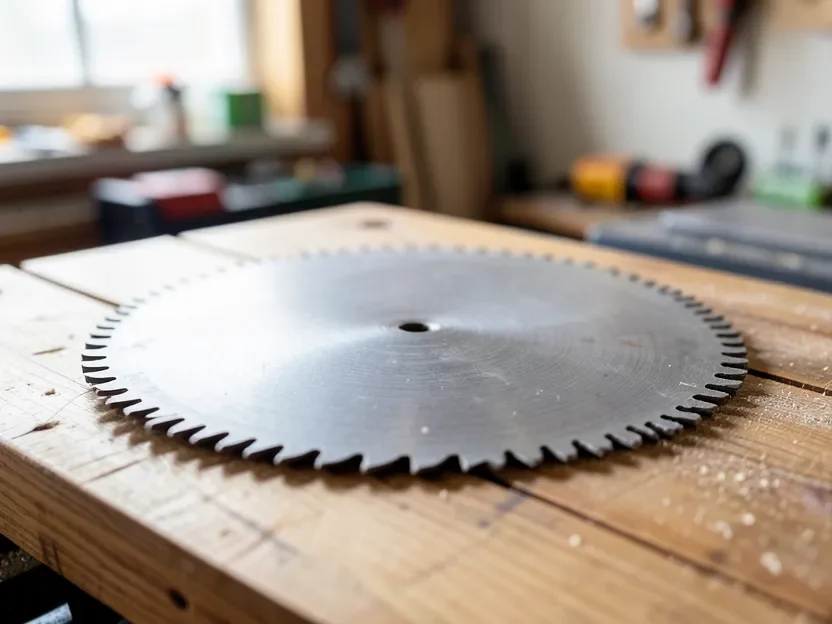
Here’s something most “what is TPI” explainers get wrong or leave out entirely: circular saw, miter saw, and table saw blades don’t actually use TPI as their spec. Look at any blade box in that category and you’ll see a tooth count instead – 24T, 40T, 60T, 80T – not a teeth-per-inch figure.
The reason is diameter. TPI only makes sense as a measurement on a blade where the cutting edge is effectively a straight or continuous run – a hand saw, hacksaw, jigsaw, reciprocating saw, or bandsaw blade. A circular blade’s teeth are spread around a fixed-diameter disc, and that diameter changes the math: a 10-inch, 40-tooth blade has much more space (and a bigger gullet) between each tooth than a 7-1/4-inch, 40-tooth blade, even though both are “40T.” Teeth per inch of circumference isn’t a fixed, useful number when the circumference itself varies by blade size, so the industry standardized on total tooth count for round blades instead.
The underlying principle carries over either way: more teeth (higher TPI, or a higher tooth count on a round blade) means a smoother, slower cut, and fewer teeth means a faster, rougher one. If you’re shopping for a table saw or circular saw blade, look for tooth count, not TPI – a “10 TPI” listing for a circular saw blade is either a mislabeled listing or written by someone who doesn’t cut for a living.
How TPI Affects Kerf, Cutting Speed, and Blade Life
Kerf is the width of material the blade actually removes as it cuts – think of it as the “slot” the blade carves out. Higher-TPI blades generally have smaller, more numerous teeth with a narrower set (the slight outward bend of alternating teeth), which produces a narrower kerf and wastes less material. That matters most on expensive hardwood or veneered sheet goods where every fraction of an inch counts.
Blade life is a tradeoff, not a straight line. A low-TPI blade pushed through material it’s not rated for – say, a 6 TPI wood blade forced through plywood with embedded staples – will chip or dull fast because each large tooth is absorbing a heavy impact. A high-TPI blade run at too low a feed rate can overheat and glaze over because the small teeth are rubbing more than cutting, generating friction instead of clearing chips. Matching TPI to the material, and feeding the saw at a reasonable pace, is what actually extends blade life – not blade price.
How to Choose the Right TPI for Your Project
Work through these three questions in order and you’ll land on the right blade almost every time:
- What’s the material? Check the tables above – softwood, hardwood, sheet goods, metal, and plastic each have a different sweet spot.
- How thick is it? Thin stock needs more teeth in contact at once (higher TPI) so the blade doesn’t snag between passes; thick stock needs bigger gullets (lower TPI) to clear the extra chip volume.
- Speed or finish? If this is a rough cut that gets sanded or hidden anyway, go lower TPI and save time. If it’s a visible, finished edge, go higher TPI even if the cut takes longer.
When in doubt between two TPI values, size down toward the lower number if speed matters more, or up toward the higher number if the edge will be visible. A mid-range, general-purpose blade (10–14 TPI for most wood-cutting tools) is a reasonable default when you’re cutting mixed materials and don’t want to keep swapping blades.
Frequently Asked Questions
What does TPI stand for on a saw blade?
TPI stands for teeth per inch – the number of tooth points counted along one inch of the blade’s cutting edge. It’s used on hand saws, hacksaws, jigsaws, reciprocating saws, and bandsaws. Circular, miter, and table saw blades use total tooth count instead, since their teeth wrap around a fixed-diameter disc rather than running along a straight or continuous edge.
Is a higher or lower TPI better for cutting wood?
Neither is universally “better” – it depends on the wood and the cut. Lower TPI (4–10) cuts softwood and thick stock faster but rougher. Higher TPI (10–14 and up) cuts hardwood and plywood more slowly but leaves a cleaner, less splintered edge. Match the TPI to the density of the wood and how visible the finished edge will be.
Can I use the same TPI blade for wood and metal?
Not reliably. Wood-rated blades typically run 4–14 TPI, while metal-rated blades run 14–32 TPI. A wood blade’s teeth are too large and aggressive for metal and will grab, chip, or snap. A metal blade’s teeth are too fine for wood and will cut slowly and clog with resin and sawdust. Some multi-material blades exist, but they’re a compromise, not the best choice for either material specifically.
Why don’t circular saw blades list a TPI number?
Because a circular blade’s teeth sit around a fixed-diameter disc, teeth-per-inch isn’t a stable, comparable number between different blade sizes – a 10-inch and a 7-1/4-inch blade with the same “TPI” would actually have very different tooth spacing. Manufacturers instead label these blades by total tooth count, such as 24T, 40T, or 60T, which stays meaningful regardless of the material being cut.
Bottom Line
TPI is a straightforward number once you know what it’s actually measuring: teeth counted across one inch of blade. Higher TPI means a smoother, slower cut; lower TPI means a faster, rougher one. Match it to your material and blade type using the tables above, remember that round blades (circular, miter, table saw) use tooth count instead of TPI, and you’ll pick the right blade on the first try instead of guessing. For a full breakdown of blade sizes and tooth counts across every saw type, see our woodworking saw guide.
Sponsored / affiliate links. As an Amazon Associate I earn from qualifying purchases. I may earn additional commission from eligible campaigns.