Japanese Saw Horses: Why They’re Lower, and What to Actually Buy
Traditional Japanese sawhorses sit noticeably lower than the standard Western A-frame sawhorse, built to be worked at kneeling or sitting height rather than standing height. This isn’t a stylistic quirk — it directly supports the pull-stroke saw and pull-plane techniques central to Japanese joinery, which rely on body position and leverage that a standing-height Western sawhorse doesn’t accommodate the same way.
Why Low Height Actually Matters for Technique
A Practical Real Alternative
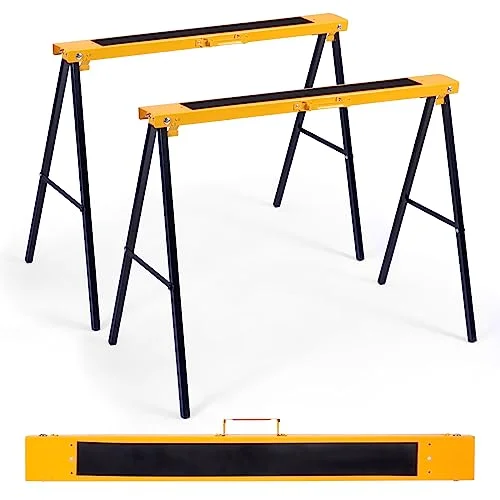 |
Goplus Folding Steel Sawhorse, 2-Pack – $49.99 A genuine kezuridai isn’t sold commercially — this is a real, buyable pair suited to Japanese-technique practice at a workable height.
|
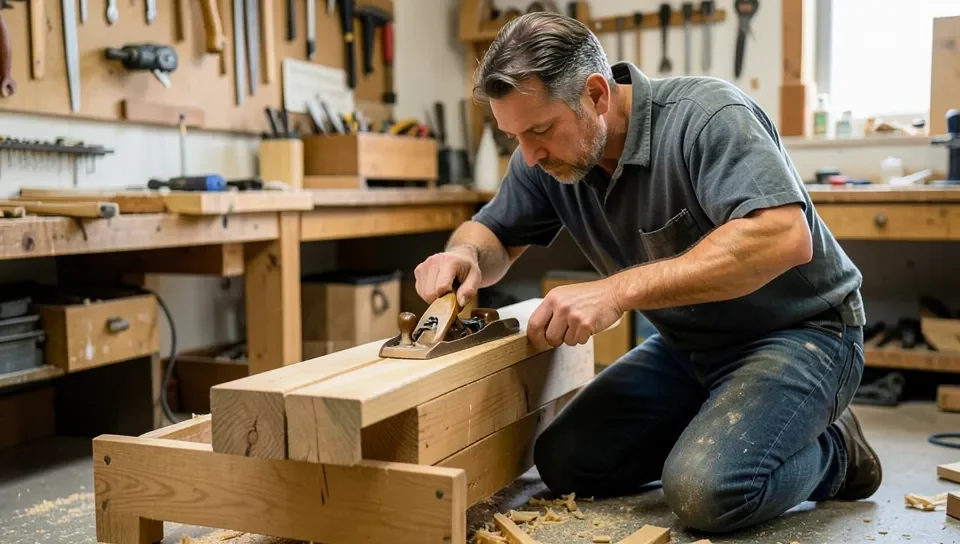
A low working height (often achieved with a kezuridai, a low planing platform, rather than a raised sawhorse pair at all) lets a woodworker brace a board with the foot or knee while pulling a plane or saw toward the body, using body weight and a braced stance for control in a way that’s awkward at standing height. This connects directly to the pull-stroke saw technique covered in our guide to learning Japanese woodworking — the low stance and the pull-stroke tools developed together as one integrated system, not as separate, unrelated choices.
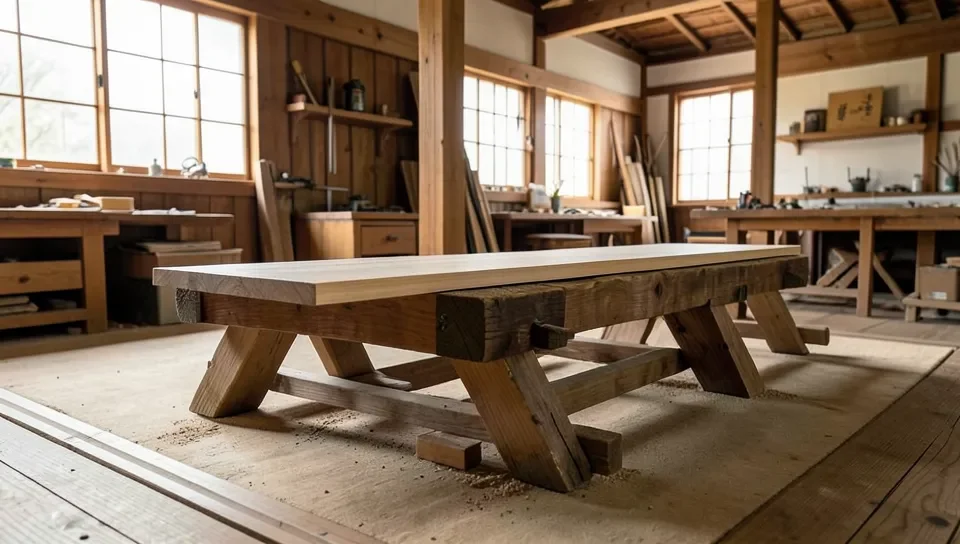
A True Kezuridai Isn’t Sold Commercially — Here’s the Honest Alternative
A genuine traditional kezuridai is typically shop-built rather than purchased, since it’s a simple, low, sturdy platform that most woodworkers make to their own preferred height rather than buy off the shelf. If you’re not ready to build one, a standard folding sawhorse pair (like the one above) at least gets you a stable, height-adjustable-by-choice-of-model support to practice pull-stroke technique on, even though it won’t replicate a true low kneeling setup. For anyone serious about the traditional low-stance approach, building a simple low platform from scrap lumber is genuinely the more authentic and often cheaper path than searching for a commercial product that largely doesn’t exist in this specific form.
Building a Simple Low Platform Yourself
A basic shop-built kezuridai-style platform is just a low, stable frame (often 6-10 inches off the ground) wide and long enough to support a board being planed or sawn, built from any scrap dimensional lumber sturdy enough not to flex under foot pressure. The exact height comes down to personal preference and the specific technique being practiced — there’s no single official measurement, which is part of why this remains a shop-built item rather than a standardized commercial product.
If You Want a Standard Sawhorse Instead
If low-stance technique isn’t the goal and you just need a general-purpose sawhorse for everyday cutting and support, a standard adjustable or folding Western sawhorse (not specifically the low style discussed here) is the right tool, and weight capacity and joint type matter more than height in that case — see our portable sawhorse buying guide for that broader comparison. The low-height approach in this guide is specifically for replicating traditional Japanese hand-tool technique, not a general recommendation for all sawhorse use.
Stability Matters More Than Height for Safety
Whether low and shop-built or a standard folding pair, a wobbly or uneven sawhorse setup is a real safety issue during any sawing or planing work, since the workpiece needs to stay put under lateral pressure from the tool. A shop-built low platform should be tested for rigidity (no flex when weight is applied at the edges) before trusting it with real work, the same way a commercial folding sawhorse’s leg-lock mechanism should be checked for full engagement before use, regardless of which style you’re working with.
Frequently Asked Questions
Can I buy a real Japanese kezuridai sawhorse?
Not really as a standard commercial product. A true kezuridai is typically shop-built to the individual woodworker’s preferred height rather than purchased off the shelf.
Why are Japanese sawhorses lower than Western ones?
The low height supports kneeling or sitting-height work that pairs with pull-stroke saw and plane technique, letting the woodworker brace the board and use body weight for control in a way standing height doesn’t allow.
What height should a shop-built low platform be?
Typically 6-10 inches off the ground, but there’s no single official measurement. It comes down to personal preference and the specific technique being practiced.
Conclusion
The real story behind Japanese sawhorses is that the low height and pull-stroke technique are one integrated system, and the genuine article (a kezuridai) is a shop-built tool, not a commercial product you’ll find for sale. A standard folding sawhorse is a reasonable practical stand-in while learning, but building a simple low platform yourself is the more authentic and often better path for anyone serious about the traditional approach.
Sponsored / affiliate links. As an Amazon Associate I earn from qualifying purchases. I may earn additional commission from eligible campaigns.