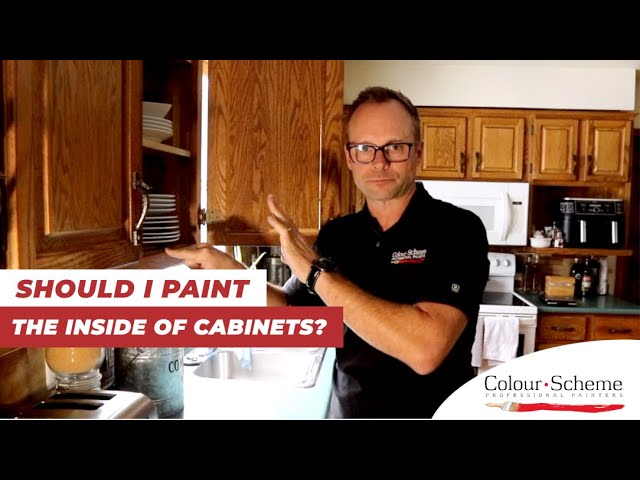
When Painting Cabinets Should I Paint the Inside? Expert Tips
When you’re planning to give your cabinets a fresh coat of paint, a crucial question pops up: should you paint the inside, too? This decision might seem small, but it can significantly affect the look and feel of your entire kitchen or bathroom.
Painting cabinets is more than just a routine DIY task; it’s an opportunity to transform your space, making it feel new and exciting. But how do you decide what’s right for your home? Imagine opening your cabinets to find the same stunning color inside, creating a seamless and polished look, or opting for a contrasting hue that adds an unexpected splash of personality.
Each choice offers its own set of benefits and challenges, and understanding these can save you time, money, and effort. Are you ready to discover the secrets that will guide you to the perfect decision? Let’s dive deeper into the world of cabinet painting and find out how you can make your home truly shine.

Credit: papermoonpainting.com
Pros And Cons Of Painting Inside Cabinets
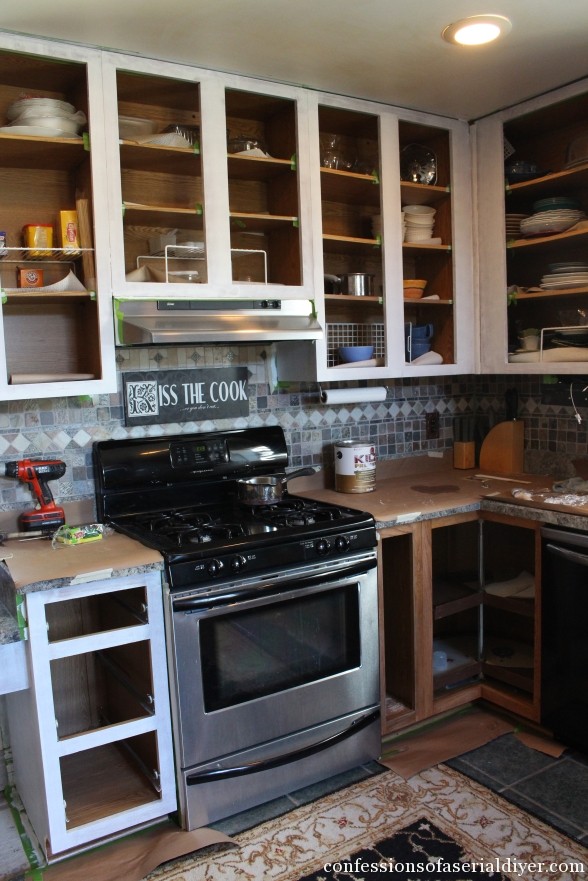
Painting the inside of cabinets can make them look fresh and new. It helps in hiding old stains and scratches. This makes the cabinet look cleaner. A painted interior can also protect wood from moisture and damage. It can be a way to add a pop of color. This makes opening the cabinet more fun. Painted interiors can help to brighten up a dark kitchen. It reflects more light, making the space feel bigger.
Painting inside cabinets takes more time. It adds to the project. It can be hard to reach the corners and edges. You might need special tools to do this. Paint can chip or peel over time. This can make it look messy. If you change your mind, removing paint is hard. It could damage the wood. Some people might not like the smell of paint. It can last for a few days.
Credit: www.confessionsofaserialdiyer.com
Materials And Tools Needed
Every painter needs the right tools. Start with sandpaperto make surfaces smooth. Use a primerfor better paint stick. Brushes or rollers help paint evenly. Have a drop clothto protect floors. Painter’s tape is useful for clean lines.
Pick paint made for cabinets. This paint lasts longer. Choose from glossor semi-gloss. Gloss is shiny. Semi-gloss is less shiny but still easy to clean. Colors can change how a room looks. Light colors make spaces feel bigger. Dark colors feel cozy.
Preparing Cabinets For Painting
Start by cleaning the cabinets well. Use a mild cleaner to remove dirt. Grease and grime must be gone. Dry with a clean cloth. Next, sand the surface gently. Sanding helps the paint stick better. Use fine sandpaper for a smooth finish. Always sand in the wood’s direction. This avoids scratches.
Take off the cabinet doors and shelves. Use a screwdriver for this task. Label each piece to remember where they belong. Keep screws in a safe place. This step makes painting easier. It also ensures a neat job. Painting separately gives a smooth finish. It prevents paint from dripping.
Techniques For Painting Inside
Choosing the right method is important. A brushgives you control. It’s good for small spaces. A spraycovers large areas fast. It’s smooth and even. But it can be messy. Each has pros and cons. Consider your needs and tools.
Sand surfaces for a smooth finish. Sanding removes bumps and dust. Use primerfor better paint stick. It helps the paint last longer. Apply thin coats of paint. Thick coats can drip and look messy. Let each coat dry well. This ensures a neat look.
Avoiding Common Mistakes
Paint drips can spoil the look of your cabinets. To stop drips, use a small brush for tricky spots. Thin layers of paint work best. Wait for each layer to dry before adding more. This helps keep your paint job neat and tidy. Keep a cloth handy. Wipe any drips quickly. This will help you have a smooth finish.
Even coverage makes your cabinets look great. Start with a primer for best results. A primer helps the paint stick well. Use long strokes with your brush or roller. This stops uneven patches. Check your work in good light. This helps you see any spots you missed. Go slow. Make sure every spot gets covered.
Maintenance And Longevity
Painted cabinetsneed special care. Protecting their surface is important. Dust can damage paint. Wipe cabinets gently with a soft cloth. Harsh cleaners harm the paint. Use mild soap and water. Dry the surface well. Avoid water spots. They can leave marks.
Protecting Painted Surfaces
Cabinet surfaces face many threats. Sunlight can fade paint. Keep cabinets away from direct sun. Heat can also cause damage. Avoid placing hot items on painted surfaces. Scratches are common. Use mats or pads under items. This helps protect the paint.
Touch-up Tips
Small chips and scratches happen. A quick touch-up keeps cabinets looking new. Keep leftover paint handy. Apply it with a small brush. Match the color carefully. Let the paint dry well. This helps blend the touch-up. Regular care prolongs cabinet life.

Credit: artistichomediy.com
Frequently Asked Questions
Should You Paint The Insides Of Cabinets?
Painting cabinet interiors is optional but enhances aesthetics and protects surfaces. Choose moisture-resistant paints for durability. Consider your kitchen style and personal preference. Proper preparation ensures a smooth finish. It can brighten dark spaces and make cleaning easier. Ensure ventilation while painting for safety.
What Part Of Cabinets Do You Paint?
We paint cabinet doors, drawers, and frames. We ensure a smooth and durable finish for all visible surfaces. Our service revitalizes kitchens and bathrooms with a fresh look. We use high-quality paints for long-lasting results. Transform your cabinets with our expert painting services.
What Color To Paint The Inside Of Kitchen Cabinets?
Choose light colors like white or cream for inside kitchen cabinets. These colors brighten the space and make items easier to find. Consider contrasting with the exterior cabinet color for visual interest. For a modern touch, try soft pastel hues.
Always use durable, washable paint for long-lasting results.
What Is The Correct Way To Paint Kitchen Cabinets?
Start by removing cabinet doors and hardware. Clean surfaces thoroughly. Sand cabinets to ensure paint adhesion. Apply primer evenly, let it dry. Use a high-quality paint, applying thin coats for a smooth finish. Reattach doors and hardware after paint dries completely.
Conclusion
Painting the insides of cabinets can enhance their overall appearance. It adds a fresh, clean look to your kitchen or bathroom. Consider the cabinet’s use and visibility before deciding. Painting inside might not be necessary for hidden areas. But for open or glass-front cabinets, it makes a difference.
Weigh the benefits against time and effort. Your choice depends on your style and needs. A well-thought decision will lead to satisfying results. Enjoy your refreshed space, whether you paint the insides or not. Happy painting!