How Long Can You Leave Painters Tape on Before Painting?
Most painters tape can stay on for 3 to 21 days before painting, depending on the brand. Duck Professional is rated for 3 days; ScotchBlue and Duck Clean Release hold up to 14; FrogTape Multi-Surface lasts 21 days indoors but only 7 outdoors, since UV breaks down its adhesive. Wait past that window and the glue bonds too hard, risking torn paint or residue. This guide covers exact limits by brand and how to remove tape cleanly.
How Long Each Type of Painters Tape Actually Lasts
Best Painters Tape Pick
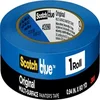
ScotchBlue Original Multi-Surface Painters Tape
A 14-day-rated multi-surface tape that works on walls, trim, glass, and metal without leaving residue.
- Best for: Most DIY painting projects, indoor or outdoor
- Why we picked it: Longest rated window of any tape under $5 a roll, no residue on removal
- Main drawback: Less UV-resistant than FrogTape for long outdoor exposure
Compare more painters tape options
 Option 1 FrogTape Multi-Surface Painters Tape
|
 Option 2 Duck Clean Release Painters Tape
|
 Option 3 Scotch Delicate Surfaces Painters Tape
|
As an Amazon Associate we earn from qualifying purchases.
Every roll is rated by its maker for a maximum wear time before the adhesive bonds too aggressively to remove cleanly. Here is what each major painters tape brand is actually rated for, compiled from manufacturer spec sheets:
| Tape | Max Indoor Days | Max Outdoor / UV | Best For |
|---|---|---|---|
| Duck Professional | 3 days | Not rated for exterior UV | Same-day touch-ups |
| ScotchBlue Original Multi-Surface | 14 days | 14 days | Most DIY indoor/outdoor jobs |
| Duck Clean Release Multi-Surface | 14 days | 14 days | Budget multi-day projects |
| FrogTape Multi-Surface (PAINTBLOCK) | 21 days | 7 days (UV limited) | Crisp trim lines, longer jobs |
| Scotch / FrogTape Delicate Surface | 60 days | Not intended for outdoor use | Wallpaper, fresh paint, low-tack surfaces |
📊 FrogTape’s own spec sheet rates its adhesive UV-resistant for only 7 of its 21 rated days outdoors – Source: FrogTape.com product specifications.
What Determines How Long You Can Leave Tape On
Surface type is the biggest factor. Smooth surfaces like glass, metal, and freshly primed drywall hold tape for its full rated window. Rough or textured surfaces – brick, stucco, unsanded wood – can let tape lift early because the adhesive never made full contact.
Temperature and humidity matter almost as much. Hot weather softens the adhesive and makes it gummier, so it grabs harder the longer it sits. Cold weather does the opposite – it weakens initial tack, so tape applied below about 45°F may not seal the edge properly at all. High humidity also loosens the bond over a multi-day span, which is worth planning around if the forecast calls for a wet week.
UV exposure is the factor most people miss. Sunlight breaks down adhesive chemically, not just by drying it out, which is why every tape on the comparison table above has a shorter outdoor rating than its indoor one. If you’re masking a deck or fence rail, check how long deck paint needs to dry before rain too, since exterior tape and exterior paint are both racing the same weather window.
How Long to Wait Before You Actually Start Painting
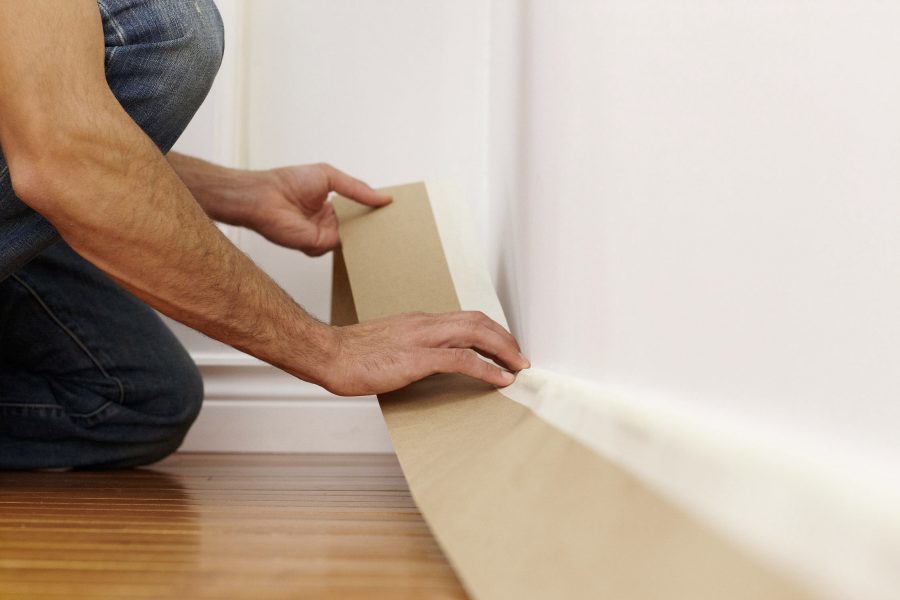
Once tape is applied, wait 30 to 60 minutes before you start painting over it. That gives the adhesive time to fully set and grip the edge – paint applied over tape that just went up can bleed underneath before the seal has formed, which defeats the entire point of taping in the first place – see this in action on the trickiest edge in the room, the wall-to-ceiling line.
If you’re retaping a wall that was already painted, let that paint cure for 24 to 48 hours before applying new tape on top of it. Tape pressed onto paint that hasn’t fully cured can pull that paint up with it later, even if the tape itself was only up for a day or two.
What Happens If You Leave It On Too Long
Past its rated window, the adhesive bonds to the surface instead of just resting on it. That can mean torn paint at the edge, a sticky residue film, or – on wallpaper and fresh paint especially – the surface itself lifting away with the tape. For the full breakdown of exactly what fails and why, see what happens if you leave painters tape on too long.
How to Remove Painters Tape Without Damaging Paint
This covers removing tape once you’re done with a coat, not the wet-vs-dry timing question – for that, see when to remove masking tape after painting. The technique itself is the same regardless of how long the tape has been up:
- Check the paint: touch a hidden section first. Proceed only once it feels dry, not tacky or wet.
- Score the edge: run a sharp utility knife lightly along the tape’s outer edge to slice through any paint film that bridged onto it.
- Pull at a 45-degree angle: lift the leading edge and peel it back on itself, never straight up or outward.
- Warm stubborn spots: a hairdryer on low heat softens adhesive that has hardened past its rated window, making it release without tearing.
If residue is left behind on wood after removal, this guide to removing tape residue from wood covers safe solvents by finish type.
Choosing the Right Tape for Your Project
Blue tape (standard multi-surface) is the default for most indoor walls and trim – gentle, low-tack, and forgiving on fresh paint. Green tape like FrogTape trades a little cost for a PAINTBLOCK strip that swells on contact with wet paint and seals the line, which is why it holds the sharpest edge of anything on this list. Delicate-surface tape (purple or pink) uses a much lower-tack adhesive built for wallpaper, fresh paint under 30 days old, and other finishes that a standard tape would damage on removal.
Match the tape’s rated day-count to how long the job will realistically take, not just how long you plan for it to take – a rained-out exterior project or a multi-room repaint often runs longer than expected, and 3-day tape left up for a week is exactly how residue ends up on a wall.
“On trim work, I reach for FrogTape almost every time – the PAINTBLOCK strip swells slightly once wet paint hits it and seals the edge, so I stopped seeing the thin paint bleed I used to get with basic blue tape on baseboards.”
Frequently Asked Questions
Can you leave painters tape on for a week?
Yes, if it’s rated for it. ScotchBlue, Duck Clean Release, and FrogTape are all rated for 14 days or more, so a week is well within range. Duck Professional’s 3-day tape is not – check the roll’s packaging before assuming a week is safe.
Does old painters tape affect paint adhesion?
Yes. Once the adhesive hardens past its rated window, it can lift fresh paint at the tape line when removed, or leave a thin residue film that shows through a new coat. Fresh tape within its rated window doesn’t cause this.
Is painters tape UV resistant outdoors?
Only partially. Even FrogTape, rated for 21 days indoors, is UV-resistant for about 7 days outdoors before sunlight starts breaking down the adhesive. Plan exterior removal on the shorter outdoor timeline, not the indoor one.
How long should painters tape sit before you start painting over it?
About 30 to 60 minutes after you apply it. That gives the adhesive time to fully set and grip the edge – painting immediately over freshly applied tape risks paint bleeding underneath before the seal forms.
Can you leave painters tape on overnight before painting?
Yes. Overnight is well within every major brand’s rated window, from 3 days on the low end to 60 on the high end. Problems start after several days of exposure, not after one night.
Conclusion
How long you can leave painters tape on before painting comes down to which roll you bought: 3 days for basic tape, 14 for ScotchBlue or Duck Clean Release, 21 indoors for FrogTape, and up to 60 for delicate-surface formulas. Match the tape to the job length, give it 30 to 60 minutes to set before you paint over it, and pull it at a 45-degree angle once you’re done. For more painting-prep guides, browse the full Paints category.
Sponsored / affiliate links. As an Amazon Associate I earn from qualifying purchases. I may earn additional commission from eligible campaigns.