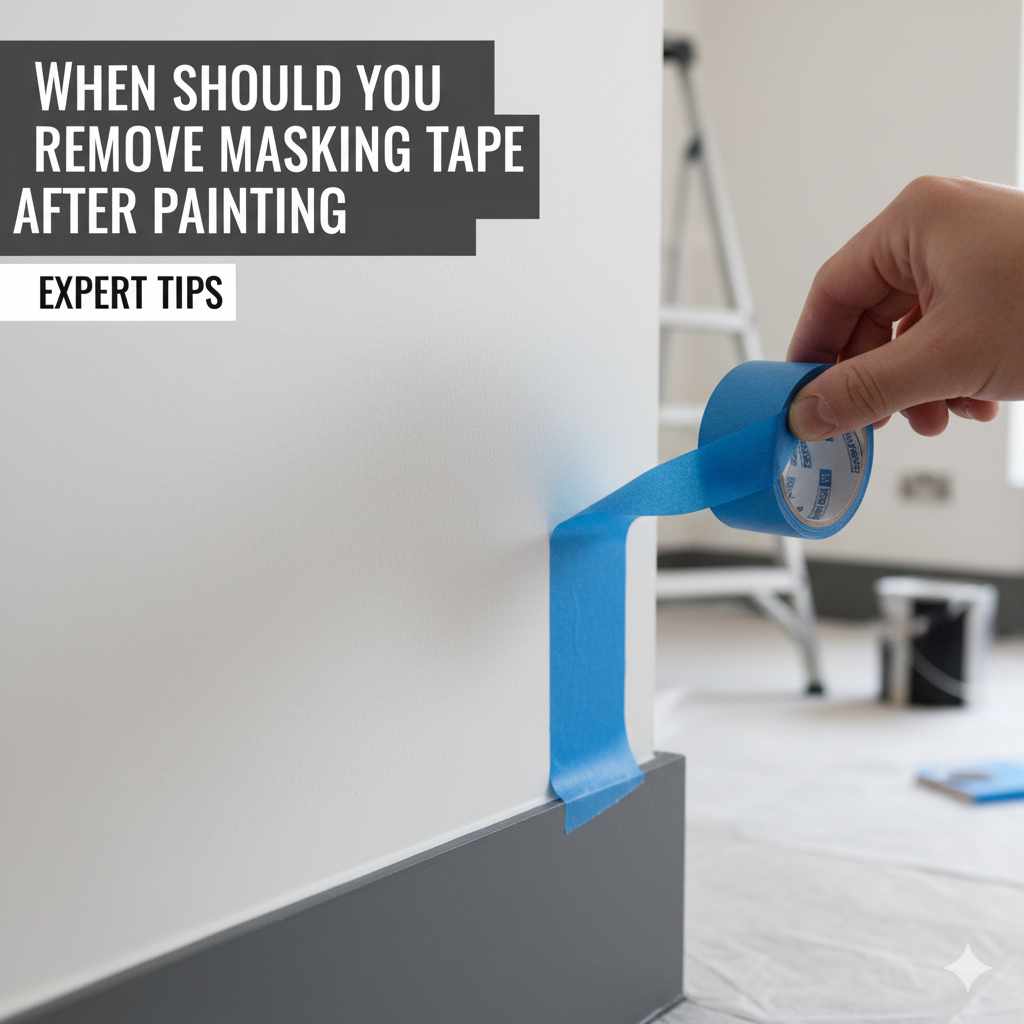
When Should You Remove Masking Tape After Painting: Expert Tips
You’re finally wrapping up your painting project, and it’s looking fantastic. But as you stand back to admire your work, a crucial question pops up—when should you remove the masking tape?
Timing is everything in this scenario. Remove it too soon, and you risk smudging your fresh paint. Wait too long, and you might end up peeling off some of your hard work along with the tape. The good news is, you’re not alone in facing this dilemma.
We’ll unravel the mystery of the perfect moment to peel away that tape, ensuring crisp lines and a flawless finish. Stay with us to discover the expert tips and tricks that will make your painting project a complete success.
Timing For Tape Removal
Paint drying means it feels dry to touch. Curing means the paint is fully hard. Tape removal depends on these stages. If the paint is dry, pull the tape gently. Pull at a 45-degree angle. This prevents paint from lifting. Curing takes longer. Sometimes days. It depends on paint type and weather. Humidity affects drying. More humidity, slower drying. Heat speeds up drying. If you wait too long, tape sticks hard. This can cause paint chips. So, remove tape when paint is dry to touch. Not cured. This is the best time.
Temperature matters. Warm weather dries paint faster. Cold slows drying. Type of paint is important. Oil paints take longer to dry. Acrylics dry faster. Surface material affects drying too. Wood absorbs paint. Metal does not. Humidity impacts timing. High humidity slows drying. Low humidity speeds it up. Wind can help paint dry faster. But too much wind can cause dust. Dust ruins paint. So, keep the area clean. Read paint instructions. They tell how long to wait. Follow these tips for best results.

Credit: tapemanblue.com
Types Of Paint And Their Impact
Latex paints dry quickly. Usually, it takes about one hour to touch. But drying fully needs four hours. The tape must be removed before the paint fully dries. This prevents peeling. Timing is crucial. Carefully peel the tape off. Do it slowly. This ensures clean lines.
Oil-based paints take longer to dry. It might need up to eight hours. Sometimes even more. Patience is key here. Wait until the paint is dry to the touch. But not fully cured. This is the best time to remove the tape. Gentle removal helps avoid damage. Slow and steady wins the race.
Techniques For Safe Tape Removal
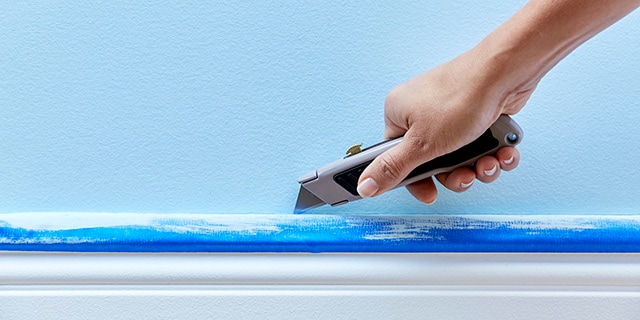
Precision tools help in removing tape without damage. Use a sharp blade to cut tape edges. This prevents paint from peeling. Tweezers can lift tape gently. They offer control and accuracy.
Angle and speed are crucial. Pull tape at a 45-degree angle. This minimizes tearing risk. Slow and steady wins here. Fast removal might rip paint. Go slow for a clean finish.
Common Mistakes To Avoid
Removing tape too soon can ruin your work. The paint might still be wet. This causes smudges and uneven lines. Patience is key. Wait for the paint to dry before removing the tape. Check if the paint is dry by touching it. If it feels sticky, wait longer. This ensures clean lines.
Leaving tape on for days is a common mistake. The tape can become hard to remove. It might peel off paint with it. Always remove tape within 24 hours. This keeps your lines neat. If the tape is stubborn, use a knife to gently cut it. This helps prevent paint damage.
Tips From Painting Experts
Handling difficult surfacesneeds patience and care. Experts suggest using high-quality masking tape. It sticks better and peels off cleanly. For rough surfaces, press tape firmly for a good seal. Always test a small area first. This avoids damage or peeling paint. Remove tape slowly to prevent tearing. Pull at a 45-degree angle for best results. Avoid waiting too long to remove the tape. It could stick too hard and damage the paint. Temperature affects the tape’s stickiness. Warm rooms make tape stick more. Be cautious on very hot or cold days. Follow these tips for a clean finish.
Products That Aid Tape Removal
Easy-release tapesare great for quick removal. These tapes have special adhesives. They peel off smoothly. No sticky residue left behind. Perfect for clean lines. They save time and effort. Many brands offer these tapes. Choose one for best results. Ideal for beginners and pros alike.
Specialty tools help with tape removal. They include tape cutters and removers. Tape cutters make straight cuts. Tape removers peel tape easily. These tools prevent paint damage. They speed up the process. Available at hardware stores. Easy to use and handle. Great addition to your toolkit.
Credit: www.scotchblue.com
Frequently Asked Questions
Do You Remove Masking Tape When Paint Is Wet Or Dry?
Remove masking tape when the paint is dry to prevent smudging. Waiting ensures clean edges and avoids peeling. Check the manufacturer’s instructions for specific drying times. Use a gentle angle when peeling to maintain crisp lines. This method guarantees professional-looking results and enhances your painting project’s overall finish.
How Long Can You Leave Masking Tape On After Painting?
You can leave masking tape on for 24 to 48 hours after painting. Remove it when the paint feels dry to touch. Waiting too long might cause the paint to peel off with the tape. Ensure to peel it back at a 45-degree angle for best results.
Can You Leave Painters Tape On Too Long?
Leaving painter’s tape on too long can cause adhesive residue or damage surfaces. Remove it within 24 hours after painting. Ensure the paint is dry before peeling. Proper removal prevents peeling paint or sticky residue. Timely removal ensures a clean, crisp paint line and protects surfaces.
Should You Take Painters Tape Off Immediately?
Remove painter’s tape after paint dries, but before it fully cures. This prevents peeling and ensures clean lines. Typically, 24 hours after painting is ideal. Always follow the manufacturer’s instructions for best results. Proper removal enhances your project’s finish and appearance.
Conclusion
Removing masking tape at the right time is crucial. Wait until paint feels dry. This prevents peeling and uneven edges. Pull tape off slowly and gently. Maintain a steady hand and watch for any damage. Timing makes a difference. Too early or too late can cause problems.
Always test in a small area first. Practice makes perfect for clean lines. Achieve professional results by following these tips. This will enhance your painting experience and final outcome. Remember, patience and precision help create beautiful projects. Enjoy your painting success!