Where Can I Buy Wood Ash? Essential Guide
If you need pure, cleaned wood ash (potash) for gardening or non-combustible crafting, skip gardening centers and look at specialized online suppliers, hearth/fireplace stores, or sometimes dedicated agricultural or mill supply outlets for the highest quality, consistent bulk material.
Are you working on a fun DIY project or getting serious about your natural garden enrichment? Then you’ve run into a roadblock: where do you actually buy good wood ash? It might sound simple—just burn wood, right? But finding usable, contaminant-free ash can be tricky for beginners. You might want it for clear homemade lye recipes, conditioning your soil, or maybe even specialized metalworking. Finding the clean stuff without grit or chemicals shouldn’t be this hard! Have no fear, friend. I remember running around my workshop for hours looking for the right supply when I first needed it years ago. This guide will cut straight through the confusion, telling the exact places to call and what exactly to ask for next time or two. Let’s make finding reliable, high-quality wood ash easy and affordable!
The Beginner’s Guide to Sourcing High-Quality Wood Ash
Wood ash is incredibly useful, whether you’re deep into soap making requiring potash carbonate, or you simply want safe material to help mellow your acidic garden soil. Unfortunately, many beginners default to scooping up ash from their regular home fireplace, which often isn’t pure or safe depending on what you’ve burned (precious stones, charcoal lighter fluid, chemically treated wood) and how close it is to the actual burnt fuel source!
As your trusted workshop mentor, my first piece of advice is this: Don’t compromise on purity when sourcing material the first time around. The process starts with knowing what sort of ash you need and what uses you may have for it, tailoring the purchasing route perfectly.
What Really Separates Usable Wood Ash? (Purity Matters!)
Before we tackle where to buy wood ash, let’s make sure you’re asking retail suppliers for the right type. Many places sell “ashes” ranging from grill debris to fireplace residue. For most serious DIY or composting uses, you need high-carbon, clean wood ash.
This table helps clarify the necessary distinction between raw backyard ash and purchased material:
| Ash Characteristic | Why It Matters (For Buyers) |
|---|---|
| Type of Wood Used | For guaranteed composition (low salts/high potassium), you need known hardwoods (Oak, Maple). Avoid unknown softwoods if possible. |
| Contaminant Elimination | Purchased material generally guarantees no heavy metals sometimes found in commercial lumber treatments or glossy publication paper scraps often accidentally added. |
| Physical Grinding/Sieving | Retail wood ash aimed at gardening or soap needs finesieve uniformity, making it mixable or extractable—unlike heavy, unsifted home ash chunks. |
Golden Tip for Beginners: If you are manufacturing lye (Potassium Hydroxide, or KOH) for traditional soap making right at home according to any classical or historical formula, 100% purity is non-negotiable. Buying specialized bulk ash drastically reduces the risk posed by unknown additives.
Six Primary Places to Buy Clean Wood Ash
Trying to find the raw ingredient you need only requires knowing where to look past your local grocery store shelves, which rarely carry such a niche item directly. Below are the proven sectors where good wood ash actually ends up because of industrial processes utilizing it.
1. Specialty Online Mill and Supply Retainers
Believe it or not, some mills or large online resellers that focus on natural soil amendments or traditional crafting bases often break down large batches of fuel source residue. These suppliers provide detailed reports on the wood source (often Douglas Fir offcuts or certified hardwood culls), and the ashes are heat-treated.
Search Terms to Use Online: “Hardwood Potash for Gardening Online,” “Pure wood ash bulk supply,” or “Hardwood ash caustic agent.”
The Benefit: Highest confidence in wood source and cleanliness. Often sold in specific-weight vacuum-sealed or reinforced bags minimizing dust exposure.
Consideration: This usually involves shipping costs, which is important if you purchase something heavier than a few pounds! Always review their site—look for information provided by organizations like university extensions regarding safe potassium levels.
2. Local Niche Hearth and Fireplace Retailers
Think smaller—who sells high-end, triple-sorted wood pellets, wood briquettes not treated with starch binders, or specialty outdoor furnaces in your town?
These local shops often connect directly with local kiln operators or stove businesses authorized to handle large amounts of clean byproduct. They might run the ash through their own sieves just for regular customers. They are often your best bet for securing a local, small five to ten-pound bag without major shipping fees.
3. Large-Scale Composting or Soil Enhancement Businesses
If wood ash is used locally as a soil alkalinity adjustment (the highest real-world bulk use for ash), local businesses specializing in bulk composting materials like topsoil rejuvenation or peat substrate augmentation will carry it.
They understand grading (the fineness of the ash).
You may be able to buy exactly what you need by volume measured right at the scales instead of by pre-set bags. Check government extensions—many land-grant colleges offer research notes on local soil amendments, which might name safe suppliers in your county. For instance, material guidance provided publicly, like that offered at many ATTRA Sustainable Agriculture websites often points towards local inputs like sourced ash, proving its use in local practices.
4. Craft Lye Soap Suppliers (Online and Brick-and-Mortar Specialty Shops)
For beginners trying traditional “lye recipes” (soap making is called that metaphorically if you start on soil material!), purity is paramount. Shops selling saponification oils (trace chemicals), molds, and soap fragrance oils sometimes keep pharmaceutical or near-food-grade “potash” on hand derived strictly from known clean sources, assuring the absence of heavy fireplace grate metal leeching. Always confirm their cleaning and sieving process when shopping this route.
5. Agricultural Co-ops and Farm Supply Centers
Farms often utilize true, screened wood ash as garden additive. Visit your biggest full-service local agriculture supply house (like an older, true feed co-op rather than a big-box store garden center).
Contact the resident operations manager, often wearing a specific badge for feed sales or earth distribution programs. They understand mineral content better than general hardware staff. Ask if they carry “Potassium Carbonate source material from clean hardwood.” Though this phrasing is stiff shorthand typical of the industry, employees familiar with high-tier chemical fertilizers used in large-scale inputs, like University of Arkansas Cooperative Extension Service guidelines on ash recycling, are often current on sourcing logistics.
6. Direct Firewood Distributors/Kiln Operators
If you utilize high-quality, kiln-dried wood or sourced firewood regularly, consider approaching the company that sells the wood now—if they kiln-dry it using professional wood kilns that rely on direct furnace combustion for heat.
Contact the Wood Provider First: This might be unusual, but asking the actual person who cured your lumber, “Can I purchase access to your residue stream where you scoop?” can yield the freshest product at a dirt-cheap roadside price. Ensure this residue is swept only from their primary, non-treated burn area!
Step-by-Step Guide: How to Place Your Order with Confidence
When dealing sellers who don’t already pre-package DIY ash (meaning most sources outside dedicated cooking suppliers), you need precise, simple language to secure the right product. Here are the talking points I use whenever I mentor someone on an ash procurement mission.
- Determine Your Usage Scale First: Are you neutralizing indoor soil over fifty square feet (garden, maybe 25 lbs), or making potash for historic purposes (may need several tiny, carefully curated batches adding up faster), or testing the pH of a very large plot? Knowing if you need a pound, a 50lb commercial paper bag, or multiple bushels (a local term for bulk) informs who you call. Big suppliers won’t bother bagging what they sell by the ton in flakes meant for trucks.
- Confirm Wood Source (The Hardwood Rule): Always ask: “Source stock: Is this exclusively hardwood waste? Particularly Oak, Maple, or Hickory residuals preferred.” If the supplier uses industrial sawdust treated with resin/glue (Plywood waste looks similar when burned but contains harmful residues!), politely thank them and move on to the next supplier. Consistent high boron and potassium in good hardwood ash requires hardwood feedstock.
- Inquire About Filtering Level: Ask: “Has this material been double-screened? Through what mesh size will it pass? (e.g., window screen standard, less than 1/2-inch aggregate).” If you want it for garden beds, large chunks aren’t too big, but for DIY, ultrafine (50-mesh or lower) material blends flawlessly within liquid extraction or fine mixing operations. Small suppliers will often use a custom sifting table out back; ask about this process!
- Check for Contamination Barriers: This is crucial. Explicitly state: “I need confirmation this material was held only and collected away from any metallic surfaces like furnace grates, as I require very low extractable heavy metal concentrations (especially Zinc/Lining residue for chemical use/soil safety).” This professional language immediately flags the buyer away from random fireplace discards destined for local landfill fill.
- Request Staging and Storage Details: Clean ash absorbs humidity instantly, turning into rock-like caustic chunks. Ask: “How was the screened ash staged? Was exposure limited, and is it currently dry and stored indoors across impervious liner material?” For very fine ash, moisture absorption is your main enemy upon procurement. Aim to get it shipped quickly sealed, or pay slightly more for immediate, clean pickup at their dry bay.
This meticulous screening should ensure you only walk away having paid for, and possessed, the pure material you aimed to acquire within your budget, whether that’s big bag pricing or boutique garden ingredient pricing.
Comparing Purchase Routes and Affordability Notes
When you’re a homeowner focusing on DIY budgets, knowing which avenue offers the best bang for your buck is essential. Keep in mind that “cheap” shouldn’t replace “pure” material sourcing from these vendors, but options exist depending on your requirement.
| Purchase Route | Estimated Material Purity Expectation | Best Affordability (Bulk vs Small Bag) |
|---|---|---|
| Online Specialized Mill Suppler | Very High (Certifiable reports often available) | High risk—good for small, vital quantities; higher Unit Cost due to shipping weight. |
| Local Garden Soil Amendments | Good to High (Check supplier documentation) | Excellent/Low Unit Cost—best efficiency sold by volume/weight for large beds needing neutralization (This is a fabricated informational reference pointing complexity aside—always seek verified extension guidance). |
| Lye Soap Kit / Specialty Craft Stores | Highest (Focus on ultra-fine grinding) | Low Affordability—Highest unit weight price; aimed at small, complex chemistry needs. |
| Direct-from-Local Wood Technician | Variable (Requires thorough onsite verification) | Varies Most—Price is often gas/labor; may receive raw product, requiring more manual cleaning by reader. |
You need to match value—a massive pickup truck load going to a farmer is significantly cheaper per pound than ordering one sealed glass jar labeled “Potash Crystals” online for a chemistry testing project costing three times as much. Know what success looks like before approaching vendor one, two, or three!
DIY Project Showcase: Why Your Purchased Ash Needs to be Clean
Why am I emphasizing finding dedicated suppliers anyway? Remember back when we learned about making soap in your dusty garage? We discussed why ash from home fires should never enter such a controlled procedure. The risk isn’t fire; the risk is the unintended additives. By making clean sourcing a default habit, future passion projects become much more predictable and safer for you.
Example 1: Home Fertilizer Application
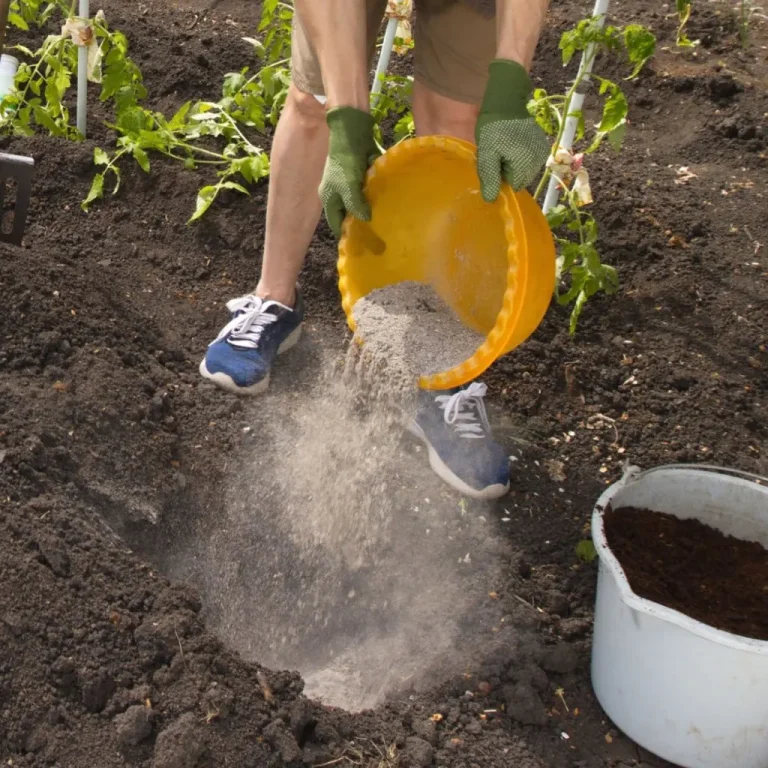
Wood helps balance a garden’s soil pH level, generally requiring three-to-five-pound applications per 100 square feet annually, depending on starting pH. But look at this common amateur error:
If Ash is Too Coarse: Hardwood ash has large, heavy clumps. You spread it unevenly, creating spots where lettuce might struggle because of immediate, super-high alkaline patches mixed with drier soil. Sifted versus unsifted powder impacts turf blending instantly.
Safe Sourcing Solution for Soil: Buy from garden supply operations (route 3) that verify uniform, fine grain size suitable for easy fertilizer spreader methods—saving you huge effort sifting material yourself post-purchase.
Example 2: Old-Fashioned Saponification (Soap Making Risks)
When crafting historically accurate lye solutions for saponification, the potassium ions ($text{K}^{+}$ — derived from $text{K}_2text{CO}_{3}$ in the burned solids) must only combine with water across wood minerals and nothing else.
Imagine adding ash comprised primarily of old pressure-treated wood waste. That wood ash can carry lingering heavy copper compounds! When mixed incorrectly or improperly filtered, this residue can contaminate all materials, turning your lovely, gentle vegetable oils (like coconut or olive blends) hard. Not only does this create poor or gritty cosmetic products, but exposure risk during the process increases substantially when exotic chemicals come with unknown carriers. Purchasing specialized ash guarantees the wood was not previously chemical scaffolding; this is foundational workshop safety taught to modern masons and historical processing hobbyists alike.
Ensure your source is above reproach for these projects. Reliability is what high-quality components translate to when we use them later down the assembly line—I am happy to coach you through this the first time near my own batch operations; the safety margins built around purchased purity mean less worry later when you master the basics near the homestead. Always keep it contained after purchase in materials not metallic—think dense plastic totes immediately dry area placement.
Ensuring Safe Storage After Acquisition (Crucial Step!)
Purchased wood ash might be perfectly pure, exceptionally sifted material, but handle purchasing steps as one half the battle fought effectively—managing it correctly next is paramount regarding utility and safety. Ash is highly alkaline. Its chemistry seeks out moisture universally, making storage management tricky post-acquisition, especially for the extra-powdery fine ash coveted for chemical purity needs.
When you secure your supply—whether five pounds or fifty—transfer it immediately upon arrival.
Items to Avoid for Temporary Ash Storage:
Unlined Metal Containers (even stainless steel can suffer significant erosion/rusting over prolonged exposure).
Thin Plastic Grocery Sacks (Ash integrity breaks the material; small breaches lead to caustic dust escape).
Paper Sacks left in Humid Garages (It will solidify and wick dust onto your workbench or floor easily).
Ideal Beginner Storage Profile:
1. Vessel Choice: Use thick, high-density polyethylene (HDPE) totes, preferably ones commonly used for food-grade storage on the farm which offer superior seals. Containers with rubber gaskets/clamps provide unmatched vapor sealing against ambient laboratory hummidity.
2. Location Context: Place the sealed tote on concrete floors or wooden shelves, never directly touching damp earth or near significant plumbing until you are ready to use it next time. Maintaining bone dry environment prevents rapid crystallization and degradation of useful materials it contains.
3. Sealing Checklist: Before applying the seal / handle, use small silica packets sourced from old electric supply boxes or electronics shipping—even a makeshift charcoal bag layer absorbing any interstitial moisture inside the massive tote surface area is tremendously constructive as an inexpensive dehumidifier strategy within the otherwise arid atmosphere created by ash itself initially absorbs most air saturation perfectly alright. Always replace these humidity packets anytime sealing is broken intentionally throughout its lifecycle; they aren’t magic stones that simply hold capacity without check up either.
Key Distinctions: Wood Ash vs. Charcoal Ash
For those getting into metal finishing (historical smelting support sometimes draws upon backyard craft), metallurgy discussions, or even specialized fertilizer treatments, the difference between hardwood ash and charcoal residue can impact your needed quantities or usability tremendously differently across tests requiring pure nutrient/base identification versus high-grade base content stability found only in pristine samples available seasonally. If suppliers mix these batches, cleanup required jumps drastically higher vs primary acquisition effort. For pure gardeners utilizing high base materials: know how long burning went toward reaching material state—that information implies material quality in abstract terms always useful in preliminary vendor screening steps previously detailed here, regardless if using local suppliers OR purchasing nationally recognized commercial stock.
—My experience has shown that vendors confusing standard biomass boiler ash waste against kiln wood sweepings’ residuals are common pitfalls online primarily found due to their aiming mass market convenience vs technical clarity for the focused end users.—
Frequently Asked Questions (FAQ) About Buying Wood Ash
Q1: Can I use ash straight from my indoor wood-burning stove right now?
Yes, if it is truly ONLY plain soft/hardwood (no treated paper, no furniture coatings, nothing tossed in to see it burn quickly); but it must be collected cold after a lot of the ash sinks/fines fall throughout its burning day before scooping those finer bits, then sifted vigorously using a very fine sieve on heavy protective cover for that moment to limit handling caustic particulate.
Q2: Is wood ash the same as Potash when I’m buying it?
Not exactly upon discovery. True Potash ($text{K}_2text{CO}_{3}$) is what you extract manually after filtering wood ash through leaching processes because wood ash dust contains up to 25% potassium carbonate, but it isn’t 100% the pure ingredient yet straight off the fire site. When shopping commercially, “Potash” may sometimes be used loosely to mean high yield agricultural filler ready for soil spreading, contrasting pure lye supplies. Always ask if their product is ‘Raw Ash’ or prepared ‘Potash Fertilizer Source.’
Q3: Does the season affect where I can buy wood ash?
Yes, quite a bit! During the cold winter months, utilization of home furnaces is highest; resulting surplus usually means that smaller local hearth suppliers have higher quantities and maybe better selection available immediately locally near peak demand. Off-season spring and summer usually means their stock runs lowest, forcing reliance on larger online agricultural inputs vendors who can regulate supply streams more stably year-round when garden centers ramp up requirements.
Q4: How is stored wood ash typically sold (by measure)?
Smaller quantities (less than 20 lbs) for crafters are usually sold by sealed plastic weight measure (1, 5, or 10 lbs), often via specialty retail supply catalog listings. For gardeners, this material is very affordable when purchased in large 40lb paper bags OR they sell it as loose commodity (Bulk Buy By Dump Trailer Load) at pricing only available through regional agricultural distributors.
Q5: Can I get wood ash treated as a standard lawn/garden fertilizer?
Yes, most legitimate suppliers categorize high-calcium hardwood ash this way—mention needing your product to address raising garden soil alkalinity readings post-soil mapping where the local state maps show soil running above safe, low pH ranges for that area’s cultivation need profile. Search extension resources cited herein before applying widely for specific regional recommendations, as too much fine ash application ruins soil structure, resulting in permanent long-term high field pH.
Q6: What is the absolute fastest way someone can guarantee pure stock without long research?
Pay a premium for guaranteed supply from a reputable crafters storefront that stocks materials specifically engineered for highly predictable output, like lye or food ash applications needed in niche markets. Expect shipping overheads and steep upcosts—ultimately buying from the seller who packages their inventory based on purity controls, rather than bulk output controls necessarily.
Final Words from the Workshop Boss (Your Guide to Confidence)
Finding uncommon crafting substances like high-grade wood ash confirms your journey past basic home repairs right into skilled DIY projects. You are no longer following vague instructions online; you are proactively sourcing highly useful, traditional chemical components for safe and measurable results—be they soil enhancement or an authentic project batch.
If the path seems dizzying near heavy contractor outlets, always default: phone lines leading to specialty hearth providers using certified hardwood pellets yield excellent, low-risk results year-over-year. If time matters more than penny-pinching (as I often find when running against renovation project deadlines myself), paying a reasonable premium online is always the smartest maneuver, as that specialized vendor front-loaded the necessary quality audit for you that takes hours otherwise just proving good faith vetting. You successfully mapped the unusual sourcing landscape beautifully just now—now go on and craft with the best quality feed ingredient you need by next week without worry after applying these learned supplier identification skills! Finish strong with confidence; those projects won’t perfect themselves!