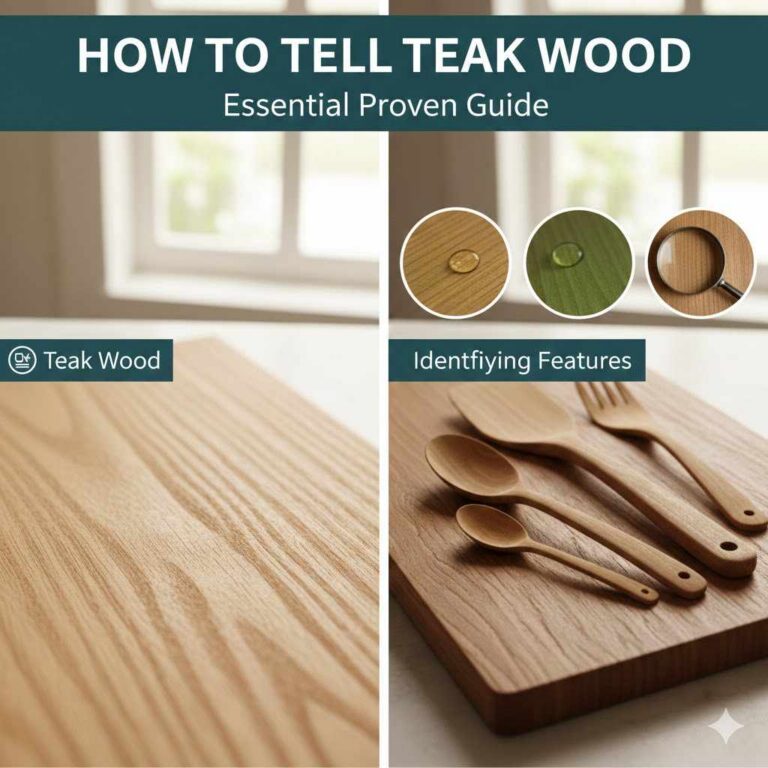
Where to Get Teak Wood: A Simple Guide for Buyers
Figuring out Where to Get Teak Wood: Buyer’s Guide can seem tricky at first. Many people find it tough to know where to start or how to make sure they get good quality wood. Don’t worry, though! It’s easier than you might think. This guide will walk you through everything, step-by-step. You’ll learn the best places to find teak wood and how to pick the right pieces for your needs. Let’s get started and make teak wood shopping a breeze!
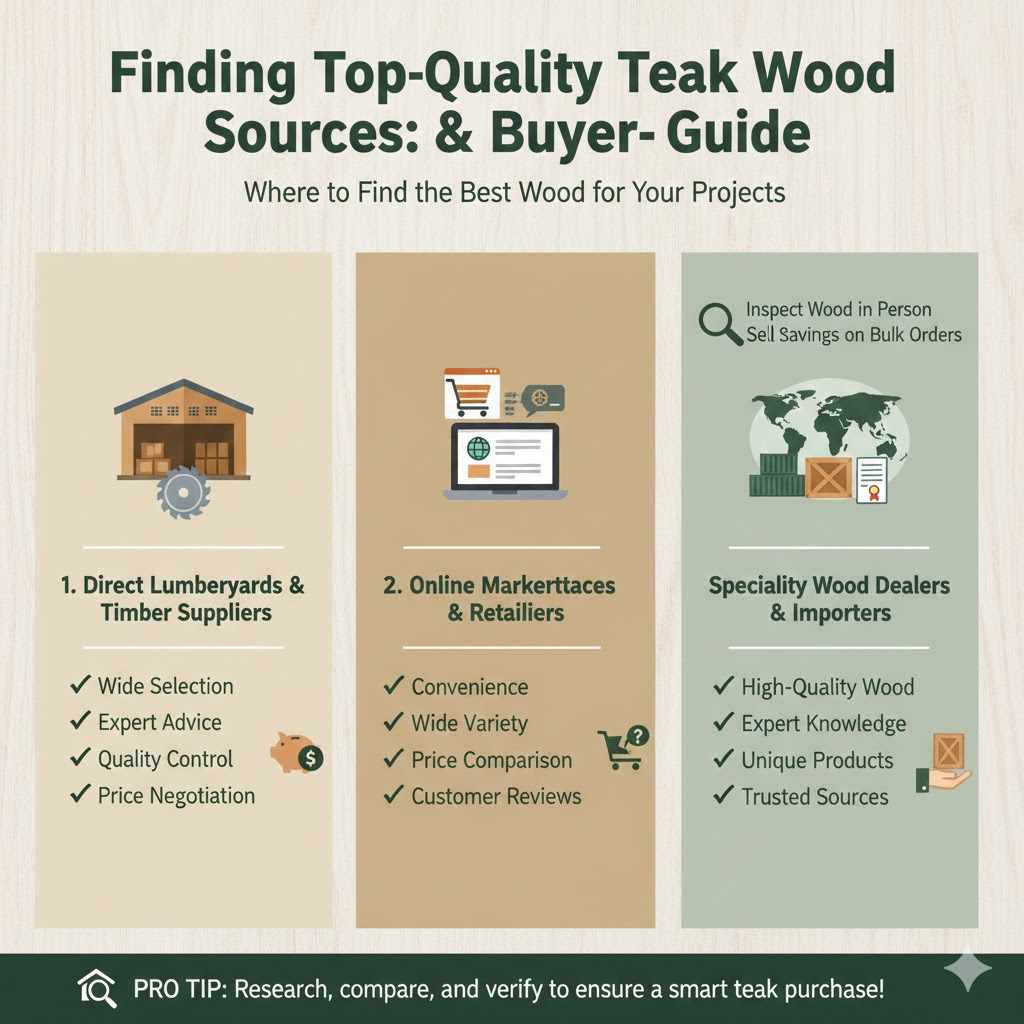
Finding Top-Quality Teak Wood Sources
The first step in using teak wood is knowing where to find it. Finding top-quality sources can make a huge difference in the outcome of your project. This involves knowing the different types of suppliers available, how they operate, and the things to watch out for. Knowing where to buy teak is key to success, whether you’re building a deck, furniture, or any other project that requires this beautiful wood. Let’s explore several types of suppliers to help you make informed decisions.
Direct Lumberyards and Timber Suppliers
Direct lumberyards and timber suppliers are often the best places to buy teak. These suppliers cut and sell their own lumber. Because they work directly with the wood, they generally offer better prices and more control over quality. They can provide detailed information about the wood’s origin, the cutting process, and any treatments it may have undergone. This information helps you make an informed choice and ensures the wood meets your standards. You can usually inspect the wood in person, and ask questions about the grain and quality.
- Wide Selection: Lumberyards typically stock various teak wood sizes and grades. This gives you plenty of choices for your project.
- Expert Advice: Staff members at these yards are often experts. They can provide helpful advice on choosing the best teak for your needs, including guidance on finishing and maintenance.
- Quality Control: By dealing directly with the source, you can check the wood’s quality before buying. Look for wood that is free of knots, cracks, and other defects.
- Price Negotiation: You might have the opportunity to negotiate prices or get discounts, especially if buying large quantities.
Online Marketplaces and Retailers
Online marketplaces and retailers offer a convenient option for buying teak wood. They provide a wide selection of wood products from many different sellers. While convenience is a big plus, make sure to consider some potential downsides. Shopping online makes it trickier to check the wood’s quality before you buy. Always check seller reviews and product descriptions very carefully. Be sure to understand the return policies in case the wood doesn’t meet your expectations.
- Convenience: You can shop anytime, from anywhere, which saves time.
- Wide Variety: Marketplaces often have a diverse selection of teak wood, including different grades, sizes, and finishes.
- Price Comparison: Easily compare prices from multiple sellers to find the best deals.
- Customer Reviews: Read reviews from other customers to get insights into the quality and service.
Specialty Wood Dealers and Importers
Specialty wood dealers and importers focus on specific types of wood, including teak. These experts often have deep knowledge of the wood’s origin, grade, and characteristics. They can provide high-quality teak that is often difficult to find elsewhere. Since they specialize, they can source premium teak that is ideal for demanding projects. Dealing with these vendors means you’ll have access to the best available wood. These dealers also frequently have connections to reliable sources, providing a guarantee of quality.
- High-Quality Wood: These dealers often source teak from trusted locations, guaranteeing excellent wood.
- Expert Knowledge: They can provide detailed information about the wood’s properties, suitability for different uses, and care tips.
- Unique Products: They may offer special cuts or grades of teak that are not available in other places.
- Trusted Sources: They have established relationships with wood producers.
Understanding Teak Wood Grades and Quality
Knowing the different grades of teak wood is very important when shopping. Teak quality is based on factors such as appearance, strength, and durability. Understanding the grades helps you choose the right wood for your specific project. This is crucial for making sure your project looks great and lasts a long time. Different grades affect the price, so understanding them helps you choose the best value for your money. Let’s explore the grades and what to consider when choosing teak wood.
Grade A Teak
Grade A teak is the highest quality. It is taken from the heartwood of mature trees. It has a rich color, tight grain, and high oil content. The characteristics make it ideal for any high-end projects that need durability and beauty. Grade A teak is very resistant to rot, insects, and weather, which makes it suitable for outdoor use. This grade of teak is costly. However, it provides excellent long-term value, as it lasts for many years.
- High Oil Content: Keeps the wood from drying out and cracking.
- Uniform Color and Grain: Adds to the wood’s appearance, making it more attractive.
- Natural Resistance: Repels water, insects, and decay, extending the wood’s lifespan.
- Low Defects: Includes very few knots or imperfections.
Grade B Teak
Grade B teak is a mid-range quality. It often comes from younger trees or outer parts of the trunk. It has good properties but may have slight variations in color and grain. It’s often more affordable than Grade A. Grade B teak is still durable and suitable for various projects. This grade offers a good balance of quality and cost. This makes it a great choice for projects that do not need the highest level of premium quality.
- Good Durability: Provides good weather and insect resistance.
- Slight Variations: May have some imperfections.
- More Affordable: Better for people who want quality wood without the high cost of Grade A.
- Versatile Use: Suitable for many projects like outdoor furniture and boat building.
Grade C Teak
Grade C teak is the lowest grade. It might come from the outer parts of the tree or from younger trees. It often has more knots, imperfections, and color variations. The oil content is lower, and it may not be as durable as the higher grades. Grade C teak is the most economical. It is suitable for projects where appearance is not as important or where the wood will be painted. It is still teak, offering some of the natural qualities of the wood.
- Lowest Cost: The most budget-friendly teak option.
- More Knots: May have more knots and imperfections.
- Lower Oil Content: Requires extra care to maintain.
- Suitable for Some Uses: Acceptable for some projects, particularly those where appearance is not critical.
Essential Factors for Selecting Teak Wood
Choosing the right teak wood is more than just picking a grade. Several other factors play key roles in making the right choice. Consider the wood’s origin, the drying method used, and any certifications. You’ll want to assess the wood’s physical properties. Knowing these factors will help you select the teak that best fits your project needs. It also helps you make sure you get the best value for your money and that the teak will last.
Origin and Sustainability
The origin of teak wood impacts both its quality and its environmental footprint. Teak from certain regions is known for its high oil content and durability, while wood from others may vary. Consider the source when choosing your teak. Choosing responsibly sourced teak helps to protect the environment and supports ethical forestry practices. When buying teak, check for certifications that ensure sustainable forestry. This way, you contribute to preserving forests for future generations. Also, you’ll know that the wood you are getting is produced responsibly.
- Certifications: Look for certifications like the Forest Stewardship Council (FSC). These ensure that the wood comes from forests managed in an environmentally responsible way.
- Origin Matters: Teak from Myanmar and Indonesia are considered premium. However, it’s also important to check the wood’s overall quality and sustainability practices.
- Environmental Impact: Think about the carbon footprint of transporting the wood. Choose suppliers that use efficient shipping practices.
- Ethical Sourcing: Support suppliers who provide fair wages and safe working conditions.
Moisture Content and Drying Process
The moisture content of teak wood affects its stability, workability, and overall performance. The drying process is essential to getting the right moisture content. If the wood dries incorrectly, it can warp, crack, or split after you use it. Air drying allows the wood to dry slowly. This is a process that reduces the chance of defects. Kiln drying uses a controlled environment. The method speeds up the process. Both methods have advantages. Make sure you understand how the wood was dried, as this affects the final product.
- Moisture Content Levels: Aim for a moisture content between 6% and 12% for best results. This range prevents shrinking, swelling, and cracking.
- Air Drying Benefits: Air drying allows the wood to dry slowly, which results in fewer defects.
- Kiln Drying Benefits: Kiln drying is faster and more controlled, making it efficient for large-scale production.
- Stability: Properly dried teak wood is more dimensionally stable. This helps it to maintain its shape over time.
Physical Characteristics and Grain Pattern
The physical characteristics and grain pattern of teak wood significantly affect its appearance and durability. The color, grain, and any imperfections like knots or inclusions make each piece unique. Tight, straight grain patterns indicate high-quality teak. Wood with these characteristics is typically more stable and easier to work with. Inspect the wood carefully to ensure it meets your aesthetic and functional needs. The grain pattern not only influences the appearance but also affects the wood’s strength and water resistance.
- Color Variations: Teak’s color can range from golden brown to darker shades. Consider this variation.
- Grain Patterns: Straight and tight grains are ideal. They indicate better quality.
- Knots and Imperfections: Minor knots are okay, but avoid wood with extensive defects.
- Texture: Teak should feel smooth and have a natural oily texture.
Caring for Your Teak Wood
Proper care is vital to keeping your teak wood looking good and lasting for a long time. Regular cleaning and maintenance protects the wood from weather and wear. Following a basic care routine ensures that your teak retains its natural beauty. This ensures that the wood stays in top condition. With the right care, you can enjoy your teak wood for many years. It is worth the time and effort.
Cleaning and Maintenance
Cleaning and maintenance keeps teak wood looking its best and keeps it strong. Regular cleaning is crucial to remove dirt, mildew, and other debris. The frequency of cleaning depends on its use and the environment. You can use mild soap and water for simple cleaning. Sometimes, you’ll need specialized teak cleaners to remove stains or mildew. This routine protects the wood from weather damage. Maintenance includes applying teak oil. Regular care enhances the wood’s beauty. It also adds to its lifespan.
- Regular Cleaning: Use soap and water to wash the teak.
- Teak Cleaners: Use special cleaners to remove stains.
- Teak Oil: Apply teak oil to nourish and protect the wood.
- Avoid Harsh Chemicals: Never use harsh chemicals or abrasive cleaners that can damage the wood’s surface.
Protecting Teak from the Elements
Teak’s natural oils provide some protection, but teak wood still needs to be protected from the elements. Over time, exposure to sun and rain can cause the wood to weather, which can change its appearance. This is normal. To keep the original golden-brown color, apply a teak sealant. Sealants help to shield the wood from the damaging effects of the sun and rain. Regularly inspect the wood and apply more sealant as needed. Protective covers can also help protect teak furniture. These can be used when it’s not being used for long periods.
- Apply Sealant: Sealant protects the wood.
- Use Protective Covers: Covers can protect teak furniture when it’s not in use.
- Avoid Prolonged Sun Exposure: Too much sun can cause fading.
- Regular Inspection: Look for any signs of damage.
Common Issues and Solutions
Teak, while durable, can still have some common issues. Weathering, stains, and mildew are issues you might see. Knowing how to handle these problems helps extend the life and beauty of your teak wood. Weathering causes the wood to change color and texture. It is a natural process. You can use teak cleaners and brighteners to restore the wood. Stains can often be removed by using a mild solution. Mildew can be treated with specific cleaners, and prevention is key. Addressing these problems immediately helps keep your teak in great shape.
- Weathering: Clean and re-oil weathered wood.
- Stains: Clean up spills quickly to avoid stains.
- Mildew: Use a teak cleaner to remove mildew.
- Preventative Measures: Proper care and protection can help prevent many of these issues.
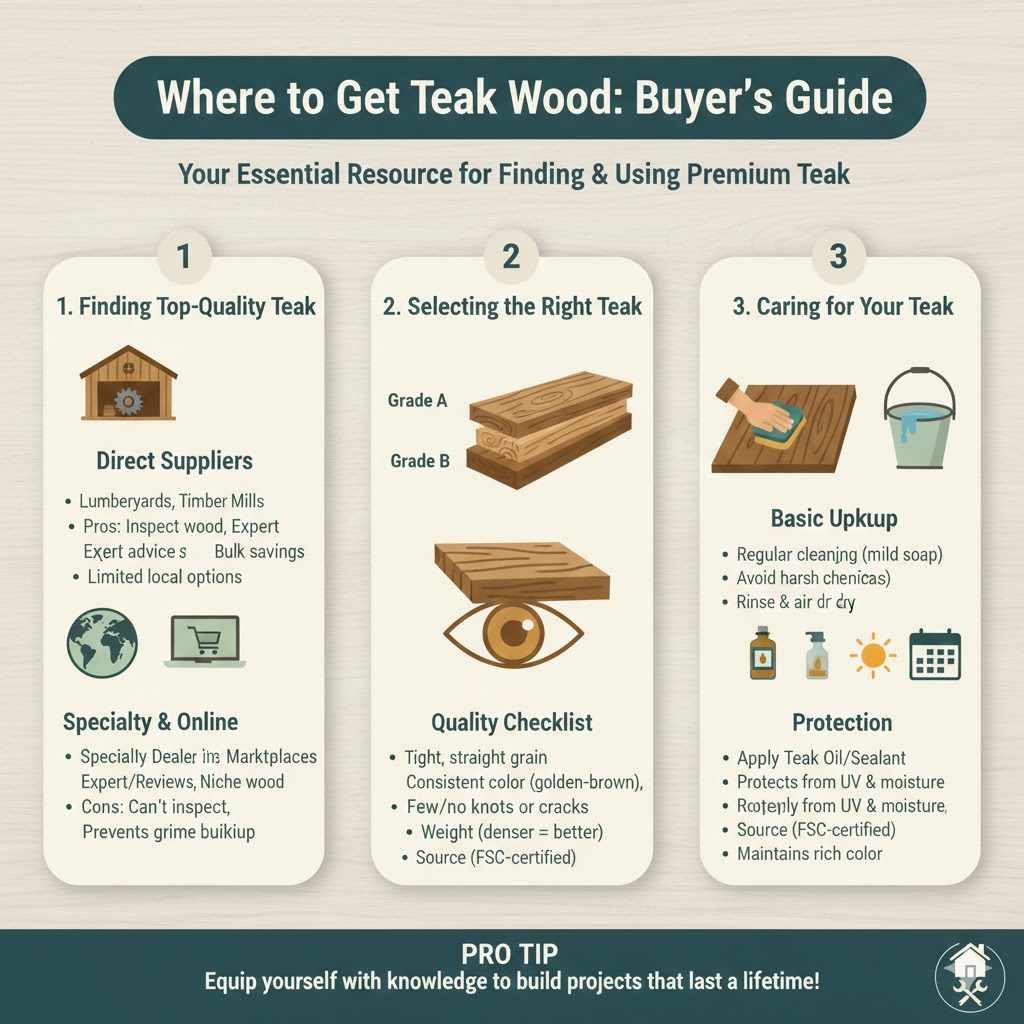
Where to Get Teak Wood: Buyer’s Guide
This information should make it easier to buy teak wood. Knowing where to get teak is the first step toward building great projects. Understanding the different sources and what makes a high-quality wood piece is essential. You’ll now have all the tools necessary to make an informed choice. You’ll also know how to keep your teak wood in the best condition. This guide makes finding and using teak wood easier. You can now approach your next teak project with confidence.
Frequently Asked Questions
Question: What is the best grade of teak wood for outdoor furniture?
Answer: Grade A teak is generally considered the best for outdoor furniture due to its high oil content and natural resistance to the elements. This grade offers the best durability and appearance for long-term outdoor use.
Question: How can I tell if teak wood is genuine?
Answer: Genuine teak wood has a distinctive oily feel and a characteristic smell. Look for a tight grain and a rich color. Always get your teak from a reliable vendor who can verify the origin and provide documentation.
Question: What’s the average lifespan of teak wood?
Answer: With proper care, teak wood can last for many decades, often exceeding 75 years. The lifespan depends on the grade of teak, environmental conditions, and the maintenance it receives.
Question: Should I use teak oil on my teak furniture?
Answer: Yes, applying teak oil periodically is beneficial. It replenishes the wood’s natural oils, helping to preserve its color and prevent drying and cracking. Follow the manufacturer’s instructions for application.
Question: Where is the best place to buy teak wood online?
Answer: There isn’t one definitive “best” place, but it’s crucial to explore reputable online marketplaces. Make sure to check reviews and compare prices. Verify the seller’s return policies and ask about the wood’s origin and certifications.
Final Thoughts
Finding the right teak wood doesn’t have to be hard. By exploring the different sources, you can get the best wood for your needs. Knowing how to assess the quality of the teak and taking care of it will help keep it looking great. Taking these steps enables you to create projects that last for many years. You can ensure that your projects are beautiful and durable. Now, go ahead and explore the options and start your next teak project. Enjoy the process and the satisfaction of building with this amazing wood!