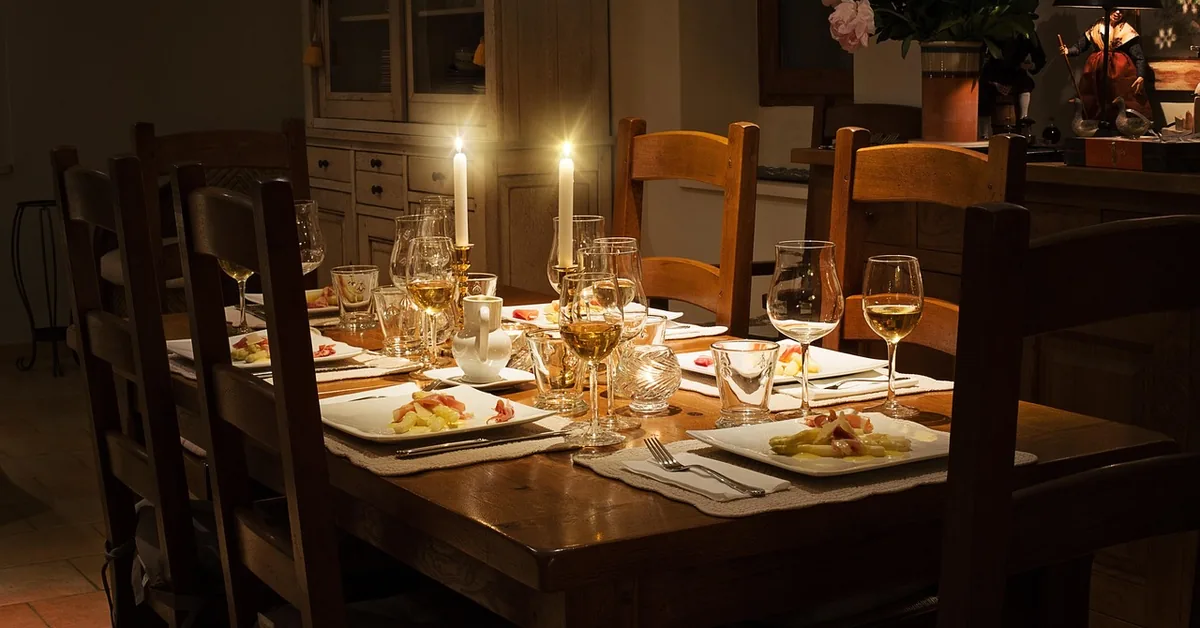
12 Teak Wood Dining Table Designs (+ How to Spot Real Teak)
Grade-A teak turns a dining table into a decades-long investment — cheaper grades just look like one at first. The oil content that makes real teak resist water, dents, and daily wear is exactly what’s missing from sapwood-heavy substitutes sold at the same glance-appeal. This guide covers 12 real design directions for a teak dining table, plus the grain, weight, and water-bead tests that confirm you’re actually buying Grade-A teak before you spend $700 or more.
Classic Rectangular Designs
Best Teak Oil Pick
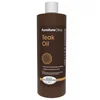
Furniture Clinic Teak Oil, 17oz
A natural-oil finish that restores color and re-feeds the wood’s own moisture barrier after the water-bead test above starts to fail.
- Best for: Reviving a table that’s started to dry out or gray
- Why we picked it: Works on both indoor and outdoor teak, matte finish keeps the natural look
- Main drawback: Needs reapplication every few months on outdoor tables
Compare more teak care options
 Option 1 Premium Teak Oil, 16oz Sealer
|
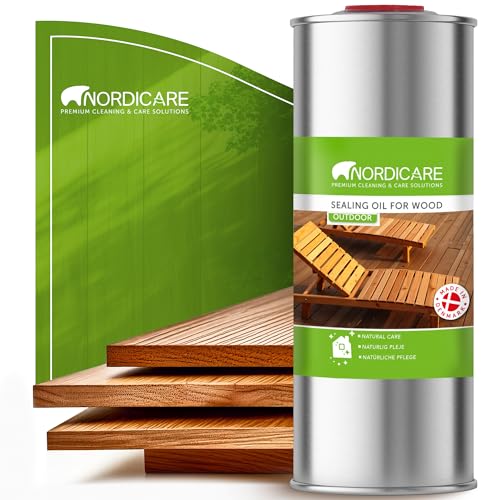
 Option 2 Nordicare Teak Oil, 16.9oz
|
 Option 3 Guardsman Revitalizing Lemon Oil
|
As an Amazon Associate we earn from qualifying purchases.
Rectangular teak dining tables have stayed popular for a practical reason: the shape seats the most people per square foot of floor space, and it fits both a formal dining room and a long farmhouse-style room without looking cramped.
Traditional Styles
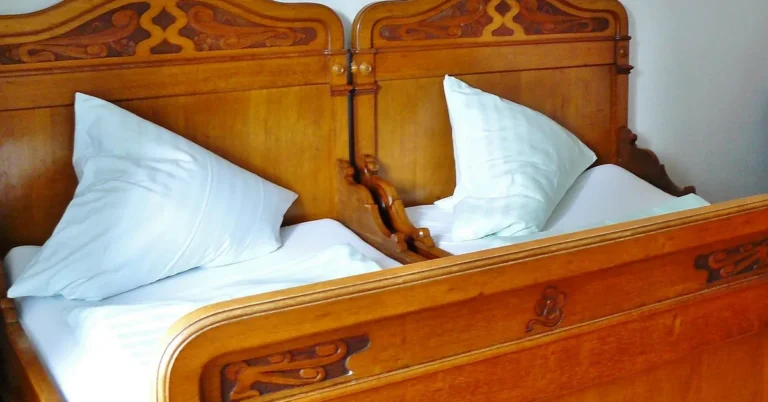
Traditional rectangular teak tables lean on turned or carved legs and a heavier apron under the tabletop — details that read as “family heirloom” rather than flat-pack furniture. Paired with a darker oil finish, these designs suit a dining room that already has other solid-wood pieces.
Modern Twists
Contemporary rectangular teak tables trade the carved detail for clean-edged legs, sometimes in blackened metal instead of matching wood. A lighter oil finish keeps the grain visible without darkening the room, and many of these tables come with a center leaf so the same table works for a weeknight dinner or a table for ten.
How to Judge Real Teak Quality Before You Buy
Grade-A teak is heartwood cut from the center of a mature teak tree — it’s the part with the highest natural oil content, and that oil is what makes a teak dining table resist water and daily wear for decades instead of a few seasons. Grade B and Grade C teak come from the outer sapwood, look similar when the finish is fresh, but weather, crack, and gray far faster because they never had that oil content to begin with.
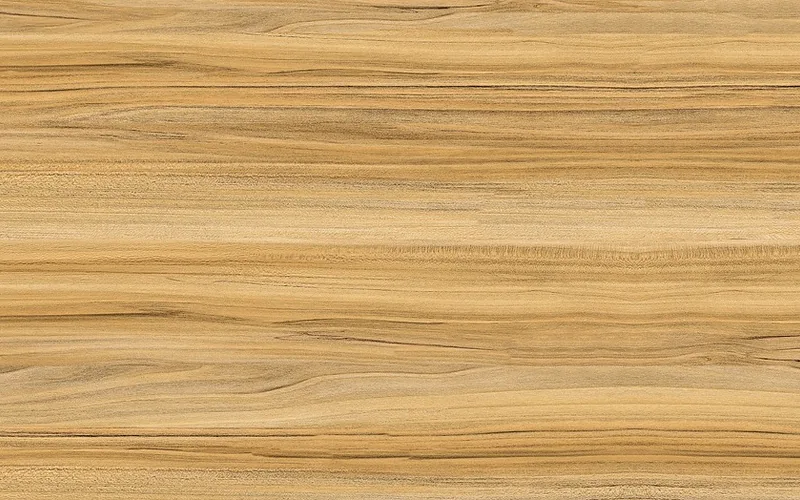
None of this shows up in a product photo, so it’s worth checking in person or asking the seller directly before paying a premium price for a table that isn’t actually premium wood.
| Grade | Grain & Color | Oil Content | Best For |
|---|---|---|---|
| Grade A | Straight, tight grain; golden-brown heartwood, color varies board to board | Highest — natural water resistance | Dining tables meant to last 20+ years, indoors or out |
| Grade B | More visible knots; lighter, less even tone | Medium | Budget pieces, tables that will be painted or heavily sealed |
| Grade C | Mostly pale sapwood; inconsistent, sometimes dyed | Low | Decorative trim — not a structural tabletop |
3 Tests to Confirm You’re Buying Real Grade-A Teak
- Check the grain and feel the weight: Real Grade-A teak shows a straight, tight grain with natural color shifts from board to board. A uniform, repeating pattern is a sign of veneer, and a tabletop that feels surprisingly light for its size is usually a lower-density substitute, not solid teak.
- Run the water-bead test: Place a few drops of water on an unfinished spot, like the underside of the tabletop. Real teak’s natural oils make water bead up and sit on the surface for several seconds instead of soaking in immediately.
- Check the price against the grade: Grade-A teak is genuinely expensive lumber. If a table advertised as “solid teak” is priced like pine or acacia, it’s more likely mostly sapwood dyed to pass as a higher grade.
📊 Real Grade-A teak dining tables typically run $700–$3,000 depending on size and joinery — small folding tables can start under $400, while large hand-jointed extension tables top $6,000. — Source: aggregated 2026 retailer listings (Home Depot, Teak Warehouse, Summer House Patio)
“When I’m checking a teak piece before recommending it, I press a wet finger on the underside first — if the water beads up instead of soaking in within about ten seconds, the oil content is still doing its job. A table that fails that test isn’t done for, but it tells me it’ll need oiling sooner than the seller might admit.”
Round Teak Wood Tables
Round teak tables trade seating-per-square-foot for conversation — everyone at the table can see and hear each other, with no corner seat left out of the conversation.
Space-Saving Options
A round table’s compact footprint makes it easy to walk around even in a tight dining nook, which is why it’s the shape most often recommended for apartments and smaller dining rooms.
Perfect for Cozy Dining
A smaller round table — four to six seats — suits intimate dinners and daily family meals better than a long rectangular table, and the warm tone of natural teak wood adds to that cozy feel.
Oval Teak Wood Tables
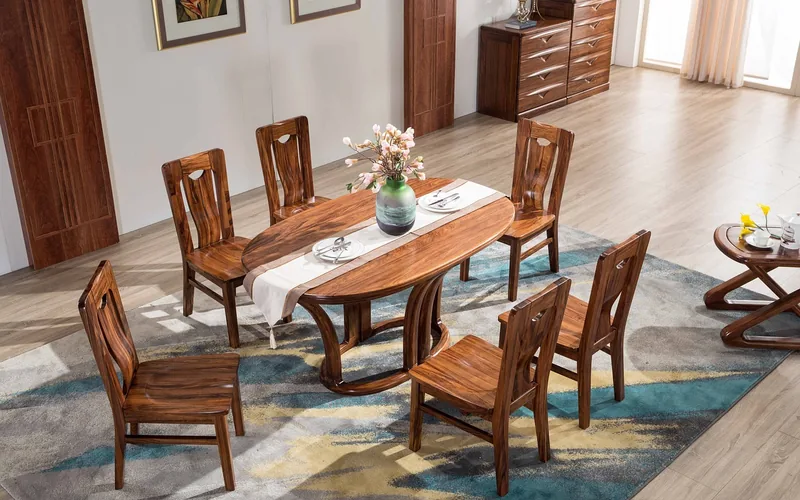
Oval teak tables combine a rectangular table’s seating capacity with a round table’s soft, corner-free edges — a practical detail in households with young kids, and a shape that reads as slightly less formal than a hard-edged rectangle.
Elegant Shapes
The curved edges of an oval table create a sense of flow that a squared-off table can’t match, and there’s no sharp corner to navigate around in a smaller room.
Versatile Placement
An oval table works centered in an open-concept room or pushed against a wall without looking awkward — a placement that’s harder to pull off with a strict rectangle.
Extendable Teak Tables
An extendable teak table solves the space-versus-capacity problem directly: hidden leaves fold or pull out when extra guests show up, then store back inside the table when it’s just a weeknight dinner for two.
Most extendable teak tables keep the extra leaves stored within the table itself, so there’s no separate board to find room for in a closet — a detail worth confirming before buying, since some cheaper extension mechanisms require storing the leaf elsewhere.
Rustic Teak Designs
Rustic teak tables lean into the wood’s natural imperfections instead of sanding them away, pairing well with a farmhouse or cottage-style dining room.
Natural Finishes
A natural, low-sheen finish preserves teak’s grain pattern instead of masking it under a glossy topcoat, which is why natural-finish tables tend to age into that silvery patina more evenly than heavily lacquered ones.
Farmhouse Charm
Farmhouse-style teak tables typically use thicker, simpler legs and a visibly distressed or hand-planed surface — details that read as intentional character rather than wear.
Contemporary Teak Tables
Contemporary teak tables keep the warm tone of the wood but strip away ornamentation — clean, straight edges and a smooth, flat surface let the grain do the visual work instead of carved detail.
Sleek Lines
Straight, unadorned edges give a contemporary teak table a more architectural look, and it pairs easily with upholstered or metal-framed chairs without clashing.
Minimalist Appeal
A minimalist teak table skips inlays and carved trim in favor of proportion and material quality alone — which is exactly why the Grade-A-versus-lower-grade distinction covered above matters even more on a design this stripped down.
Teak Tables With Metal Accents
Pairing teak with metal legs or hardware is a straightforward way to bridge rustic and industrial styles in the same piece — the wood keeps the warmth, the metal adds structure and a more modern silhouette.
Industrial Look
A solid teak tabletop on blackened steel legs reads as intentionally industrial rather than mismatched, especially with exposed bolts or a visible weld seam left unpolished.
Blending Materials
Teak pairs well with several metal finishes — brushed steel for a cleaner look, wrought iron for something closer to the rustic designs above. Either combination holds up to daily use better than an all-wood base, since the metal legs won’t develop the same wear marks as wood.
Teak Tables With Unique Legs
The base of a teak dining table carries as much visual weight as the tabletop itself — a sculpted, hand-carved, or geometric leg design turns a simple slab top into a genuine centerpiece.
Artistic Bases
Sculpted or carved bases — think legs that taper, twist, or echo a tree’s natural form — cost more in labor than a straight turned leg, which is part of why hand-carved teak tables sit at the higher end of the price range covered above.
Statement Pieces
A bold base design, whether sculptural or geometric, works best when the rest of the room stays relatively simple — it’s the kind of table that should be the focal point, not compete with an already busy room.
Teak Tables With Built-in Storage
A dining table with built-in storage — drawers along the apron or a concealed sliding panel — keeps table linens, extra cutlery, or candles within reach without needing a separate sideboard.
Functional Designs
Drawers built into the table’s apron are the most common storage approach, holding flat items like placemats or napkins without adding bulk to the table’s profile.
Hidden Compartments
Some designs go further with a concealed sliding panel that opens to a shallow compartment — useful for keeping items like extra candles or napkin rings out of sight until they’re needed.
Teak Tables for Outdoor Dining
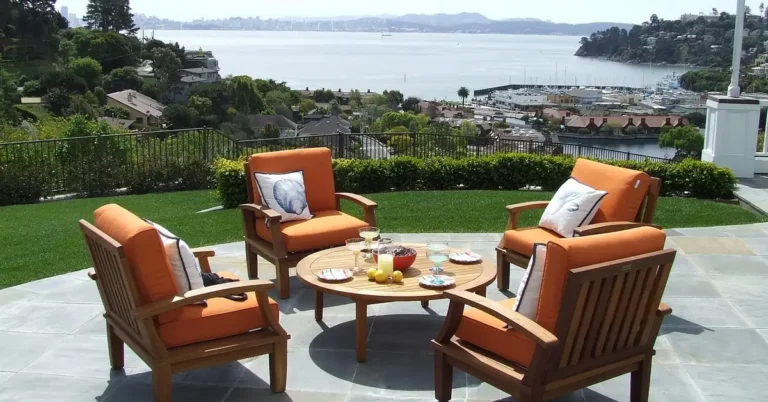
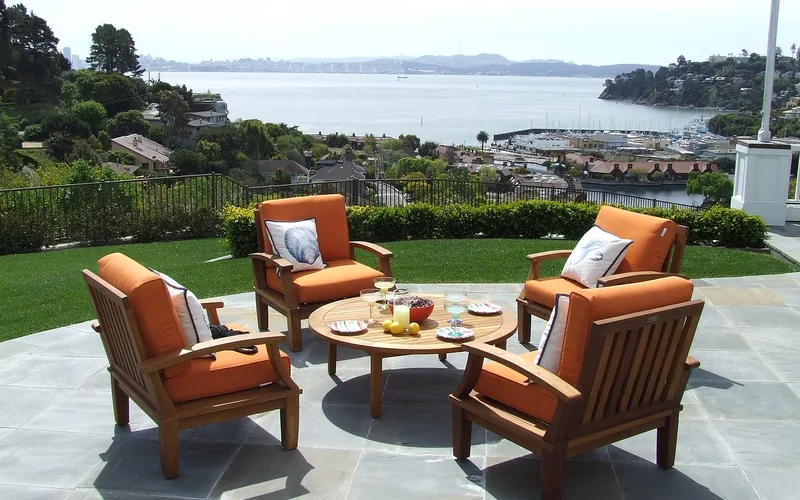
Teak is one of the few hardwoods genuinely suited to permanent outdoor use — its natural oil content is what allows it to handle rain and sun without a protective roof, unlike most other woods used for patio furniture.
Weather-Resistant Finishes
Left unfinished, outdoor teak weathers to a silvery-gray patina within months of sun exposure — a purely cosmetic change, not a sign of damage. An oil finish slows that color shift and keeps the original honey-brown tone longer, but it isn’t required for the wood to survive outdoors.
Perfect for Patios
A teak dining table holds up on an uncovered patio or deck better than most alternatives, and its neutral warm tone works with almost any outdoor color scheme without needing to be matched precisely.
Glass Top Teak Tables
A glass insert set into a teak base keeps the visual weight of solid wood legs while trading the tabletop itself for an easier-to-clean, scratch-resistant surface.
Modern Elegance
The clear glass surface lets the wood base — including a planed and finished teak top edge, on tables that use a wood-framed glass insert — stay the visual focus of the room.
Easy Maintenance
Glass resists scratches and stains better than exposed wood, which makes it a practical choice for households with young kids. The teak base underneath still benefits from the same oiling routine covered above, and pairs fine with metal-legged bases for an even lower-maintenance combination.
Customizable Teak Designs
Teak takes custom detailing well — carvings, engravings, and mixed-material bases are all realistic requests for a made-to-order table, not just factory options.
Personalized Touches
A custom order can specify finish tone, leg style, and extendable leaves in one piece, which is usually the only way to get all three details exactly right without compromise.
Unique Creations
Combining teak with glass or metal in a custom build creates a contrast that a factory-standard table rarely offers, and it’s worth comparing against options like teak vs. mahogany before committing to a custom order, since the base wood affects both the final look and the price.
Frequently Asked Questions
Is teak good for a dining table?
Yes — teak resists water, dents, and daily wear better than most hardwoods because of its natural oil content, and Grade-A teak can last decades indoors with only occasional oiling.
What are the disadvantages of teak wood?
Teak costs more than oak or acacia, needs periodic oiling to keep its golden-brown color, and its density makes larger tables heavy to move without help.
What color does teak age to?
Untreated teak left outdoors weathers to a silvery-gray patina within months. Oiled or indoor teak keeps its warm honey-brown color much longer, since the finish slows the same natural process.
How much does a teak dining table cost?
Real Grade-A teak dining tables generally run $700 to $3,000 depending on size and joinery, with small folding tables starting under $400 and large hand-jointed extension tables exceeding $6,000.
How can you tell if teak furniture is real?
Real teak feels slightly oily to the touch, shows a straight grain with natural color variation between boards, and beads water instead of absorbing it. A uniform repeating grain pattern or unusually light weight usually signals a substitute, not solid teak.
What’s the difference between Grade A and Grade B teak?
Grade A comes from the outer heartwood and has the highest oil content with a tight, even grain. Grade B includes more sapwood, has a lighter and less consistent tone, and weathers faster without regular oiling.
Conclusion
The design you pick — rectangular, round, oval, or a custom build — matters less than the grade of teak underneath it. Run the grain, weight, and water-bead tests above before you buy, and a teak dining table bought today can realistically still be the centerpiece of your dining room decades from now. Looking beyond the dining room, see our roundup of teak table ideas for coffee tables, desks, and outdoor sets.
Sponsored / affiliate links. As an Amazon Associate I earn from qualifying purchases. I may earn additional commission from eligible campaigns.