Which Japanese Maple Has the Brightest Red Leaves?
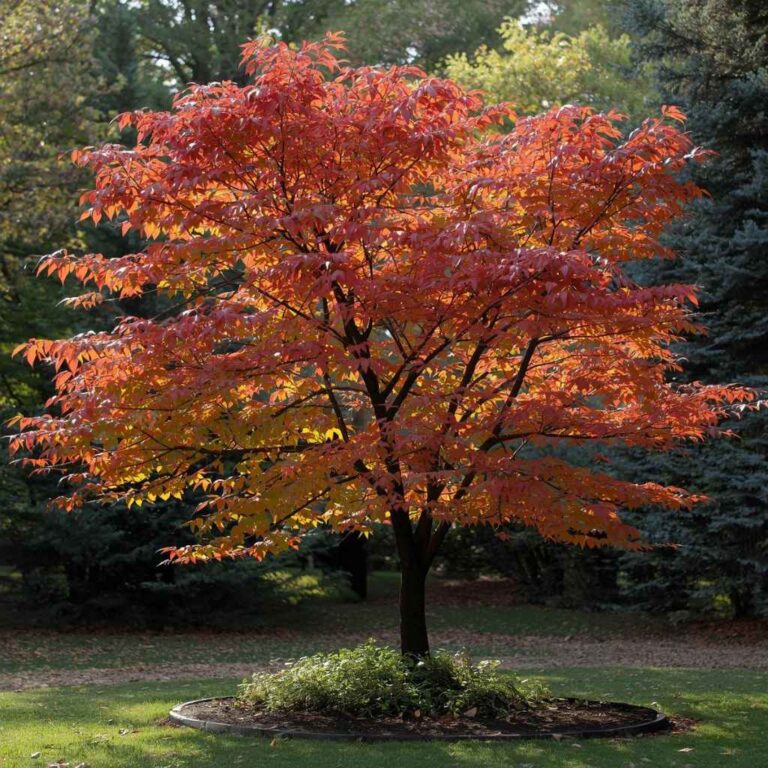
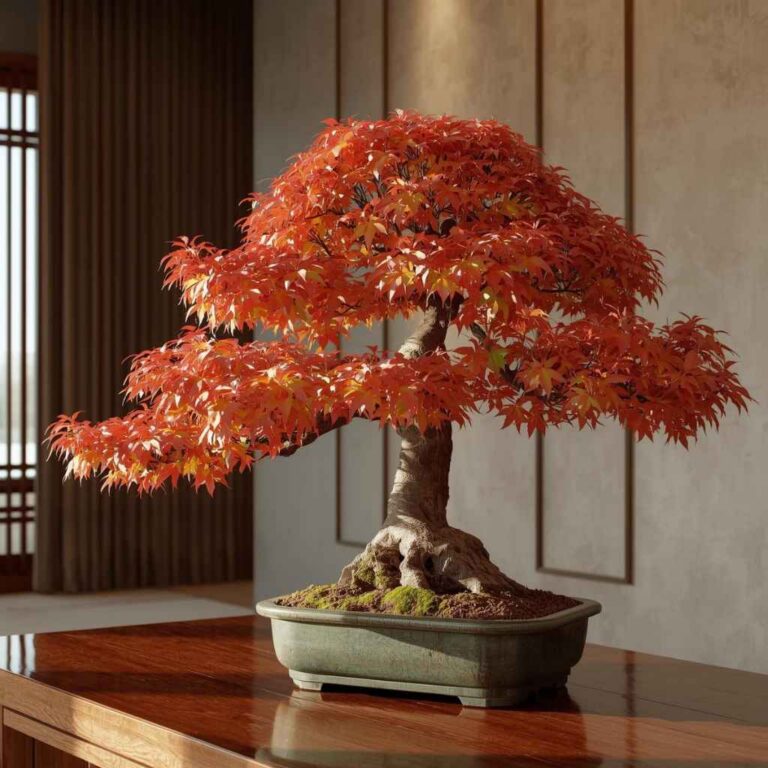
Figuring out Which Japanese Maple Has the Brightest Red Leaves? can feel tricky, especially if you’re new to gardening. Many beautiful red varieties exist, and they all have slightly different shades and best times for color. It’s easy to get a little lost in all the options. But don’t worry, this guide will make it simple. We’ll walk through the best choices step-by-step so you can easily pick the perfect maple for that stunning red. Get ready to find your ideal vibrant tree.
Finding the Most Vivid Red Japanese Maples
Many gardeners dream of a Japanese maple with brilliant red leaves that turn heads. The intensity and shade of red can vary a lot from one type to another and even depend on growing conditions. This section explores the top contenders known for their spectacular crimson foliage, helping you identify the most striking options for your landscape. We will cover what makes a maple’s red color truly stand out.
Acer Palmatum ‘Bloodgood’ A Classic Choice
The ‘Bloodgood’ Japanese maple is a long-standing favorite for its reliable and deep red color. Its leaves are a rich, dark crimson throughout the growing season, turning even more vibrant in the fall. This cultivar is known for its upright growth habit and tolerance to a range of conditions.
Deep Crimson Foliage
The ‘Bloodgood’ boasts leaves that start as a deep burgundy red in spring and deepen to a nearly blood-red color by summer. This consistent, intense hue makes it a standout even before fall arrives. It provides a strong visual anchor in any garden.
Adaptable and Hardy
This maple is quite forgiving and can handle more sun than some other delicate varieties. It prefers well-drained soil but is generally adaptable to different soil types. Its hardiness makes it a good choice for many climates.
Upright and Elegant Shape
‘Bloodgood’ typically grows into a rounded, tree-like form. This classic shape adds a touch of elegance to the garden, making it suitable for specimen planting or as a focal point. Its structure is as appealing as its color.
Acer Palmatum ‘Emperor I’ A Stunning Alternative
Often compared to ‘Bloodgood’, the ‘Emperor I’ offers a slightly different red and an earlier leaf-out, providing color sooner in the season. It’s celebrated for its vibrant, lighter red foliage that can appear almost scarlet in the right light.
Early Red Coloration
‘Emperor I’ leaves emerge with a brighter red than ‘Bloodgood’, often appearing in early spring. This early display offers a welcome splash of color when other plants are just starting to wake up. The vibrancy is a key draw for those seeking immediate impact.
Good Sun Tolerance
Similar to ‘Bloodgood’, ‘Emperor I’ can tolerate more direct sunlight than some other Japanese maples. While some shade is beneficial to prevent leaf scorch, it can handle partial sun quite well, allowing for more flexible placement in the garden.
Distinctive Leaf Shape
The leaves of ‘Emperor I’ tend to have a slightly more dissected shape, appearing finer and more delicate. This textural difference adds another layer of visual interest to the tree, complementing its bright red color.
Acer Palmatum ‘Seiryu’ The Upright Green Dragon
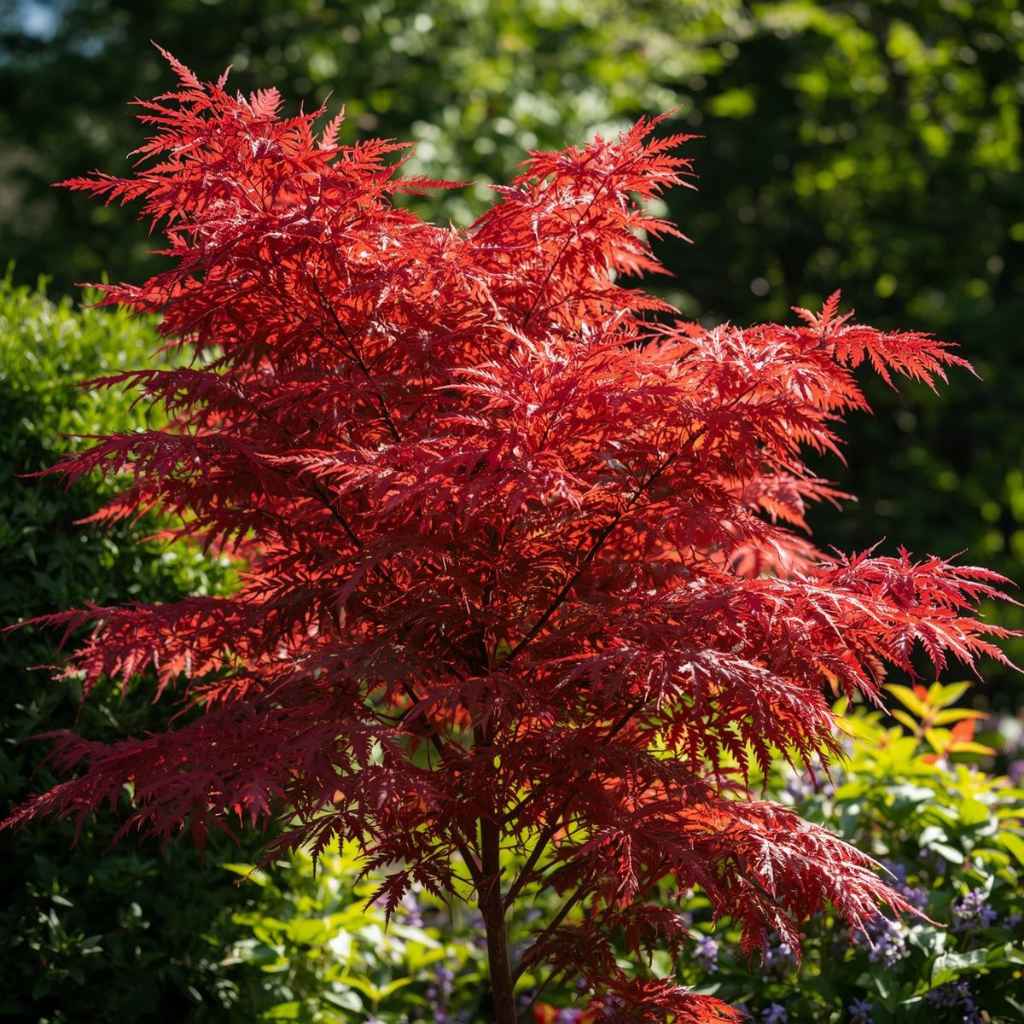
While many Japanese maples are prized for their red or purple leaves, ‘Seiryu’ stands out because it is an upright-growing variety with bright green, deeply cut foliage that turns a brilliant, fiery red in the fall. It offers a different kind of beauty with its unique structure and seasonal color change.
Unique Upright Growth
Unlike most dissected-leaf maples, ‘Seiryu’ grows upright, reaching tree-like proportions. This makes it a fantastic choice for gardens where a more traditional tree form is desired, but with the delicate beauty of an upright Japanese maple.
Spectacular Fall Color Transition
The spring and summer foliage is a vibrant green, providing a lush backdrop. As autumn approaches, ‘Seiryu’ undergoes a dramatic transformation, displaying intensely bright reds and oranges. This makes it a star performer when other plants begin to fade.
Delicate Leaf Structure
Its leaves are deeply lobed, almost fern-like, which gives the tree a light and airy appearance. This delicate texture contrasts beautifully with its upright form and its fiery fall colors, creating a truly dynamic specimen.
Understanding Factors Affecting Red Leaf Coloration
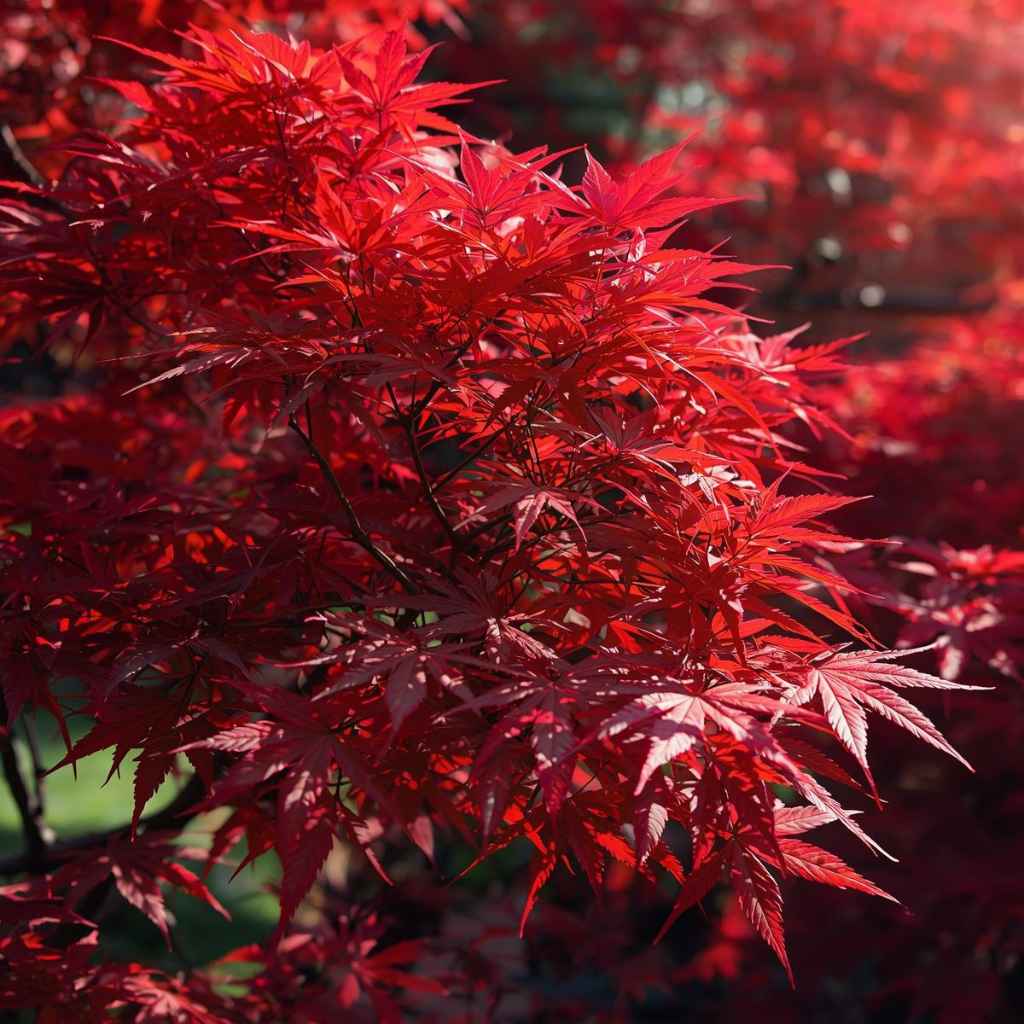
The intensity of red on a Japanese maple isn’t just about the variety; several environmental factors play a significant role. Understanding these elements can help you achieve the most brilliant red possible. This section details what influences the vibrant hues of your maple’s leaves.
Sunlight Exposure and Its Impact
Sunlight is a critical component in developing the red pigments, specifically anthocyanins, in Japanese maple leaves. Too little sun can result in duller, more muted colors, while too much direct, harsh sun, especially in hot climates, can cause scorching. Finding the right balance is key.
Adequate Light for Pigment Production
Anthocyanins are the red pigments that give Japanese maples their stunning color. These pigments are most effectively produced in the presence of sufficient sunlight. For many red-leafed varieties, a location that receives morning sun and afternoon shade is ideal, especially in warmer regions. This allows the leaves to absorb enough light for vibrant coloration without the risk of sun damage.
Preventing Leaf Scorch
Intense, direct sunlight, particularly during the hottest parts of the day, can damage the delicate leaf tissues. This damage, known as leaf scorch, appears as browning and crisping of the leaf margins and tips. While some varieties are more resistant than others, providing protection from harsh afternoon sun is often crucial for maintaining healthy, vibrantly colored foliage.
Regional Climate Considerations
The amount of direct sunlight a Japanese maple can tolerate varies based on the local climate. In cooler regions, maples might benefit from more sun to develop their best color. Conversely, in hotter climates, even afternoon shade is essential. Observing how your local environment affects other plants can offer clues for your maple’s placement.
Soil Conditions and Drainage
Healthy soil is fundamental for any plant’s vigor, and Japanese maples are no exception. Proper soil composition and excellent drainage are paramount for preventing root rot and ensuring the tree can absorb the nutrients it needs to produce strong, healthy leaves with rich color.
Importance of Well-Drained Soil
Japanese maples are highly susceptible to root rot if their roots sit in waterlogged soil. This condition can severely weaken the tree, leading to poor growth and diminished leaf color. Therefore, planting in soil that drains freely is non-negotiable. Raised beds or amending heavy clay soils with organic matter can significantly improve drainage.
Nutrient Availability for Pigmentation
While Japanese maples are not heavy feeders, they do require adequate nutrients for optimal health and color. Soil rich in organic matter generally provides a good balance of essential nutrients. Over-fertilizing, however, can lead to lush green growth at the expense of red color development, so a conservative approach to feeding is best.
Soil pH and Maple Health
Japanese maples generally prefer slightly acidic soil, with a pH typically ranging from 5.5 to 6.5. If the soil is too alkaline, the tree may have trouble absorbing essential micronutrients like iron, which can lead to chlorosis (yellowing of leaves) and duller coloration. Regular soil testing can help identify and correct pH imbalances.
Watering Practices
Consistent moisture is vital, especially for young trees and during dry periods. However, overwatering can be just as detrimental as underwatering, leading to the same problems like root rot and poor health, which directly impacts leaf color.
Consistent Moisture for Healthy Foliage
Japanese maples thrive on consistent, moderate moisture. While they don’t like to sit in soggy soil, they also do not tolerate prolonged drought well. Regular watering, especially during hot, dry spells and after planting, is essential for maintaining the health and vibrancy of the leaves.
Avoiding Both Extremes
Both overwatering and underwatering can stress the tree and negatively affect its leaf color. Overwatering can lead to root rot, hindering nutrient uptake and causing leaves to appear dull or even develop brown edges. Underwatered trees may show signs of wilting, leaf drop, and reduced color intensity.
Mulching for Moisture Retention
Applying a layer of organic mulch around the base of the tree, keeping it a few inches away from the trunk, can help retain soil moisture. Mulch also helps regulate soil temperature and suppress weeds, contributing to overall tree health and, consequently, better leaf color.
Popular Japanese Maple Cultivars Known for Red Leaves
Beyond the general advice, specific cultivars are renowned for their particularly striking red foliage. These varieties have been selected and cultivated over time for their consistent and vibrant crimson displays. Here are some of the most celebrated options.
Acer Palmatum ‘Crimson King’
‘Crimson King’ is a well-loved variety that offers a rich, deep red color throughout the growing season. It’s known for its robustness and consistent performance, making it a reliable choice for gardeners seeking intense red foliage.
Deep, Velvety Red Leaves
The leaves of ‘Crimson King’ are a striking, dark ruby red. This deep, rich coloration is present from spring through fall, providing a continuous visual impact. The texture of the leaves can appear almost velvety, adding to their allure.
Good Sun Tolerance
This cultivar generally performs well in locations that receive ample light. While some protection from the most intense afternoon sun is still recommended in very hot climates, ‘Crimson King’ is known to hold its color well even with more direct sun exposure than some other red maples.
Strong, Upright Growth
‘Crimson King’ typically develops a dense, upright, and somewhat rounded habit. This makes it an excellent choice for a specimen tree or as a prominent feature in a mixed planting, adding structure and a bold splash of color.
Acer Palmatum ‘Fireglow’
‘Fireglow’ is a cultivar that truly lives up to its name, offering a brilliant, fiery red color that intensifies as the season progresses. It’s a popular choice for those who want a dynamic and eye-catching specimen tree.
Intense Fiery Red Hue
The leaves of ‘Fireglow’ emerge a bright, almost scarlet red in spring and mature into a deep, glowing crimson. This color is exceptionally vibrant and tends to be brighter than many other red-leafed varieties, especially in good light.
Excellent Fall Color Intensification
While already stunning in spring and summer, ‘Fireglow’ often displays an even more intense and spectacular red in the autumn. The transition to fall color is a dramatic event with this cultivar, offering shades of crimson, scarlet, and sometimes hints of orange.
Graceful, Spreading Habit
‘Fireglow’ develops into a graceful, spreading tree with a slightly more open canopy than some other upright varieties. This makes it well-suited for planting where its beautiful form and fiery color can be appreciated from multiple angles.
Acer Palmatum ‘Ryusen’
‘Ryusen’, meaning ‘Dragon’s Tear’ in Japanese, is a unique weeping Japanese maple with striking deep red foliage. Its cascading branches create a waterfall-like effect, making it a dramatic and eye-catching specimen.
Weeping Form with Red Leaves
‘Ryusen’ is primarily known for its distinctive weeping habit, with branches gracefully arching downwards. This form, combined with its consistently deep red leaves, creates a stunning, dramatic focal point in any garden design.
Consistent Deep Red Coloration
The foliage of ‘Ryusen’ remains a rich, dark red throughout the growing season. This deep, almost burgundy-red hue provides a strong, consistent color that stands out against greener garden elements, making it a powerful visual statement.
Ideal for Unique Landscape Features
Its weeping nature makes ‘Ryusen’ perfect for planting on slight mounds or next to water features, where its cascading branches can be fully displayed. It can also be trained to grow upwards initially before weeping, creating a unique umbrella shape.
Acer Palmatum ‘Red Select’
‘Red Select’ is a cultivar that offers a vibrant red color and is often noted for its reliability and ability to maintain good color even with some exposure to the sun. It’s a solid choice for those seeking a straightforward, beautifully red Japanese maple.
Vibrant Red Foliage
As the name suggests, ‘Red Select’ is chosen for its bright, consistent red leaves. The color is a pleasing shade of red that is noticeable and attractive throughout the spring and summer months, making it a good contributor to garden color.
Good Performance in Sunlight
Compared to some other red maples, ‘Red Select’ is known to have a relatively good tolerance for sunlight. While it still benefits from protection from harsh afternoon sun in very hot climates, it can often handle more sun exposure than more delicate varieties without significant leaf damage.
Adaptable and Hardy Nature
This cultivar is generally considered hardy and adaptable to various garden conditions, provided it has well-drained soil. Its robust nature makes it a more forgiving choice for gardeners who may not have perfect growing conditions.
Caring for Your Red Japanese Maple for Maximum Color
Once you’ve chosen the perfect Japanese maple for its bright red leaves, proper care is essential to ensure it thrives and displays its color beautifully year after year. This involves paying attention to its basic needs.
Proper Planting Techniques
The foundation of a healthy tree starts with how it’s planted. Correctly planting your Japanese maple will set it up for success, allowing its roots to establish properly and support vibrant foliage.
Site Selection
Choose a location that offers a balance of sun and shade. Morning sun is ideal, with protection from harsh afternoon sun, especially in warmer climates. Ensure the spot has good air circulation and is protected from strong winds, which can damage delicate leaves.
Soil Preparation
Japanese maples prefer slightly acidic, well-drained soil. Amend heavy clay soils with organic matter like compost or peat moss to improve drainage and aeration. Avoid planting in areas that tend to stay waterlogged.
Planting Depth
Plant the tree at the same depth it was in its nursery container. The root flare (where the trunk widens at the base of the roots) should be visible at or slightly above soil level. Planting too deep can lead to root rot and other issues.
Pruning for Health and Aesthetics
Pruning is not just about shaping your tree; it’s also about maintaining its health and encouraging better leaf color. Judicious pruning can enhance both the tree’s structure and its visual appeal.
Timing is Key
The best time to prune most Japanese maples is in late winter or early spring, before new growth begins. This is when the tree is dormant, making it easier to see the branch structure and minimizing sap loss. Summer pruning can be done for minor adjustments or to remove dead or crossing branches, but avoid heavy pruning.
Encouraging Better Light Penetration
Thinning out crowded branches allows light and air to penetrate the canopy more effectively. This promotes healthier leaf development and can enhance the vibrancy of the red coloration, as all parts of the canopy receive adequate light for photosynthesis and pigment production.
Removing Dead or Damaged Branches
Always prune out any dead, diseased, or damaged branches as soon as you notice them. This helps prevent the spread of disease and keeps the tree healthy. Healthy trees are better able to produce strong, vibrant foliage.
Fertilizing and Feeding
Japanese maples are not typically heavy feeders, and over-fertilizing can actually be detrimental, leading to leggy growth and reduced color intensity. A conservative approach to feeding is usually best.
Gentle Fertilization
If fertilization is needed, use a balanced, slow-release fertilizer formulated for trees and shrubs in early spring. Avoid high-nitrogen fertilizers, which promote excessive leafy growth at the expense of flower or fall color. A fertilizer with a lower first number (nitrogen) is often preferable.
Organic Matter Benefits
Amending the soil annually with a top dressing of compost or well-rotted manure is often sufficient to provide the nutrients your Japanese maple needs. This organic matter also helps improve soil structure and moisture retention.
Observe Your Tree
The best indicator of whether your tree needs fertilizer is its overall health and growth. If your maple is growing vigorously and displaying good color, it likely doesn’t need additional feeding. Over-fertilizing can lead to issues like leaf scorch and duller colors.
Frequently Asked Questions
Question: Are all red Japanese maples the same shade of red?
Answer: No, red Japanese maples come in a variety of shades, from bright scarlet and fiery red to deep crimson and burgundy. The exact shade depends on the specific cultivar and growing conditions.
Question: Can I plant a red Japanese maple in full sun?
Answer: While some red Japanese maples tolerate more sun than others, most prefer a location with morning sun and afternoon shade, especially in hotter climates, to prevent leaf scorch. Check the specific needs of your chosen cultivar.
Question: When is the best time to plant a Japanese maple?
Answer: The best times to plant Japanese maples are in early spring or early fall. These periods offer moderate temperatures, allowing the tree to establish its roots before the heat of summer or the harshness of winter.
Question: How often should I water my red Japanese maple?
Answer: Water your Japanese maple regularly, especially when it’s young or during dry periods. Aim to keep the soil consistently moist but not waterlogged. Reduce watering frequency as the tree becomes established.
Question: Will the red leaves of my Japanese maple fade in the summer?
Answer: Some red Japanese maples might appear less intensely red in the peak heat of summer, sometimes darkening to a deeper shade. However, good care and the right conditions will help maintain their vibrant color throughout the growing season.
Conclusion
Choosing a Japanese maple with the brightest red leaves involves selecting the right cultivar and providing optimal care. Varieties like ‘Fireglow’ and ‘Crimson King’ offer consistently stunning red hues. Proper planting, balanced watering, and mindful pruning are key to a vibrant display. Aim for morning sun and afternoon shade to protect delicate leaves. With these tips, you can enjoy a breathtaking red maple in your garden.