Why Does My Chainsaw Chain Keep Coming Loose? Top Fixes
A chainsaw chain keeps coming loose due to improper tension or worn-out components. Regular maintenance can prevent this issue.
Chainsaw chains can loosen for several reasons, causing frustration and inefficiency. Ensuring proper chain tension is crucial for safe and effective operation. Worn-out parts, like the chain or bar, can also contribute to the issue. Regularly inspecting and maintaining your chainsaw can help identify potential problems early.
Tighten the chain according to the manufacturer’s specifications to avoid these issues. Proper lubrication and cleaning are essential to keep the chainsaw in optimal condition. By addressing these factors, you can ensure your chainsaw operates smoothly and efficiently, reducing downtime and enhancing safety.
Common Causes
Loose chainsaw chains often result from improper tension adjustments, worn-out components, or insufficient lubrication. Regular maintenance and timely replacement of parts can prevent this issue.
Improper Tensioning
If the chain is too tight, it will wear out faster. A loose chain can slip off the bar. Always follow the manual for correct tension. Check the tension before each use. Make sure the chain moves smoothly. Regular adjustments are needed.
Worn Out Components
Old chains can stretch over time. The bar and sprocket can also wear out. Inspect these parts regularly. Replace worn components to keep the chain tight. Using a dull chain can cause extra wear. Always keep your chain sharp.
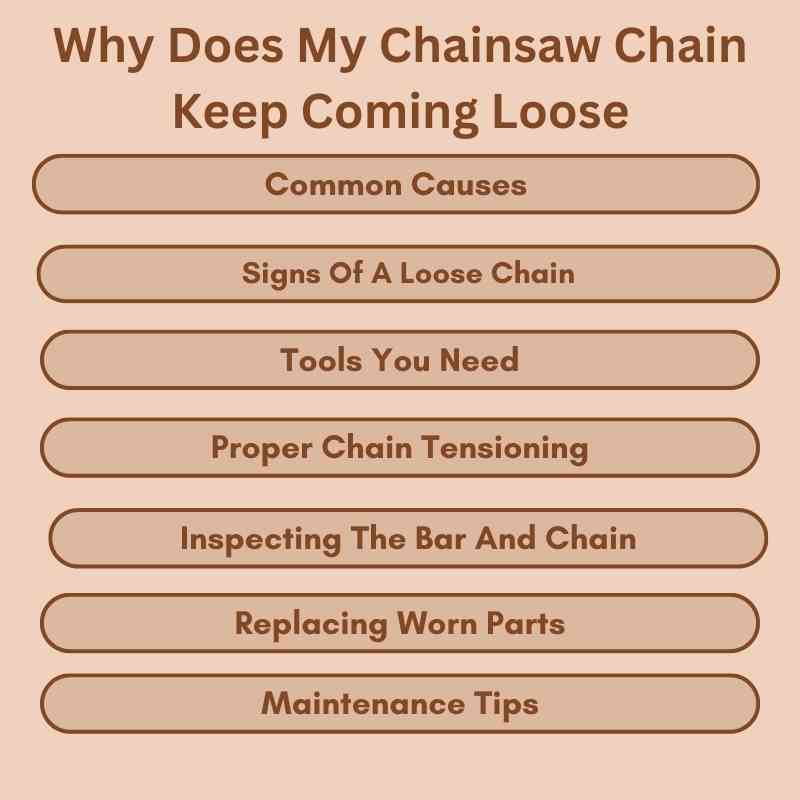
Signs Of A Loose Chain
A loose chain often shows visible slack. You might see the chain hanging from the bar. This can make cutting dangerous and inefficient. Always check for slack before starting your work. A tight chain should fit snugly on the guide bar.
Frequent adjustments are a clear sign. If you need to tighten the chain often, it is loose. This can slow down your work. It also increases wear on the chainsaw. Regular checks can help avoid this issue.
Tools You Need
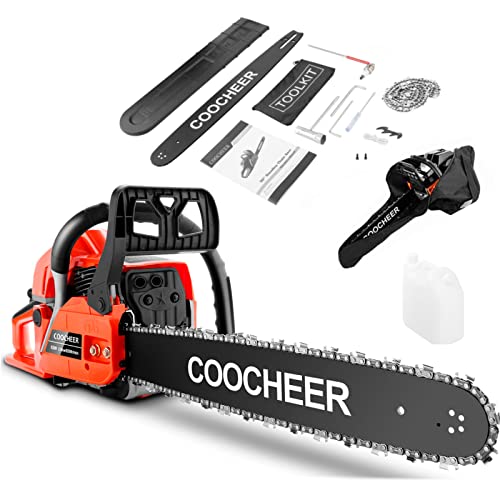
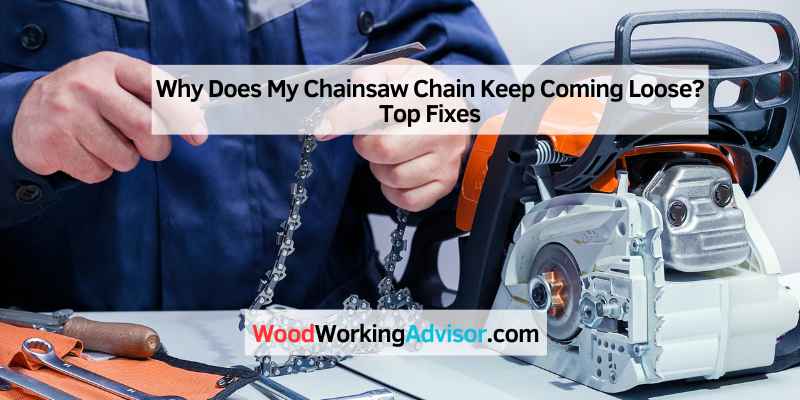
The tensioning tool helps adjust the chain. It keeps the chain tight and safe. You can find it in your chainsaw kit. It is simple to use and very important.
A socket wrench tightens the chainsaw nuts. It keeps the chain from getting loose. Make sure the wrench fits your chainsaw. Always carry it with you when using the chainsaw.
Proper Chain Tensioning
Proper chain tensioning is crucial to prevent your chainsaw chain from coming loose. Regularly check and adjust the tension to ensure safe and efficient operation.
Step-by-step Guide
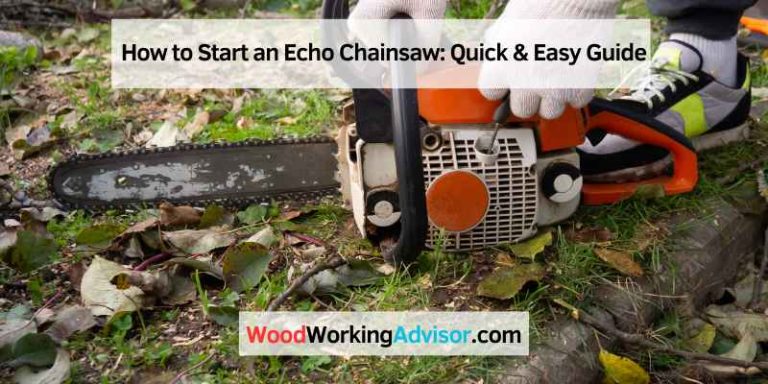
First, make sure the chainsaw is turned off. Next, find the chain tensioning screw. Use a screwdriver to tighten the screw. Turn the screw clockwise to tighten the chain. Pull the chain to check if it is tight enough. The chain should move slightly but not be too loose. If the chain is still loose, tighten the screw a bit more. Repeat this process until the chain is properly tensioned.
Safety Precautions
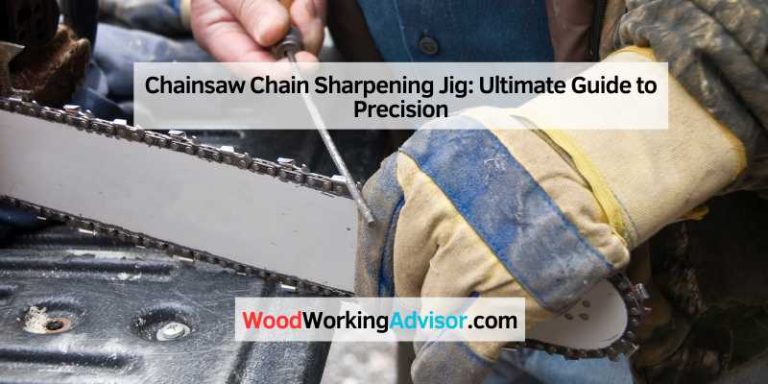
Always wear protective gloves when working with a chainsaw. Keep your hands and fingers away from the chain. Make sure the chainsaw is on a stable surface. Never adjust the chain while the chainsaw is running. Check the chain tension regularly to avoid accidents. Store the chainsaw in a safe place when not in use.
Inspecting The Bar And Chain
Look at the chainsaw bar and chain. Check for signs of wear. Worn parts can make the chain loose. The bar should be smooth and straight. The chain should not have any damaged or missing teeth. Replace worn parts quickly.
Keep the bar and chain clean. Dirt and debris can cause problems. Use a brush to remove dirt. Clean the grooves in the bar. A clean chainsaw works better and stays tight.
Replacing Worn Parts
A loose chainsaw chain can be very dangerous. Always choose a chain that fits your chainsaw model. A properly fitted chain works best and stays tight. Check the chain size in your chainsaw manual.
The chainsaw bar holds the chain in place. Over time, the bar can wear out. A worn-out bar can cause the chain to become loose. Replace the bar if it shows signs of wear or damage.
Maintenance Tips
Dirt and debris cause chain issues. Clean the chainsaw after each use. Use a brush to remove sawdust. Check the chain for stuck particles. Keep the guide bar clean too.
Proper lubrication keeps the chain tight. Use quality bar and chain oil. Apply oil before and during use. Check the oil level often. A dry chain leads to wear and loosening.
When To Seek Professional Help
Persistent issues with a chainsaw chain coming loose may signal the need for professional assistance. Frequent chain adjustments or unusual wear could indicate underlying mechanical problems.
Persistent Issues
If your chainsaw chain keeps coming loose, it may be time to call a professional. Consistent problems can indicate underlying issues that need expert attention. Worn-out parts can cause the chain to loosen frequently. A professional can diagnose and fix these problems efficiently.
Complex Repairs
Some chainsaw repairs are too complicated for DIY fixes. Repairing the clutch or bar might need specialized tools and knowledge. Incorrect repairs can make the problem worse or even dangerous. Professional help ensures your chainsaw is safe and functional. Trusting an expert can save time and prevent injuries.

Frequently Asked Questions
Why Does My Chain Keep Loosening On A Chainsaw?
A chainsaw chain loosens due to wear, improper tensioning, or temperature changes. Regularly check and adjust the chain tension.
How To Keep A Chainsaw Chain Tight?
To keep a chainsaw chain tight, regularly check the tension and adjust using the tension screw. Ensure it’s snug but not overly tight. Lubricate the chain to reduce wear. Always follow the manufacturer’s guidelines for proper maintenance.
Why Does My Chainsaw Chain Stretch So Fast?
A chainsaw chain stretches quickly due to frequent use, heat buildup, and improper tensioning. Regularly check and adjust tension.
How Often Does A Chainsaw Chain Need To Be Tightened?
Check the chainsaw chain tension before each use. Tighten it as needed to ensure proper operation and safety.
Conclusion
Regular maintenance is key to keeping your chainsaw chain tight. Always check tension before and during use. Replace worn parts promptly to ensure safety and efficiency. By following these tips, you’ll enjoy smoother operation and extend your chainsaw’s lifespan. Stay proactive and enjoy hassle-free cutting sessions.