Why Won’t My Husqvarna Chainsaw Start?: Troubleshooting Tips
If your Husqvarna chainsaw won’t start, it could be due to a variety of issues such as a clogged air filter, old fuel, a faulty spark plug or carburetor issues. To determine the exact cause, troubleshoot the chainsaw by checking these components and making sure they are in good condition and functioning properly.
Husqvarna chainsaws are known for their reliability and durability, but sometimes they may fail to start. This can be frustrating, especially if you have a job to complete. Before taking the chainsaw to a professional, it is important to troubleshoot it yourself to determine the problem.
We will guide you through the troubleshooting process and provide solutions to common issues that prevent a Husqvarna chainsaw from starting. By following these steps, you can get your chainsaw back up and running in no time.
Initial Checks Before Troubleshooting
Before troubleshooting a Husqvarna chainsaw that won’t start, ensure the spark plug, fuel, and air filter are clean and in good condition. Check the chain brake and ensure the ignition switch is in the correct position.
Fuel Level And Quality
Check the fuel level of your Husqvarna chainsaw. If the fuel level is low, fill it up with fresh fuel. Ensure that the fuel you are using is of high quality. Old or stale fuel may cause the chainsaw to start with difficulty or not start at all.
Chainsaw Chain And Bar Condition
Inspect the chainsaw chain and bar for any visible damage or wear. If the chain is dull or damaged, it may not start. If the bar is bent or damaged, it may affect the performance of the chainsaw. Ensure that the chain is properly lubricated with oil and the bar is clean and free of debris.
Before troubleshooting, ensure that the fuel level is adequate and the fuel quality is high. Check the chainsaw chain and bar for any visible damage or wear, and make sure the chain is properly lubricated with oil and the bar is clean and free of debris. These initial checks may save you time and effort in troubleshooting your Husqvarna chainsaw.
Common Ignition Failures
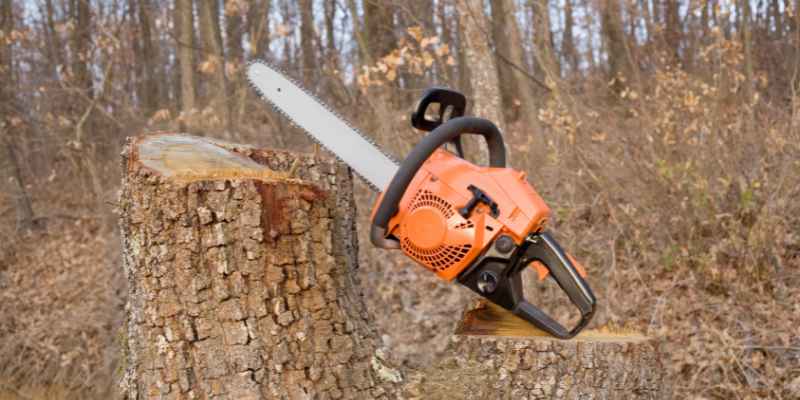
If you’re having trouble starting your Husqvarna chainsaw, it can be frustrating and time-consuming. One of the most common reasons for a chainsaw not starting is ignition failure. Ignition failures can stem from various issues, including spark plug problems and a faulty ignition system. In this section, we will explore these common ignition failures and provide some troubleshooting tips to get your chainsaw up and running again.
Spark Plug Issues
A spark plug plays a crucial role in the ignition process of your Husqvarna chainsaw. Over time, spark plugs can become dirty or worn out, leading to ignition problems. Here are some common spark plug issues that can prevent your chainsaw from starting:
- Dirty spark plug: If the spark plug is covered in dirt or debris, it may not produce a strong spark, hindering the ignition process. Regularly cleaning or replacing the spark plug can help resolve this issue.
- Worn-out spark plug: Over time, spark plugs can wear out and lose their ability to generate a strong spark. If you notice signs of wear, such as a damaged electrode or excessive carbon buildup, replacing the spark plug is necessary.
- Incorrect spark plug gap: The spark plug gap refers to the distance between the center and ground electrode. If the gap is too wide or too narrow, it can affect the spark’s efficiency. Consult your Husqvarna chainsaw’s manual to ensure the spark plug gap is set correctly.
Faulty Ignition System
The ignition system of your Husqvarna chainsaw consists of various components, including the ignition coil, flywheel, and kill switch. A faulty ignition system can prevent the proper generation and distribution of sparks, causing startup issues. Here are some common problems associated with a faulty ignition system:
- Defective ignition coil: The ignition coil is responsible for generating the electrical charge needed to create a spark. If the coil is damaged or worn out, it may not produce sufficient voltage, leading to ignition failure. Replacing the ignition coil is often necessary to resolve this issue.
- Malfunctioning flywheel: The flywheel is a rotating component that interacts with the ignition coil to generate sparks. If the flywheel is damaged or misaligned, it can disrupt the ignition process. Inspecting and repairing or replacing the flywheel can help restore proper ignition.
- Faulty kill switch: The kill switch is designed to shut off the chainsaw’s engine when engaged. However, if the kill switch is faulty or stuck in the off position, it can prevent the ignition system from activating. Check the kill switch for any damage or debris that may be obstructing its functionality.
If you’re experiencing ignition failures with your Husqvarna chainsaw, it’s essential to address the issue promptly to avoid further damage or delays in your work. By identifying and troubleshooting common spark plug issues and faulty ignition system components, you can increase the chances of getting your chainsaw back to working order.
Fuel System Complications
The fuel system of your Husqvarna chainsaw is crucial for its proper functioning. However, there can be complications within the fuel system that prevent your chainsaw from starting. In this section, we will explore three common fuel system complications that could be causing the issue.
Clogged Fuel Filter
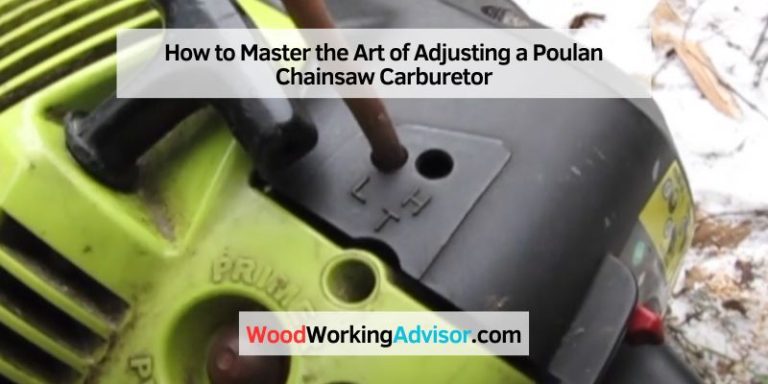
A clogged fuel filter is a common reason why your Husqvarna chainsaw may not start. The fuel filter plays a vital role in preventing dirt and debris from entering the engine. Over time, the filter can become clogged, restricting the flow of fuel and causing starting problems.
To check if the fuel filter is clogged, follow these steps:
- Locate the fuel filter, typically found inside the fuel tank.
- Remove the fuel filter and inspect it for any signs of blockage.
- If the filter appears dirty or clogged, it is recommended to replace it with a new one.
Carburetor Malfunctions
The carburetor is responsible for mixing fuel and air in the correct proportions before it enters the engine. If the carburetor malfunctions, it can lead to starting issues with your chainsaw.
Here are a few troubleshooting steps to address carburetor malfunctions:
- Inspect the carburetor for any visible signs of damage or blockage.
- Clean the carburetor using a carburetor cleaner spray, following the manufacturer’s instructions.
- If cleaning doesn’t resolve the issue, it may be necessary to replace the carburetor.
Impaired Fuel Lines
The fuel lines carry the fuel from the tank to the carburetor. If the fuel lines are damaged, cracked, or improperly connected, it can prevent fuel from reaching the engine, resulting in starting problems.
Consider the following steps to address impaired fuel lines:
- Inspect the fuel lines for any visible signs of damage, such as cracks or leaks.
- If any damage is detected, replace the damaged fuel lines with new ones.
- Ensure that the fuel lines are correctly connected to both the fuel tank and the carburetor.
By addressing these fuel system complications, you can increase the chances of getting your Husqvarna chainsaw up and running smoothly again.
Air Flow Problems
Air flow problems are a common cause of starting issues in Husqvarna chainsaws. These problems can manifest in various ways, such as blockages in the air filter or obstructions in the exhaust port. Addressing these issues is crucial to ensure proper air flow, which is essential for the engine to start and run smoothly.
Air Filter Blockages
One of the most common air flow problems in Husqvarna chainsaws is a clogged air filter. This can restrict the flow of air into the engine, resulting in difficulty starting the chainsaw. Regular maintenance and cleaning of the air filter are necessary to prevent blockages from occurring. When the air filter becomes clogged with dirt, sawdust, or debris, it must be cleaned or replaced to restore proper air flow.
Exhaust Port Obstructions
Obstructions in the exhaust port can also impede air flow and cause starting issues in Husqvarna chainsaws. Debris or carbon buildup can accumulate in the exhaust port over time, restricting the expulsion of exhaust gases and disrupting the engine’s operation. Regular inspection and cleaning of the exhaust port are essential to ensure unobstructed airflow and prevent starting problems.
Starting Technique Mistakes
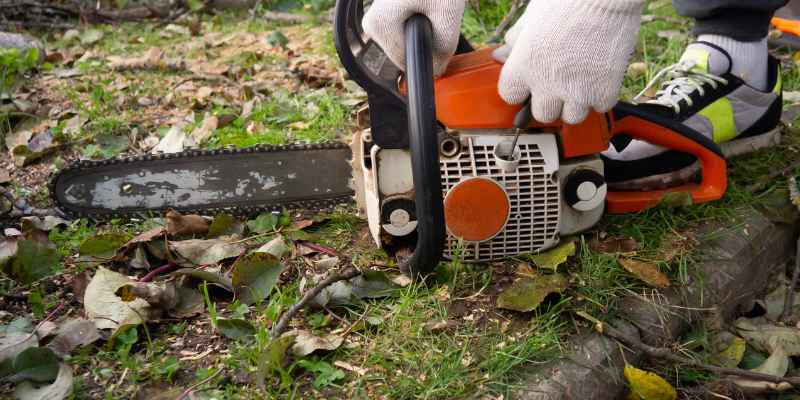
Having trouble starting your Husqvarna chainsaw? Don’t worry, you’re not alone. Many owners face this frustrating issue, but the good news is that it can often be resolved by avoiding some common starting technique mistakes. In this section, we’ll discuss two key mistakes that might be preventing your chainsaw from starting: improper choke use and incorrect starting procedure.
Improper Choke Use
One of the main reasons why your Husqvarna chainsaw may not start is due to improper choke use. The choke is a crucial component that helps regulate the air and fuel mixture during startup. If it’s not used correctly, it can disrupt the starting process.
Here are some common mistakes to avoid when using the choke:
- Keeping the choke closed for too long: It’s important to remember that the choke should only be closed during the initial startup. Once the chainsaw is running smoothly, the choke should be gradually opened to allow for proper airflow.
- Leaving the choke closed during warm starts: If you’ve recently used your chainsaw and it’s still warm, there’s no need to fully close the choke. Doing so can flood the engine with fuel, making it difficult to start.
Incorrect Starting Procedure
Another common mistake that can prevent your Husqvarna chainsaw from starting is an incorrect starting procedure. If you’re not following the proper steps, you may inadvertently hinder the startup process.
Here’s the correct procedure for starting your chainsaw:
- Check the fuel and oil levels: Before starting your chainsaw, ensure that it has enough fuel and oil. Low levels can impact the chainsaw’s performance and make starting difficult.
- Prime the fuel system: If your chainsaw has a primer bulb, press it several times to help fuel reach the carburetor.
- Engage the chain brake: Activate the chain brake by pushing it forward, ensuring that it’s engaged for safety.
- Set the choke: Depending on the temperature, set the choke to the appropriate position for starting. Refer to your chainsaw’s manual for guidance.
- Pull the starter cord: With a firm grip on the chainsaw, pull the starter cord in a controlled manner until the engine ignites.
- Gradually open the choke: Once the chainsaw is running smoothly, gradually open the choke to allow for proper airflow.
By avoiding these starting technique mistakes, you can increase the chances of your Husqvarna chainsaw starting up smoothly and efficiently. Remember to consult your chainsaw’s manual for specific instructions tailored to your model. Happy cutting!
Electrical Component Glitches
Electrical component glitches are a common reason behind the failure of a Husqvarna chainsaw to start. Understanding these glitches can help you troubleshoot the issue effectively and get your chainsaw up and running in no time.
Defective On/off Switch
A defective on/off switch can prevent the chainsaw from starting. Inspect the on/off switch for any visible damage or signs of wear. If the switch appears to be faulty, it may need to be replaced to restore proper functionality to the chainsaw.
Wiring Issues
Wiring problems can also impede the starting process of a Husqvarna chainsaw. Check the wiring connections to ensure they are secure and free of any damage. Loose or damaged wires can disrupt the electrical flow, leading to starting issues. If any issues are found, they should be addressed promptly to restore the chainsaw’s operation.
Mechanical Failures
Experiencing mechanical failures can prevent your Husqvarna chainsaw from starting. Common issues like spark plug problems or fuel line blockages could be the culprits. Ensure proper maintenance and troubleshooting to get your chainsaw up and running smoothly.
Worn Out Starter Assembly
A common reason for a Husqvarna chainsaw not starting is a worn out starter assembly.
Damaged Flywheel
If the flywheel is damaged, the chainsaw may fail to start properly.
Environmental Factors Affecting Start
Environmental factors play a crucial role in the starting of your Husqvarna chainsaw. Understanding how temperature and altitude affect the performance of your chainsaw can help troubleshoot issues effectively.
Temperature Effects
Extreme temperatures can impact the starting mechanism of your chainsaw. Cold temperatures can cause fuel to evaporate slowly, making it harder to ignite. Hot temperatures can lead to vapor lock in the fuel system, hindering the starting process.
Altitude Adjustments
Changes in altitude can affect the air-fuel mixture in your chainsaw’s engine. At higher altitudes, where the air is thinner, the engine may receive less oxygen, causing starting difficulties. Lower altitudes may lead to a rich air-fuel mixture, affecting combustion.
Frequently Asked Questions
Why Is My Husqvarna Chainsaw Not Starting?
Your Husqvarna chainsaw may not start due to issues like a clogged fuel filter, spark plug problems, or a flooded engine. Check these components for proper functioning.
How Can I Troubleshoot My Husqvarna Chainsaw Starting Issues?
To troubleshoot starting problems, ensure the fuel tank is filled, the air filter is clean, the spark plug is working, and the engine has sufficient compression.
What Should I Do If My Husqvarna Chainsaw Doesn’t Start After Winter?
After winter storage, drain old fuel, clean the air filter, check the spark plug, and use fresh fuel mix for easier starting of your Husqvarna chainsaw.
Conclusion
Troubleshooting a Husqvarna chainsaw that won’t start can be frustrating, but with the right approach, it is possible to resolve the issue. By following the steps outlined in this blog post, you can diagnose and fix common problems, ensuring your chainsaw is ready for action when you need it.
With proper maintenance and attention to detail, you can keep your Husqvarna chainsaw running smoothly for years to come.