Are Stihl Chainsaws Good? Real Specs, Pricing, and Where You Can Actually Buy One
Yes, Stihl chainsaws are good – they are the best-selling gas chainsaw brand in the United States, and both homeowners and working arborists rate them highly for starting reliability, cutting power, and how long the engine lasts between rebuilds. The catch: Stihl does not sell through Amazon, Home Depot, or Lowe’s, so buying one means visiting an authorized dealer, and that dealer-only model is exactly why owners report better long-term support than with big-box brands.
Founded in Germany in 1926 by engineer Andreas Stihl, the company built the first electric chainsaw two years later and has stayed privately family-owned ever since – a rarity in an industry now dominated by public conglomerates. That independence shows up in the products: Stihl still designs and tests its own engines rather than rebadging outsourced ones, which is a big part of why the brand has held the #1 U.S. chainsaw market share spot for decades running.
Why Stihl Has the Reputation It Does
Genuine Stihl Part Worth Keeping On Hand
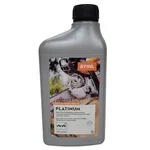 |
Stihl Platinum Bar And Chain Lubricant, 1 Quart – $17.98 Stihl doesn’t sell chainsaws on Amazon – dealers only – but this is genuine OEM Stihl bar oil, and keeping your saw properly lubricated is the single biggest factor in how long any chainsaw bar and chain actually lasts.
|
Ask a working arborist why they run Stihl and the answer is rarely “the marketing.” It’s usually three things: the saw starts on the first or second pull even when it’s been sitting cold for a month, the engine keeps its compression well past the point where a cheaper saw needs a rebuild, and the local dealer stocks the exact carburetor kit or chain the tech needs the same day. Forums like TractorByNet and arborist trade boards consistently rank Stihl and Husqvarna as the two brands “real” quality is judged against – everything else is compared down from there.
That doesn’t mean the brand is flawless. The most common complaint from owners isn’t reliability – it’s price. A Stihl homeowner saw routinely costs 20–40% more than a comparable Poulan, Craftsman, or Echo model at a hardware store. Some owners of Stihl’s smallest saws (the MS 170 line) also dislike the narrow-gauge “picco” chain those models ship with, since replacement chains and files for it are slightly less common on shelves than the standard 3/8″ chain used on midsize models.
The Model Lineup, With Real Specs
Stihl’s homeowner and semi-pro lineup breaks down by engine displacement, which is the number that actually predicts how a saw will handle a given job – not the bar length alone.
| Model | Engine Size | Bar Length | Best For |
|---|---|---|---|
| MS 170 | 30.1cc | 12–16″ | Light yard work, small branches, occasional use |
| MS 250 | 45.4cc | 16–18″ | Firewood cutting, general homeowner use |
| MS 271 Farm Boss | 50.2cc | 16–20″ | Land clearing, larger firewood jobs, small farms |
| MS 362 | 59.0cc | 16–25″ | Semi-professional felling and limbing |
As a rule of thumb: under 40cc is a homeowner-grade saw for branches and small firewood rounds, 40–55cc covers most residential land-clearing and larger firewood work, and anything above 55cc starts to move into semi-professional felling territory where bar length becomes a real safety consideration, not just a spec.
What Actually Makes the Engineering Different
Two features show up across nearly the entire current Stihl lineup and explain a lot of the day-to-day experience owners report. The first is the ErgoStart system, a spring-assisted recoil starter that cuts the pull force needed to start the engine by roughly 40% compared to a standard recoil – genuinely useful if you’re starting a cold saw one-handed while bracing a log with the other. The second is Stihl’s 2-MIX engine technology, which uses a scavenging pre-chamber to reduce unburned fuel loss through the exhaust port, cutting fuel consumption and emissions by around 20% versus an older-generation two-stroke engine of the same displacement, without giving up power.
Neither feature is unique to Stihl in concept – Husqvarna has its own X-Torq equivalent – but the fit and finish of how they’re implemented, and the QA behind the castings and seals, is where owners say the difference actually shows up after a few hundred hours of use.
Where You Can (And Can’t) Buy One
This is the part most reviews skip: you cannot buy a new Stihl chainsaw on Amazon, at Home Depot, at Lowe’s, or at Walmart. Stihl sells exclusively through a network of independent authorized dealers – small engine shops, farm supply stores, and dedicated outdoor power equipment retailers – and has held to that policy since the 1970s. Amazon does carry genuine Stihl accessories (bar oil, 2-cycle mix, files, replacement chains), but the saws themselves aren’t there, and any “Stihl chainsaw” listing you do see on a marketplace outside Stihl’s own dealer locator should be treated as a red flag for counterfeit or gray-market goods.
The upside of the dealer-only model is service: a Stihl dealer typically does its own warranty repairs and carb tuning in-house, stocks OEM parts specific to the models it sells, and will often do a quick chain sharpening or air filter check while you wait. That’s a meaningfully different ownership experience than mailing a saw back to a big-box manufacturer’s service center.
Keeping a Stihl Running Long-Term
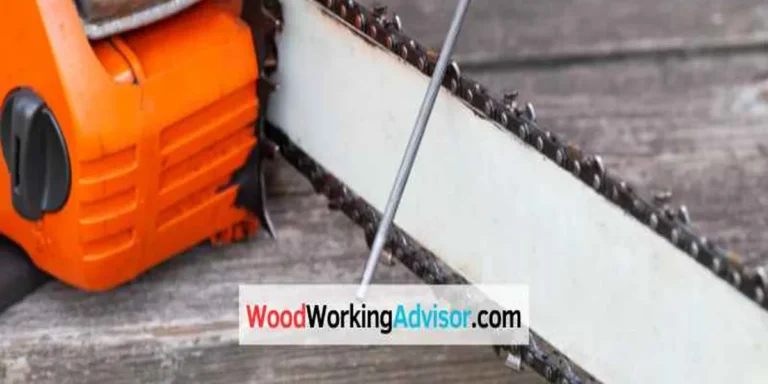
Most of what shortens a chainsaw’s life is neglect, not a manufacturing defect. Clean the air filter every few tanks of fuel – a clogged filter starves the engine and is the single most common cause of hard starting on any two-stroke saw. Use fresh, properly mixed 50:1 fuel (old gas that’s sat for more than 30 days starts to break down and gum up the carburetor). Keep the bar and chain oiled continuously while cutting; running a chain dry for even a few minutes accelerates bar wear dramatically, and a properly tensioned, freshly sharpened chain cuts faster with less strain on the engine. And store the saw with the fuel tank empty if it won’t be used for more than a month, since ethanol-blended gasoline left in a carburetor is the number-one cause of small-engine repair shop visits industry-wide.
Stihl vs. the Alternatives
Husqvarna is the one brand most owners and dealers treat as a genuine peer rather than a step down – the two brands trade the #1 and #2 U.S. market share spots and go head-to-head on engineering, with the real difference usually coming down to dealer availability in your area and personal ergonomic preference rather than a clear quality gap. Echo is generally considered the best value tier below that: not quite the same fit-and-finish, but genuinely durable and sold at both dealers and some big-box stores, which makes parts easier to find in a pinch. Budget brands like Poulan, Craftsman, and most battery-powered chainsaws under $150 are built to a lower duty-cycle standard and are fine for a homeowner who cuts a few branches a year, but they are not a substitute for a Stihl or Husqvarna if you’re processing multiple cords of firewood annually or doing any regular land-clearing work.
Frequently Asked Questions
Are Stihl chainsaws reliable for professional use?
Yes. Stihl’s mid-size and larger saws (MS 271 and up) are built for daily commercial use, and many professional arborists and tree services run them for years between major rebuilds. Reliability at that level still depends on regular maintenance – air filter cleaning, fresh fuel, and proper chain tension – but the engines themselves are rated for sustained heavy-duty cycles, not just occasional homeowner use.
Can you buy a Stihl chainsaw on Amazon?
No. Stihl sells chainsaws exclusively through authorized independent dealers and does not permit its saws to be sold on Amazon, at Home Depot, at Lowe’s, or at Walmart. Amazon does carry genuine Stihl accessories like bar oil and 2-cycle engine oil, but any full chainsaw listed as “Stihl” on a general marketplace outside an authorized dealer’s own site should be treated with suspicion.
How does Stihl compare to Husqvarna?
Stihl and Husqvarna are widely considered the two top-tier chainsaw brands, and most dealers and professionals treat them as genuine peers rather than one being clearly better. Stihl uses ErgoStart and 2-MIX engine technology; Husqvarna’s equivalents are X-Torq and various anti-vibration systems. In practice, the choice usually comes down to which brand has a better-stocked dealer near you and which saw feels more comfortable in your hands, rather than a measurable quality gap.
What is the lifespan of a Stihl chainsaw?
With regular maintenance – clean air filters, fresh fuel mix, and proper bar oiling – a Stihl gas chainsaw commonly lasts well over a decade of regular use, and many owners report running the same saw for 15-20 years with only routine part replacement (spark plugs, chains, bars). Neglecting fuel and filter maintenance is by far the most common reason a Stihl saw fails early.
The Bottom Line
Stihl earns its reputation on engine longevity, starting reliability, and dealer support rather than on being the cheapest option in the aisle – mainly because there is no aisle. If you’re processing real volumes of wood or doing this for a living, that dealer-only model and the price premium that comes with it are worth it. If you’re cutting a few branches a year, a lighter homeowner-grade saw from any reputable brand will do the job, and the money saved is better spent on proper PPE and bar oil than on brand name alone.
Sponsored / affiliate links. As an Amazon Associate I earn from qualifying purchases. I may earn additional commission from eligible campaigns.