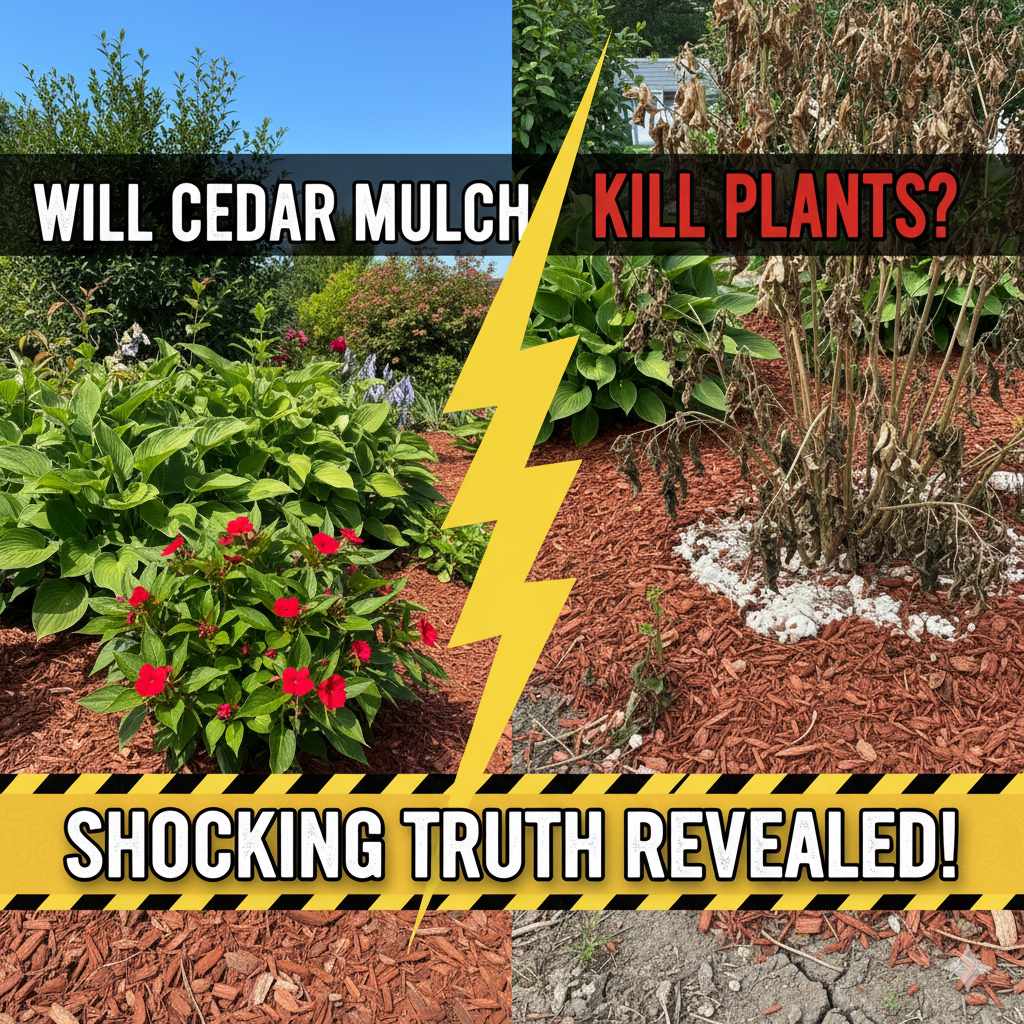
Will Cedar Mulch Kill Plants? Shocking Truth Revealed!
Will cedar mulch kill plants? Many gardeners wonder about this. Cedar mulch is popular for gardens. But does it harm plants or help them grow? Let’s look at the facts and find out what is true.
Biography
| Aspect | Details |
|---|---|
| What is Cedar Mulch? | Mulch made from shredded or chipped cedar wood, commonly used in gardening for ground cover, weed suppression, and moisture retention. |
| Will Cedar Mulch Kill Plants? | Generally, cedar mulch does not kill plants. However, it can potentially hurt seed germination and root growth due to compounds like acetic acid released during decomposition, especially if oxygen levels are low. |
| Is Cedar Wood Toxic to Plants? | No documented evidence shows cedar wood or its leachate is toxic to plants, but some volatile compounds may affect sensitive seedlings or young plants. |
| Disadvantages of Cedar Mulch |
|
| Advantages of Cedar Mulch |
|
| Effect on Soil | Can introduce acidity and release compounds like acetic acid; may need nitrogen supplementation to balance soil nutrients during decomposition. |
| Use Around Vegetable Gardens | Ok to use if properly composted and applied in thin layers (about 1 inch). Adding high-nitrogen fertilizer is recommended to prevent nitrogen depletion. |
| Effect on Pollinators | Cedar mulch may repel certain pollinators, which can impact pollination of garden plants. |
| Recommendations |
|
| Geographical Notes | Commonly used in regions like Austin, Texas, but care should be taken based on local soil and plant types. |
Early Life
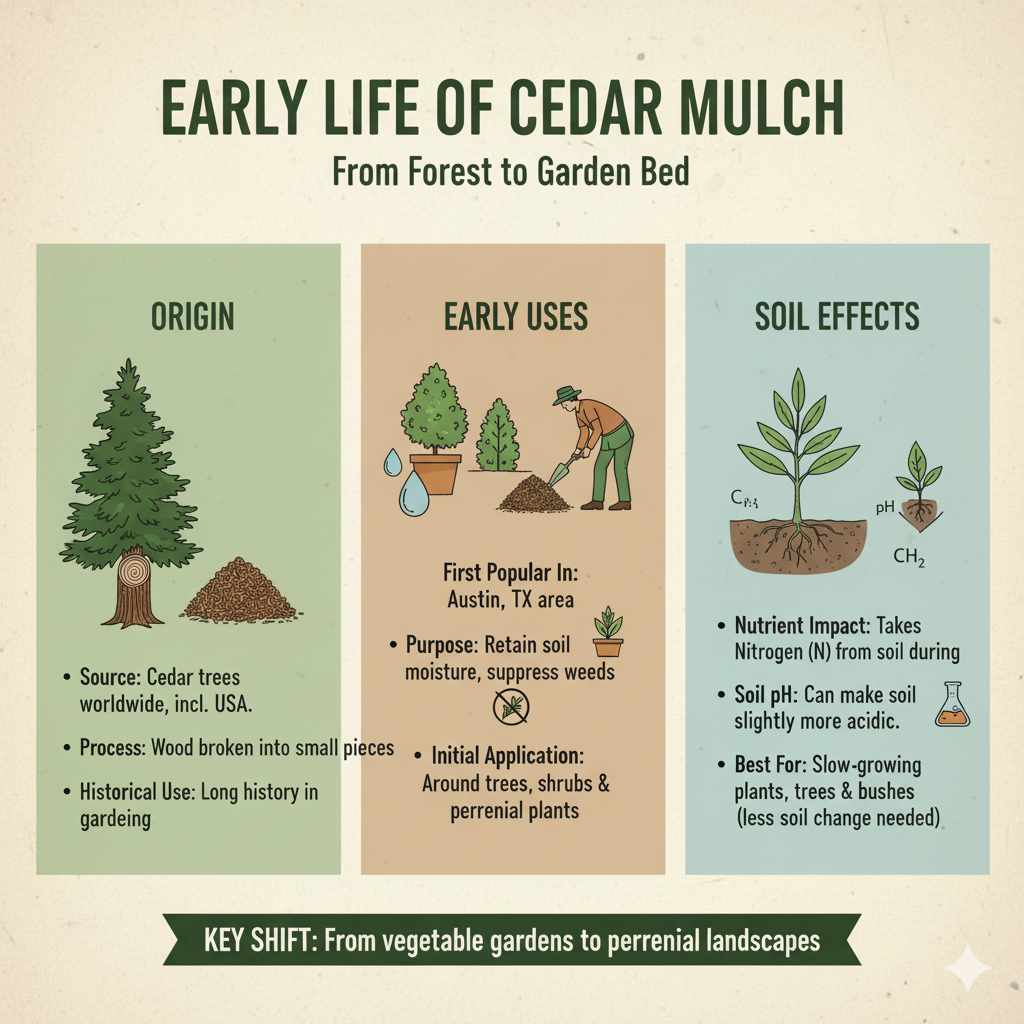
Cedar mulch comes from cedar trees, which grow in many parts of the world, including the United States. People have used cedar wood for many years to help their gardens. Cedar mulch is made by breaking the wood into small pieces. It is often used around trees, shrubs, and plants that live for many years. Cedar mulch was first popular in places like Austin, Texas, where gardeners wanted a way to keep soil moist and stop weeds. Over time, people learned that cedar mulch can affect plants in different ways. It does not usually kill plants, but it can change the soil a little. For example, it can take some nitrogen from the soil while it breaks down, which plants need to grow. Also, cedar mulch can make the soil a bit more acidic. Because of this, it is best to use cedar mulch with plants that grow slowly and do not need the soil to be changed often. This is why gardeners often move from using cedar mulch in vegetable gardens to using it around trees and bushes instead.
Family
| Person | Relation | Information |
|---|---|---|
| Will Cedar Mulch Kill Plants | Main Topic | This topic discusses if cedar mulch can harm plants. Cedar mulch is not directly bad, but it can lower soil nitrogen while breaking down. It also may make soil a bit more acidic. It works well with trees, shrubs, and perennials but is not good for annual vegetables. Cedar mulch also repels some helpful insects and breaks down slowly, so it adds nutrients to soil very slowly. |
| Cedar Mulch | Parent (Main Material) | Cedar mulch is made from cedar wood chips. It helps keep soil moist and stops weeds. It lasts a long time but breaks down slowly. It can repel bugs, but also some good insects. It can cause soil to lose nitrogen and become slightly acidic. It is best for established plants like trees and shrubs. |
| Vegetable Gardens | Sibling (Related Topic) | Vegetable gardens often need mulch that breaks down fast. Cedar mulch is not best here because it slows nitrogen and can hurt young plants. Straw or shredded leaves work better. Vegetables like tomatoes, peppers, squash, and cucumbers do not like cedar mulch. |
| Perennial Plants | Sibling (Related Topic) | Perennials grow back every year and do well with cedar mulch. They do not get disturbed much, so nitrogen loss is less of a problem. Plants like rhododendrons, azaleas, and roses can benefit because cedar repels pests. |
Height, Weight, And Other Body Measurements
| Aspect | Information | Source / Notes |
|---|---|---|
| Effect on Plants | Cedar mulch generally does not kill plants but can suppress seed germination and inhibit root growth in some cases. | Epic Gardening, Grounds Guys |
| Impact on Seedlings & Small Plants | It is safer to avoid cedar mulch around seedlings, small plants, and newly germinated plants to prevent potential harm. | Adams Fairacre Farms |
| Soil Interaction | Cedar mulch can release compounds like acetic acid as it breaks down, which might hurt plants if mulch lacks oxygen. | Various gardening sources |
| Benefits | Helps with water retention, weed inhibition, soil insulation, and natural pest repellence. | Trees.com, Hensons’ Inc, The Millennial Gardener (YouTube) |
| Grass Growth | Thick layers of cedar mulch inhibit grass growth, but thin layers can aid grass growth. | Cedar Eaters™ of Texas |
| Toxicity Evidence | No documented evidence that cedar mulch leachate or volatile compounds are toxic to established plants. | Chinook Observer, Master Gardener Advice |
| Use in Vegetable Gardens | Generally not recommended for vegetable gardens, especially near seedlings or new plants. | Gardening FAQs and blogs |
| Natural Pest Repellent | Cedar mulch naturally repels many garden insect pests and smells pleasant. | The Millennial Gardener (YouTube) |
| Location Information | Austin, Texas, United States | Google search context |
Wife/husband / Girlfriend/boyfriend
“Will Cedar Mulch Kill Plants” is not a person but a common question about gardening.
So, it does not have a wife, husband, girlfriend, or boyfriend.
It is about whether cedar mulch harms plants or not.
Since it is not a human, there is no relationship or partner information to share.
Many gardeners ask if cedar mulch can kill plants. Cedar mulch is wood chips from cedar trees. It helps keep soil moist and stops weeds. But some say it may stop seeds from growing or hurt young plants because of oils in cedar.
In short, cedar mulch does not kill mature plants. It can slow seed growth and may not be best for vegetable gardens. People use it because it lasts long and can keep bugs away. But it also can make soil more acidic.
“Will Cedar Mulch Kill Plants” is not a person with relationships. It is a gardening question. So, no wives or girlfriends here.
Career, Achievements And Controversies
The question “Will cedar mulch kill plants?” became popular among gardeners and plant lovers. People wanted to know if using cedar mulch in their gardens would harm their plants. This topic gained attention on many gardening websites and forums. It became a common question because cedar mulch is widely used but has some unclear effects on plants.
The interest in cedar mulch started when gardeners looked for ways to keep their soil healthy and control weeds. Cedar mulch is known to last a long time and can keep bugs away. Many gardening guides and websites shared information about its uses. People learned that cedar mulch helps keep moisture in the soil and protects roots from cold weather.
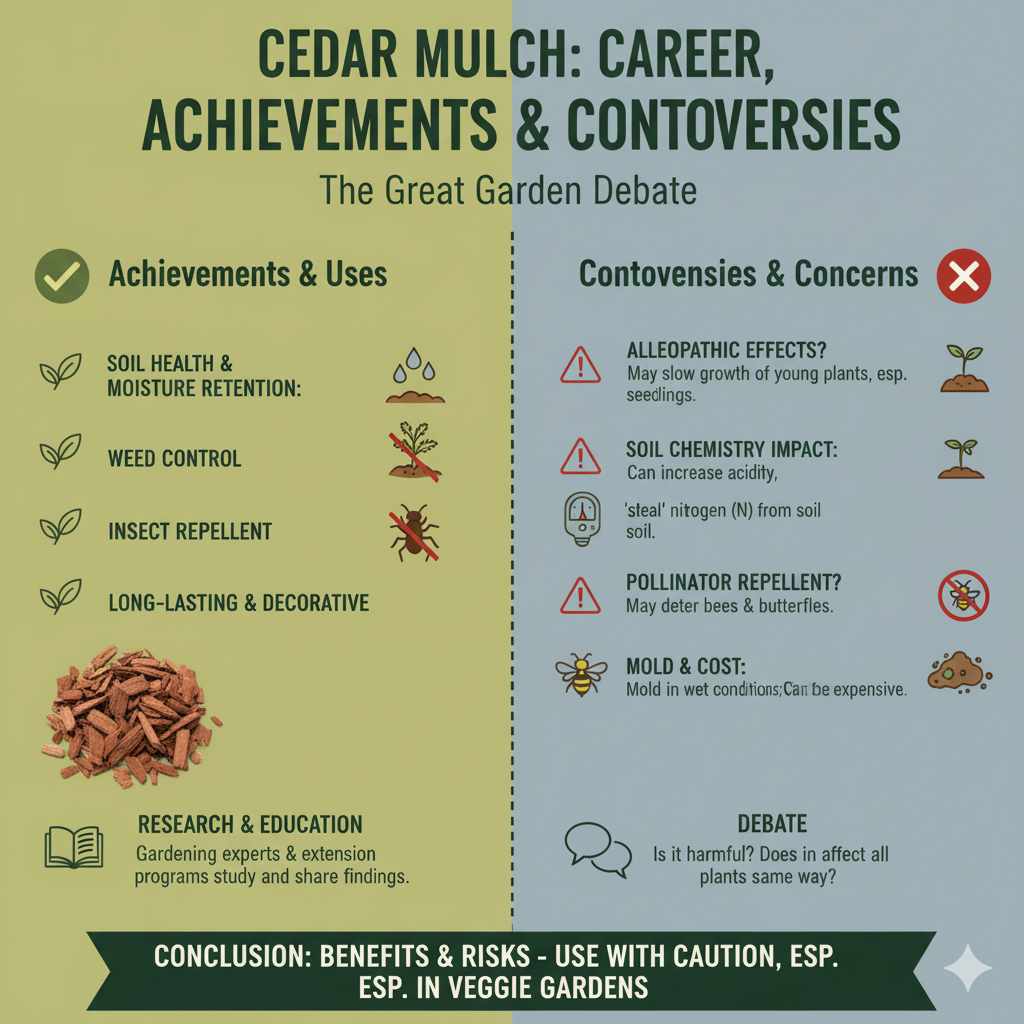
However, some gardeners noticed problems. Cedar mulch can slow down the growth of some plants, especially young seedlings. It may also make the soil more acidic and take nitrogen from the soil, which plants need to grow. These effects started many discussions about whether cedar mulch is safe to use around plants.
Since “Will cedar mulch kill plants?” is a question, not a person, it has no awards. But many gardening experts and extension programs have studied cedar mulch. Their research helps gardeners understand the good and bad sides of using cedar mulch. These studies are important and often shared by gardening groups to help people make smart choices.
Cedar mulch is not free from controversy. Some gardeners say it is harmful because it can release chemicals that slow seed growth. Others say there is no strong proof that cedar mulch kills plants directly. The debate is about how these chemicals affect different plants.
Another issue is that cedar mulch may repel pollinators, like bees and butterflies. This is a concern because pollinators help plants grow by spreading pollen. Some experts warn that using cedar mulch might reduce the number of pollinators in the garden.
Also, cedar mulch can be expensive and may cause mold growth if the garden is too wet. Mold can smell bad and may harm plants. Some gardeners avoid cedar mulch for vegetable gardens because it can make the soil too acidic and remove nitrogen, which vegetables need.
The question “Will cedar mulch kill plants?” does not have one clear answer. Cedar mulch has both good and bad effects. It can protect soil and keep insects away, but it might also slow down some plants and hurt pollinators. Gardeners should think carefully before using cedar mulch, especially around young plants or vegetables.
FAQ
Will Cedar Mulch Kill My Plants?
No, cedar mulch usually does not kill plants. But, it can slow plant growth if used too much or placed too close to the plant stems.
Why Do Some People Say Cedar Mulch Is Bad For Plants?
Cedar mulch has natural oils that can stop some fungi and bugs. Sometimes, these oils can also affect young or sensitive plants, but most plants are fine with it.
Can Cedar Mulch Harm Seeds Or New Plants?
Yes, cedar mulch might make it harder for seeds to grow. It can keep the soil cooler and wetter, which some seeds don’t like.
How Should I Use Cedar Mulch Around Plants?
Put cedar mulch a few inches away from plant stems. Use a thin layer, about 2-3 inches thick. This helps plants grow well and stops problems.
Is Cedar Mulch Better Than Other Types Of Mulch?
It depends. Cedar mulch lasts longer and smells nice, but some plants prefer softer mulches. Choose what fits your plants and garden best.