Can Cedar Fever Actually Cause a Fever? What Doctors Say
No, despite the name, cedar fever does not cause an actual fever. It’s a seasonal pollen allergy, not an infection, so it doesn’t raise your body temperature the way the flu or a cold does.
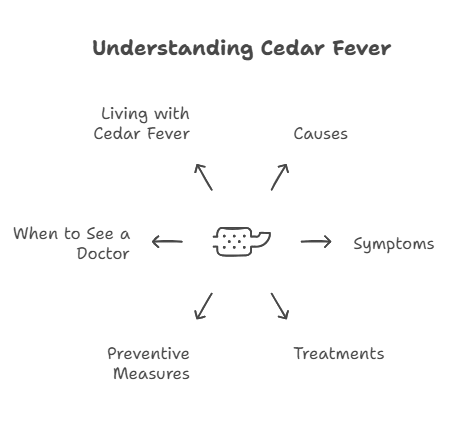
Cedar fever gets its misleading name from how rough it can feel: body aches, fatigue, and a general run-down feeling that mimics the flu. But the mechanism is completely different. Cedar fever is your immune system overreacting to mountain cedar (Ashe juniper) pollen, not a virus or bacteria multiplying in your body. That distinction matters for how you treat it — and for knowing when symptoms are severe enough to actually see a doctor.
What Cedar Fever Actually Is
Best Indoor Pollen Reduction for Cedar Season
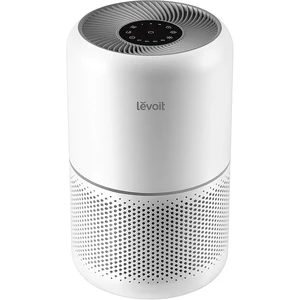 |
LEVOIT Core 300-P HEPA Air Purifier – $84.99 Since most cedar fever exposure happens indoors once pollen tracks in on clothes and hair, a true HEPA purifier in your bedroom cuts down on overnight symptoms.
|
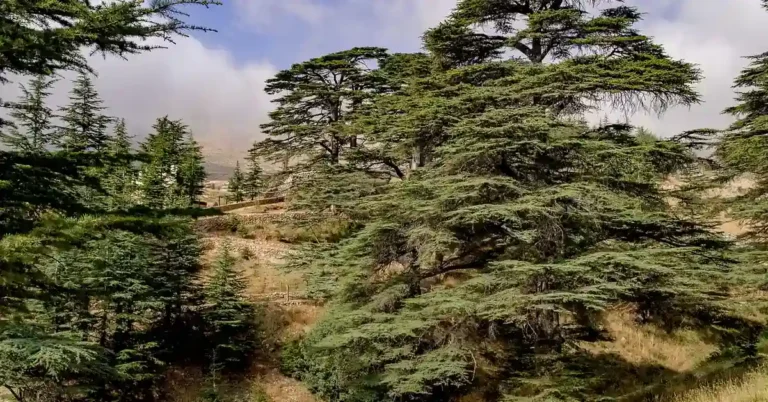
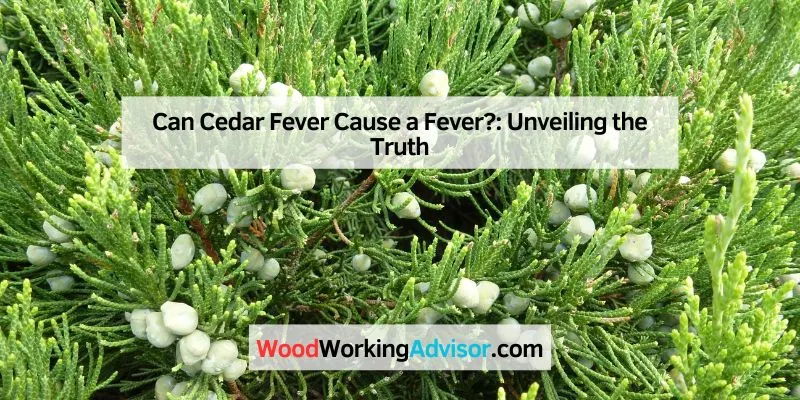
Cedar fever is an allergic reaction to pollen released by mountain cedar trees (technically Ashe juniper, not a true cedar) during their winter pollination season, typically mid-December through February across central Texas and parts of Oklahoma. A single mature tree can release enormous clouds of pollen on a dry, windy day, and the count regularly reaches levels high enough to trigger symptoms in people who don’t normally consider themselves allergy-prone.
Your immune system treats that pollen as a threat and releases histamine to fight it off. Histamine is what causes the classic allergy symptoms — sneezing, itchy or watery eyes, a runny or stuffy nose, and a scratchy throat. In some people, the inflammation and fatigue from that immune response is intense enough to feel flu-like, which is where the “fever” in the name comes from, even though no actual fever is present in most cases.
Why It Can Feel Like a Fever Even Though It Isn’t One
A true fever means your core body temperature has risen above the normal range, usually as your immune system fights an infection. Standard cedar fever does not do this. What it does cause is a cluster of symptoms that overlap with how a mild fever feels: body aches, fatigue, a heavy head, and sometimes chills from constant congestion. If you actually take your temperature during a bad cedar fever flare, it should read normal or close to it.
There is one important exception worth flagging clearly: a genuine fever (a measured temperature above about 100.4°F/38°C) during cedar season is more likely a sign of a secondary sinus infection or a separate viral illness that showed up at the same time as your allergies — not the pollen allergy itself. Allergies can inflame your sinuses enough to make a bacterial sinus infection more likely, so a real fever on top of typical cedar fever symptoms is a signal to get checked, not something to wait out.
Recognizing Cedar Fever vs. a Cold or Flu
Three clues reliably separate cedar fever from a cold or the flu:
- Timing — cedar fever is tied tightly to mountain cedar pollen season (roughly December through February in central Texas); colds and flu circulate year-round but peak in winter for different reasons.
- No measured fever — a cold or flu commonly does raise your actual temperature; cedar fever typically doesn’t.
- Duration tied to pollen count — cedar fever symptoms track the daily pollen count (worse on dry, windy days, better after rain washes pollen out of the air) rather than running a fixed 5-10 day illness course like a cold.
Managing Cedar Fever Symptoms
Most cases respond well to standard seasonal-allergy management:
- Non-sedating antihistamines (cetirizine, loratadine, fexofenadine) for sneezing, itching, and runny nose.
- Nasal corticosteroid sprays (fluticasone, budesonide) for congestion — these are over-the-counter nasal sprays, not injections, and are considered a first-line, low-risk daily option for seasonal allergies when used as directed.
- Saline rinses to physically flush pollen out of nasal passages.
- Checking the daily pollen count and limiting outdoor time on the worst days, showering and changing clothes after being outside.
- A HEPA air purifier indoors to cut down on the pollen that makes it into your bedroom and living space.
A note on injectable corticosteroid shots for allergy relief: some clinics in cedar-fever-heavy regions offer same-day steroid injections during severe flares. These can bring fast relief, but repeated steroid injections carry real risks with regular use — including bone density loss, blood sugar spikes, and adrenal suppression — that don’t apply to over-the-counter nasal sprays. If a clinic recommends repeat injections season after season, that’s worth discussing with an allergist rather than treating as a routine fix; a longer-term option like allergy immunotherapy is often a safer path for people who get hit hard every year.
When to Actually See a Doctor
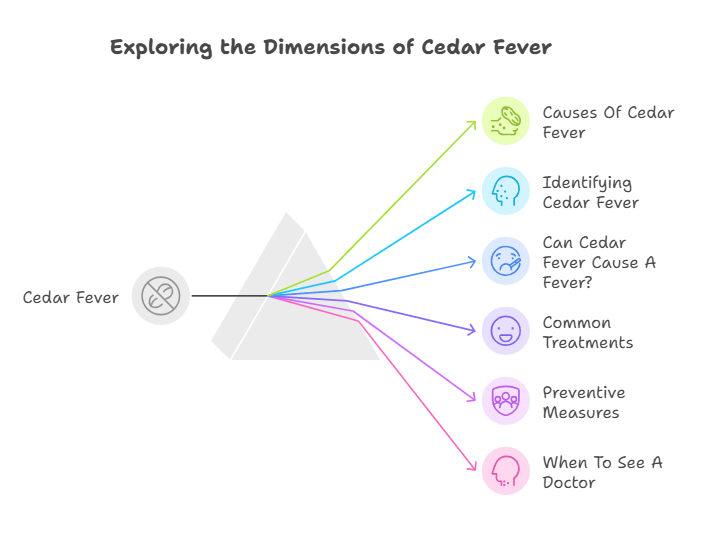
See a doctor if you develop any of these, since they point to something beyond a typical allergy flare:
- A measured fever above 100.4°F (38°C)
- Facial pain or pressure that gets worse instead of better, especially with colored or thick nasal discharge (possible sinus infection)
- Wheezing, chest tightness, or trouble breathing
- Symptoms that drag on well past the end of cedar pollen season
If you know cedar fever hits you hard every year, an allergist can also test for exactly what you’re reacting to and discuss longer-term options like immunotherapy, rather than treating every season as a fresh emergency. (For a broader rundown of symptoms and how long a typical case lasts, see our full guide on how to know if you have cedar fever.)
Frequently Asked Questions
Can Cedar Fever Cause a Fever?
No. Cedar fever is a pollen allergy, not an infection, so it typically does not raise body temperature. It can cause flu-like fatigue and body aches, which is where the misleading name comes from, but an actual measured fever usually points to a separate infection.
What Is Cedar Fever?
Cedar fever is an allergic reaction to mountain cedar (Ashe juniper) pollen, common in central Texas and parts of Oklahoma from roughly December through February. Symptoms include sneezing, itchy eyes, congestion, and fatigue.
How Long Does Cedar Fever Last?
Symptoms generally track the mountain cedar pollen season, roughly December through February, and flare on dry, windy days when pollen counts spike. Individual flares often ease within a day or two after rain clears pollen from the air.
Are Repeated Steroid Shots Safe for Cedar Fever?
Occasional same-day corticosteroid injections can relieve severe flares, but repeated shots season after season carry real risks, including bone density loss and adrenal suppression. Talk to an allergist about longer-term options like immunotherapy if you need relief every year.
Conclusion
Cedar fever earns its name from how miserable it feels, not from an actual rise in body temperature. Treat it like the seasonal pollen allergy it is — antihistamines, nasal sprays, saline rinses, and limiting outdoor exposure on high-pollen days — and see a doctor if you develop a real fever, facial pain, or breathing trouble, since those point to something beyond a typical allergy flare.
Sponsored / affiliate links. As an Amazon Associate I earn from qualifying purchases. I may earn additional commission from eligible campaigns.