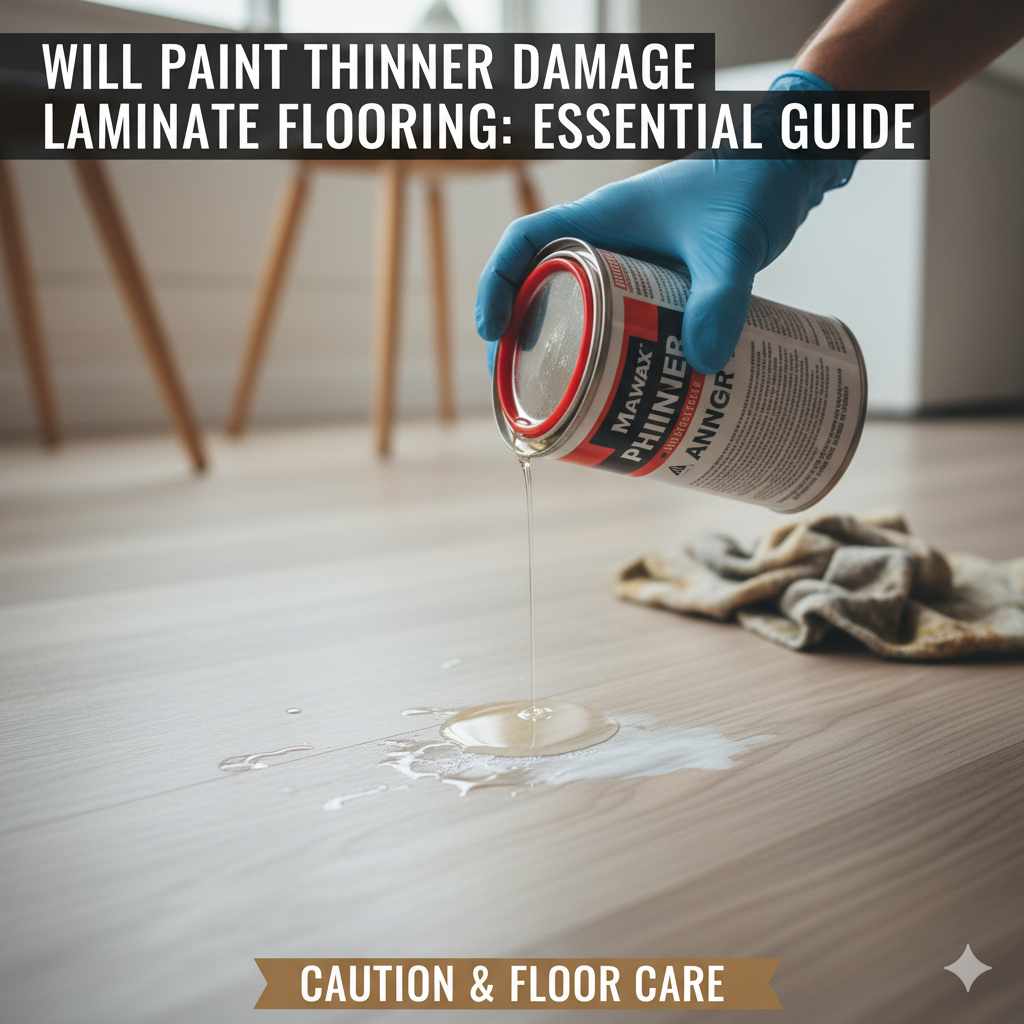
Will Paint Thinner Damage Laminate Flooring: Essential Guide
Paint thinner can definitely harm your laminate flooring, potentially causing permanent damage like dull spots, discoloration, and softened surfaces. It’s crucial to avoid using it for cleaning. This guide explains why and offers safe alternatives to keep your floors looking great.
Hello there! Md Meraj here, your fellow DIY enthusiast and woodworking mentor. I know how frustrating it can be when life happens and you get something unexpected, like paint splatters, on your beautiful floors. Laminate flooring is a popular choice for many homes because it’s durable and looks great, but it can be a bit sensitive to certain cleaning agents. One product that often comes up when dealing with tough stains is paint thinner. Many wonder, “will paint thinner damage laminate flooring?” The short answer is a resounding yes, and it’s not a risk worth taking.
In this guide, we’ll break down exactly why paint thinner is a no-go for laminate and walk you through the best, safest ways to tackle those stubborn marks. We’ll make sure your floors stay protected and looking their best, so you can enjoy your home with confidence.
Understanding Laminate Flooring
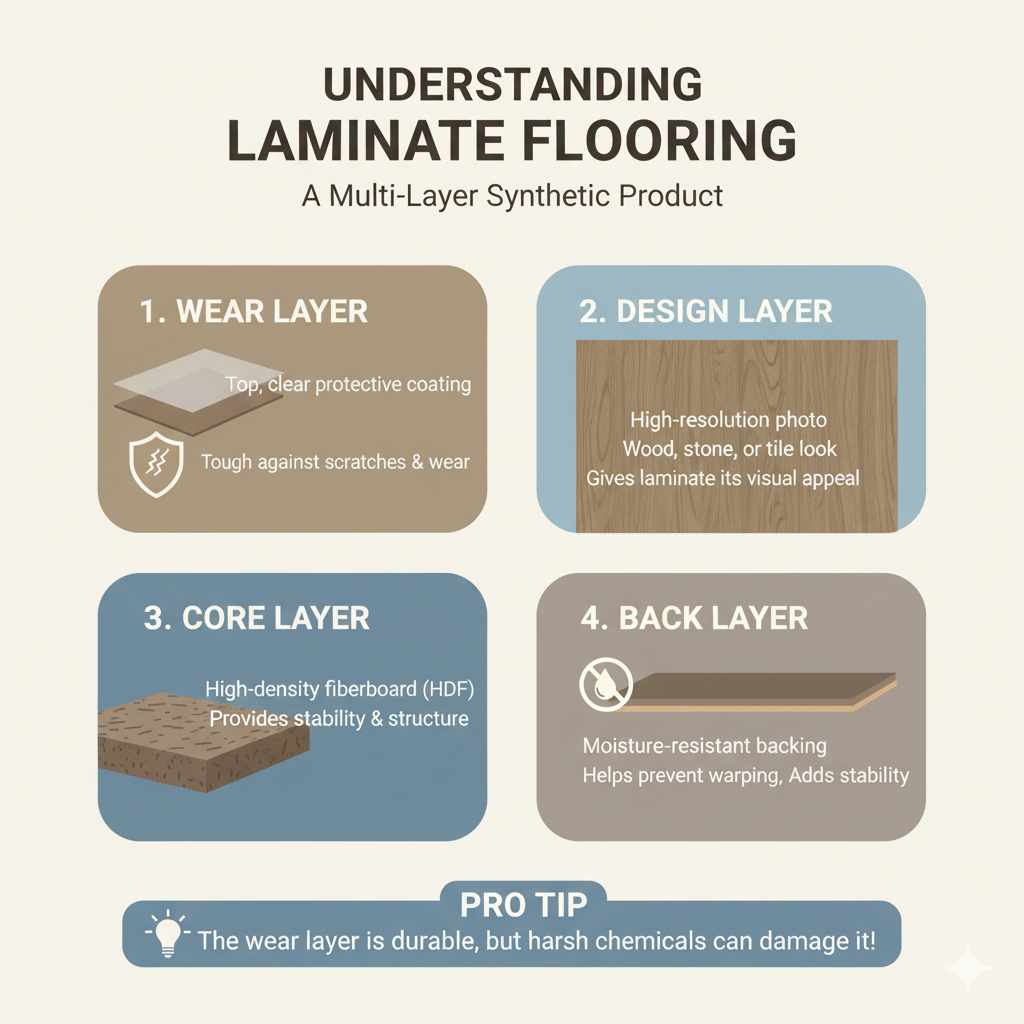
Before we dive into the dangers of paint thinner, let’s quickly touch upon what laminate flooring is. It’s not solid wood; instead, it’s a multi-layer synthetic product. Here’s a breakdown of its typical construction:
- Wear Layer: This is the top, clear protective coating. It’s designed to be tough against scratches and wear.
- Design Layer: This is a high-resolution photograph of wood, stone, or tile. It gives laminate its visual appeal.
- Core Layer: This is usually made of high-density fiberboard (HDF) or particleboard. It provides stability and structure.
- Back Layer: This is a moisture-resistant backing that helps prevent warping and adds stability.
The wear layer is key to laminate’s durability, but it has its limits. Many finishes on this wear layer are designed to be resistant to common household cleaners, but they are not indestructible, especially when exposed to harsh chemicals.
Why Paint Thinner is a Recipe for Disaster for Laminate
So, why is paint thinner such a bad idea for your laminate floors? It all comes down to the chemicals it contains and how they interact with the finish and layers of the laminate. Paint thinners, such as mineral spirits or acetone, are powerful solvents designed to break down and dissolve paint, varnish, and adhesives. While effective for their intended purpose (cleaning paint brushes or removing tough residues from tools), they are far too aggressive for your flooring.
Here’s a closer look at the damage:
- Melting the Wear Layer: The strong solvents in paint thinner can actually begin to break down and soften the protective wear layer on your laminate. This can result in a dull, hazy appearance that is often permanent. It essentially “melts” away the protective and aesthetic qualities of your floor’s surface.
- Discoloration and Staining: These chemicals can strip away the color from the design layer or, conversely, cause new, unsightly stains to appear. The solvents can penetrate the wear layer and react with the image beneath, leading to permanent discoloration.
- Weakening the Core: While the wear layer is the most immediate concern, prolonged exposure or significant spills could potentially seep down and compromise the integrity of the core layer, especially if gaps or seams are present. This could lead to swelling or warping over time.
- Loss of Shine: Even if the damage isn’t immediately obvious as dullness or discoloration, paint thinner can strip away the factory-applied finish, leaving the surface looking lifeless and matte.
Think of it this way: you wouldn’t use a heavy-duty degreaser meant for engines to wash your car, right? Paint thinner is in a similar category for your floors – it’s simply too harsh for the materials used in laminate construction.
What is Paint Thinner Made Of?
To better understand the risk, let’s look at common paint thinners. Knowing the ingredients helps clarify why they’re so potent:
- Mineral Spirits (also known as white spirit or turpentine substitute): A petroleum-based solvent. It’s commonly used to thin oil-based paints and clean brushes. While less aggressive than acetone, it can still damage laminate finishes.
- Acetone: A very strong solvent. It’s found in nail polish remover and is highly effective at dissolving many plastics and finishes. It’s a major danger to laminate.
- Xylene and Toluene: These are aromatic hydrocarbon solvents, often found in stronger paint removers and thinners. They are extremely potent and will almost certainly ruin laminate flooring on contact.
- Naphtha: Another petroleum-derived solvent that is very effective at dissolving oils and greases, and will readily attack laminate finishes.
These chemicals are designed to dissolve and break down substances. Your laminate floor’s protective coating and decorative layer are not designed to withstand such potent chemical attacks. For more information on chemical safety and material interactions, the National Institute for Occupational Safety and Health (NIOSH) provides excellent resources on chemical handling and safety.
Safely Removing Paint from Laminate Flooring: Step-by-Step
Okay, so paint thinner is out. But what if you have a paint spill? Don’t panic! The key is to act quickly and use the right method. Here’s how to safely remove paint from your laminate flooring:
Step 1: Assess the Situation and Gather Supplies
First, identify the type of paint (water-based or oil-based) and how long it’s been there. Fresh spills are much easier to deal with than dried-on paint.
Supplies you’ll need:
- Soft cloths (microfiber is great)
- Paper towels
- Warm water
- Mild dish soap or a pH-neutral floor cleaner
- Plastic scraper or a credit card (for dried paint)
- Rubbing alcohol (Isopropyl alcohol, 70% solution is usually sufficient)
- A clean bucket
- Gloves (optional, but good practice)
Step 2: For Fresh Paint Spills (Water-Based)
If the paint is still wet and it’s water-based (like many interior latex paints), you’re in luck! This is the easiest scenario.
- Blot Immediately: Use a clean, damp cloth or paper towel to gently blot up as much of the wet paint as possible. Avoid spreading the paint.
- Gentle Wash: Dampen a clean cloth with warm water and a small amount of mild dish soap or your regular laminate floor cleaner. Gently wipe the affected area.
- Rinse: Wipe the area again with a cloth dampened only with clean water to remove any soap residue.
- Dry: Thoroughly dry the area with a clean, dry cloth. It’s important to leave no moisture behind, as excess water can damage laminate.
Step 3: For Fresh Paint Spills (Oil-Based)
Oil-based paints are a bit tougher, but still manageable if addressed quickly.
- Blot Excess Paint: Use a dry paper towel or cloth to absorb as much of the liquid paint as you can.
- Use Mineral Spirits (VERY cautiously and sparingly): For oil-based paint, a tiny amount of mineral spirits can be helpful, but this is where you need to be extremely careful. Dampen a corner of a clean cloth with mineral spirits. Do NOT pour it directly onto the floor.
- Test in an Inconspicuous Area: Before touching the spill, test the dampened cloth on a hidden spot (like inside a closet or under furniture) to ensure it doesn’t damage the laminate’s finish.
- Gently Dab: Lightly dab the paint smudge with the dampened cloth corner. Work from the outside of the spill inwards to avoid spreading it.
- Wipe Clean: Immediately after removing paint, wipe the area thoroughly with a cloth dampened with water and mild soap to remove ALL mineral spirits residue.
- Rinse and Dry: Rinse well with a clean, damp cloth and dry completely.
Important Note: Even with careful use, mineral spirits carry a risk. If your laminate has a very delicate finish, or if you’re unsure, it’s sometimes better to skip the mineral spirits and try the rubbing alcohol method below for dried paint.
Step 4: For Dried Paint Splatters
Dried paint requires a bit more patience and gentle persuasion.
- Scrape Gently: Use a plastic scraper or an old credit card to carefully try and lift the dried paint. Hold the scraper at a shallow angle to avoid scratching the floor. Work patiently, trying to get under the edge of the paint fleck.
- Soften with Rubbing Alcohol: If scraping doesn’t get it all, dampen a clean cloth with rubbing alcohol (70% Isopropyl alcohol).
- Dab and Wait: Hold the dampened cloth over the dried paint spot for a minute or two to help soften it. The alcohol can help break down the paint’s bond without being as harsh as paint thinner.
- Scrape Again/Wipe: Gently try scraping again, or use the alcohol-dampened cloth to wipe away the softened paint.
- Clean and Rinse: Once the paint is removed, clean the area with a damp cloth and mild soap, then rinse with a clean, damp cloth.
- Dry Thoroughly: Ensure the floor is completely dry.
Step 5: Persistent Stains and Final Polish
For very stubborn dried paint that won’t budge, repeat the scraping and alcohol steps. Sometimes a bit of gentle elbow grease over time is the safest way. Once clean, ensure the entire area is dry. You can then give your laminate floor a final polish with a cleaner specifically designed for laminate floors to restore its shine.
What NOT to Use on Laminate Flooring (Besides Paint Thinner)
Paint thinner isn’t the only thing that can cause harm. It’s good to know what other common household items to avoid:
- Ammonia-based cleaners: These can dull the finish of laminate flooring.
- Abrasive cleaners or scouring pads: These will scratch the surface.
- Wax or polish: Laminate flooring typically has a protective urethane coating and doesn’t need waxing. Wax can make it slippery and dull the finish.
- Excessive water: Laminate is not waterproof. Standing water can seep into the seams and cause the core to swell and warp.
- Steam mops: While some manufacturers claim their laminate is steam-moppable, most experts advise against it. The heat and moisture can damage the core and seams. Always check your manufacturer’s warranty.
It’s always best to stick to cleaners specifically formulated for laminate flooring or use the methods described above for spot cleaning specific issues. Consulting your flooring manufacturer’s care guide is the best first step.
Comparing Safe Cleaning Agents
Let’s look at some effective and safe cleaning agents for laminate flooring when dealing with general dirt and grime, and mild concerns, compared to the dangers of paint thinner.
| Cleaning Agent | Suitability for Laminate | Pros | Cons | Paint Thinner Comparison |
|---|---|---|---|---|
| Water & Mild Dish Soap | Generally Safe (use damp cloth) | Readily available, effective for light dirt, affordable. | Too much water can damage laminate. Not effective for tough, dried stains. | Paint thinner is highly corrosive; soap and water are gentle. |
| Laminate Floor Cleaner (pH-Neutral) | Recommended | Specifically formulated, won’t harm finish, cleans effectively. | Can be more expensive than DIY solutions. | These cleaners are designed for the floor’s surface; paint thinner is designed to dissolve it. |
| Rubbing Alcohol (Isopropyl, 70%) | Generally Safe for Spot Cleaning (use sparingly) | Effective for sticky residue, some ink, and dried paint spots without harsh abrasion. Dries quickly. | Can dry out wood-look finishes if overused. Always test first. Not for general cleaning. | Rubbing alcohol is a solvent but much less aggressive than paint thinner, offering a safer alternative for spot removal. |
| Mineral Spirits | HIGHLY RISKY/AVOID for general cleaning. Minimal, cautious use ONLY for hard-to-remove OIL-BASED paint spots after testing in an inconspicuous area. | Effective solvent for oil-based paint. | VERY DAMAGING to laminate finish if used improperly or excessively. Can dull, discolor, or soften the wear layer. Requires thorough cleaning of residue. High VOCs. Not for general spills or water-based paint. | This is a paint thinner. Its purpose is to dissolve finishes and paint, which is precisely why it damages laminate. |
| Paint Thinner (Acetone, Xylene, Toluene, etc.) | NEVER USE. ABSOLUTELY DO NOT USE. | None for laminate flooring. | Will severely damage, melt, dull, and discolor laminate flooring. Permanent damage is likely. Corrosive. High VOCs. | This is the primary chemical hazard for laminate floors. It causes irreversible damage. |
This table clearly shows that while some mild solvents can be used for spot treatment with extreme caution, harsh chemicals like paint thinner should be avoided at all costs. For day-to-day cleaning, a damp mop with a laminate-specific cleaner or a water/mild soap solution is your best bet.
Preventative Measures: Protecting Your Laminate Floors
The best way to deal with the paint thinner question is to prevent the situation from happening in the first place. Here are some tips:
- Use Drop Cloths: Whenever you’re painting or doing DIY projects that involve messy materials, always cover your laminate floors with thick drop cloths. Canvas or plastic sheeting can protect against spills and drips. Extend them well beyond the work area.
- Entry Mats: Place sturdy mats both inside and outside entryways to catch dirt, moisture, and grit that can scratch your floors.
- Furniture Pads: Use felt or rubber pads on the legs of all furniture. This prevents scratches when moving chairs or tables. Regularly check these pads; they can wear down or fall off.
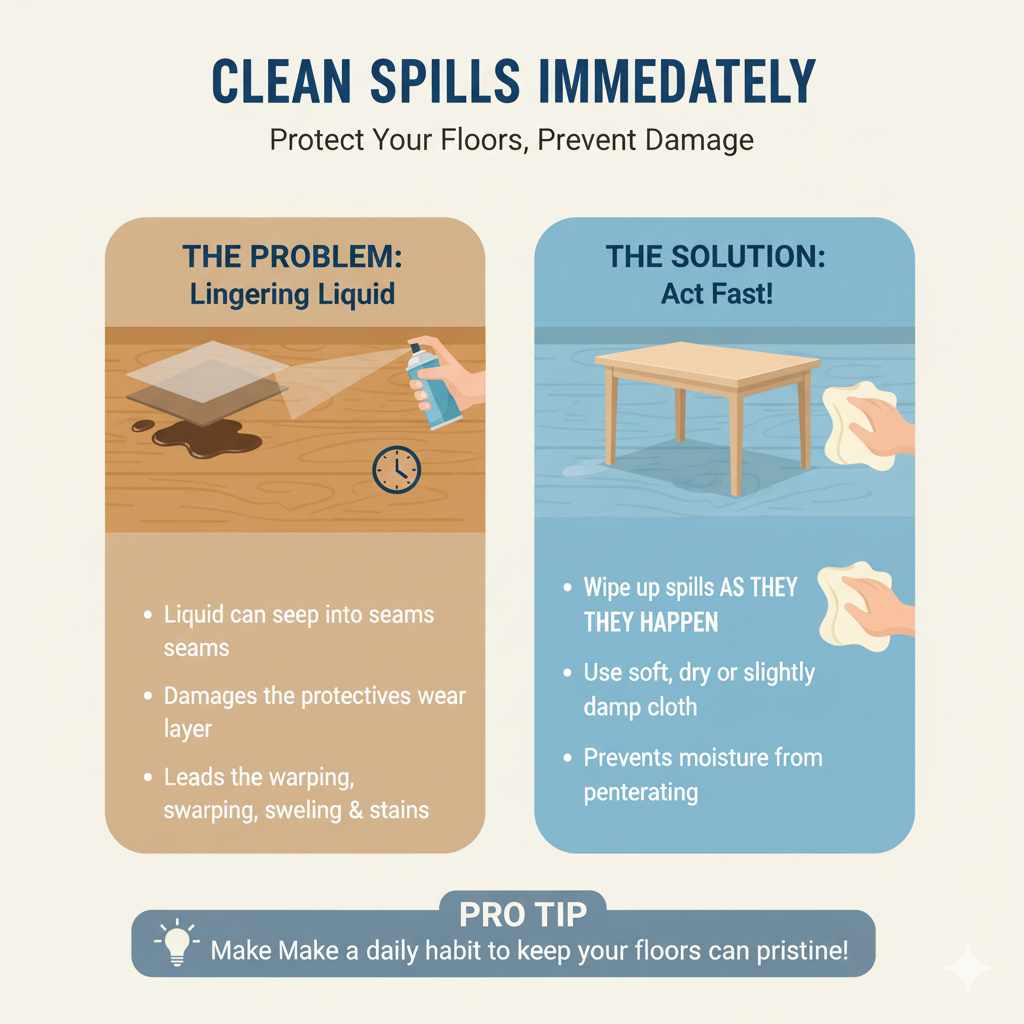
- Clean Spills Immediately: Make it a habit to wipe up any spills (water, coffee, food, etc.) as soon as they happen. The longer a liquid sits, the higher the chance it could seep into seams or damage the finish.
- Sweep or Vacuum Regularly: Use a soft-bristle broom or a vacuum with a hard floor setting (ensure the beater bar is turned off) to remove grit and dust that can act like sandpaper.
An ounce of prevention truly is worth a pound of cure when it comes to protecting your beautiful laminate flooring.
FAQ: Your Laminate Flooring Questions Answered
Let’s address some common questions that pop up regarding cleaning and potential damage to laminate floors.
Q1: Can I use nail polish remover on laminate flooring?
A1: Nail polish remover typically contains acetone, a very strong solvent. Acetone will almost certainly damage the finish of your laminate flooring, causing dull spots and discoloration. It’s best to avoid it entirely.
Q2: What if I spill a whole can of paint on my laminate floor?
A2: This is a serious situation! For large spills, especially if the paint is oil-based, it’s crucial to act immediately. Try to contain and remove as much liquid paint as possible with paper towels. Then, carefully use a plastic scraper and potentially minimal amounts of product meant for the specific paint type (like mineral spirits for oil-based, after extensive testing in an inconspicuous spot), followed by thorough cleaning with a laminate-safe cleaner and water. For extensive, stubborn spills, you might need to consider professional cleaning or even floor board replacement.
Q3: My laminate floor looks dull after cleaning, what can I do?
A3: A dull finish can happen if you used the wrong cleaner, too much cleaner, or failed to rinse properly. Try cleaning the floor again with a cleaner specifically designed for laminate floors and ensure you rinse thoroughly with a damp cloth. If the dullness is due to a damaged wear layer from harsh chemicals, it might be permanent. You can try a good quality laminate floor polish product designed to restore shine, but avoid anything with wax.