Painting a Laminate Countertop: Prep, Primer & Paint Types
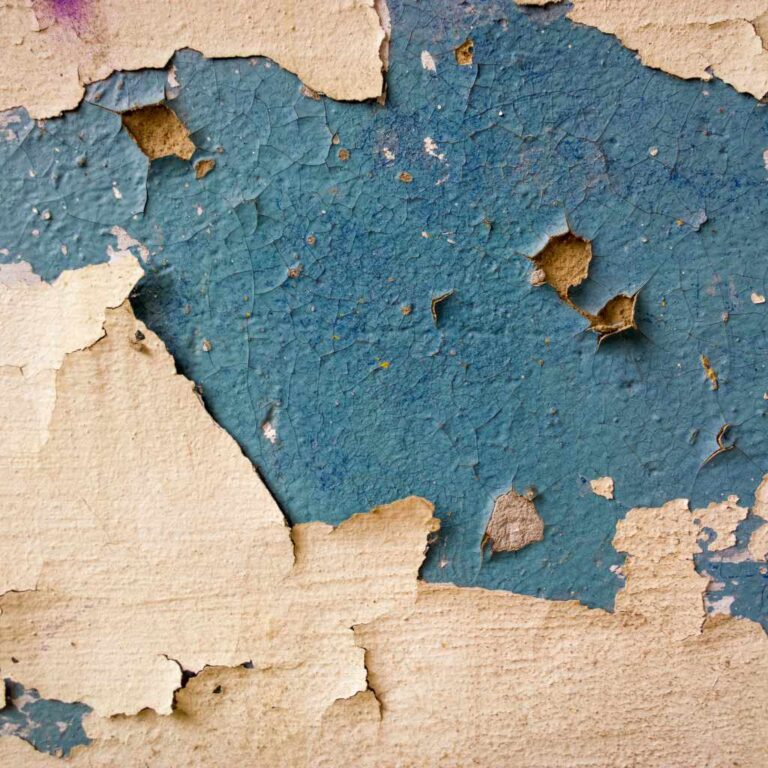
Painting a laminate countertop works when you use a bonding primer plus a two-part epoxy or acrylic paint — regular wall paint peels within weeks. Skipping the primer is the top reason DIY countertop paint jobs chip at the sink edge within a year. This guide covers the prep-sand-prime sequence, picking an all-in-one refinishing kit vs. separate primer and paint, and sealing the surface for daily kitchen use.
Painting furniture or cabinets instead of a countertop? See our full guide to painting laminate wood for the process differences.
Materials And Tools Required
OUR PICK FOR THIS PROJECT
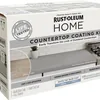 |
Rust-Oleum Home Countertop Coating Kit (Satin White) – $60.99 This water-based kit skips the separate bonding-primer step covered above — it’s the all-in-one shortcut version of the same process.
|
To paint a laminate countertop, gather the right supplies. This ensures a smooth process. Here is a list of essential materials:
- Primer
- Paint (preferably acrylic or chalk paint)
- Sealant
- Sandpaper (fine grit)
- Paintbrushes and Rollers
- Cleaning solution
- Drop cloths or newspapers
- Painter’s tape
Choosing the right paint is crucial. Select a paint that adheres well to laminate. Test small samples to find your favorite color. Always follow the manufacturer’s instructions for the best results.
Preparation Steps For Painting
Start by cleaning the surface of the laminate countertop. Use a strong cleaner to remove dirt and grease. Rinse well with water and let it dry completely. This step is very important for good results.
Next, sanding helps the paint stick better. Use fine-grit sandpaper for this process. Sand the entire surface gently until it feels rough. This will improve adhesion and make the paint last longer.
After sanding, wipe off the dust with a clean cloth. Make sure there are no particles left. Proper preparation makes the painting process easier and more effective.
Primer Application Techniques
Choosing the right primer is key for a successful laminate countertop project. Look for a bonding primer specifically made for smooth surfaces. This type of primer helps the paint stick better.
Before applying, ensure the countertop is clean and dry. Use a mild cleaner to remove dust and grease. Lightly sand the surface to create texture. This will help the primer adhere more effectively.
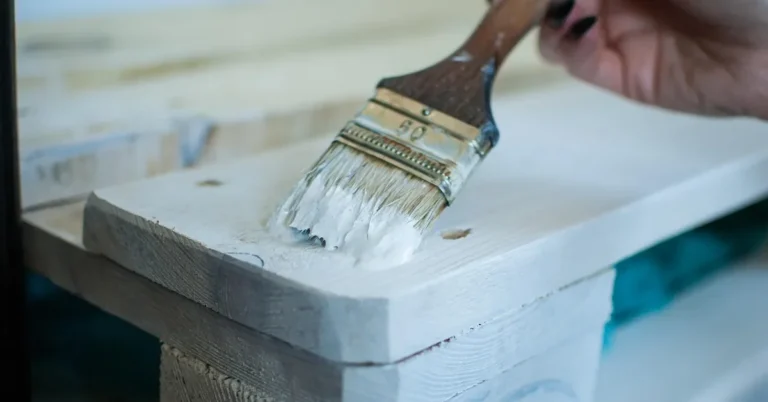
Apply the primer with a roller for even coverage. Use a brush for edges and corners. Follow the manufacturer’s instructions for drying times. A second coat may be necessary for best results.
Painting Process Explained
Start by cleaning the laminate countertop. Use a mild cleaner to remove dirt. Dry the surface thoroughly with a cloth. Next, apply a base coat using a foam roller. Choose a color that suits your kitchen. Allow the base coat to dry completely.
Once dry, use painter’s tape to create patterns. This helps keep lines clean and sharp. Use a different color for the patterns. Sponges or brushes work well for adding details. Experiment with various techniques to make unique designs. Allow everything to dry before removing the tape. Finish with a clear sealant for protection.
Sealing For Durability
Choosing the right sealant is key for a durable laminate countertop. Several types of sealants are available:
| Sealant Type | Features |
|---|---|
| Polyurethane | Strong and water-resistant. Ideal for high-traffic areas. |
| Acrylic | Easy to apply. Good for light-duty surfaces. |
| Epoxy | Very durable. Offers great protection against stains. |
Following the right sealing procedure ensures lasting beauty. Clean the countertop thoroughly before sealing. Apply a thin layer of the chosen sealant using a brush or roller. Allow it to dry completely before using the surface. Repeat the application for extra protection.
Maintenance Tips
For cleaning your painted countertop, use a soft cloth or sponge. Avoid harsh chemicals or abrasive tools. Mild soap and warm water work best. Rinse thoroughly to remove any soap residue. Always dry the surface with a clean towel.
For minor touch-ups and repairs, keep some extra paint handy. Use a small brush for applying paint. Carefully touch up any chips or scratches. Allow the paint to dry completely before using the countertop. Regular checks can help maintain its appearance.
Before And After: Showcasing Your Work
Documenting your DIY project can be fun and rewarding. Start by taking before photos. These photos show the original look of your laminate countertop. Capture different angles for a complete view.
As you progress, take during photos to highlight changes. This helps show your hard work. Finally, snap after photos to showcase the stunning transformation.
Sharing your success can inspire others. Use social media to post your photos. Write a short description of your project. Encourage others to try their own DIY adventures!
Frequently Asked Questions
How Do I Prepare A Laminate Countertop For Painting?
To prepare a laminate countertop for painting, start by cleaning it thoroughly. Use a degreaser to remove any grease or grime. Next, lightly sand the surface with fine-grit sandpaper to create a rough texture. Finally, wipe it down to remove dust before applying primer.
What Type Of Paint Is Best For Laminate Countertops?
The best paint for laminate countertops is a high-quality, water-based acrylic paint. It offers durability and resistance to moisture. Look for paints specifically designed for countertops or furniture for optimal results. Always choose a finish that suits your style, such as satin or semi-gloss.
Do I Need To Use A Primer Before Painting?
Yes, using a primer is essential before painting laminate countertops. A primer helps the paint adhere better to the smooth surface. It also prevents peeling and enhances the longevity of your finish. Make sure to select a primer compatible with laminate surfaces for the best outcome.
Can I Use Chalk Paint On Laminate Countertops?
While you can use chalk paint on laminate countertops, it may not be the best choice. Chalk paint lacks durability and may chip or stain easily. If you choose to use it, apply a protective topcoat for added resilience. Always consider a more robust alternative for long-lasting results.
Conclusion
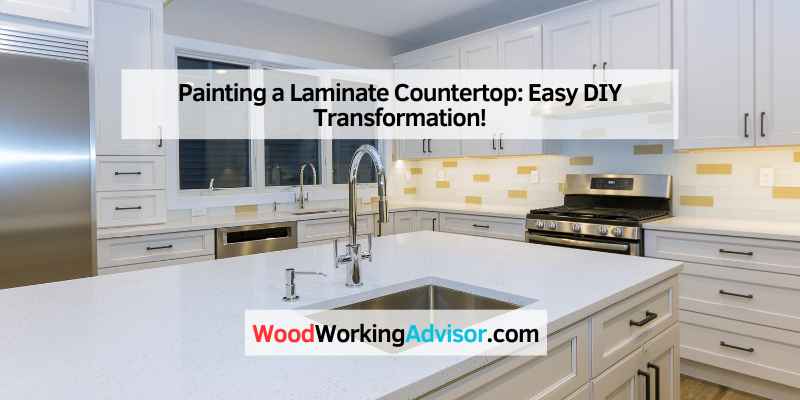
Revamping your laminate countertop with paint can be a rewarding DIY project. It allows for creativity while giving your kitchen a fresh look. With the right materials and techniques, you can achieve stunning results. Embrace the transformation and enjoy your beautifully updated space for years to come.
Happy painting!
Sponsored / affiliate links. As an Amazon Associate I earn from qualifying purchases. I may earn additional commission from eligible campaigns.