Wood Floors Cost Per Square Foot (Updated Guide)
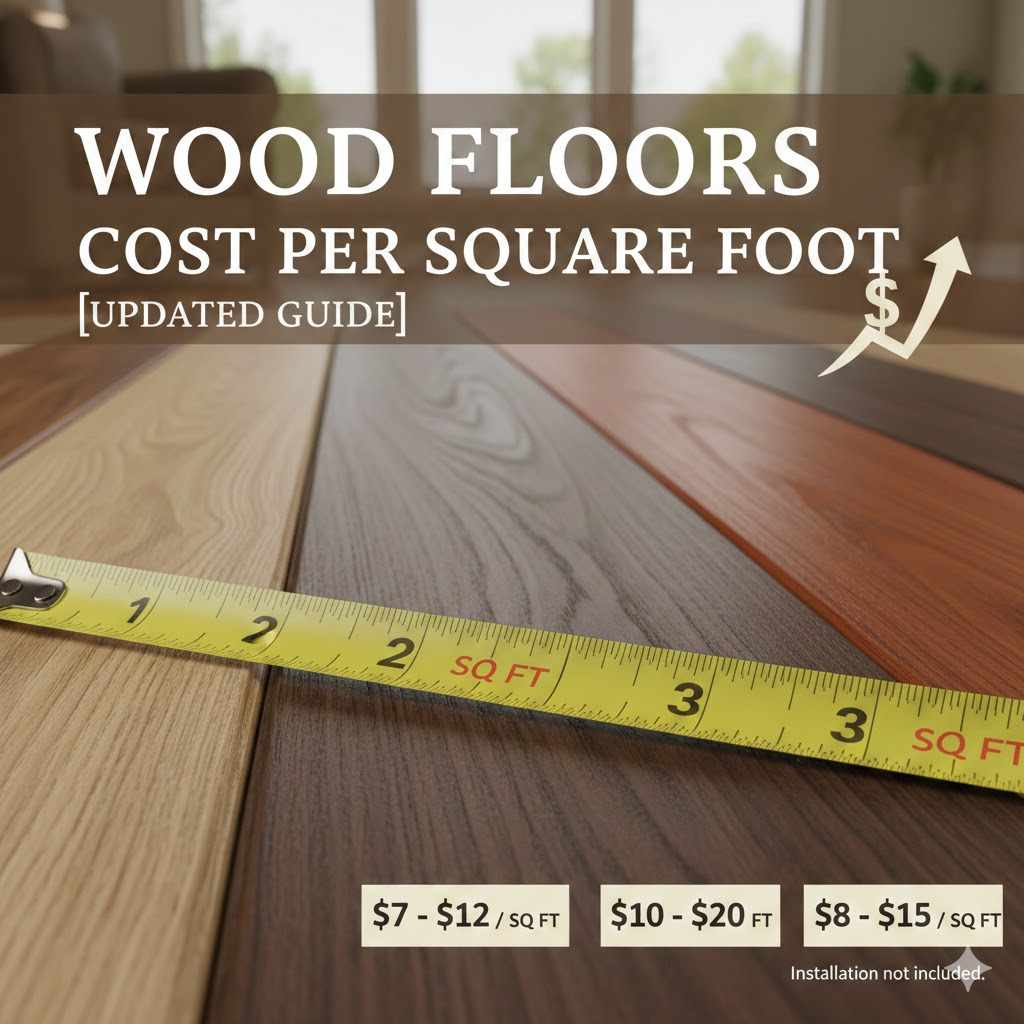
Figuring out the cost of wood floors can feel tricky. Many people wonder about the Wood Floors Cost Per Square Foot (Updated Guide) because prices change and there are so many options. It’s easy to get lost in the details.
But don’t worry, this guide makes it super simple. We’ll walk through everything step-by-step so you know exactly what to expect.
Understanding Wood Floor Pricing Factors
When you look at the price of wood floors, many things affect how much you’ll pay. It’s not just about the wood itself. The type of wood, how it’s made, and where it comes from all play a big role.
Think of it like buying fruit; apples can vary in price depending on the kind and if they’re in season. Understanding these factors helps you make a smart choice for your home.
Types of Wood Flooring
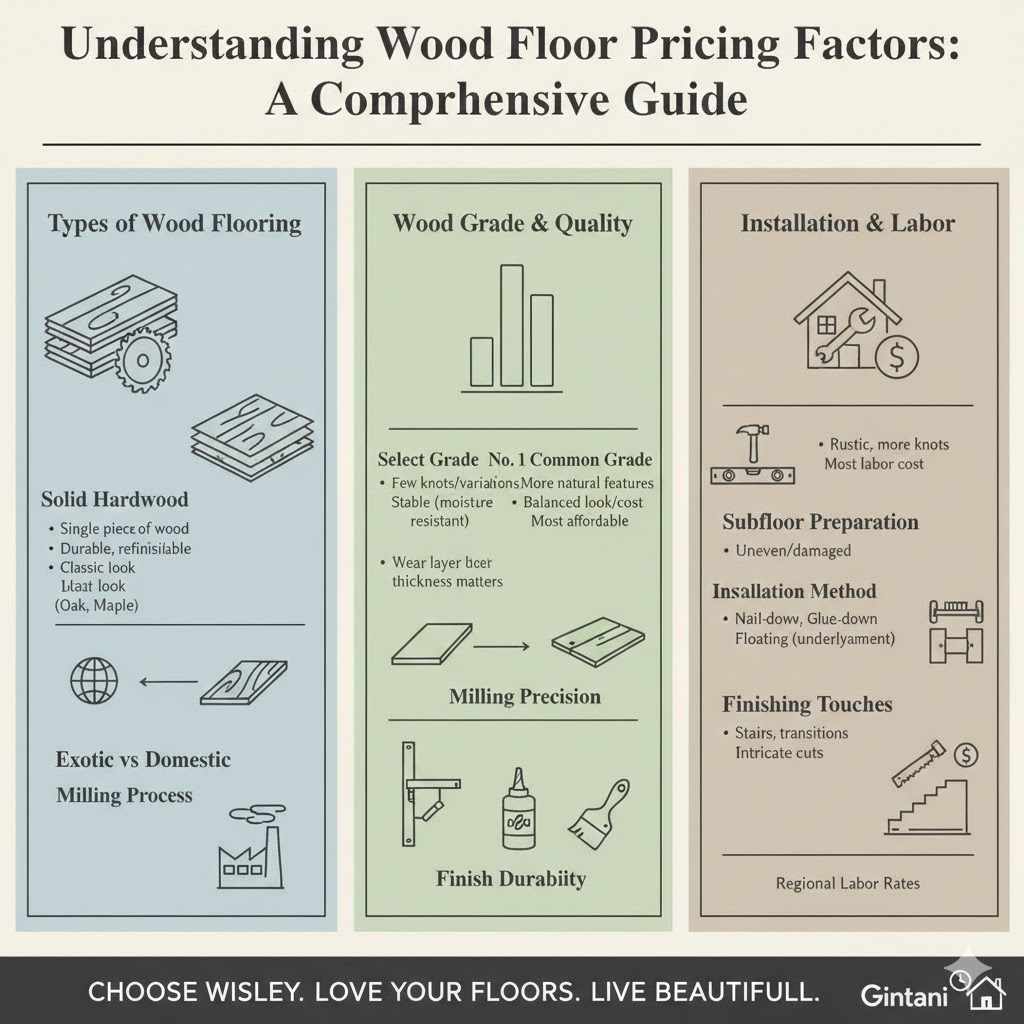
There are two main kinds of wood flooring: solid hardwood and engineered hardwood. Solid hardwood is made from a single piece of wood all the way through. It’s very durable and can be sanded down many times.
Engineered hardwood is made of layers. The top layer is real wood, but the layers underneath are often plywood or HDF. This makes it more stable and less likely to warp with changes in humidity.
Both have their own price points and benefits.
- Solid Hardwood: This classic choice is milled from a single plank of timber. It’s known for its natural beauty and can be refinished multiple times, extending its lifespan significantly. The main types include oak, maple, cherry, and walnut, each offering unique grain patterns and color variations. The thickness of the planks can also influence the cost, with thicker options generally being more expensive.
- Engineered Hardwood: This type is constructed with multiple layers of wood or composite material, topped with a thin veneer of real hardwood. Its layered structure makes it more resistant to moisture and temperature fluctuations, making it suitable for areas like basements or kitchens where solid hardwood might not be ideal. The thickness of the wear layer, or the top veneer, is a key factor in its durability and cost.
The origin of the wood also matters. Exotic hardwoods from places like Brazil or Asia might cost more than domestic options like oak or maple. This is due to import costs and their rarity.
The milling process itself can add to the price too. Some woods are harder to mill or require special techniques.
Wood Grade and Quality
Wood floors come in different grades, which affects their appearance and cost. The grading system, often based on the National Hardwood Lumber Association (NHLA) standards, looks at the number and size of knots, streaks, and other natural imperfections. Lower grades might have more of these natural features, making them less expensive, while higher grades are more uniform and costly.
- Select Grade: This is the highest grade, with very few knots or color variations. It offers a smooth, consistent look.
- No. 1 Common Grade: This grade allows for more natural characteristics like small knots and mineral streaks. It’s a popular choice for its balance of beauty and cost.
- No. 2 Common Grade: This grade has more significant knots and color variations, giving it a more rustic appearance. It’s typically the most affordable option.
The quality of the milling and finishing also impacts the price. Planks that are precisely cut and smoothly finished will naturally cost more than those with less attention to detail. High-quality finishes are also more durable and can protect the wood for longer, which is a factor to consider in the overall value.
Installation Complexity and Labor Costs
The cost of installation is a significant part of the total price for wood floors. It depends on the type of flooring, the condition of your subfloor, and the complexity of the room layout. Simple, rectangular rooms are easier and cheaper to install than rooms with many angles, doorways, or built-in features like fireplaces.
- Subfloor Preparation: If your existing subfloor is uneven, damaged, or needs to be leveled, this adds to the labor cost. Proper subfloor preparation is vital for a stable and long-lasting floor.
- Installation Method: Some wood floors can be nailed down, others glued down, and some click together. Floating floors, which don’t attach to the subfloor, can sometimes be cheaper to install but may require a specific underlayment.
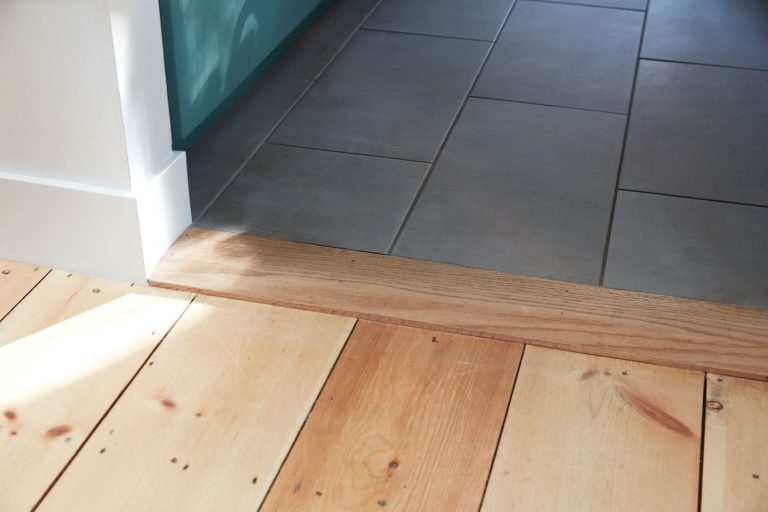
- Finishing Touches: Stairs, transitions to other flooring types, and intricate cuts around cabinets or doorways all require extra time and skill from the installer, increasing the labor cost.
Labor rates vary greatly by region. In areas with a higher cost of living, you can expect to pay more for skilled flooring installers. It’s always a good idea to get multiple quotes from different contractors to compare prices and services.
Calculating Your Wood Floor Cost Per Square Foot
To get a clear idea of your total expense, you need to calculate the Wood Floors Cost Per Square Foot (Updated Guide). This involves adding up the cost of the materials and the cost of installation and then dividing by the total square footage of your project. This gives you a helpful average to work with for budgeting.
Material Costs
The material cost is primarily the price of the wood flooring planks themselves. This cost is usually quoted per square foot. Prices can range widely, from under $3 per square foot for basic engineered options to over $15 per square foot for premium solid hardwoods or exotic species.
- Basic Engineered Hardwood: You can find options starting around $2.50 to $4.00 per square foot. These are great for budget-conscious projects.
- Mid-Range Engineered or Solid Hardwood: Expect to pay between $4.00 and $8.00 per square foot for popular domestic species like oak or maple in good grades.
- High-End Solid Hardwood or Exotic Species: Prices can go from $8.00 to $15.00 per square foot or even higher for rare woods or premium finishes.
Don’t forget to account for underlayment, which is essential for sound dampening and moisture protection, and any necessary trim or molding pieces. These add a small percentage to your material costs but are critical for a finished look.
Installation Costs
Installation costs are typically quoted per square foot as well, or sometimes as a daily rate for the crew. This cost can range from $3 to $10 per square foot, depending on the complexity and the installer’s rates. For a basic installation of click-lock engineered hardwood, you might pay on the lower end.
For intricate solid hardwood installations requiring nail-down methods and extensive subfloor prep, the cost will be higher.
A common scenario is a simple rectangular room of 200 square feet. If the wood costs $5 per square foot and installation is $4 per square foot, the total cost for materials would be 200 sq ft $5/sq ft = $1000. The installation cost would be 200 sq ft $4/sq ft = $800.
The total project cost would be $1000 + $800 = $1800. To find the average cost per square foot, divide the total cost by the square footage: $1800 / 200 sq ft = $9 per square foot.
Calculating Total Project Cost
To find your total project cost, you’ll sum up your material expenses and your labor expenses. It’s also wise to add a buffer of 10-15% for unexpected issues or waste. Always measure your space accurately to avoid buying too little or too much material.
- Measure Your Space: Get the exact square footage of the area you plan to cover.
- Add Waste Factor: Most professionals recommend adding 10% for cuts, mistakes, and future repairs.
- Factor in Additional Materials: Include costs for underlayment, transition strips, and any necessary adhesives or nails.
For example, if you have a 300 square foot room. Wood flooring costs $6 per square foot, and installation is $5 per square foot. Your material cost would be 300 sq ft $6/sq ft = $1800.
Your installation cost would be 300 sq ft $5/sq ft = $1500. The subtotal before waste is $1800 + $1500 = $3300. Adding a 10% waste factor means you’d add $330, bringing your total project cost to $3630.
This makes your average cost per square foot $3630 / 300 sq ft = $12.10.
Factors Affecting Wood Floor Cost Per Square Foot
The Wood Floors Cost Per Square Foot (Updated Guide) can change based on several key factors beyond the basic material and labor. These can include the brand of flooring, the type of finish applied, and whether you choose DIY installation or professional services. Understanding these nuances helps you pinpoint the most accurate budget for your needs.
Brand Reputation and Quality
Well-known flooring brands often come with a higher price tag, but this can reflect superior quality control, advanced manufacturing techniques, and better warranties. These brands invest heavily in sourcing high-quality wood and developing durable finishes. For instance, a brand known for its exceptional durability and aesthetic appeal might charge a premium.
- Premium Brands: Companies that have built a strong reputation for durability and design typically charge more. They often use better-grade wood and more sophisticated finishing processes.
- Mid-Tier Brands: These offer a good balance of quality and affordability, often using solid domestic hardwoods or good quality engineered options.
- Budget Brands: While tempting for price, these may compromise on wood quality, thickness of the wear layer, or durability of the finish. It’s important to read reviews carefully.
A study by a flooring industry research group found that top-tier brands saw a customer satisfaction rating of over 90%, compared to about 75% for lower-tier brands, often linked to longevity and resistance to wear and tear. This suggests that investing in a reputable brand can lead to greater long-term value, even if the initial cost per square foot is higher.
Finishing and Treatment Options
The type of finish applied to wood floors significantly impacts their appearance, durability, and cost. Finishes protect the wood from scratches, stains, and moisture. Common finishes include polyurethane, oil-based finishes, and hardwax oils.
- Polyurethane Finish: This is the most common and durable finish, offering excellent protection against wear. It can be water-based (clearer, faster drying) or oil-based (amber tone, more durable). The cost is generally moderate.
- Natural Oil Finish: These finishes penetrate the wood to provide a matte, natural look. They are easier to repair and spot-treat but require more frequent maintenance and may not offer the same level of stain resistance as polyurethane.
- Hardwax Oil Finish: A blend of oils and waxes, this offers a natural look with good durability and easier repairability than pure oils. It’s often considered a premium option.
Special treatments like beveled edges, brushed textures, or hand-scraped looks add to the aesthetic appeal and labor involved in production, thus increasing the cost per square foot. A hand-scraped finish, for example, involves an artisanal process that adds a unique character but also increases the price.
DIY vs. Professional Installation
Choosing to install your wood floors yourself can save money on labor, but it requires time, tools, and a certain level of skill. Professional installation ensures the job is done correctly and efficiently, often with a warranty on the work. The cost savings from DIY can be substantial, but the risk of mistakes or damage to the material should be considered.
A typical DIYer might save $3 to $10 per square foot on labor costs. However, they would need to invest in tools like a miter saw, flooring nailer, tapping block, and safety equipment. For a 500 square foot room, this could mean saving $1500 to $5000 in labor.
But if errors occur, such as incorrect installation leading to cupping or gapping, the cost of replacing damaged planks can quickly negate those savings.
Geographic Location
The cost of flooring materials and installation can vary significantly based on your geographic location. Regions with a higher cost of living and higher demand for home improvement services typically have higher labor rates and potentially higher material costs due to shipping and local market prices.
- Major Metropolitan Areas: Expect higher prices for both materials and labor due to increased demand and higher operating costs for businesses.
- Rural Areas: Prices might be lower, but the availability of specialized installers or a wide selection of flooring options could be limited.
- Coastal vs. Inland Regions: Sometimes, shipping costs and local market dynamics can create price differences between coastal and inland areas.
For example, a homeowner in a high-cost city might pay $10-$15 per square foot for a mid-range hardwood installation, while someone in a more rural area might find similar work done for $7-$12 per square foot. This is a crucial factor when comparing quotes from different regions or planning a project across different locations.
Comparing Wood Floor Costs With Other Flooring Types
When considering new flooring, it’s helpful to compare the Wood Floors Cost Per Square Foot (Updated Guide) with other popular options. Wood floors generally fall in the mid to high price range, offering a good return on investment due to their durability and aesthetic appeal. However, budget-friendly alternatives exist for those with stricter financial limits.
Laminate Flooring Costs
Laminate flooring is a popular alternative to hardwood, mimicking its look at a lower price point. It’s made of a photographic layer of wood grain under a clear protective wear layer. Its cost typically ranges from $1 to $5 per square foot for materials, with installation adding another $2 to $5 per square foot.
- Material Cost: Generally $1.00 – $5.00 per square foot.
- Installation Cost: Typically $2.00 – $5.00 per square foot.
- Total Estimated Cost: $3.00 – $10.00 per square foot.
Laminate is known for its scratch resistance and ease of installation, making it a favorite for DIY projects. However, it cannot be refinished and is susceptible to moisture damage, which can cause it to swell and warp. This lack of refinishing capability means its lifespan is often shorter than hardwood.
Vinyl Flooring Costs
Vinyl flooring, including Luxury Vinyl Plank (LVP) and Luxury Vinyl Tile (LVT), has become very popular. It offers excellent water resistance and durability, making it suitable for high-moisture areas. Material costs typically range from $1 to $7 per square foot, with installation from $2 to $6 per square foot.
- Material Cost: Generally $1.00 – $7.00 per square foot.
- Installation Cost: Typically $2.00 – $6.00 per square foot.
- Total Estimated Cost: $3.00 – $13.00 per square foot.
LVP and LVT can convincingly replicate the look of wood or stone. They are known for being very resilient, easy to clean, and comfortable underfoot. Unlike laminate, some higher-quality vinyl products can be resistant to significant water exposure, making them a practical choice for kitchens and bathrooms.
Carpet Costs
Carpet remains a budget-friendly and comfortable flooring option, especially for bedrooms and living areas. Material costs can range from $0.50 to $5 per square foot, with installation adding $1 to $3 per square foot.
- Material Cost: Generally $0.50 – $5.00 per square foot.
- Installation Cost: Typically $1.00 – $3.00 per square foot.
- Total Estimated Cost: $1.50 – $8.00 per square foot.
Carpet offers warmth, sound insulation, and a soft feel. However, it is prone to staining, trapping allergens, and wear in high-traffic areas. Its lifespan is generally shorter than hardwood or quality vinyl, and it cannot be refinished.
Cleaning can also be more challenging compared to hard surface flooring.
Tile Flooring Costs
Tile flooring, including ceramic and porcelain, is highly durable and water-resistant, making it ideal for kitchens, bathrooms, and entryways. Ceramic tile material costs range from $1 to $5 per square foot, while porcelain can be $2 to $10 per square foot. Installation adds $4 to $10 per square foot due to the labor-intensive process.
- Ceramic Tile Material Cost: $1.00 – $5.00 per square foot.
- Porcelain Tile Material Cost: $2.00 – $10.00 per square foot.
- Installation Cost: $4.00 – $10.00 per square foot.
- Total Estimated Cost (Ceramic): $5.00 – $15.00 per square foot.
- Total Estimated Cost (Porcelain): $6.00 – $20.00 per square foot.
Tile is very low maintenance and resistant to wear and tear. However, it can be cold underfoot, hard, and prone to cracking if heavy objects are dropped on it. Grout lines can also be a challenge to keep clean unless properly sealed.
Getting Accurate Quotes for Your Wood Floors Cost Per Square Foot
To get a precise understanding of your Wood Floors Cost Per Square Foot (Updated Guide), obtaining multiple quotes from reputable flooring professionals is key. This process ensures you compare pricing fairly and get the best value for your investment. Don’t settle for the first estimate you receive; always do your homework.
Choosing a Reputable Installer
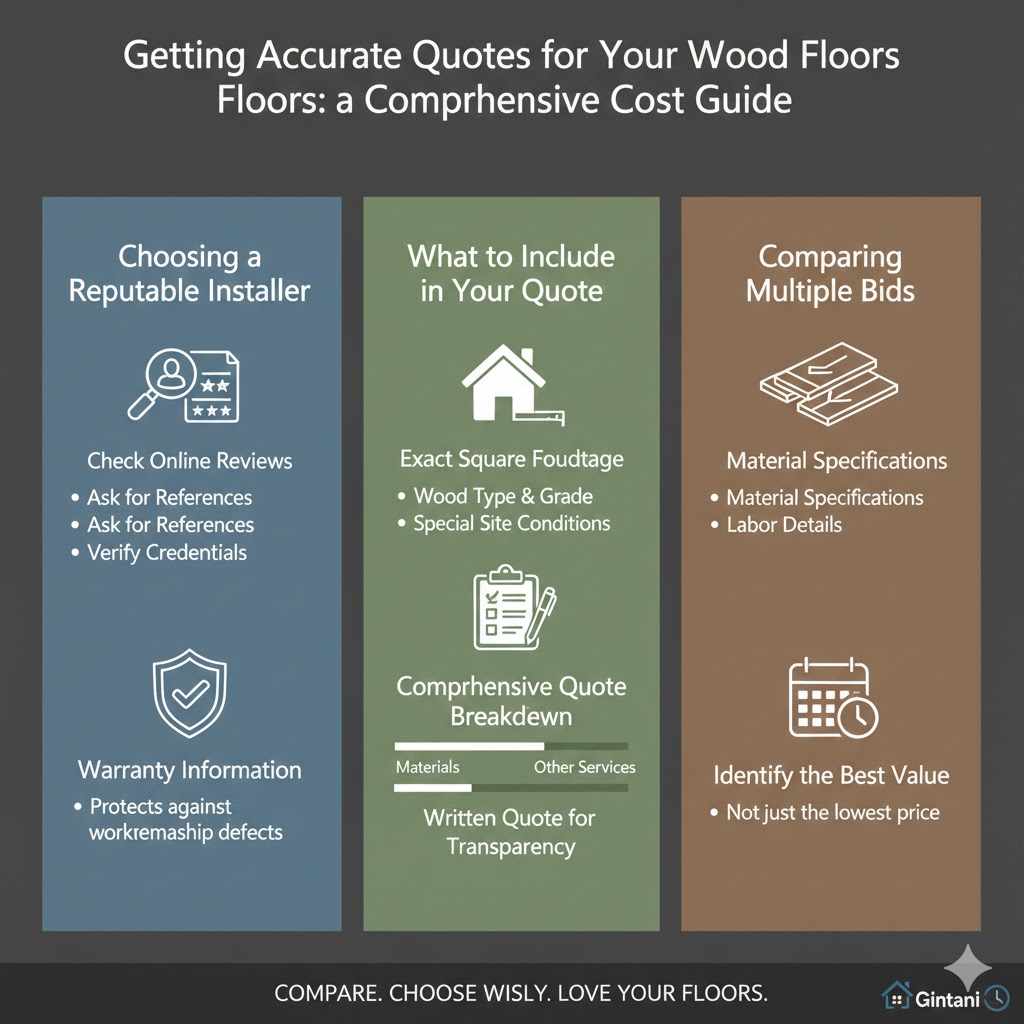
Selecting the right installer is as important as choosing the right flooring. Look for contractors who are experienced with wood flooring, have good reviews, and are properly licensed and insured. Ask for references and check their work if possible.
A skilled installer will ensure your floors are beautiful and last for years.
- Check Online Reviews: Websites like Google, Yelp, or Houzz can provide valuable insights into a contractor’s reputation.
- Ask for References: A good contractor will be happy to provide contact information for previous clients.
- Verify Credentials: Ensure the installer is licensed and insured to protect yourself from liability.
- Look at Portfolios: Seeing examples of their past work can give you a good idea of their skill and style.
A professional installation often comes with a warranty, giving you peace of mind. This warranty typically covers defects in workmanship, such as improper installation that leads to issues like gapping or creaking. It’s a valuable layer of protection for your investment.
What to Include in Your Quote Request
When requesting quotes, be specific about your needs. Provide the exact square footage, the type of wood flooring you’re interested in (or ask for recommendations), and any special site conditions. Clearly state whether you want the quote to include removal of old flooring, subfloor preparation, and installation of new baseboards or trim.
A comprehensive quote should break down costs for materials (flooring, underlayment, nails, adhesive), labor (installation, removal of old flooring, preparation), and any other services. This transparency helps you understand where your money is going and allows for easier comparison between different bids. Always ask for the quote in writing.
Comparing Multiple Bids
Once you have several quotes, compare them side-by-side. Don’t just look at the bottom line. Evaluate what each quote includes.
Are they all quoting the same quality of wood? Are the installation methods comparable? Are there any hidden fees not clearly stated?
Understanding these details will help you identify the best value, not just the cheapest option.
- Material Specifications: Ensure all quotes are for the same type and grade of wood, and include the same underlayment.
- Labor Details: Clarify what the installation includes – subfloor prep, stair work, transitions, etc.
- Timeline and Payment Schedule: Understand the estimated completion time and how payments are structured.
- Warranty Information: Note the warranty offered on both materials and labor.
A quote that seems significantly lower than others might be missing crucial elements. It’s important to have a conversation with the contractor to understand any discrepancies and ensure you are comparing apples to apples. A slightly higher quote from a reputable company that details all aspects of the job might be a wiser choice in the long run.
Frequently Asked Questions
Question: How much does basic oak hardwood cost per square foot?
Answer: Basic oak hardwood flooring, depending on grade and whether it’s solid or engineered, can range from $4 to $8 per square foot for materials alone.
Question: Is engineered hardwood cheaper than solid hardwood?
Answer: Generally, yes. Engineered hardwood is often less expensive than solid hardwood because its construction uses less of the premium top wood layer and more cost-effective materials in its core.
Question: Does installation cost vary much for different wood types?
Answer: Yes, installation costs can vary. Exotic hardwoods or more complex patterns might require specialized installers, increasing labor costs compared to standard domestic hardwoods like oak or maple.
Answer: Yes, potential hidden costs include underlayment, transition strips, removal of old flooring, subfloor preparation, and potential waste if measurements are inaccurate.
Question: Can I install wood floors myself to save money?
Answer: Yes, you can install wood floors yourself to save on labor costs, but it requires the right tools, time, and a good understanding of installation techniques to avoid mistakes.
Summary
Understanding your Wood Floors Cost Per Square Foot (Updated Guide) involves looking at material quality, installation complexity, and regional pricing. From solid oak to engineered options, each choice impacts the final price. By getting detailed quotes and comparing them, you can confidently budget for beautiful, durable wood floors that fit your home and your wallet.