Your Ultimate Guide to Wood Stove Oval to Round Adapters
Hey there! If you’re reading this, you’re probably like me—a woodworking enthusiast or homeowner who loves the cozy warmth of a wood stove. There’s something magical about a crackling fire on a chilly evening, isn’t there? But here’s the thing: installing or upgrading a wood stove can sometimes feel like solving a puzzle, especially when you’re dealing with an oval to round adapter for the stovepipe. I’ve been down this road myself, wrestling with measurements and chimney connections, so let me share everything I’ve learned about wood stove oval to round adapters. Whether you’re restoring an antique stove or setting up a new one, this guide will help you navigate the process with confidence. Let’s dive in!
What Is a Wood Stove Oval to Round Adapter?
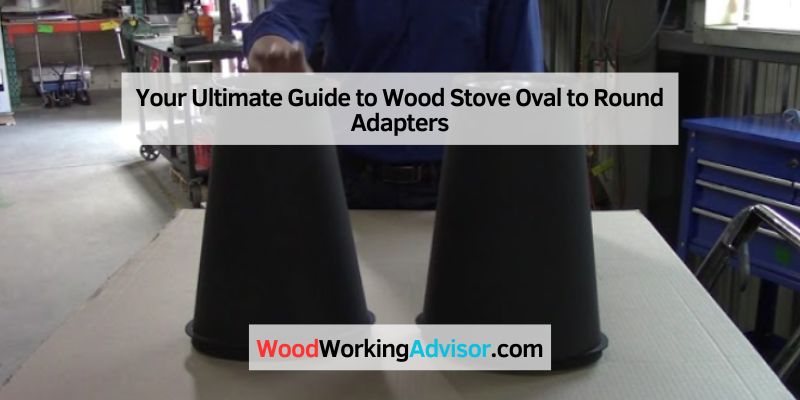
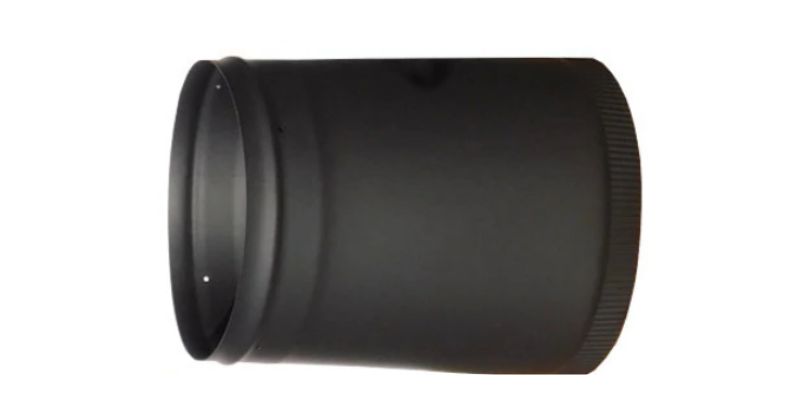
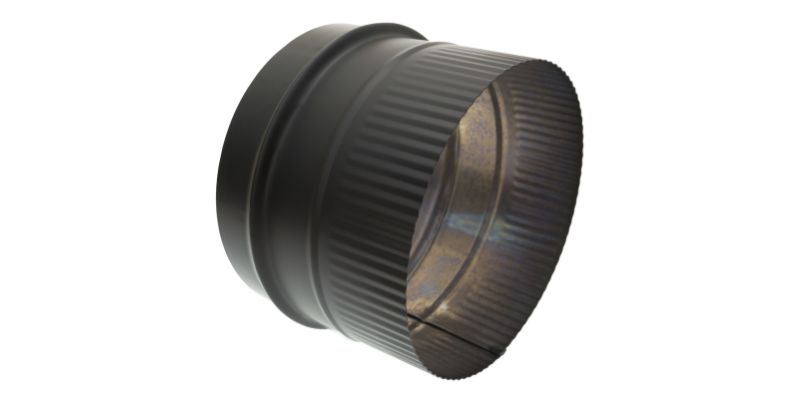
Let’s start with the basics. A wood stove oval to round adapter is a piece of stovepipe that connects the oval-shaped flue outlet of your wood stove to a round chimney pipe. Many older stoves, especially antique or vintage models like potbelly stoves or coal burners, have oval exhaust outlets. Modern chimney systems, on the other hand, typically use round pipes. The adapter bridges that gap, ensuring a secure and efficient connection.
When I first encountered this issue with my old Vermont Castings stove, I was stumped. The oval outlet didn’t match the round pipe I had, and I didn’t want to compromise on safety or performance. That’s where the adapter comes in—it’s like a translator that makes your stove and chimney speak the same language. These adapters come in various sizes and materials, and choosing the right one can make or break your stove’s efficiency.
Why You Need an Oval to Round Adapter
You might be wondering, “Can’t I just make do without one?” Trust me, I thought the same thing at first. But here’s why an oval to round adapter is essential:
- Seamless Connection: Without an adapter, you’re left with a mismatched connection that can lead to leaks, poor draft, or even smoke escaping into your home. Nobody wants that!
- Safety First: A proper adapter ensures that creosote and other combustion byproducts flow back into the stove, reducing fire hazards.
- Efficiency Boost: A tight seal improves your stove’s draft, meaning better heat output and less wood wasted.
- Code Compliance: Many local fire codes require proper stovepipe connections. Using an adapter ensures you’re up to code and safe.
I learned this the hard way when I tried to “squish” a round pipe to fit my stove’s oval outlet. It worked temporarily, but the gaps caused draft issues, and my garage smelled like a campfire gone wrong. An adapter would’ve saved me a lot of hassle.
Types of Oval to Round Adapters
Not all adapters are created equal, and I’ve spent hours researching the options. Here’s a breakdown of the main types you’ll come across:
- Single-Wall Adapters: These are made of single-layer steel, usually 22-gauge or thicker. They’re affordable and great for interior use. I used a single-wall adapter for my garage stove, and it’s held up well.
- Double-Wall Adapters: These have an inner and outer layer with insulation in between, offering better heat resistance and safety. They’re pricier but ideal for homes where the stovepipe is close to combustible materials.
- Custom Adapters: If your stove’s oval outlet is an odd size, you might need a custom-made adapter. I’ll talk more about this later, but companies like Rockford Chimney Supply can fabricate one to your exact measurements.
- Brand-Specific Adapters: Some stoves, like Vermont Castings, have specific adapters designed for their models. These are often easier to install since they’re made to fit perfectly.
Here’s a quick comparison table to help you choose:
| Type | Material | Best For | Pros | Cons |
|---|---|---|---|---|
| Single-Wall | Steel (22-24 gauge) | Garages, workshops | Affordable, easy to install | Less insulated, higher clearance needed |
| Double-Wall | Steel with insulation | Homes, close to combustibles | Safer, better heat retention | More expensive |
| Custom | Steel or stainless | Antique or non-standard stoves | Perfect fit, durable | Higher cost, longer wait time |
| Brand-Specific | Steel | Specific stove models (e.g., Vermont Castings) | Easy fit, reliable | Limited availability |
Measuring Your Stove’s Oval Outlet
Okay, let’s get practical. Before you buy an adapter, you need to measure your stove’s oval outlet correctly. This step tripped me up initially because I didn’t account for the circumference. Here’s how to do it right:
- Measure the Oval Dimensions: Use a flexible tape measure to find the length and width of the oval outlet. For example, my stove’s outlet was 7 7/8 inches long and 4 1/2 inches wide.
- Measure the Circumference: Wrap a piece of string or a flexible tape measure around the oval outlet to get the total circumference. This is crucial because it tells you what size round pipe the oval is equivalent to. For instance, a 6-inch round pipe has a circumference of about 18.84 inches (2 × π × 3).
- Check the Round Pipe Size: Measure the diameter of the chimney pipe you’re connecting to. Most modern chimneys use 6-inch or 8-inch round pipes.
- Decide on Male or Female End: The “male” end (crimped) usually points down toward the stove to let creosote drip back in. The “female” end (un-crimped) connects to the chimney. Make sure your adapter matches this setup.
I remember struggling with this on my old coal stove. The oval was an odd size, and I couldn’t find a standard adapter. Measuring the circumference saved me—it showed that a 6-inch pipe, when slightly ovalized, would fit snugly.
Where to Find the Right Adapter
Finding the right adapter can feel like a treasure hunt. Here are the best places to look, based on my experience:
- Local Hardware Stores: Chains like Ace Hardware sometimes carry standard 6-inch or 8-inch oval to round adapters. I found a Snap-Lock adapter at my local store, and it was a lifesaver.
- Online Retailers: Websites like Woodland Direct, eFireplaceStore, and Fireside Chimney Supply offer a range of adapters. I’ve ordered from Woodland Direct, and their DuraBlack adapters are top-notch.
- Custom Fabricators: If your stove’s outlet is non-standard, companies like Rockford Chimney Supply can make a custom adapter. You just send them your measurements, and they’ll craft one to fit.
- Specialty Stove Shops: Some shops, like Bryant Stove in Maine, specialize in antique stove parts. They might have adapters for older models.
- Metal Shops: If all else fails, a local sheet metal shop can fabricate an adapter. I took a traced outline of my stove’s oval outlet to a shop, and they made a perfect fit for about $50.
Pro tip: Always check the adapter’s dimensions online before ordering. I once bought an 8-inch adapter only to realize it was too big for my 6-inch chimney pipe. Save yourself the return hassle!
Installing Your Oval to Round Adapter
Now, let’s talk installation. I’m no expert welder, but I’ve installed a few adapters, and it’s doable with some patience. Here’s a step-by-step guide:
- Gather Your Tools: You’ll need a tape measure, screwdriver, high-temperature silicone sealant (like Mil-Pac Black), and possibly some sheet metal screws.
- Test the Fit: Before sealing anything, dry-fit the adapter over or inside the stove’s oval outlet. It should be snug but not forced. If it’s too loose, you’ll need sealant or a custom adapter.
- Apply Sealant: For wood stoves, apply a thin bead of high-temperature sealant around the oval outlet to prevent smoke leaks. I skipped this once, and my workshop smelled like a bonfire for days.
- Secure the Adapter: If the adapter fits over the outlet, slide it on and secure it with three sheet metal screws. If it fits inside, you may need to compress it slightly for a tight fit.
- Connect the Stovepipe: Attach the round end of the adapter to your chimney pipe. The male end of the pipe should point down, and the female end should connect to the next section.
- Check for Gaps: Light a small fire and watch for smoke leaks. If you see any, add more sealant or adjust the fit.
When I installed my adapter, I was nervous about getting it wrong. But taking it slow and double-checking the fit made all the difference. If you’re unsure, consult a professional chimney sweep to ensure safety.
Common Challenges and Solutions
Installing an oval to round adapter isn’t always smooth sailing. Here are some challenges I faced and how I tackled them:
- Odd-Sized Outlets: My old coal stove had a 6 5/8 x 10 1/2-inch oval outlet, and no standard adapter fit. I ended up having a custom adapter made, which cost a bit more but solved the problem.
- Draft Issues: If the adapter isn’t sealed properly, you’ll get poor draft, and your fire will struggle. I fixed this by adding high-temperature sealant and ensuring the pipe was properly aligned.
- Code Compliance: Some areas have strict fire codes. I called my local fire department to confirm that my setup met regulations. Always check with your local authorities.
- Coal vs. Wood Stoves: Many older stoves with oval outlets are designed for coal, not wood. Coal burns hotter and faster, so if you’re using wood, you might need a barometric damper to control the draft. I learned this after my stove burned through wood like nobody’s business.
Maintenance Tips for Your Adapter
Once your adapter is installed, it’s not a “set it and forget it” deal. Here’s how I keep mine in top shape:
- Clean Regularly: Creosote can build up inside the adapter, especially if you burn wet wood. I clean mine every few months with a chimney brush.
- Inspect for Wear: Check for rust or cracks, especially on single-wall adapters. My first adapter started rusting after a year, so I switched to a stainless steel one.
- Reapply Sealant: Over time, the high-temperature sealant can crack. I reapply a thin layer every season to keep things airtight.
- Monitor Draft: If your fire isn’t burning well, the adapter might be clogged or improperly sealed. I had this issue once, and a quick cleaning fixed it.
Can You DIY an Adapter?
If you’re handy like me, you might be tempted to make your own adapter. I’ve tried this, and it’s possible but tricky. Here’s what I did:
- Measure Carefully: I traced the oval outlet onto paper and measured the circumference.
- Shape a Round Pipe: I took a 6-inch single-wall pipe and gently squeezed it into an oval shape using my hands and a vice. It wasn’t perfect, but it fit.
- Seal the Seam: I used high-temperature sealant to close any gaps and secured it with screws.
- Test the Fit: I tested it with a small fire to ensure no smoke leaked.
It worked, but honestly, it wasn’t as airtight as a store-bought adapter. If you go this route, be extra cautious and have a professional check your work.
Choosing Between Wood and Coal Stoves
One thing I didn’t realize at first is that many stoves with oval outlets are designed for coal, not wood. Coal stoves burn hotter and faster, which can affect your adapter choice. If you’re burning wood in a coal stove, like I did, you might need a smaller adapter (e.g., 6-inch instead of 8-inch) to maintain proper draft. A barometric damper can also help control the intense heat. If you’re unsure whether your stove is for coal or wood, check for a shaker grate or ash pan—those are common in coal stoves.
Why I Love My Wood Stove Setup
After all the trial and error, getting the right oval to round adapter was a game-changer. My workshop stays warm all winter, and I’ve even started using the stove to heat my coffee on chilly mornings. There’s something satisfying about mastering the setup and knowing your fire is burning safely and efficiently. Plus, it’s a great conversation starter when friends visit—they’re always curious about my old stove!
Conclusion
Phew, we’ve covered a lot, haven’t we? From understanding what an oval to round adapter does to measuring, installing, and maintaining it, I hope you feel ready to tackle your wood stove project. I know how daunting it can be to deal with mismatched stove and chimney parts, but with the right adapter, it’s totally manageable. Whether you’re cozying up in a log cabin or heating your garage workshop, a good adapter ensures your wood stove works safely and efficiently. So, take your time, measure carefully, and don’t be afraid to ask for help if you need it. Here’s to warm fires and cozy nights!
Frequently Asked Questions
What Size Oval to Round Adapter Do I Need?
Measure the length, width, and circumference of your stove’s oval outlet, then compare it to the round chimney pipe’s diameter. For example, a 6-inch round pipe has a circumference of about 18.84 inches. Match the adapter’s oval end to your stove and the round end to your chimney.
Can I Use a Round Pipe Without an Adapter?
You can try squeezing a round pipe to fit an oval outlet, but it’s not ideal. It may cause draft issues or smoke leaks. I tried this once, and it was a mess. A proper adapter is safer and more efficient.
Where Can I Buy an Oval to Round Adapter?
Check local hardware stores, online retailers like Woodland Direct or Fireside Chimney Supply, or contact a custom fabricator like Rockford Chimney Supply. I found mine at a local Ace Hardware, but online options are great for unique sizes.
Is It Safe to Burn Wood in a Coal Stove?
Yes, but coal stoves burn wood hotter and faster, so you may need a barometric damper to control the draft. I learned this after burning through wood too quickly. Always check your stove’s manual or consult a professional.
How Do I Know If My Adapter Is Installed Correctly?
Light a small fire and check for smoke leaks. If you smell smoke or see it escaping, reapply sealant or adjust the fit. I had to tweak mine a few times to get it perfect.