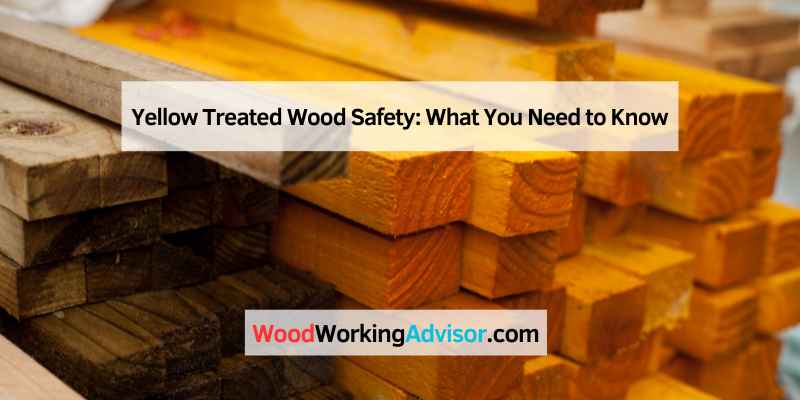
Yellow Treated Wood Safety: What You Need to Know
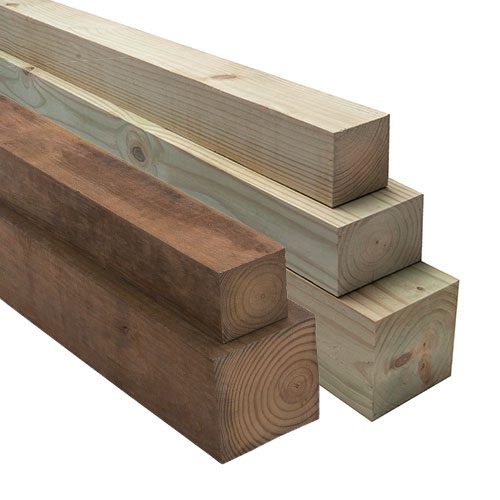
Yellow treated wood refers to wood that has been chemically treated to resist rot and insects, often used in outdoor projects. The yellow color indicates the type of preservatives used, primarily to enhance durability.
Yellow treated wood is a popular choice for outdoor construction projects like decks, fences, and playgrounds. Its distinct yellow hue comes from the treatment process, which infuses the wood with preservatives that protect it from decay and pests. This wood is ideal for areas exposed to moisture and varying weather conditions.
Homeowners appreciate its longevity and strength, making it a reliable option for various applications. Understanding the benefits and uses of yellow treated wood can help you make informed choices for your next building project. Choosing the right materials ensures safety and durability in outdoor environments.
Introduction To Yellow Treated Wood
Yellow Treated Wood is a popular choice in construction and landscaping. It undergoes a special treatment to enhance its durability. This wood resists pests and rot, making it suitable for outdoor use. Its distinct yellow hue adds aesthetic appeal to various projects.
The Basics Of Yellow Treated Wood
Yellow Treated Wood is typically made from softwood, like pine. The treatment process uses chemical preservatives. These chemicals protect the wood from:
- Pests
- Decay
- Moisture
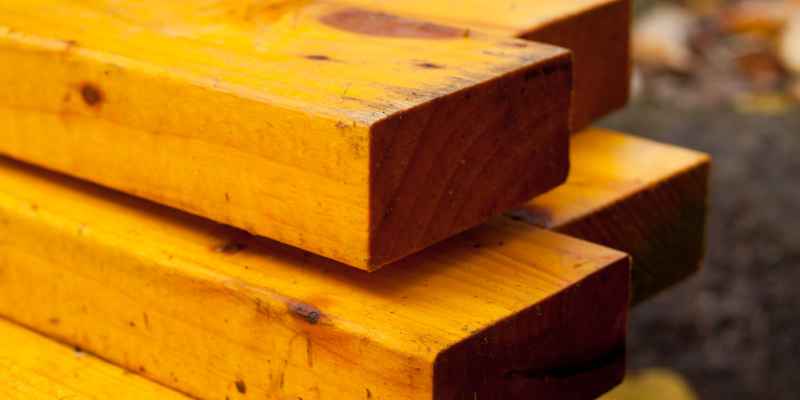
This wood is often marked with a yellow tint, which helps identify it. The treatment extends the wood’s lifespan significantly.
Common Uses In Construction And Landscaping
Yellow Treated Wood is versatile. It has many uses in both construction and landscaping:
| Application | Description |
|---|---|
| Decking | Perfect for building outdoor decks. |
| Fencing | Commonly used for durable fences. |
| Raised Garden Beds | Ideal for creating raised garden structures. |
| Playgrounds | Safe material for playground equipment. |
Builders and landscapers favor this wood for its strength. It withstands harsh weather conditions. This makes it reliable for outdoor projects.
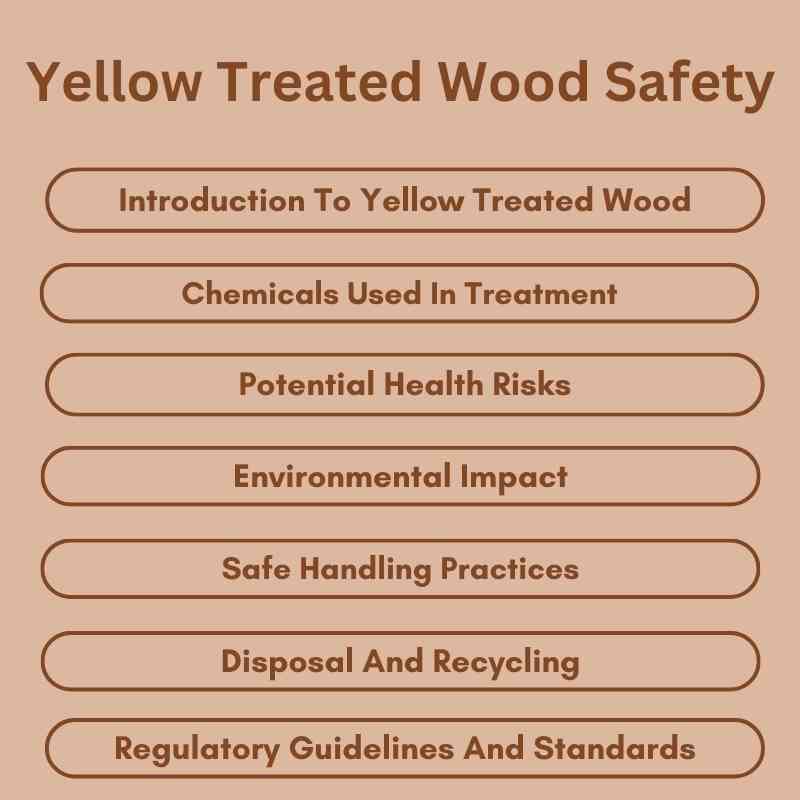
Chemicals Used In Treatment
Yellow treated wood is popular for its durability and resistance to decay. The treatment process involves various chemicals. These chemicals help protect wood from insects, moisture, and fungi.
Types Of Chemical Preservatives
Different types of chemical preservatives are used in wood treatment. Here are some common ones:
| Preservative Type | Common Uses | Benefits |
|---|---|---|
| Chromated Copper Arsenate (CCA) | Outdoor structures, decks, and playgrounds | Effective against insects and fungi |
| Alkaline Copper Quaternary (ACQ) | Decks, fences, and landscaping | Environmentally friendly and safe |
| Micronized Copper Azole (MCA) | Residential and commercial structures | Good resistance to decay |
| Borate | Interior wood and structures | Highly effective against insects |
Why These Chemicals Are Used
Wood treatment chemicals serve several important purposes:
- Insect Resistance: Protects wood from pests like termites.
- Decay Prevention: Stops fungi from breaking down wood.
- Moisture Protection: Reduces water absorption in wood.
- Longevity: Extends the lifespan of wood products.
These chemicals enhance the wood’s performance in various environments. They ensure that structures remain safe and durable for years.
Potential Health Risks
Yellow treated wood is popular for outdoor projects. It can pose health risks. Understanding these risks helps ensure safety.
Direct Contact Concerns
Direct contact with yellow treated wood can cause skin issues. Chemicals used in treatment may irritate the skin.
- Redness
- Itching
- Rashes
Always wear gloves when handling this wood. Wash hands after contact. Avoid using treated wood for food preparation surfaces.
Long-term Exposure Effects
Long-term exposure to yellow treated wood raises serious concerns. Prolonged contact may lead to respiratory issues.
| Health Risk | Symptoms |
|---|---|
| Skin Irritation | Redness, swelling, itching |
| Respiratory Problems | Coughing, wheezing, shortness of breath |
| Allergic Reactions | Rashes, hives, severe itching |
Consider using protective barriers. Ventilate areas where treated wood is used. Monitor health regularly if exposed often.
Environmental Impact
Yellow treated wood has notable effects on the environment. Its use can impact soil and water quality. Understanding these effects is crucial for sustainable practices.
Effects On Soil And Water Quality
Yellow treated wood often contains chemical preservatives. These chemicals can leach into the soil and water. This leads to several environmental concerns:
- Soil Contamination: Chemicals can harm beneficial organisms.
- Water Pollution: Contaminated runoff affects aquatic life.
- Bioaccumulation: Toxins can build up in the food chain.
Proper disposal methods are essential. They reduce the risk of chemical leaching. Choosing untreated wood can also help.
Mitigating Environmental Risks
Several strategies can minimize the environmental risks of yellow treated wood:
- Use Alternative Materials: Consider natural, untreated wood.
- Proper Disposal: Follow local guidelines for treated wood disposal.
- Choose Certified Products: Look for environmentally-friendly treatments.
Awareness of these practices leads to better choices. It benefits both the environment and human health.
Safe Handling Practices
Using Yellow Treated Wood safely is crucial for everyone involved. Proper handling reduces risks and ensures a smooth project. Follow these guidelines to stay safe while working with this treated wood.
Personal Protective Equipment
Wearing the right Personal Protective Equipment (PPE) is essential. Here are key items to use:
- Safety Goggles: Protect eyes from sawdust and debris.
- Dust Masks: Avoid inhaling harmful particles.
- Gloves: Prevent cuts and splinters.
- Steel-Toed Boots: Protect feet from heavy materials.
Always wear PPE during cutting and installation. It keeps you safe from injuries.
Best Practices For Cutting And Installation
Follow these best practices for a safe experience:
- Read Instructions: Understand manufacturer guidelines.
- Check Tools: Ensure tools are in good condition.
- Measure Twice: Ensure accuracy in cuts.
- Use Proper Tools: Select appropriate saws for cutting.
- Keep Workspace Clean: Reduce tripping hazards.
During installation:
- Secure the wood before cutting.
- Work in a well-ventilated area.
- Do not rush. Take your time.
Following these practices helps prevent accidents and injuries.
Disposal And Recycling
Yellow treated wood requires careful disposal and recycling. Proper methods help protect the environment. Here, we explore the best practices for disposing and recycling this type of wood.
Proper Disposal Methods
Disposing of yellow treated wood correctly is crucial. Follow these steps:
- Check local regulations on treated wood disposal.
- Do not burn treated wood. It releases harmful chemicals.
- Place it in designated construction waste bins.
- Consider hazardous waste facilities for safe disposal.
Options For Recycling And Repurposing
Recycling and repurposing yellow treated wood can reduce waste. Here are some creative options:
| Option | Description |
|---|---|
| Garden Beds | Use treated wood to build raised garden beds. |
| Fencing | Repurpose wood for durable fencing solutions. |
| Furniture | Create outdoor furniture pieces for your yard. |
| Play Structures | Build safe play areas for children. |
Explore these options to give yellow treated wood a second life. Be mindful of safety and environmental guidelines. Embrace creativity while being eco-friendly.
Regulatory Guidelines And Standards
Understanding the regulatory guidelines and standards for Yellow Treated Wood is essential. These guidelines ensure safety and quality. They protect both consumers and the environment.
Government Regulations
Government regulations play a vital role in the treatment of wood. They set the rules for safety and environmental protection. Key regulations include:
- Environmental Protection Agency (EPA): Oversees chemical treatments.
- Consumer Product Safety Commission (CPSC): Ensures wood products are safe.
- Occupational Safety and Health Administration (OSHA): Protects workers during wood treatment.
These regulations ensure manufacturers follow strict guidelines. Compliance helps prevent harmful chemicals from entering the environment.
Industry Standards For Safety
Industry standards further enhance the safety of Yellow Treated Wood. These standards include:
| Standard | Description |
|---|---|
| American Wood Protection Association (AWPA) | Sets treatment standards for wood products. |
| International Building Code (IBC) | Ensures wood used in construction meets safety criteria. |
| American National Standards Institute (ANSI) | Develops quality standards for treated wood. |
Manufacturers must meet these standards to ensure safety. Consumers can trust that compliant wood products are reliable.
Understanding these regulations and standards is crucial. It helps consumers make informed decisions when choosing Yellow Treated Wood.
Making Informed Choices
Choosing the right materials for your projects is crucial. Yellow Treated Wood offers many advantages but also comes with some concerns. Understanding these factors helps you make the best decision for your needs.
Selecting Alternatives
Many options exist beyond Yellow Treated Wood. Here are some alternatives to consider:
- Cedar: Naturally resistant to decay.
- Redwood: Offers excellent durability.
- Composite Wood: Made from recycled materials.
- Metal: Strong and long-lasting.
Each option has unique benefits. Think about your project’s needs and budget. Choose wisely to ensure long-lasting results.
Balancing Benefits And Risks
Yellow Treated Wood has both advantages and potential drawbacks. Here’s a quick overview:
| Benefits | Risks |
|---|---|
| Resistant to pests | Contains chemicals |
| Durable for outdoor use | May warp over time |
| Cost-effective | Not suitable for all projects |
Weigh these factors carefully. Consider the project location and environmental impact. Making an informed choice protects your investment.
Frequently Asked Questions
What Is Yellow Treated Wood?
Yellow treated wood refers to lumber that has been chemically treated to resist rot and insect damage. The yellow color comes from the preservatives used in the treatment process. This type of wood is commonly used for outdoor projects, including decks, fences, and landscaping, due to its durability and weather resistance.
How Is Yellow Treated Wood Made?
The manufacturing process involves treating wood with preservatives under pressure. This helps to infuse the chemicals deep into the wood fibers, enhancing its longevity. The treatment not only protects against decay but also against pests. As a result, yellow treated wood is ideal for various outdoor applications.
Is Yellow Treated Wood Safe For Use?
Yes, yellow treated wood is generally safe when used properly. However, it’s important to follow safety guidelines, especially when cutting or sanding. The chemicals used can be harmful if inhaled or ingested. Always wear protective gear and wash hands after handling this type of wood to ensure safety.
How Long Does Yellow Treated Wood Last?
Yellow treated wood can last 15 to 30 years, depending on the environment. Factors like moisture, soil conditions, and exposure to elements affect its lifespan. Regular maintenance can also extend its durability. For optimal longevity, consider using sealants and ensuring proper drainage around the wood.
Conclusion
Yellow treated wood offers durability and resistance against pests and decay. Its vibrant hue adds a unique touch to various projects. Whether for decking, fencing, or landscaping, this wood choice enhances both aesthetics and functionality. Invest in yellow treated wood for long-lasting results that elevate your outdoor spaces while ensuring safety and reliability.