12-Foot Deck Boards at Menards: Options and Pricing
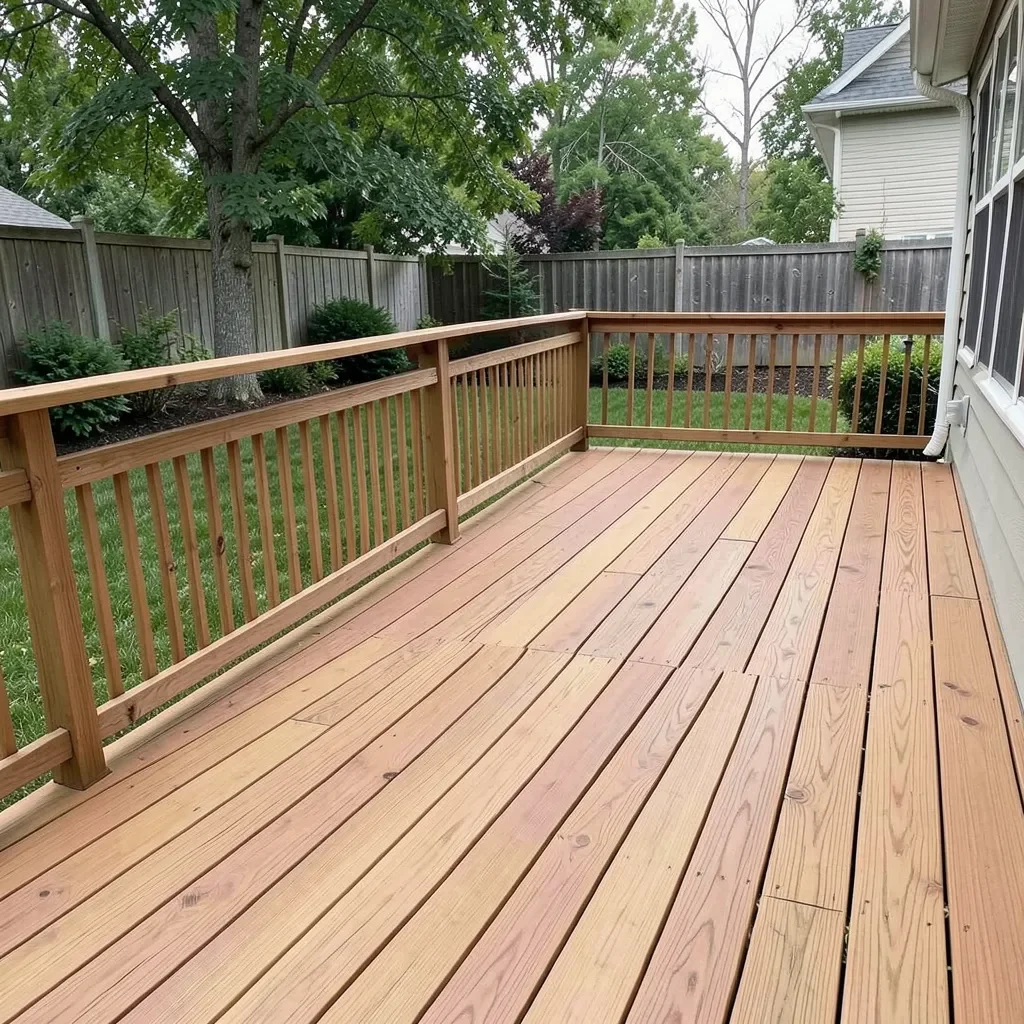
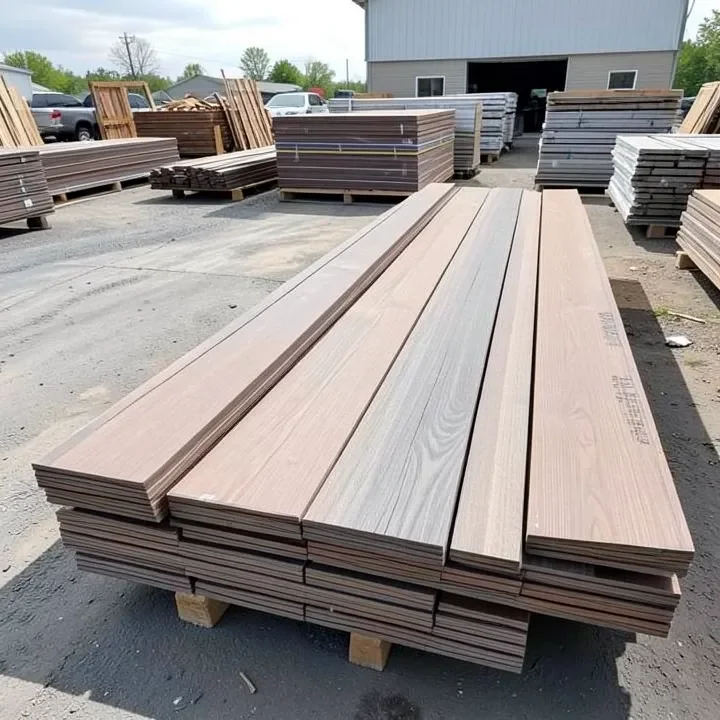
12-foot deck boards are a common stock length at Menards for pressure-treated pine, cedar, and composite decking – a length chosen specifically because it minimizes waste and seams on standard deck widths (10, 12, and 14 feet are typical), letting most residential decks run full-length boards across their width without a joint.
Why 12 Feet Is a Common Deck Board Length
Deck boards are milled in standard lengths (8, 10, 12, 16, and 20 feet are common) to match typical residential deck dimensions with minimal cutoff waste. A 12-foot board covers a 10 or 12-foot-wide deck run with only a small trim, while shorter stock would require splicing two boards with a joist directly underneath the seam – a real structural planning point, not just a cosmetic one, since every board end needs to land centered on a joist.
Material Options at This Length
Pressure-treated pine is the cheapest 12-foot option and the most widely stocked, typically running $15-25 per board depending on width and treatment grade. Cedar costs more (often $30-50 for the same length) but skips the chemical treatment and off-gassing wait period. Composite decking in 12-foot lengths costs significantly more upfront ($50-90+) but needs no staining or sealing over its service life.
Checking Board Straightness Before You Buy
Sight down the length of any board before loading it, since a 12-foot board has more length for a bow, crown, or twist to show up than a shorter piece – a board that looks straight from one end can still have a visible curve when sighted from the opposite direction. This matters more on longer stock precisely because the defect has more length to compound over.
Best for Checking Board Moisture Before Install
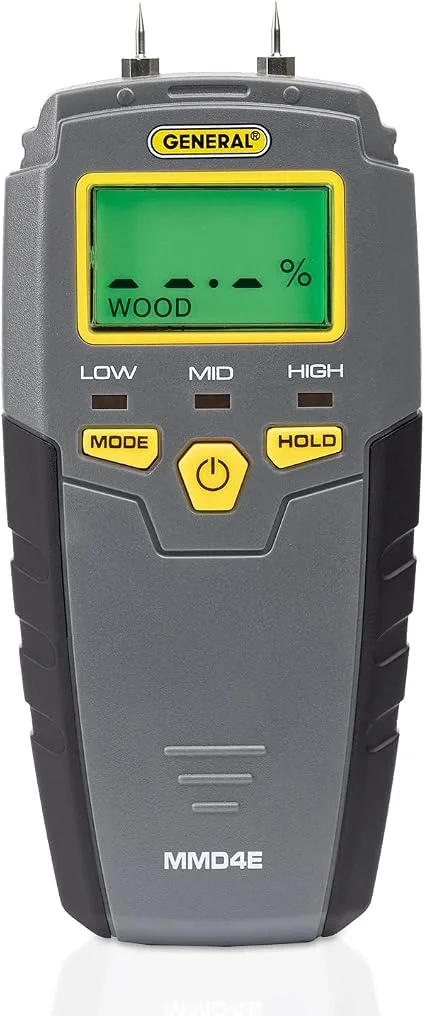 |
General Tools MMD4E Moisture Meter – $38.83 Checking a 12-foot board’s moisture content before fastening it down helps confirm it’s dry enough to install without warping later, especially on pressure-treated stock.
|
Transporting 12-Foot Boards Safely
A 12-foot board typically won’t fit inside a standard pickup bed without extending past the tailgate, which legally requires a red flag or reflective marker on the overhanging end in most states – check local regulations for the exact overhang distance that triggers this requirement, since it’s usually in the range of 4 feet past the bumper.
Ordering Online vs. In-Store Pickup
Menards’ online inventory system shows real-time stock by store location, which is worth checking before making a special trip, since 12-foot lengths in a specific species or grade can sell out faster than more commonly stocked shorter lengths during peak building season (spring and early summer).
Frequently Asked Questions
Why are deck boards commonly sold in 12-foot lengths?
12 feet matches common residential deck widths with minimal waste, letting a single board span the width without a seam that would otherwise need to land on a joist.
Is cedar or pressure-treated pine cheaper for 12-foot deck boards?
Pressure-treated pine is cheaper, typically $15-25 per board versus $30-50 for cedar of the same length, though cedar needs no chemical off-gassing wait before finishing.
Do you need a flag for a 12-foot board overhanging a truck bed?
In most states, yes, once the overhang exceeds around 4 feet past the bumper – check your specific state’s regulation before transporting long lumber.