Stone Decking Tiles: Cost, Pros, Cons & Pedestal Installation
Stone decking tiles cost $10 to $30 per square foot in materials and $20 to $60 installed – roughly double solid wood decking – but a correctly prepped base lets them outlast wood by decades. Skip the base prep and even premium natural stone will crack within a season. This guide covers both installation methods (mortar-set and floating pedestal), real cost breakdowns, and which stone actually holds up outdoors.
What Are Stone Decking Tiles?
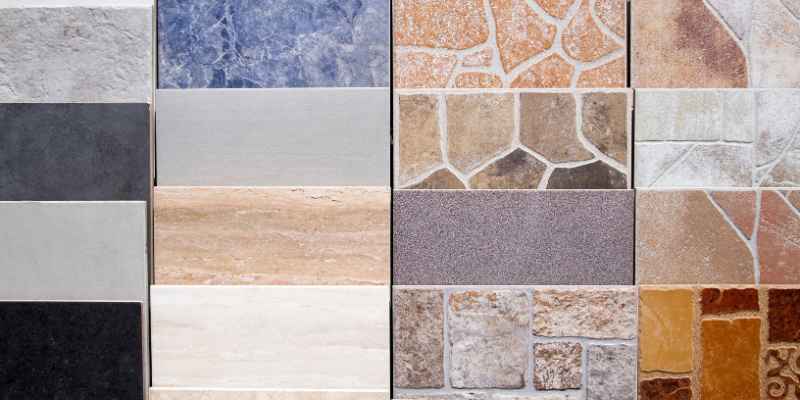
Stone decking tiles are pre-cut slabs of natural stone – most often granite, slate, limestone, sandstone, or travertine – milled to a uniform thickness (typically 3/4″ to 1 1/4″) so they install like large-format floor tile instead of irregular flagstone. That consistent thickness is what makes tile-style installation (mortar-set or floating) possible at all.
Two different products get sold under this name, and mixing them up is the most common buying mistake:
- Natural stone tiles – real granite, slate, limestone, or sandstone. Every piece has unique veining and color variation.
- Porcelain pavers – manufactured tile made to look like stone. Color-consistent, non-porous, and generally cheaper to maintain long-term.
Natural Stone vs. Porcelain Pavers: Which Holds Up Outdoors?
Porcelain pavers are non-porous and effectively immune to freeze-thaw cracking, so they skip sealing entirely. Natural stone has more character – no two tiles look alike – but it’s porous enough that moisture, de-icing salt, and pool chemicals will eventually stain or pit an unsealed surface.
| Factor | Natural Stone Tiles | Porcelain Pavers |
|---|---|---|
| Material cost per sq ft | $10 – $30 | $8 – $20 |
| Freeze-thaw resistance | Good to excellent (granite/slate best) | Excellent |
| Sealing required | Yes, every 1-3 years | No |
| Appearance | Unique veining, ages with character | Uniform, consistent pattern |
If low maintenance matters more than one-of-a-kind veining, porcelain wins. If you want a surface where no two tiles are identical and you don’t mind resealing every couple of years, natural stone is worth the extra cost.
Sealing and Maintenance: What Actually Keeps Stone Tiles Looking New
Natural stone decking tiles need resealing every 1 to 3 years because the stone itself is porous. Skip it, and de-icing salt, pool chemicals, or plain rainwater will eventually stain or pit the surface – porcelain pavers skip this requirement entirely since the material doesn’t absorb moisture.
- Sweep or rinse weekly so grit doesn’t scratch the finish underfoot.
- Clean with mild soap and water – avoid acidic cleaners on limestone and travertine, which etch on contact.
- Reseal with a penetrating sealer, not a topical/film-forming one, so the surface keeps its natural texture instead of turning glossy or slippery when wet.
Best Stone Sealer Pick
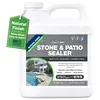 |
Serveon Natural Stone & Patio Sealer (1 Gal) – $59.95 A penetrating, water-based sealer that matches the “reseal every 1-3 years” schedule this guide covers – it soaks into porous stone instead of coating it, so it won’t leave the glossy, slippery film a topical sealer can.
|
As an Amazon Associate we earn from qualifying purchases.
“The mistake we see most with natural stone tile is skipping the penetrating sealer on limestone and travertine – those two stones are soft enough that pool chemicals and de-icing salt will etch the surface within a single season if it’s left bare.”
Our team, WoodworkingAdvisor.com
Two Ways to Install Stone Decking Tiles
Most guides only cover the traditional mortar-set method. A floating pedestal system is the other real option, and it’s the better choice over an existing concrete slab, roof deck, or balcony where you can’t (or don’t want to) mix mortar.
Mortar-Set Installation (Best for a Permanent Patio)
This is a permanent installation: thin-set mortar bonds the tile directly to a prepared base, then grout fills the joints. You’ll need stone tiles, thin-set mortar, a notched trowel, tile spacers, a level, a rubber mallet, grout, and a sponge.
- Plan the layout: Dry-lay the pattern first and mark reference lines with a chalk line.
- Mix and apply mortar: Spread thin-set with a notched trowel in small sections so it doesn’t skin over before tiles go down.
- Set and level tiles: Press each tile into the mortar with spacers, checking level and tapping high spots down with a rubber mallet.
- Grout the joints: Once the mortar cures (follow the package timeline), pack grout between tiles and wipe excess with a damp sponge.
Floating Pedestal Installation (No Mortar, No Grout)
Adjustable plastic pedestals let tiles “float” above an existing surface – concrete, a waterproof roof membrane, or a compacted base – without any mortar or grout. Each tile locks to its neighbors and screws into the pedestal head, and water drains straight through the joints below the tile surface.
- Check the substrate: Confirm the existing surface is flat, structurally sound, and slopes away from the house for drainage.
- Lay out the pedestals: Space adjustable pedestals every 16 to 24 inches under each tile’s corners, adjusting height to level uneven spots without cutting into concrete.
- Set the tiles: Lower each tile onto the pedestal heads and click the corner tabs together – no mortar or spacers needed.
- Lock the perimeter: Secure edge and corner tiles with the pedestal’s screw-and-washer kit so no tile shifts more than one tab width.
- Confirm drainage: Leave roughly 1/8 inch between tiles so water drains through to the surface below instead of pooling on top.
How Much Do Stone Decking Tiles Cost?
Material alone runs $10 to $30 per square foot for natural stone, depending on the species and finish. Once you add labor, a professionally installed floating-pedestal or mortar-set patio typically runs $20 to $60 per square foot installed, with wide regional variation driven by stone type and site prep.
📊 Stone decking tiles cost roughly double solid wood decking per square foot ($15-$25/sq ft) but require far less repainting, refinishing, or plank replacement over a 20-year span – Source: national remodeling and paver installation cost guides, 2026.
| Material | Cost per Square Foot (materials) |
|---|---|
| Stone decking tiles (natural) | $10 – $30 |
| Porcelain pavers | $8 – $20 |
| Wood decking | $15 – $25 |
| Composite decking | $20 – $40 |
For a full breakdown of what your specific footprint will cost once you factor in your local labor rates, run the numbers through our decking cost calculator or compare against hardwood flooring’s cost per square foot if you’re deciding between an indoor and outdoor material.
Common Stone Decking Tile Problems (and How to Fix Them)
Uneven or Settling Tiles
Uneven tiles almost always trace back to a base that wasn’t compacted or leveled before installation. On a mortar-set patio, fix low spots with a self-leveling compound before re-setting the tile. On a pedestal system, this is much simpler – just adjust the pedestal height under the affected tile rather than tearing anything out.
Cracking From Freeze-Thaw Cycles
Water that soaks into porous, unsealed stone expands when it freezes, and that’s what cracks or pits the surface over a winter. Granite and slate handle freeze-thaw cycles well; limestone and sandstone are more porous and need sealing before their first winter in cold climates. Porcelain pavers sidestep this problem entirely since they don’t absorb water.
FAQs on Stone Decking Tiles
Are stone decking tiles slippery when wet?
Polished natural stone and glazed porcelain can be slippery when wet. Choose a honed, flamed, or textured finish for pool decks and walkways – those finishes add grip that a polished finish doesn’t have, without changing the material’s cost significantly.
Can you install stone decking tiles over an existing concrete patio?
Yes. A floating pedestal system is built specifically for this – it doesn’t require demolishing the old slab, only that the concrete is structurally sound and drains properly. Mortar-set tile can also go over concrete, but the slab needs to be crack-free and properly cleaned first.
Do stone decking tiles need sealing every year?
No. Most penetrating sealers protect natural stone for 1 to 3 years before they need reapplying, depending on foot traffic and exposure to pool chemicals or de-icing salt. Porcelain pavers don’t need sealing at all since the material is non-porous.
Are stone decking tiles more expensive than porcelain pavers?
Usually, yes. Natural stone runs $10 to $30 per square foot in materials versus $8 to $20 for porcelain pavers. Natural stone also costs more to maintain long-term because it needs periodic resealing that porcelain skips entirely.
Can stone decking tiles be installed without mortar?
Yes – a floating pedestal system installs stone tiles without mortar or grout. Adjustable pedestals raise and level the tiles above the existing surface, and each tile locks to its neighbors and screws into the pedestal head instead of bonding to a mortar bed.
Conclusion
Stone decking tiles cost more upfront than wood or composite decking, but the two-installation-method flexibility – mortar-set for a permanent patio, floating pedestal for an existing slab or roof deck – and multi-decade lifespan make the math work for most outdoor spaces. Choose porcelain pavers if low maintenance matters most, or natural stone if you want a surface where no two tiles look alike.
Sponsored / affiliate links. As an Amazon Associate I earn from qualifying purchases. I may earn additional commission from eligible campaigns.