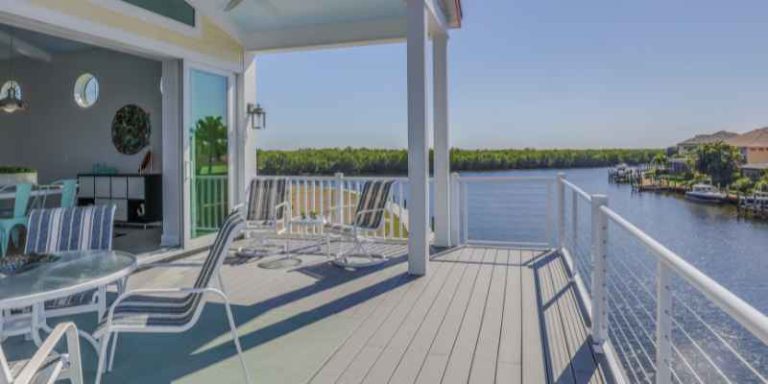
16 Foot Deck Boards at Lowes: Enhance Your Outdoor Space
16-foot deck boards let you span a large deck with fewer seams, less waste, and a more uniform look than shorter boards pieced together — a real practical advantage for big or open deck layouts. Lowes carries them in pressure-treated wood, composite, and PVC, each with different tradeoffs in cost, durability, and how much upkeep they need.
Benefits Of 16-Foot Deck Boards
Best For Consistent Gaps On A New Deck
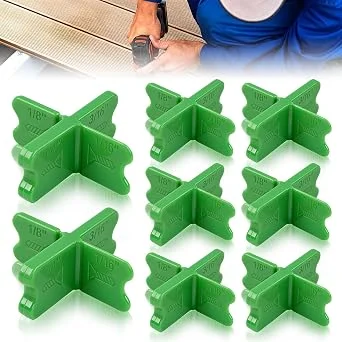 |
8-Piece Deck Board Spacer Set (4 Thicknesses) – $9.99 Gives you consistent 1/16″, 1/8″, 3/16″, or 1/4″ gaps — the right spacing depends on the material, and this set covers pressure-treated, composite, PVC, and hardwood.
|
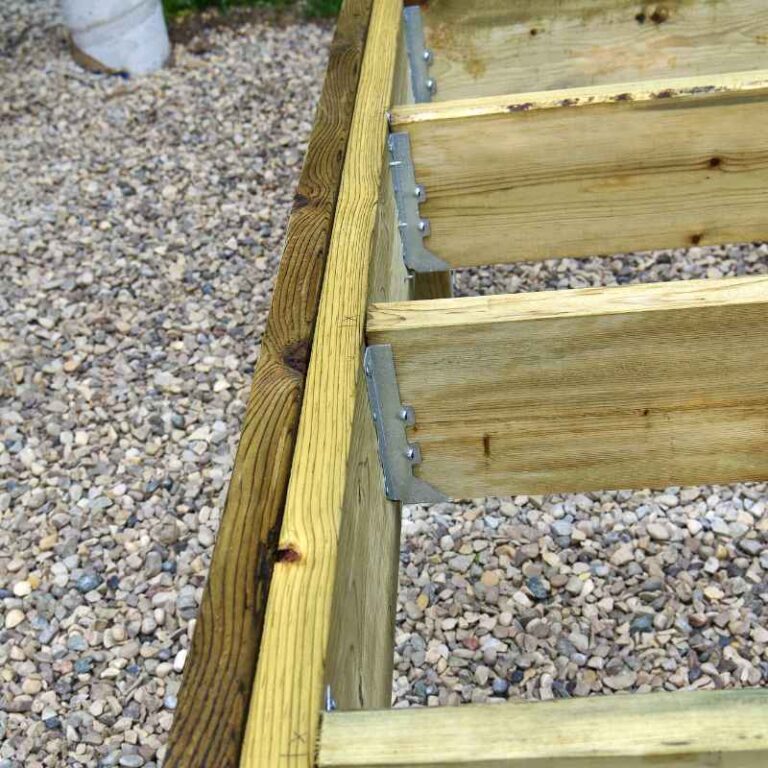
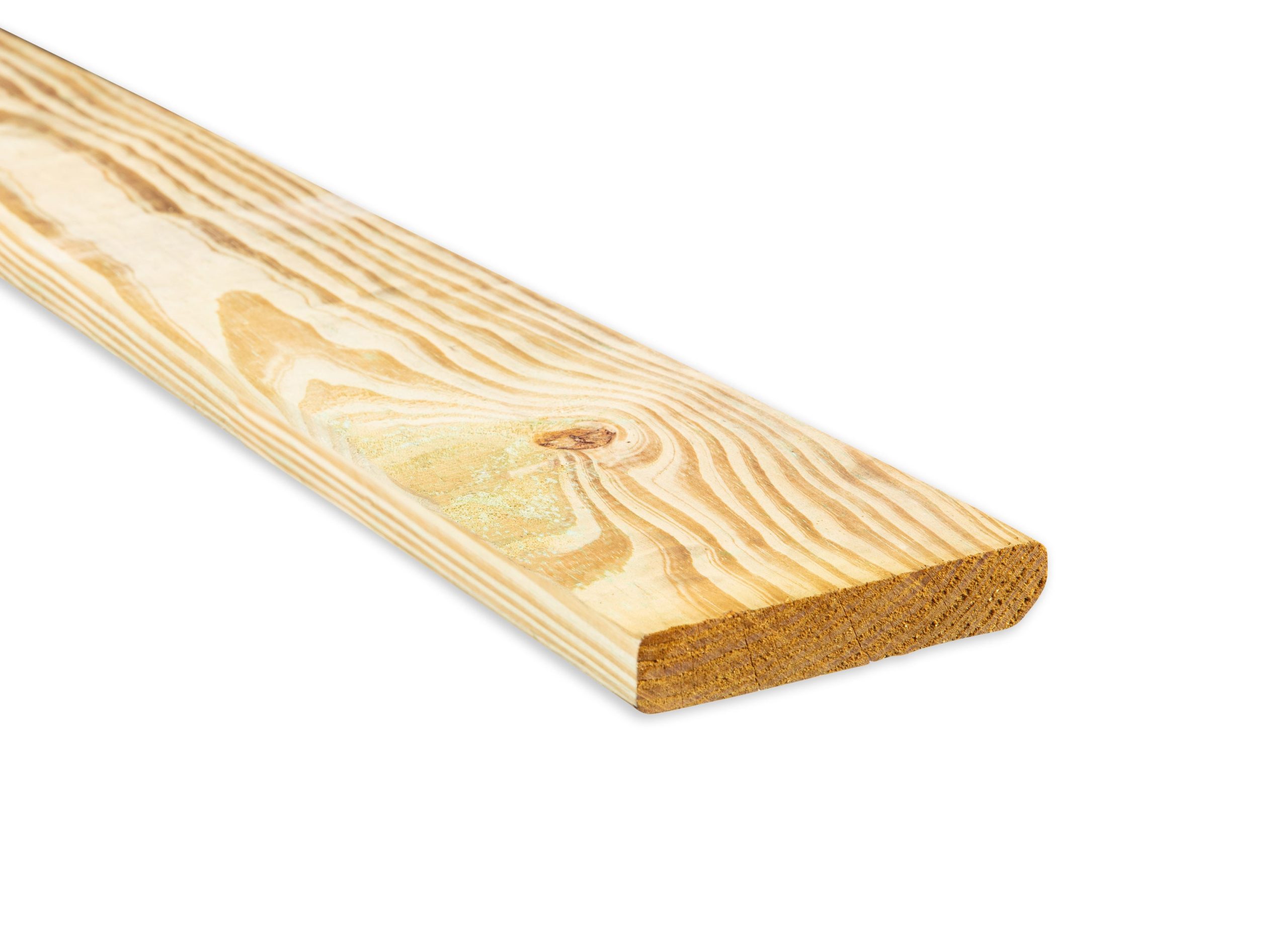
Fewer seams means fewer places for water to collect and fewer board ends to caulk or seal, which genuinely helps a deck hold up longer. Longer boards also cut down on the cutoffs and waste you’d get piecing together multiple shorter lengths, and a full-length run gives a cleaner, more finished look on a large deck. On the structural side, longer boards still need to be supported by joists at the manufacturer’s specified spacing (typically 16″ on-center for most decking) — length alone doesn’t reduce how often you need support underneath.
Types Of Deck Boards Available
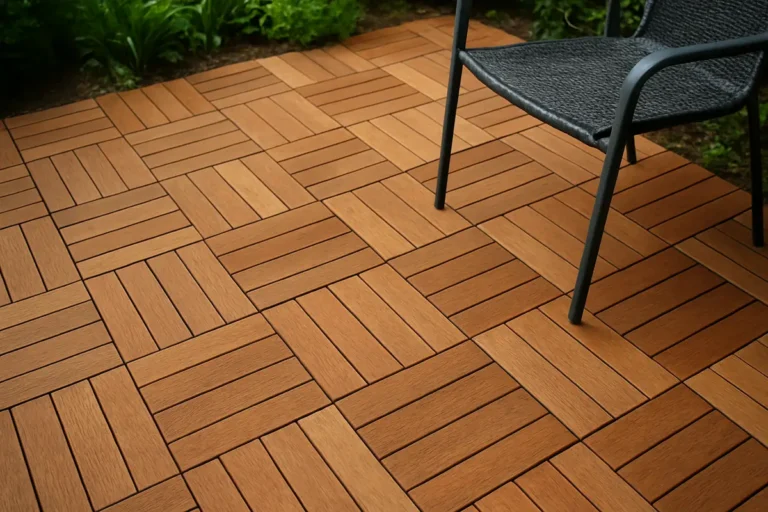
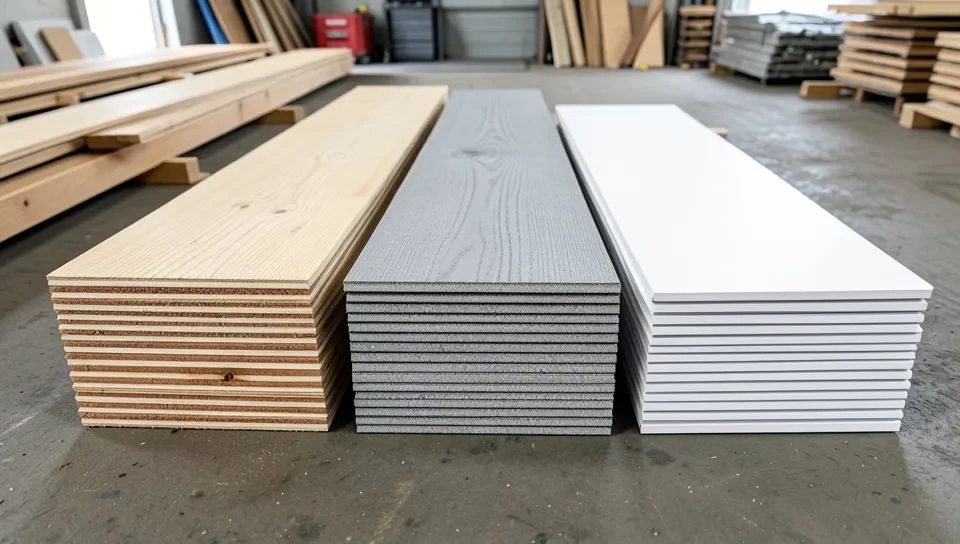
Pressure-treated wood is the most affordable option and holds up well outdoors thanks to the chemical treatment that resists rot and insects, but it needs regular sealing or staining and can warp, cup, or check as it dries and weathers. Composite boards blend wood fiber and plastic for a low-maintenance option that resists rot and won’t need painting, available in a wide range of colors — they cost more upfront than wood but typically last longer with far less upkeep. PVC boards are 100% plastic, fully waterproof, and need no sealing or painting at all, making them a strong choice for docks or consistently wet areas — they cost the most per board but hold up the longest with the least maintenance.
Choosing The Right Material
Climate matters more than most people expect: intense sun fades and dries out wood and some composites faster, while consistently wet or humid conditions favor PVC or composite over untreated wood. Factor in real maintenance commitment — wood needs annual sealing to look and perform its best, while composite and PVC need essentially none beyond occasional cleaning. Match the board’s look (wood-grain composite, solid-color PVC, natural wood tone) to your home’s style, since decking is a visible, long-term feature, not something to retrofit easily once installed.
Installation Tips
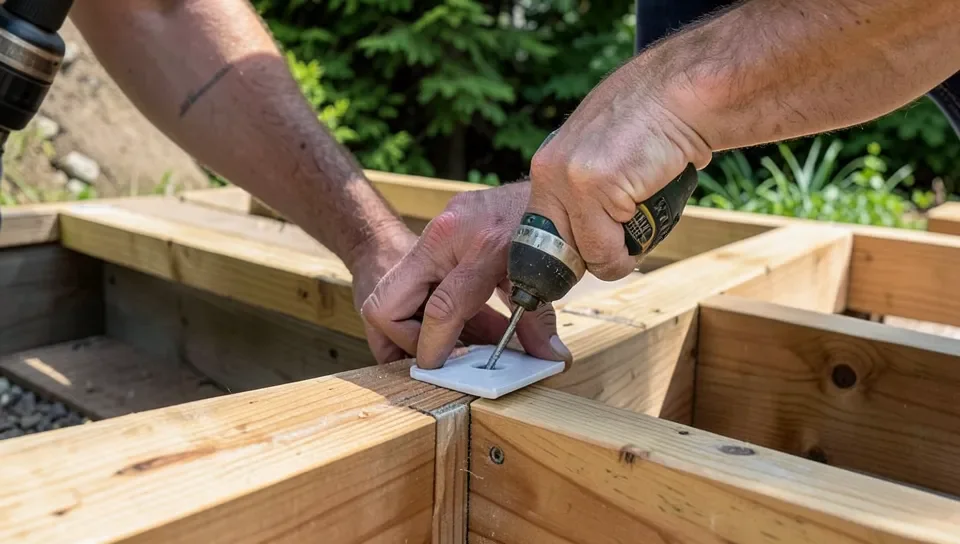
Start with a clean, level base: clear rocks and roots, check for slope with a level, lay landscape fabric to block weeds, and compact a gravel base underneath for drainage. Board spacing depends on material and moisture content, not a single universal number — wet, pressure-treated lumber shrinks noticeably as it dries, so it’s often installed with little to no gap and left to shrink into proper spacing, while kiln-dried wood, composite, and PVC don’t shrink the same way and need a consistent gap (commonly 1/8″ to 1/4″, but always check the manufacturer’s spec) set with spacers as you go. Secure each board with the fastener type the manufacturer recommends — composite and PVC often use hidden clip systems rather than face screws — and check spacing periodically as you work down the deck, since small errors compound over a 16-foot run.
Cost Considerations
Pressure-treated wood costs the least upfront but needs ongoing sealing or staining, which adds real time and money over the life of the deck. Composite and PVC cost more per board but need essentially no annual maintenance, which can even out or beat wood’s total cost over 10-15 years depending on how diligent you are about sealing wood. Prices at Lowes vary by material, brand, and promotions — comparing per-linear-foot cost across brands, not just the sticker price per board, gives the clearest picture for a full deck.
Maintenance And Care
Sweep debris off regularly and rinse with water; a mild soap handles most sticky spots without harsh chemicals that can dull the finish or, on some composites, void the warranty. Wood decking needs a fresh sealant roughly every year to keep water out and prevent rot; composite and PVC skip this step entirely. Check for cracks, splits, or loose fasteners each season, patch small wood damage with filler, and replace boards with significant cracks promptly — a compromised board is a real safety issue, not just a cosmetic one.
Design Ideas For Outdoor Spaces
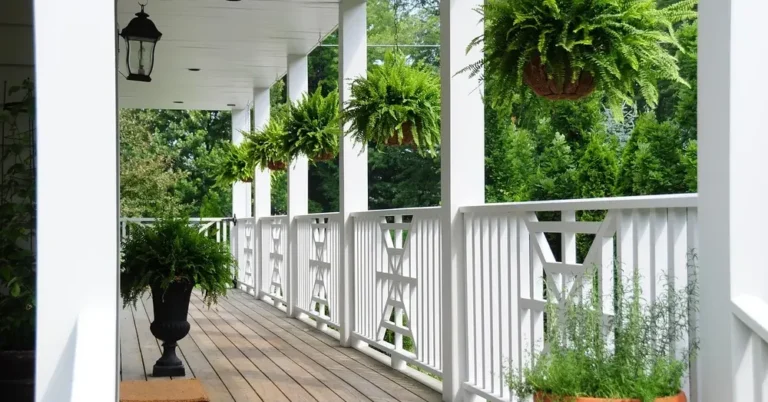
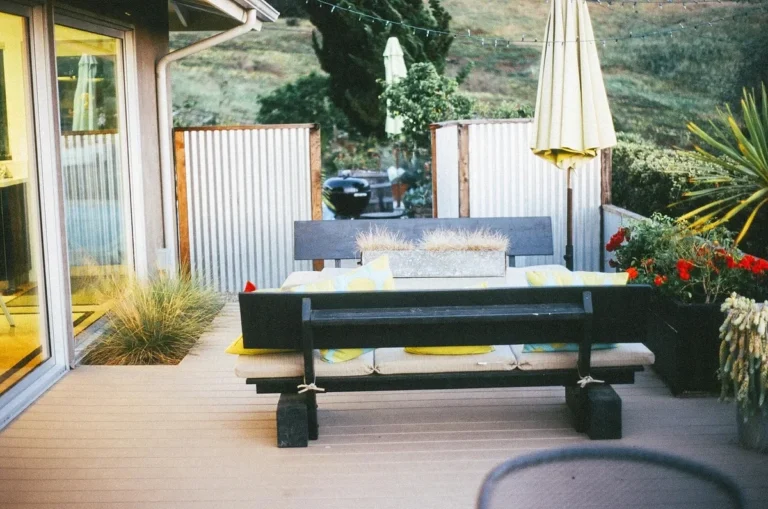
Weather-resistant furniture in materials that match your decking ties the whole space together, and a few well-placed cushions or a small outdoor rug add comfort without sacrificing durability. Lighting extends how much you actually use the space — solar path lights are low-effort, string lights add ambiance, and spotlights can highlight plants or architectural features. Defining zones with furniture groupings or rugs (a dining area, a lounge area, a clear walking path between them) makes a large 16-foot-plus deck feel organized rather than like one big undifferentiated platform. For more ideas, see our guide to must-have deck accessories.
Frequently Asked Questions
What Are The Benefits Of 16-Foot Deck Boards?
Fewer seams for a cleaner, more uniform look, less waste from cutting shorter boards to fit, and reduced installation time on large decks. They still need joist support at the standard spacing regardless of their length.
Are 16-Foot Deck Boards Available In Different Materials?
Yes — Lowes carries 16-foot boards in pressure-treated wood, composite, and PVC. Wood is the most affordable but needs regular sealing; composite and PVC cost more upfront but need little to no ongoing maintenance.
How Much Do 16-Foot Deck Boards Cost At Lowes?
Prices vary by material and brand, typically ranging from about $10 to $60 per board. Compare cost per linear foot across brands rather than just the price per board, and check current promotions before buying for a full deck.
Can I Install 16-Foot Deck Boards Myself?
Yes, with the right tools and attention to local building codes — long boards are heavier and more awkward to handle solo, so a second person makes the job much easier. Consider a professional for structural framing or complex layouts, but the board installation itself is a reasonable DIY task.
Conclusion
16-foot deck boards from Lowes give you fewer seams and less waste on a large deck, in wood, composite, or PVC depending on your budget and maintenance tolerance. Match the spacing method to the material — wet pressure-treated wood shrinks into its gaps, everything else needs consistent spacers — and the rest is standard deck-building practice. Choose based on your climate, budget, and how much upkeep you actually want to do, and the boards themselves will serve you well either way.
Sponsored / affiliate links. As an Amazon Associate I earn from qualifying purchases. I may earn additional commission from eligible campaigns.