How Much Does It Cost to Add Railing to an Existing Deck?
Adding railing to an existing deck often costs about $20 to $120 per linear foot installed, and the total can be higher when the job is more complex or involves repairs, replacement work, or permit requirements. This guide breaks down retrofit pricing, code triggers, and the framing conditions that change the final bill.
Typical cost range



Most retrofit railing projects land between $1,200 and $9,000+, with installed pricing commonly quoted at $20 to $120 per linear foot. Small, straightforward runs sit near the bottom of that range; taller decks, stairs, and reinforcement work move fast toward the top. For a small, straightforward run, labor alone often takes 8 to 25 hours.
Retrofit quotes usually cost more than a new-build allowance because the existing deck may need inspection, layout changes, and fastening upgrades before any posts go in. A new deck quote often assumes fresh framing and easy access. An existing deck may need blocking, rim-joist repairs, or post bases before it can safely accept railing load.
Retrofit cost examples by deck size
Say your deck has a 20-foot open side and needs three posts, a straightforward wood guard can fall around $700 to $1,100. A larger 60-foot cedar picket project with 9 posts can run $2,600 to $4,000. The difference comes from length, post count, and the labor tied to attachment and layout.
A common mistake is budgeting only for the front stretch of railing and forgetting the extra labor and hardware needed for stairs and corners. Posts, hardware, finish, and access work can add a surprising amount on an older deck. If the deck surface is high enough to trigger guard rules, the quote should also reflect code-compliant height, spacing, and attachment details.
Railing cost table
Use this table as a retrofit calculator. It gives rough installed totals for common styles and shows how structural add-ons change the bill on an existing deck. The totals assume typical straight runs unless noted, and stair sections are priced separately because they take more labor.
| Style | Installed cost per linear foot | Example run | Posts | Typical add-ons | Estimated total |
|---|---|---|---|---|---|
| Pressure-treated pine picket | $20-$35 | 20 linear feet | 3 | Basic blocking, hardware, finish | $700-$1,100 |
| Cedar picket | $30-$50 | 20 linear feet | 3 | Basic blocking, hardware, finish | $900-$1,500 |
| Cedar picket | $30-$50 | 60 linear feet | 9 | Blocking, hardware, finish, permit | $2,600-$4,000 |
| Cable with cedar posts | $65-$120 | 20 linear feet | 3 | Blocking, tension hardware, finish | $1,700-$3,000 |
| Stair section, wood | Quoted separately | One stair run | 1-2 extra posts | Compound angle cuts, extra labor | Higher than straight run |
| Retrofit add-ons | N/A | N/A | N/A | Blocking, post bases, permit fees, frame repairs | Varies by site condition |
What the table leaves room
That table assumes the deck frame can accept the new load with limited repair. If the rim joist is split, rot-softened, or missing solid backing where posts need to land, the structural add-ons may outweigh the visible railing materials. This is why retrofit pricing needs a site check, not just a tape measure.
What drives the price most?
The biggest price swings usually come from post attachment, deck height, and how easy the deck is to work on. A railing system is only as strong as the members holding it. If the post layout forces more hardware, more blocking, or more frame repair, the installed price climbs quickly.
Post spacing and attachment method
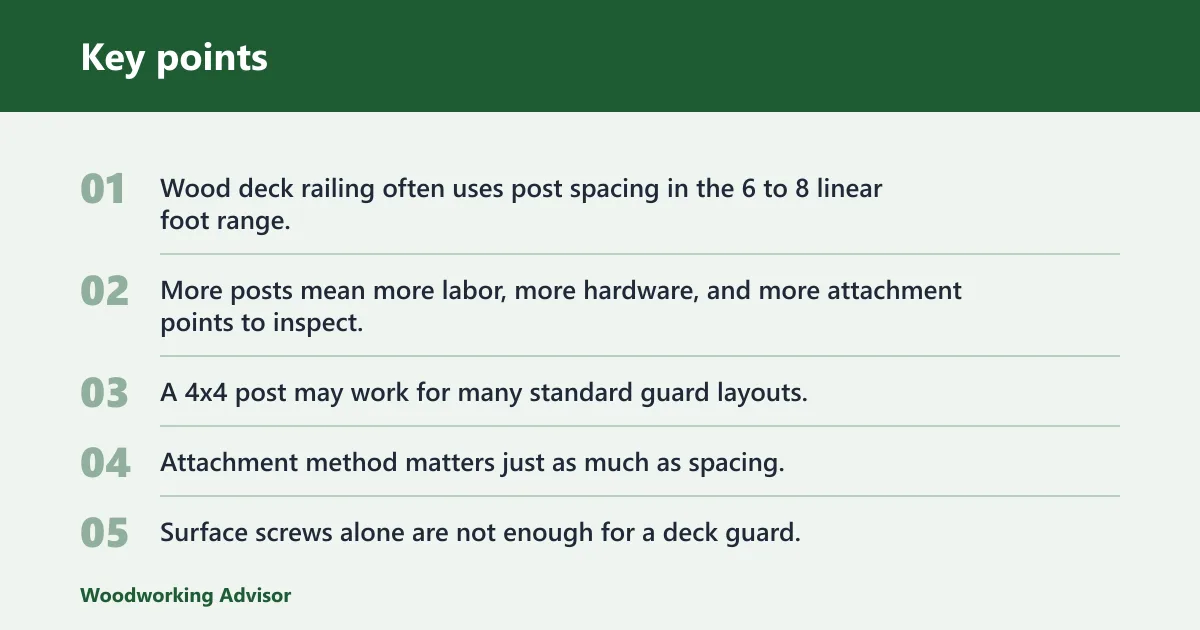
Wood deck railing often uses post spacing in the 6 to 8 linear foot range, plus corner posts, but actual allowable spans depend on the rail system and manufacturer instructions. More posts mean more labor, more hardware, and more attachment points to inspect. A 4×4 post may work for many standard guard layouts, while a 6×6 post is often used where the design, span, or local code calls for more stiffness.
Attachment method matters just as much as spacing. Surface screws alone are not enough for a deck guard. Posts need a load path into framing, which often means through-bolting, blocking, or post bases tied into structure, not just the decking boards.
Deck height, access, and labor difficulty
Higher decks typically need more careful layout, more code checking, and more time spent on fall protection and cut accuracy. Tight access under the deck can make blocking and fastening slower. That is why the same railing style can price very differently from one house to the next.
Picture a second-story deck with a narrow side yard and a hidden rim board. Even a modest rail run can take longer than a longer, open-access ground-level job because every post needs careful backing and fastener placement.
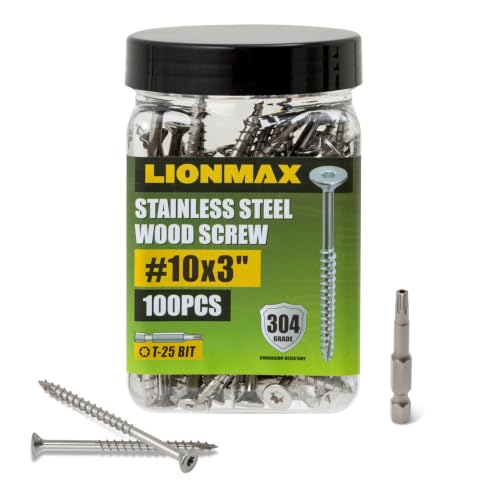
Fasteners, brackets, caps, and finish all belong in the budget. On wood railing, finish may be included in some quotes, but not all. Cable systems add tension hardware and more precise installation steps, which is one reason they cost more than picket-style wood railing.
Code-related upgrades can also change the bill. If the railing height, spacing, or attachment details do not match local rules, the installer may need to revise the layout or add structural backing before the work can pass inspection.
Which railing style costs the least?
Pressure-treated pine is usually the budget baseline, cedar costs more, and cable railing is usually the highest-cost common option. The material itself matters, but the bigger difference often comes from labor and hardware. Simpler picket-style wood railing is usually cheaper to install than cable systems.
Pressure-treated pine railing
Pressure-treated pine picket railing runs $20 to $35 per linear foot. It is the low-cost choice for homeowners who want a standard guard without paying for specialty hardware. It is commonly used for picket railing and is the usual starting point for comparing retrofit quotes.
Cedar railing
Cedar picket railing runs $30 to $50 per linear foot. Cedar costs more than pressure-treated pine, but it often gets chosen for its appearance in both picket and horizontal styles. The price difference is not only the lumber; the quote often reflects a more premium finished look.
Cable railing
Cable plus cedar posts costs $65 to $120 per linear foot. That higher range reflects stainless steel cable, stronger post requirements, and the extra labor needed to tension the system correctly. Cable railing also demands careful spacing and attachment, so it is rarely the cheapest retrofit option.
Horizontal designs can also land near the top end because many of them use similar premium materials or more exact post and spacing requirements than simple picket runs. If your goal is the lowest installed cost, plain wood picket railing is usually the first place to start.
Do you need permits or code upgrades?
Many retrofit projects need a permit, but not every jurisdiction handles it the same way. Railing work may fall under local deck or guard rules. If the deck is permanent and the work affects safety, a permit is often part of the plan.
Guard height rules by jurisdiction
Code thresholds vary. Many IRC-based jurisdictions require guards when the walking surface is more than 30 inches above grade, while local rules can differ. Some areas require 36-inch or 42-inch railing depending on the jurisdiction and the specific deck condition. The safest approach is to confirm the local guard height before ordering materials.
When the existing frame needs reinforcement
Old framing may need blocking or repair before a new guard can be attached safely. Common trouble spots include split rim joists, rotten ledger areas, loose framing connections, and decking that does not provide a solid fastening path. If the frame cannot hold the guard load, the railing needs structural work first.
That matters because a guard is a safety system, not trim. If the deck cannot accept the load, adding railing without reinforcement creates a liability and often leads to inspection failure. In that case, the real budget line is frame repair, not the railing itself.
How much do stair sections and posts add?
Stair railing usually costs more than straight railing because it needs angle cuts, careful fitting, and more labor per foot. The stair section is often quoted separately from the straight run. Post count also changes the total because corners, ends, and turns need more support.
Why stair railing costs more than straight railing
Stair sections deal with changing angles, not a level line. That means more layout time, more cut adjustments, and more finish work to keep the rail comfortable and code-aligned. On many quotes, the stair section becomes a higher labor item even if the material is similar to the rest of the railing.
How many posts you need
For wood deck railing, start with one post every 6 to 8 linear feet, then add corner posts and end posts. A 20-foot straight run often lands around 3 posts, while larger layouts can need many more. The exact count changes with corners, stairs, and whether the run needs intermediate support.
4×4 versus 6×6 posts
Most retrofit layouts use 4×4 or 6×6 lumber for posts, depending on the design and local code. A 4×4 may work for standard picket guards when properly anchored. A 6×6 can make sense where the load path, span, or local requirements call for more mass and stiffness.
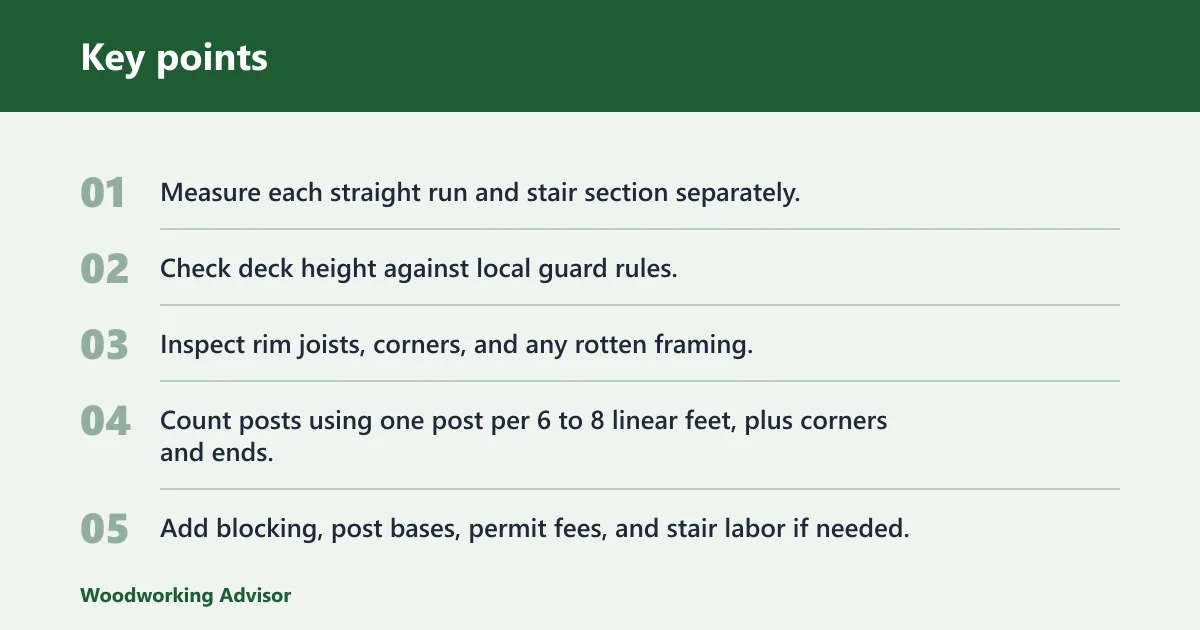
- Measure each straight run and stair section separately.
- Check deck height against local guard rules.
- Inspect rim joists, corners, and any rotten framing.
- Count posts using one post per 6 to 8 linear feet, plus corners and ends.
- Add blocking, post bases, permit fees, and stair labor if needed.
- Price the material style after the structural checklist is complete.
Frequently asked questions
How much does it cost to add railing to an existing deck?
A simple wood run can stay near the low end, while post replacement, stair sections, permit work, and structural repairs can push the total much higher.
What is the cost per linear foot for deck railing?
Installed deck railing can cost $20 to $120 per linear foot. Pressure-treated pine picket railing runs $20 to $35 per linear foot, cedar picket railing runs $30 to $50 per linear foot, and cable plus cedar posts costs $65 to $120 per linear foot. Straight runs are usually cheaper than stair sections.
Is wood deck railing cheaper than cable railing?
Yes. Wood railing is usually cheaper than cable railing because the materials and hardware are simpler to install. Pressure-treated pine is the budget option, cedar sits in the middle, and cable plus cedar posts costs far more per linear foot because of stainless cable, tension hardware, and tighter installation demands.
What changes the price of deck railing the most?
Post attachment and deck condition usually change the price the most. A deck that needs blocking, repaired rim joists, or upgraded post bases costs more than one with sound framing. Deck height, access, stair sections, finish, and permit work also matter, but structural prep is often the biggest swing factor.
Do I need a permit to add railing to a deck?
Often, yes. Permit rules depend on local code, deck height, and whether the railing work is considered a permanent safety upgrade. Check before buying materials.
Can I add railing to an existing deck without rebuilding it?
Often you can, but only if the existing frame can safely take the load. If the rim joist, blocking, or ledger area is weak, the deck may need reinforcement before railing goes on. A safe retrofit starts with a framing check, then moves to post layout, hardware, and code height compliance.
Sponsored / affiliate links. As an Amazon Associate I earn from qualifying purchases. I may earn additional commission from eligible campaigns.