Deck Resurfacing vs Full Rebuild Cost Compared
Deck resurfacing is often reported at about $15–$30 per square foot, while a full rebuild often runs about $40–$70+ per square foot. Once the frame, posts, ledger, or footings need major repair, or the surface-only quote gets to roughly half the rebuild cost, replacement is often the better buy. Ignoring that cutoff can leave you paying twice, first for patch work and later for a structural teardown. This guide compares both options by cost, structural condition, and the point where resurfacing stops making financial sense.
| Factor | Deck Resurfacing | Full Rebuild | Winner |
|---|---|---|---|
| Up-front cost | Lower, because you keep the frame and replace the surface. | Higher, because labor, demolition, framing, and permits stack up. | Deck Resurfacing |
| Structural scope | Works only when the footings, posts, beams, joists, and ledger board are sound. | Lets you replace damaged framing and rebuild the load path. | Full Rebuild |
| Permit and code burden | Usually lighter if you are not changing structure. | Often heavier because structural work can trigger inspections and upgrades. | Deck Resurfacing |
| Long-term flexibility | Good when the frame has life left and you want a face-lift. | Better when the frame is nearing the end of its service life. | Full Rebuild |
| Best-fit use case | Cosmetic wear, sound framing, and stable ledger connection. | Rot, bounce, soft spots, bad flashing, or failed ledger details. | Tie |
Cost trade-off at a glance
Deck resurfacing usually costs less because it keeps the framing system in place. A full rebuild costs more because it includes demolition, framing repairs, new load-bearing parts, and the paperwork that structural work can trigger. The lower price stops being a deal when hidden damage turns a surface job into repeated repairs.
Side-by-side cost drivers
Resurfacing usually pays for new deck boards, fasteners, railings, and sometimes stairs. A rebuild can also include footings, posts, beams, joists, ledger board repair, flashing, permits, and disposal. That is why two decks with the same square footage can produce very different bids.
Suppose a 200-square-foot deck only has weathered boards and loose rail caps. A resurfacing quote can stay focused on the visible parts. If the same deck also has a soft ledger board and sagging joists, the quote changes because the work is no longer surface-only.
Where the cheaper option stops being cheaper
The cutoff is structural condition, not paint quality or board color. If the frame has rot, if the deck feels bouncy, or if the ledger board is damaged, resurfacing becomes a short-term fix rather than a value move. In that case, the lower bid can hide a future teardown.
Deck condition comparison table
This decision matrix ties condition to the likely cost path. The rule is simple: cosmetic wear points toward resurfacing, while structural damage points toward repair or rebuild. A partial rebuild often sits in the middle when the deck has localized rot, but the rest of the frame still has usable life.
| Deck condition | Likely cost path | Typical line items | Go/no-go for resurfacing |
|---|---|---|---|
| Cosmetic wear only | Deck Resurfacing | New decking, fasteners, rail touch-ups, stair treads if needed | Go if the frame is dry, firm, and the ledger is sound |
| Board and rail replacement | Deck Resurfacing | Deck boards, railings, a few stair parts, hardware, minor flashing fixes | Go if joist spacing is stable and there is no rot at connections |
| Localized framing repair | Partial rebuild | Selective joist replacement, beam patching, flashing repair, targeted disposal | No if the repair area is expanding or the ledger shows damage |
| Full rebuild | Full Rebuild | Demolition, framing replacement, new footings or posts, new decking, railings, stairs, permits, disposal | No |
What resurfacing replaces
Deck resurfacing replaces the top layer, not the structure underneath it. That means new deck boards, new or reused fasteners, and often new railings or stair parts if those pieces are worn. It depends on the framing being structurally sound.
Deck boards and fasteners
Most resurfacing jobs start with removing the old surface and installing new boards over the existing joists. Pressure-treated lumber is the budget baseline for that work, while composite decking raises material cost but can reduce future maintenance. If the joists are flat and the spacing is normal, resurfacing stays practical.
Railings and stairs
Railings and stairs often get renewed at the same time because they are exposed and easy to see. That still counts as resurfacing if the underlying structure stays in place. Once those parts need structural support changes, the job starts moving toward a rebuild.
When the frame must stay in place
Resurfacing only makes sense when the footings, posts, beams, joists, and ledger board are carrying loads as they should. Joists are typically spaced 16 inches apart, center to center, and tighter or more consistent spacing can make the deck feel stiffer underfoot. If the frame is out of square, soft, or water-damaged, keeping it is the wrong savings move.
What a full rebuild includes
A full rebuild replaces the structural system and the surface. That can mean demolition, new footings, posts, beams, joists, decking, railings, stairs, flashing, disposal, and permits. It costs more because you are paying to restore the load path, not just the visible finish.
Demolition and disposal
Old decks rarely disappear for free. Tear-off labor and disposal fees can add real cost, especially when the old framing is heavy, nailed tightly, or partly rotten. Hidden debris also slows the job down, which pushes labor higher.
Footings, posts, beams, and joists
Footings are concrete bases set below the frost line into solid soil, and they carry deck loads to the ground. Posts, beams, and joists form the frame that supports the deck surface and the people standing on it. If any of those pieces are compromised, rebuild pricing rises fast because the work shifts from finish carpentry to structural repair.
Ledger board, flashing, permits, and code work
Attached decks connect to the house through a ledger board, and that connection is where most deck collapses start. Proper flashing and the right hardware are non-optional details. Permits and code compliance can also change the bill, especially if the rebuild triggers railing height changes, connector upgrades, or footing requirements.
When resurfacing is not enough
Resurfacing is not enough when the deck frame is no longer trustworthy. Rot in framing members, bounce underfoot, soft spots, and ledger damage are all signs that the structure needs more than new boards. If the ledger is failing, surface work only hides the risk.
Rot in framing members
Rot in joists, beams, or posts means the deck has lost strength where the loads are actually carried. A few cosmetic boards can be swapped over damaged framing, but that is false economy. The visible surface may look better while the failure stays underneath.
Bounce or soft spots
A deck that moves too much under normal foot traffic deserves a closer look. Excess bounce can point to undersized members, loose connections, or hidden decay. If you can feel flex at more than one area, resurfacing should pause until the frame is inspected.
Ledger board failure and water damage
The ledger board is a critical safety point because it supports one whole side of the joists. Water staining, corrosion at connectors, or visible separation at the house line are all warning signs. A deck with ledger damage should not be treated as a simple surface job.
Say your 12-by-16 attached deck has faded boards, but the frame feels firm and the ledger flashing is intact. Resurfacing fits that case well. Now change only one thing: the ledger board shows rot where it meets the house. That same deck moves into rebuild territory because the load connection is no longer dependable.
Material choice and long-term cost
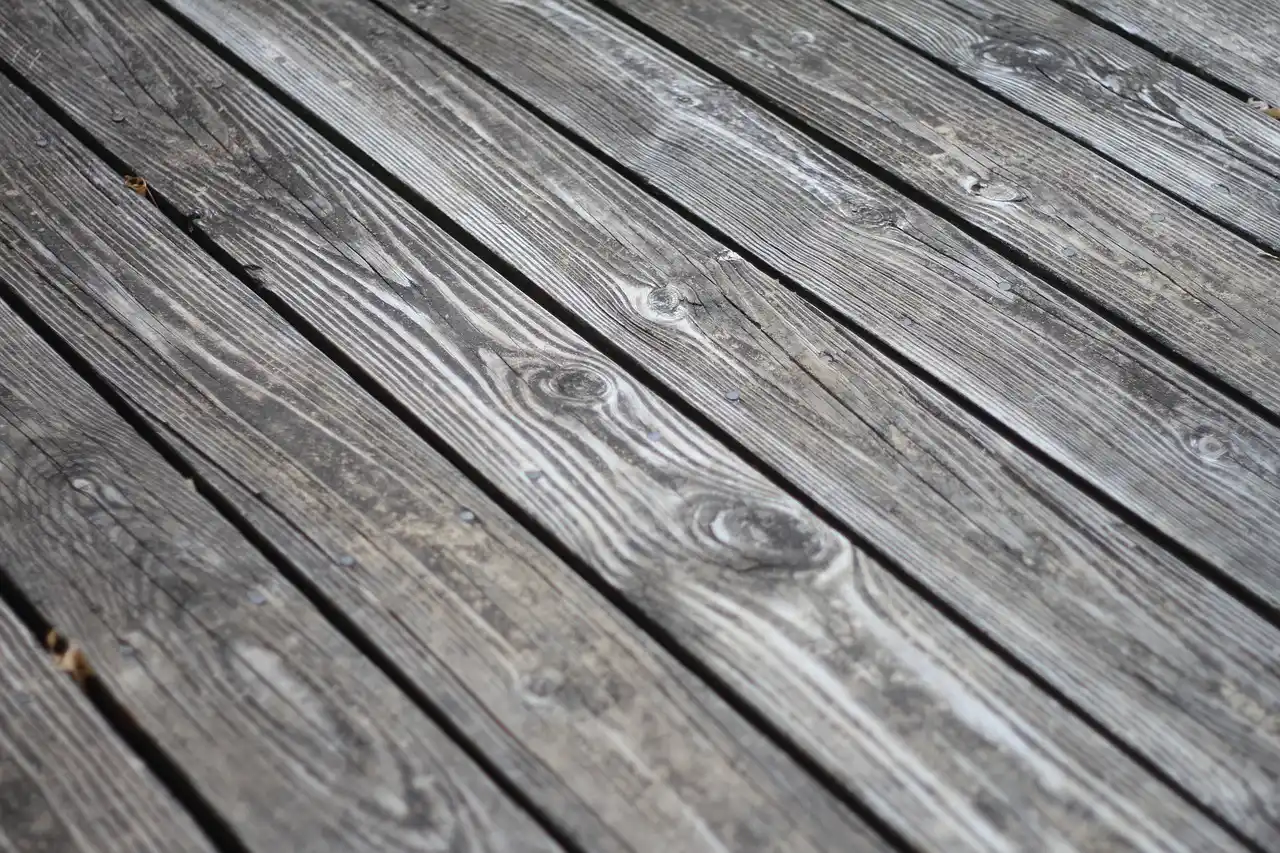
Material choice changes the economics of both paths. Pressure-treated lumber keeps the starting price lower, while composite decking costs more up front but usually needs less routine upkeep on a sound frame. The right choice depends on exposure, maintenance tolerance, and whether the frame justifies a longer-term surface investment.
Pressure-treated lumber as the budget baseline
Pressure-treated lumber is the common baseline for budget rebuilds and many resurfacing jobs. It keeps material cost down, but it also demands regular maintenance to limit weathering and rot. In wet or high-sun settings, that maintenance can narrow the gap between a cheap start and a more expensive finish.
Composite decking for surface replacement
Composite decking is common when the goal is a cleaner surface with less routine maintenance. Capped composite decking is often the best all-around choice for Indiana weather on a sound frame, while PVC decking is ideal for shaded or damp yards. The trade-off is simple: higher material cost now, less upkeep later.
How material choice changes total spend
Composite can make resurfacing look expensive, especially if the frame is already marginal. If you are paying for composite over a frame that needs work, the better value may be a rebuild with pressure-treated framing and a surface that matches the budget. If the frame is solid, composite resurfacing can still be worth it because you keep the structural shell and upgrade the wear layer.
A common homeowner mistake is comparing only the cost of new decking boards without adding in labor, fasteners, railing repairs, and framing work when weighing resurfacing against a full rebuild. A deck around 240 square feet with sound joists can often justify composite resurfacing. The same deck with rotten rim connections cannot, because the surface choice does nothing for the structure underneath.
Choose Deck Resurfacing if… / Choose Full Rebuild if…

Choose Deck Resurfacing if the frame is dry, firm, and well fastened; the ledger board is sound; and the main problem is worn boards, loose rails, or tired stairs. Choose Full Rebuild if you see rot, bounce, ledger damage, failing flashing, or footing and post issues. Partial rebuild is the middle path when one area is bad but the rest still checks out.
Choose deck resurfacing if…
- You only have cosmetic wear, loose balusters, or a rough walking surface.
- The joists are stable, with typical 16 inches apart, center to center spacing and no soft spots.
- The ledger board, flashing, and connectors are intact.
- You want the lower-cost option and the frame still has usable life.
Choose full rebuild if…
- You find rot in joists, beams, posts, or the ledger board.
- The deck bounces, dips, or feels soft in more than one area.
- Footings, posts, or beam supports need replacement.
- Permits, code upgrades, or structural changes are already part of the job.

Frequently asked questions
Is deck resurfacing cheaper than a full rebuild?
Yes, resurfacing is usually cheaper because it keeps the frame and replaces mainly the visible parts. The price gap narrows when hidden damage adds joist repair, flashing replacement, or ledger work. If the surface quote creeps toward half the rebuild cost, the rebuild often becomes the better value.
When is resurfacing not enough and a rebuild is required?
Resurfacing is not enough when the deck frame is structurally unsound. Rot in posts, beams, joists, or the ledger board, plus noticeable bounce or soft spots, points toward rebuild work. The surface can be replaced, but the underlying load path still needs correction.
What deck parts usually get replaced during resurfacing?
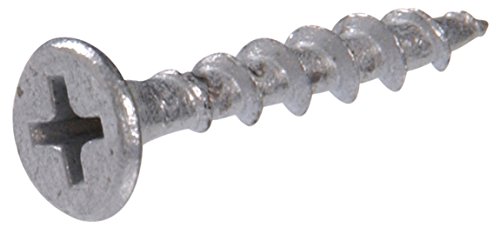
Resurfacing usually replaces deck boards, fasteners, railings, and sometimes stair parts. It may also include minor flashing repairs or connector replacement. The frame stays in place, so the job depends on footings, posts, beams, joists, and the ledger board still doing their job.
Demolition, disposal, framing repairs, ledger flashing, permit fees, and code-triggered upgrades are the usual surprises. New footings or posts can also raise the total quickly. Those items matter because they turn a simple replacement into structural work that takes more labor and inspection.
Do permits or code upgrades change the cost difference?
Yes. Structural work often brings permits, inspections, and code compliance into the budget, and those steps can widen the gap between resurfacing and a rebuild. Local rules vary, so a rebuild may trigger railing, footing, or connector changes that a surface job does not.
Can you resurface a deck with rotted framing or bad ledger boards?
No. Rotted framing or a damaged ledger board means the structure is already failing where the loads are carried. Resurfacing over that condition hides the problem and can leave a dangerous deck in service. Structural repair or a full rebuild is the safer path.
Is composite resurfacing worth it versus rebuilding in pressure-treated wood?
Composite resurfacing is worth it when the frame is sound and you want lower upkeep over time. Rebuilding in pressure-treated wood makes more sense when the framing is already failing or the budget cannot absorb composite pricing. The deciding factor is the frame, not the board surface alone.
Sponsored / affiliate links. As an Amazon Associate I earn from qualifying purchases. I may earn additional commission from eligible campaigns.