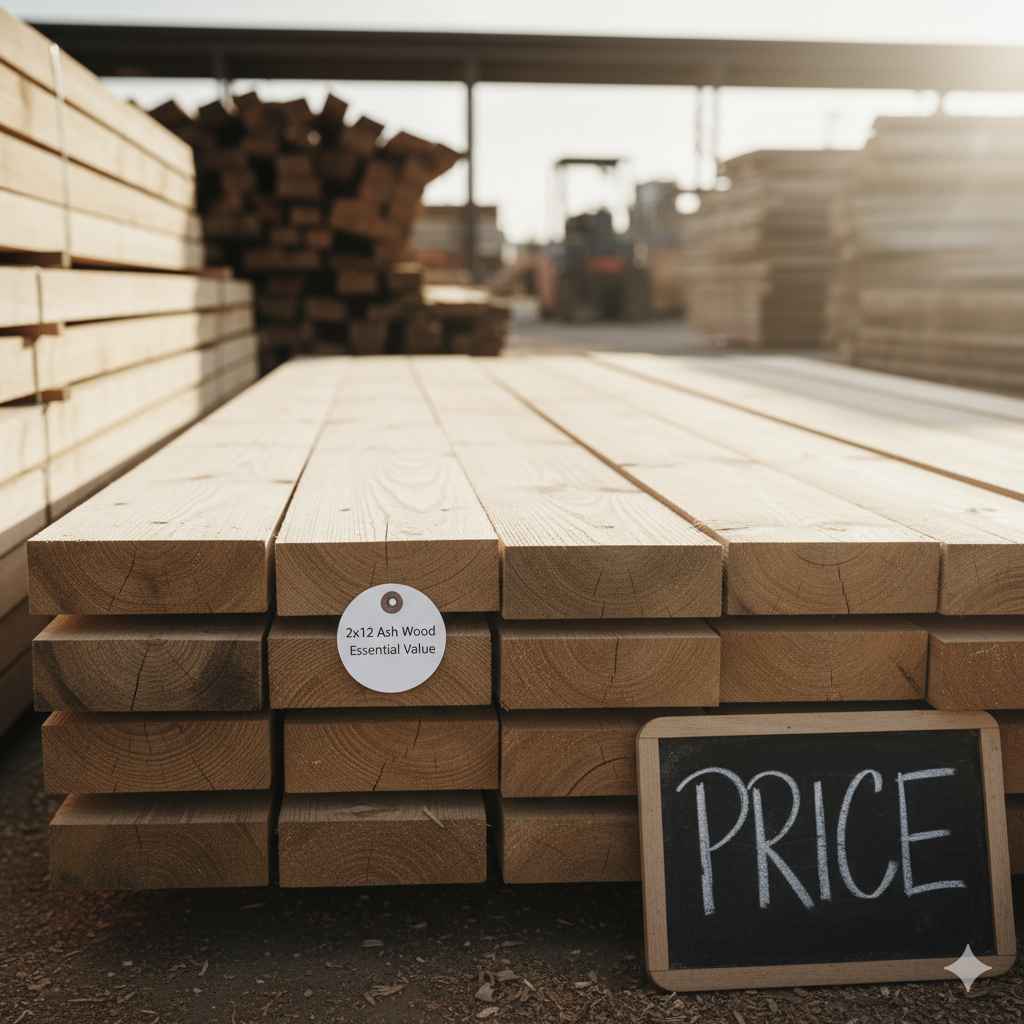
2×12 Ash Wood Price: Essential Value
The price of 2×12 ash wood can vary significantly, but understanding the factors that influence its cost helps you find essential value for your woodworking projects. Expect prices typically ranging from $25 to $60 per linear foot, depending on quality, grade, and source. Getting the best deal means knowing what to look for regarding species characteristics and market conditions.
Hello fellow woodworkers and DIY enthusiasts! Md Meraj here, ready to guide you through the wonderful world of woodworking. Today, we’re tackling a common question: “What’s the deal with 2×12 ash wood prices, and how can I get the best bang for my buck?” Ash is a fantastic wood – strong, beautiful, and versatile. But sometimes, understanding lumber pricing can feel a bit like deciphering a secret code, especially for beginners. Don’t worry! We’ll break down everything you need to know, from what makes ash special to where you can find it at a price that makes sense for your projects. Get ready to learn how to make smart lumber choices and build with confidence!
Understanding 2×12 Ash Wood: More Than Just a Size
When we talk about “2×12 ash wood,” we’re referring to a specific type of lumber. The “2×12” tells us its dimensions: it’s nominally 2 inches thick and 12 inches wide. In reality, a “2x” board is usually around 1.5 inches thick, and a “12” is about 11.25 inches wide, due to the milling process. The real star here is “ash.” Ash wood is prized for its strength, hardness, and attractive grain patterns. It’s a hardwood, meaning it comes from deciduous trees (trees that lose their leaves annually) and is generally denser and more durable than softwoods like pine.
Ash is often compared to oak but tends to be lighter in color, especially species like white ash. It has a straight, often prominent grain that can create beautiful patterns when finished. This makes it a fantastic choice for furniture, cabinets, flooring, tool handles, and even sporting goods because of its shock resistance. For a 2×12 board, its substantial size and strength make it ideal for structural applications or projects where you need significant heft and visual impact.
What Influences the 2×12 Ash Wood Price?
Like any product, the price of 2×12 ash wood isn’t a single, fixed number. Several factors come into play, and understanding them helps you make informed purchasing decisions. Think of it like buying fruit at the market – the price depends on season, variety, and ripeness (or in our case, quality and grade).
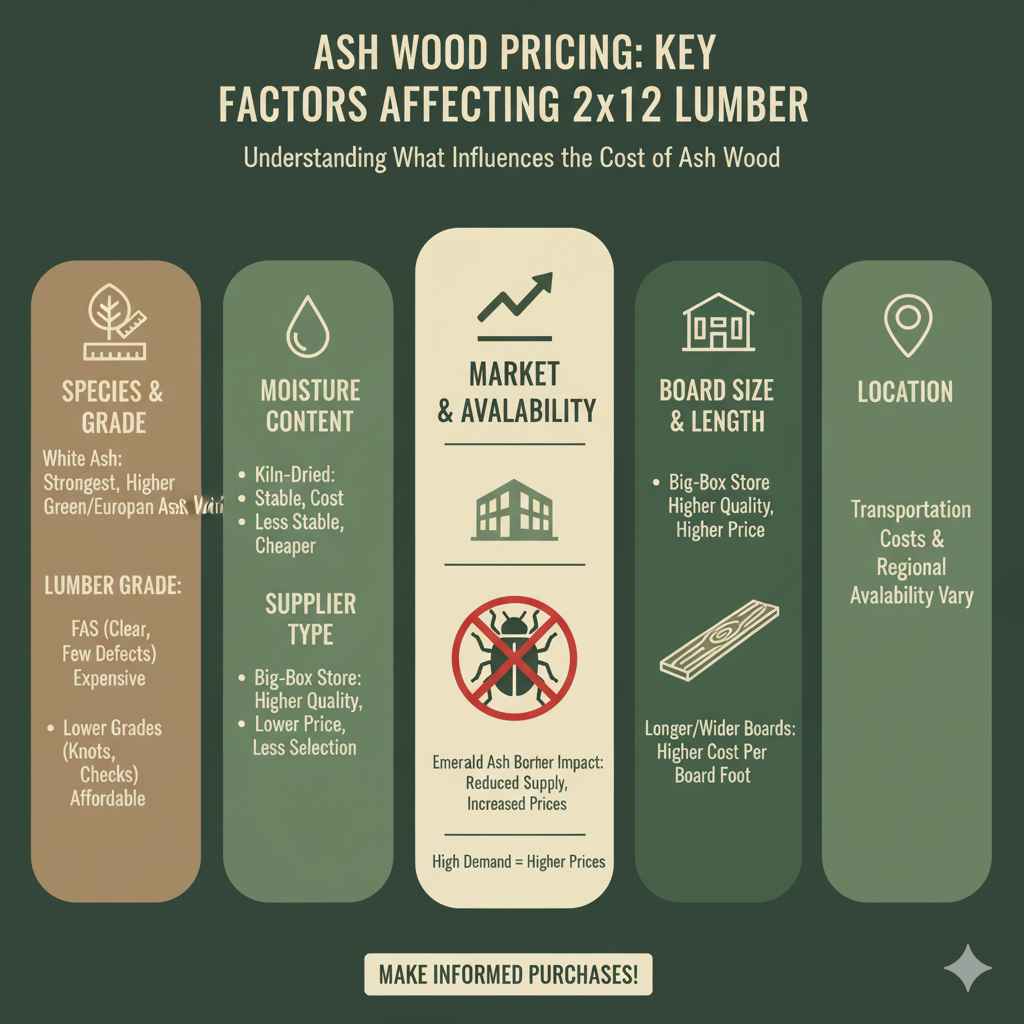
Key Factors Affecting Ash Wood Pricing:
- Species of Ash: There are many types of ash trees, like white ash, green ash, and European ash. White ash is often considered the most desirable for lumber due to its strength and appearance, and thus can command a higher price.
- Grade of Lumber: Lumber is graded based on its appearance and the presence of defects like knots, checks, or rot. Higher grades (like FAS – Firsts and Seconds) are clearer and have fewer imperfections, making them more expensive. Lower grades might be perfectly fine for certain projects, but they will be cheaper.
- Moisture Content: Is the wood kiln-dried or air-dried? Kiln-dried lumber is more stable and less prone to warping or cracking after milling, but the drying process adds to the cost.
- Lumber Mill & Supplier: Prices can vary significantly between different lumber mills, specialty lumberyards, and big-box home improvement stores. Smaller, specialized suppliers might have higher prices but offer better quality and selection.
- Market Demand & Availability: Like any commodity, wood prices fluctuate based on supply and demand. If there’s a high demand for ash or a shortage of supply due to disease (like the Emerald Ash Borer impacting ash trees in North America), prices will likely increase.
- Board Length and Width: While we’re focusing on 2x12s, longer or wider boards of specific species can also influence overall cost per board foot.
- Location: Where you buy the wood can impact the price due to transportation costs and regional availability.
Typical Price Ranges for 2×12 Ash Wood
It’s tricky to give an exact price because of all the variables, but we can look at general ranges. For a 2×12 board of ash, you might see prices anywhere from $25 to $60 or even more per linear foot. This might sound high, but remember that a 2×12 is a substantial piece of wood that can be used for many applications.
Let’s break down what you might expect:
| Quality/Grade | Typical Price Per Linear Foot (USD) | Notes |
|---|---|---|
| Lower Grade (Utility) | $25 – $35 | May have more knots, occasional defects, suitable for structural elements or projects where appearance is less critical. |
| Select or #1 Common Grade | $35 – $45 | Good balance of appearance and cost. Some knots and minor imperfections are present but minimized. Excellent for furniture, shelving, or visible structural components. |
| Premium / FAS Grade | $45 – $60+ | Very few defects, clear, straight grain. Ideal for high-end furniture, statement pieces, and applications where a flawless finish is desired. |
Remember, these are estimates. For the most accurate pricing, it’s always best to check with your local lumber suppliers.
Where to Buy 2×12 Ash Wood
Finding the right place to buy your lumber is as important as choosing the wood itself. The source can greatly impact both price and quality.
Options for Purchasing:
- Specialty Lumberyards: These are often the best places for hardwoods like ash. They usually have a wide selection, knowledgeable staff, and often carry higher grades of lumber. They might have slightly higher prices than big box stores but the quality and selection are usually superior.
- Sawmills: If you live near a local sawmill, you can sometimes get great deals directly from the source. However, lumber from mills might be rough-sawn and require additional milling and drying.
- Online Retailers: Several online lumber suppliers cater to woodworkers. Be mindful of shipping costs for heavy lumber, and always check for reviews and return policies.
- Big Box Home Improvement Stores: While they primarily stock softwoods, some larger stores may carry a limited selection of hardwoods. Prices can be competitive, but the quality and selection of ash might be inconsistent.
Pro Tip: Always call ahead to check stock and pricing before visiting a lumberyard. This saves you time and disappointment. You can often find information on local lumber suppliers through woodworking forums or by searching online for “hardwood lumber near me.”
Ash vs. Other Woods: A Price and Value Comparison
When considering the price of 2×12 ash wood, it’s helpful to compare it to other popular hardwood options. This helps you understand its “value” in the broader lumber market.
Comparison Table: 2×12 Hardwood Prices (Estimates Per Linear Foot)
| Wood Type | Typical Price Range Per Linear Foot (USD) | Key Characteristics |
|---|---|---|
| Ash (White) | $30 – $60+ | Strong, hard, shock-resistant, light color, prominent straight grain. Good for furniture, tool handles, sports equipment. |
| Oak (Red/White) | $35 – $70+ | Very strong and durable, pronounced grain patterns, widely available. Excellent for furniture, flooring, cabinetry. White oak is more water-resistant. |
| Maple (Hard) | $40 – $70+ | Extremely hard and durable, fine uniform texture, can have beautiful figured patterns (like tiger or bird’s eye). Great for cutting boards, furniture, flooring. |
| Walnut | $60 – $100+ | Rich brown color, beautiful grain, strong yet easy to work with. Highly prized for fine furniture and decorative pieces. Often more expensive than ash. |
| Poplar | $15 – $30 | Softer hardwood, easy to work with, paints and stains well. Less durable and often less aesthetically pleasing for natural finishes compared to ash. More affordable. |
As you can see, ash often falls in the mid-to-high range of common hardwoods. Its price reflects its excellent balance of strength, workability, and aesthetic appeal. For many projects, ash offers a superior value proposition compared to more exotic or premium woods, while still providing better performance and looks than softer or less dense hardwoods.
Making the Most of Your Ash Wood Purchase
Once you’ve decided that 2×12 ash wood is the right choice for your project and budget, here are some tips to ensure you get the best possible material and value:
Tips for Buying and Using Ash:
- Inspect Before You Buy: If possible, always visit the lumberyard and hand-select your boards. Look for straightness, check for excessive knots or defects, ensure the wood is properly dried (it shouldn’t feel excessively damp), and examine the grain.
- Understand Board Feet: Lumber is often sold by the “board foot,” which is a unit of volume that is 1 inch thick by 12 inches wide by 1 foot long. For example, a 2×12 board that is 8 feet long contains 16 board feet (2 inches nominal thickness x 12 inches nominal width x 8 feet length = 192 board inches / 12 inches per foot = 16 board feet). Your price per linear foot relates to this board foot calculation.
- Consider Rough Sawn vs. Surfaced (S4S): Rough-sawn lumber from a mill is cheaper but requires planing and jointing to get it smooth and square. Surfaced lumber (S4S) is already planed on all four sides and ready to use, but it costs more. For beginners, S4S might be easier.
- Acclimatize Your Wood: Once you bring lumber home, let it sit in your workshop for a few days to a week to adjust to the humidity levels. This helps prevent future warping or cracking.
- Plan Your Cuts: Measure twice, cut once! Especially with more expensive hardwoods, careful planning of your project cuts can minimize waste and maximize the usable wood.
- Proper Finishing: Ash takes finishes very well. A clear coat will highlight its natural beauty. For a more contemporary look, it also accepts stains and paints beautifully.
Emerald Ash Borer and its Impact on Ash Wood Prices
A significant factor that has impacted the availability and price of ash lumber, particularly in North America, is the Emerald Ash Borer (EAB). This invasive insect is devastating ash tree populations. While it has led to increased availability of ash lumber in the short term as dead trees are harvested, the long-term sustainability of ash as a lumber source is a concern.
The EAB infestations can lead to:
- Increased Harvesting Efforts: In areas with EAB, there’s often a push to harvest ash trees before they die and become unsuitable for lumber. This can temporarily increase supply.
- Reduced Long-Term Supply: As more trees are lost, the overall availability of high-quality ash lumber is expected to decrease in the future, potentially driving up prices.
- Regional Price Variations: Areas heavily affected by EAB might see different price trends than regions where ash trees are still healthier.
You can learn more about the Emerald Ash Borer and its impact from resources like the Emerald Ash Borer Information Network (EABIN), a collaborative effort by universities and government agencies.
Alternatives if Ash is Out of Budget
If the price of 2×12 ash wood is a bit steep for your current project or budget, don’t despair! There are several excellent alternatives that offer similar characteristics at potentially lower price points.
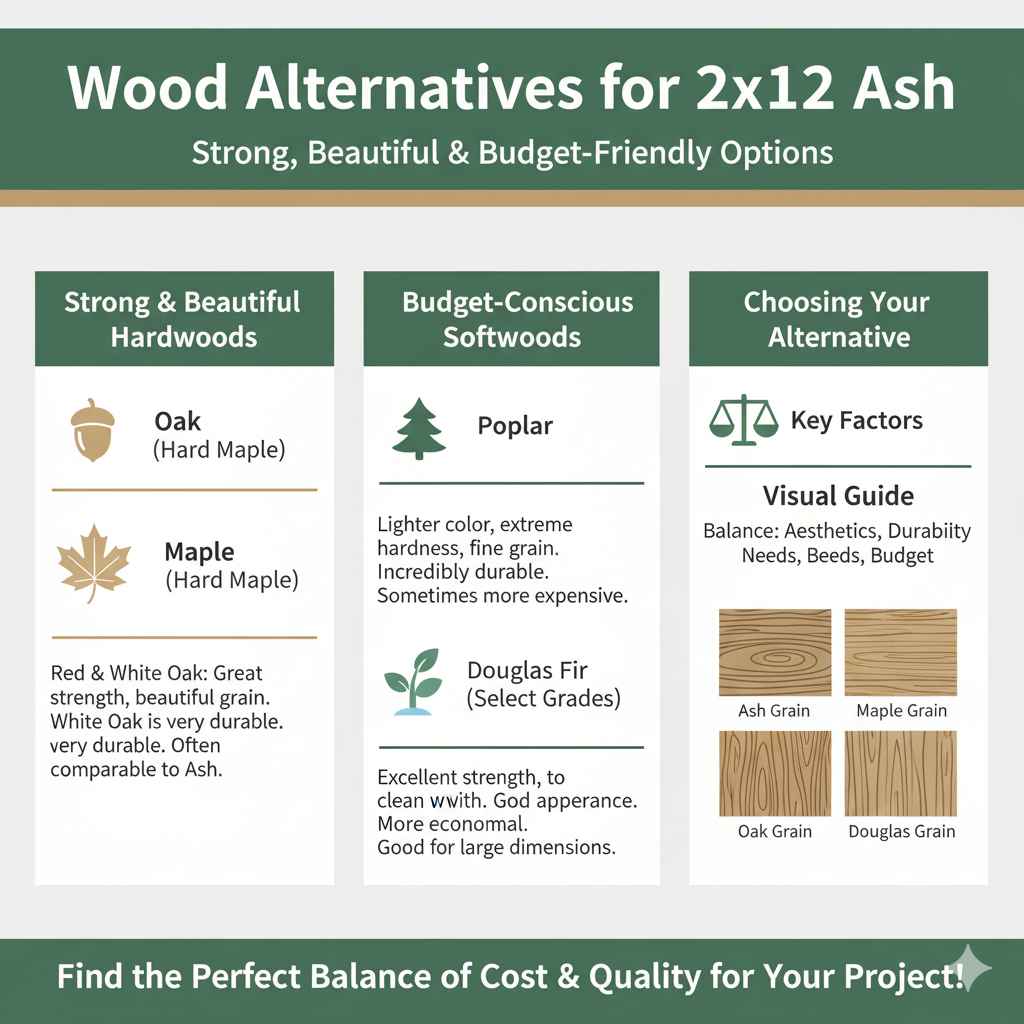
Strong, Beautiful Hardwood Alternatives:
- Oak: As mentioned, red and white oak are fantastic alternatives. They offer great strength and beautiful grain patterns. White oak, in particular, is very durable. Prices are often comparable to ash, but sometimes you can find good deals, especially on red oak.
- Maple (Hard Maple): If you’re looking for a lighter color and extreme hardness, hard maple is a great choice. It can sometimes be more expensive than ash, but it has a finer grain and is incredibly durable.
- Poplar: For projects where painted finishes are desired or where extreme hardness isn’t critical, poplar is a much more affordable option. It’s a softwood relative to hardwoods but still quite durable and easy to work with.
- Douglas Fir (Select Grades): While technically a softwood, select grades of Douglas Fir can offer excellent strength and a beautiful, clean appearance that rivals some hardwoods. It’s often more economical than hardwoods, especially in larger dimensions like 2×12.
Choosing an alternative often comes down to balancing aesthetics, durability needs, and budget. For instance, if the pronounced grain ofash is what you love, oak might be the closest look. If color is key, maple or even a carefully selected piece of poplar could work.
FAQ: Your 2×12 Ash Wood Questions Answered
Q1: Is ash wood good for structural projects?
Yes, ash wood is known for its strength and durability, making it suitable for certain structural applications. However, for primary structural beams in home construction, lumber like Douglas Fir or Southern Yellow Pine is more commonly specified by building codes due to their predictable engineering properties and availability in standard sizes. Always consult local building codes and a qualified professional for structural decisions.
Q2: How does ash wood compare to oak in terms of price and strength?
Generally, ash and oak (both red and white) are in a similar price bracket, though specific grades and availability can cause variations. Both are very strong hardwoods. Ash is often slightly harder and more shock-resistant than red oak, making it ideal for things like tool handles. White oak is exceptionally durable and resistant to rot and moisture. Visually, ash tends to be lighter in color and has a more pronounced, straighter grain than oak’s more “open” or cathedrals grain.
Q3: What is the best grade of ash wood for furniture making?
For furniture where appearance is paramount, look for FAS (Firsts and Seconds) or Select grades of ash. These grades have fewer knots and defects, allowing for clear, beautiful surfaces and smooth finishes that showcase the wood’s natural grain. Common grades might be acceptable for utility furniture or pieces where a rustic look is desired.
Q4: Is ash wood difficult to work with?
Ash is considered moderately easy to work with. It machines well, takes screws and nails without significant splitting (though pre-drilling is always recommended), and glues effectively. Its hardness means it can dull tools faster than softer woods, so keeping your tools sharp is important. Sanding ash to a smooth finish is also quite straightforward.
Q5: How much does a 12-foot 2×12 ash board typically cost?
Based on the prices per linear foot, a 12-foot 2×12 ash board could range from approximately $300 (for lower grades) to $720 or more (for premium grades and some specialty suppliers). This is a significant investment, so careful planning and accurate measurements are crucial!
Q6: Can I use ash wood outdoors?
While ash is a durable hardwood, white ash has moderate resistance to decay and insect damage, making it somewhat suitable for outdoor projects if properly sealed and maintained. However, for applications that are in constant contact with the ground or exposed to harsh elements, woods like cedar, redwood, or pressure-treated lumber are typically recommended for greater longevity. Proper finishing and regular maintenance are key for any outdoor wood use.
Conclusion: Finding Essential Value in 2×12 Ash Wood
Navigating the world of lumber prices can seem daunting, but by understanding the factors that influence the cost of 2×12 ash wood – from species and grade to market demand – you can make confident purchasing decisions. Ash wood offers a superb blend of strength, beauty, and workability, making it a valuable choice for a wide array of woodworking projects, from robust structural elements to elegant furniture pieces.
While prices can range from $25 to over $60 per linear foot, remember that this higher cost is often justified by ash’s superior qualities compared to many other lumber options.