7 Wood Compared to Iron: Proven Essential
Wood vs. Iron in your DIY projects comes down to weight, workability, rust, and cost. Understanding these 7 key differences—from strength to warmth—is essential for choosing the right material to ensure your woodworking or building projects last beautifully and safely.
Are you staring at a pile of lumber and a piece of hardware, wondering which one is right for your next project? Many beginners feel this way! Choosing between natural wood and sturdy iron can seem complicated when building anything—from a small shelf to a big garden structure. It’s easy to pick the wrong material and end up with something too heavy, too weak, or prone to rust. Don’t worry! As your workshop mentor, I’m here to simplify things. We will walk through seven clear points comparing wood and iron so you can build with confidence every time. Let’s unlock the secret to picking the perfect material for your next masterpiece!
7 Wood Compared to Iron: Proven Essentials for Every DIYer
When you’re first starting out in building or crafting, every decision matters. The material choice dictates how easy the project is, how long it lasts, and how it looks. Wood is the heart of traditional woodworking—warm, familiar.| Iron (or its close cousins like steel, which we often group together in general comparisons for DIY projects) brings unmatched strength and permanence. Knowing their core differences helps avoid costly mistakes.
1. Weight and Portability: Lifting the Burden
The first thing you notice when handling wood versus metal is the weight. This difference is crucial, especially if you are working alone or building something that needs to be moved, like furniture.
Wood: Naturally Lightweight
Wood is an organic material, full of tiny air pockets. This makes it significantly lighter than iron for the same volume. Lighter material means:
- Easier transportation from the lumberyard.
- Simpler handling during assembly.
- Less strain on your back!
Iron: Dense and Heavy
Iron is incredibly dense. While this density provides superior strength (we’ll get there), it makes handling challenging. Iron components (like thick brackets or solid rods) can be very difficult for a single person to manage safely. For DIY projects, this weight must be factored into structural design—you can’t just prop up a heavy iron beam on a flimsy wooden post without support.

2. Workability and Tool Investment
This is where woodworking truly shines for the hobbyist. How easy is it to shape, cut, and join the material?
Wood: The Beginner’s Best Friend
Wood is incredibly forgiving and easy to work with, even with basic tools. You can cut it with a handsaw, shape it with sandpaper, and join it with simple wood glue and screws.
- Cutting: Most common woods cut easily with standard saws (circular saws, jigsaws, or even handsaws).
- Joining: Screws, nails, and wood glue are standard and accessible fasteners.
- Shaping: Shaping wood often requires just a few chisels or a router with an inexpensive bit.
Iron: Requires Specialized Gear
Working with true iron requires heavy machinery and specialized skills. While you might use pre-made iron hardware in a woodworking project, actively fabricating iron demands:
- Access to welding equipment or heavy-duty metalworking tools.
- Metal cutting blades (which wear out faster).
- Significantly more planning, as mistakes are harder to correct once cut or welded.
For the average DIYer, wood wins hands down on ease of modification right there in the home workshop.
3. Strength and Structural Integrity
When we talk about holding weight, iron usually dominates, but wood has surprising capabilities when used correctly.
Iron: Unmatched Compression and Tension
Iron’s high tensile strength (resistance to being pulled apart) and compressive strength (resistance to being crushed) make it ideal for heavy construction where loads are extreme. Think bridges or heavy-duty workshop machinery frames.
Wood: Strength Based on Grain Direction
Wood strength is directional. It is very strong when the force runs parallel to the grain (like a long beam supporting weight from above). However, it is much weaker across the grain or when subjected to side pressure.
A Key Concept for Beginners: To maximize wood strength, always orient the strongest dimension (the longest side of a board) in the direction of the main anticipated load. Understanding this grain structure is a core skill in carpentry, something you don’t have to worry about as much with a solid piece of iron.
4. Durability and Environmental Challenges
How long will your creation last when exposed to the elements?
Iron’s Enemy: Rust (Oxidation)
Iron readily reacts with oxygen and moisture, leading to rust. Rust weakens the material over time, stains surrounding wood, and creates an ugly finish. To use iron outdoors or in damp garages, it almost always requires protective coatings, such as galvanization or heavy painting, adding time and cost.
Wood’s Challenges: Rot, Pests, and Warping
Wood is susceptible to moisture absorption, which causes swelling, shrinking, and warping (dimensional instability). It can also be eaten by insects (like termites) or decay due to fungus.
However, wood has excellent resistance characteristics when treated.
- Proper sealing with exterior paint or stain protects it from moisture.
- Using naturally resistant woods (like Cedar or Redwood for outdoor projects) minimizes pest issues.
- The National Institute of Standards and Technology provides great guidance on wood decay resistance related to moisture content.
5. Aesthetics and Tactile Feel
This point is subjective but deeply important for furniture and home décor projects.
The Warmth of Wood
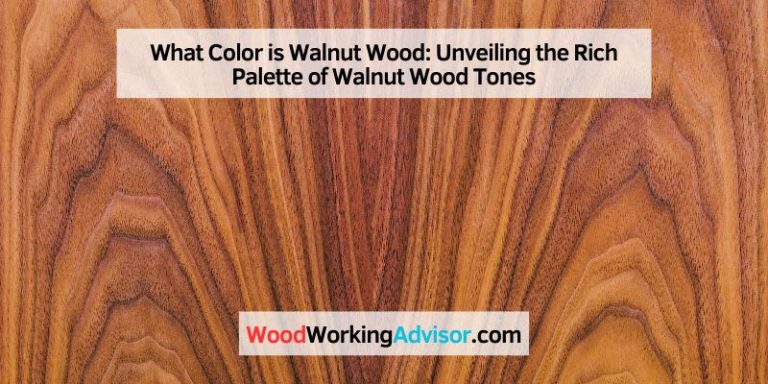
Wood offers variety—from the light grain of Ash to the deep color of Walnut. It feels warm to the touch. It has texture and character that people naturally gravitate toward in an interior space. Wood breathes life into a room.
The Industrial Look of Iron
Iron has a cold, hard, industrial aesthetic. While highly prized for modern or rustic loft designs (especially black iron pipe for shelving), it lacks the natural variation and warmth of lumber. It is visually heavier.
6. Cost Comparison for DIY Projects
Budget is almost always a deciding factor for homeowners and hobbyists.
Wood Costs Vary Widely
The cost of wood fluctuates based on species and grade. Basic construction lumber (like Pine or Fir) is often very affordable. High-end hardwoods (Maple, Cherry) can cost significantly more than entry-level metal pieces.
Iron Costs Are Input-Dependent
Raw iron or mild steel is relatively cheap per pound, but the cost of fabrication skyrockets the price. Buying pre-made iron hardware (hinges, brackets) is standard, but if you need custom-cut or welded iron supports, the labor and specialized tooling push the cost far above typical lumber prices.
7. Thermal Properties: Heat and Cold
This is a subtle but important factor, especially when building things that interact with heat or touch bare skin.
Iron is a Conductor
Iron quickly absorbs and conducts heat and cold. If you build an outdoor bench using only iron, it will be freezing cold to sit on in winter and dangerously hot in direct summer sun. This thermal conductivity must be managed.
Wood is an Insulator
Wood is a fantastic insulator. It doesn’t transfer heat or cold quickly. This is why wood feels comfortable in any temperature range, making it the preferred material for handles, furniture, and interior finishes.
Summary Table: Wood Versus Iron at a Glance
To help you quickly decide what to grab for your next task, here is a simplified comparison:
| Feature | Wood | Iron (or Steel) |
|---|---|---|
| Workability | Excellent (Easy Hand Tools) | Poor (Requires Power/Welding) |
| Weight | Light | Very Heavy |
| Natural Feel | Warm, Textured | Cold, Hard, Industrial |
| Resistance to Rust | Resistant (if sealed) | Prone to severe rust |
| Structural Max Load | Good (Directional) | Excellent (Uniform) |
| Cost (Fabrication Labor) | Low | High |
| Thermal Property | Insulator | Conductor |
Practical Application: When To Choose Which Material
Now that we know the differences, let’s put them into action. Your goal is always to match the material to the job requirement.
Choose Wood When You Need:
- A Beautiful Finish: Cabinets, tabletops, decorative trim.
- Light Weight: Shelving systems that need to be moved, picture frames.
- Ease of Modification: Projects that might need adjustments or customization on site.
- Insulation: Anything that will be frequently touched, like tool handles or flooring components.
Choose Iron When You Need:
- Extreme Durability: Gate hardware, heavy load-bearing posts (for commercial builds).
- High Tensile Strength: Long spans that cannot use a thick wooden beam.
- A Slim Profile with Big Strength: Using thin metal rods or flat bars where a wood piece of the same strength would be too bulky.
- Fire Resistance: In specialized applications where wood would pose too great a fire risk.
Remember, most great projects are hybrids! You can use strong iron brackets to support a beautiful, lightweight wooden shelf. That’s the magic of blending materials.
Beginner Focus: Safe Handling and Storage
Whether you are cutting that piece of Pine or hauling home a new piece of hardware, safety first is my number one rule, Meraj’s Rule #1.
Handling Wood Safely
While wood seems harmless, dust is a real threat. Always wear appropriate respiratory protection when cutting or sanding to avoid inhaling fine particles, which can settle deep in your lungs.
- Wear safety glasses—wood chips fly fast!
- Support long boards properly to prevent kickback on saws.
- Store wood flat and slightly elevated to prevent cupping or warping from ground moisture.
Handling Iron Hardware Safely
Even when just using pre-made iron bolts or hinges, there are risks:
- Sharp Edges: Fresh-cut or roughly finished metal can have razor-sharp burrs. Always wear heavy-duty gloves when handling raw metal stock.
- Weight Management: Never attempt to lift something too heavy. Use rolling carts or get a friend—a dropped metal object can cause serious foot or impact injuries.
- Rust/Corrosion Checks: If you bring rusty iron or screws into your clean wood shop, clean that debris off immediately so it doesn’t stain your fresh lumber.
Frequently Asked Questions (FAQ) for New Builders
What is the easiest material for a first-time furniture project: wood or iron?
Wood is substantially easier for a first-time furniture project. You need minimal, affordable tools, and you can easily correct mistakes by sanding or re-cutting. Iron projects usually require welding or specialized metal cutting, which raises the difficulty for beginners significantly.
Will using wood outdoors require waterproofing the same way iron requires rust-proofing?
Yes, both require protection, but the treatment is different. Wood needs water-repellant sealants, stains, or paint to prevent rot and swelling. Iron needs a barrier against oxygen and water, like paint or galvanization, to stop oxidation (rust).
Is reclaimed barn wood stronger than new construction lumber?
Not necessarily stronger in terms of sheer load-bearing capacity, but reclaimed wood is often denser and more stable because it is already dried out or “acclimated.” New construction lumber might still contain more moisture, making it prone to shrinking as it cures.
If I use iron screws in a wooden project, will they cause the wood to split?
Yes, especially in hardwoods or near the edge of a board. Iron (steel) screws are much thicker and less flexible than standard wood screws. Always pre-drill a pilot hole that matches the screw’s shank size to prevent splitting when driving iron fasteners into wood.
Can I safely weld iron brackets onto my wooden projects?
Absolutely not. Welding involves extreme heat that will scorch, ignite, or severely damage the surrounding wood structure. For attaching metal to wood, use through-bolts, lag screws, or heavy-duty construction screws appropriate for the load.
Which material absorbs sound better?
Wood is a better sound absorber (acoustic dampener) than iron. Iron tends to resonate or amplify vibrations, which is why you often hear rattling when thin metal sheets are used in structures; wood naturally absorbs more sound energy.
Conclusion: Building Your Confidence with the Right Choice
As you step back into your workshop, I hope this comparison between wood and iron feels much clearer. You now know that wood offers unparalleled ease of use, warmth, and affordability for the DIYer, while iron provides uncompromising strength in a smaller footprint, though it demands specialized handling.
The secret to great woodworking isn’t just mastering one material; it’s respecting the strengths and weaknesses of both. For most home projects—that bookshelf, the custom window trim, or that perfect cutting board—wood is your journey companion. You can cut it, shape it, and learn from it safely. When you do need that extra structural muscle, reach for pre-fabricated iron hardware, treating it with the respect its weight and density demand.
Keep practicing, keep learning about grain and joining techniques, and most importantly, keep building. Every successful project, whether purely wood or a smart combination of materials, builds your confidence for the next one. Happy crafting!