Walnut Wood Scratch Repair: Fix by Depth (Color-Match Tip)
Walnut wood scratches are fixed by depth, not guesswork: light marks take a stain marker or wax fill stick, while scratches through the finish need sanding and re-staining. Black walnut’s Janka hardness (1,010 lbf) is well below red oak (1,290) or hard maple (1,450), so it scratches more easily. A freshly stained patch often looks too dark at first, since walnut actually lightens with age and UV exposure. This guide covers assessing depth, matching color, and preventing repeat damage.
Assessing Your Walnut Scratch: Light, Medium, or Deep
Run a fingernail across the scratch before choosing a repair method. If your nail glides over it and the mark only shows as a lighter line, it’s a surface scratch in the finish. If your nail catches slightly and bare wood is visible in the groove, the scratch has broken through the topcoat. If your nail catches firmly or wood fibers are disturbed, you’re dealing with a structural gouge that needs filling before it can be refinished.
| Scratch Type | What You’ll See | Fix Method |
|---|---|---|
| Surface (finish only) | Lighter line, no catch with a fingernail | Wood polish or a stain marker |
| Through the finish | Slight catch, bare wood visible in the groove | Color-matched stain marker or wax fill stick |
| Deep / structural | Fingernail catches firmly, wood fibers disturbed | Wood filler, then sand and refinish |
Every walnut piece in your home falls under the same care basics — see the full walnut wood care hub if you’re dealing with more than a scratch, like humidity swings or fading.
Best Walnut Scratch Repair Pick
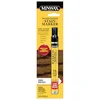 |
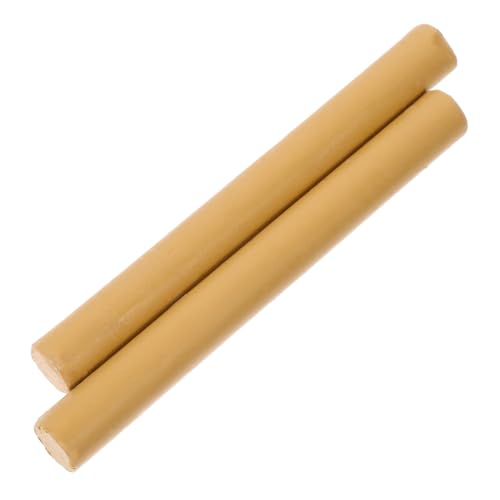
Minwax Dark Walnut Wood Finish Stain Marker – $6.92 This is the exact stain-marker method described above – a chisel-tip, oil-based marker built for nicks and scratches. Go one shade lighter than you think you need; walnut lightens with age, so a slightly-light patch blends in faster than a too-dark one.
|
As an Amazon Associate we earn from qualifying purchases.
Why Walnut Scratches More Easily Than Oak or Maple
Black walnut has a Janka hardness of 1,010 lbf, according to The Wood Database — noticeably softer than red oak (1,290 lbf), white oak (1,360 lbf), or hard maple (1,450 lbf). That’s why a walnut tabletop shows wear that an oak or maple piece would shrug off. Walnut is still nearly three times harder than eastern white pine (380 lbf), so it holds up far better than a softwood surface — the scratch problem is relative, not absolute.
📊 Janka hardness: walnut 1,010 lbf vs. red oak 1,290 lbf, hard maple 1,450 lbf, eastern white pine 380 lbf — Source: The Wood Database, Black Walnut
“Black walnut … glues, stains, and finishes well (though walnut is rarely stained).”
That last point matters for repairs: because most walnut furniture is left close to its natural color rather than stained a different shade, a repair has less finish-color buffer to hide behind than it would on, say, a stained pine piece — the color match has to be closer to disappear.
Fixing Light Surface Scratches on Walnut
Light surface scratches respond well to a stain marker or wax fill stick matched to the wood’s current color, not a factory “walnut” swatch. Test on a hidden edge first — the underside of a drawer front works well.
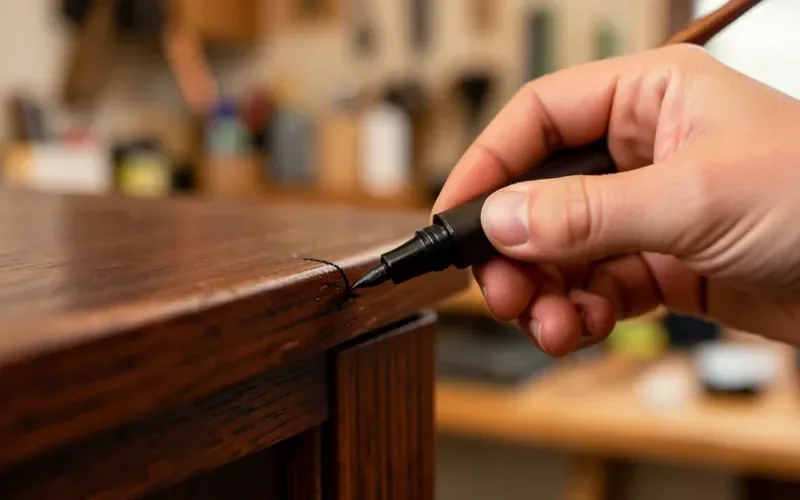
- Clean the area: wipe the scratch with a soft cloth and a little mild wood cleaner, then let it dry fully.
- Test the color on a hidden spot: apply a small amount and compare it to the surrounding wood in daylight.
- Apply the marker or wax stick along the grain: draw over the scratch, following the direction of the wood grain.
- Wipe off the excess: use a clean cloth immediately so the color doesn’t pool or leave a visible line.
- Buff lightly: once dry, buff gently with a soft cloth to blend the sheen with the surrounding finish.
Our wood scratch remover comparison lines up markers, wax sticks, and liquid cover-up products by price and color range if you want to compare options beyond the one above.
Fixing Deeper Scratches: Wood Filler and Refinishing
A scratch that catches your fingernail or shows raw wood needs more than a marker. Clean the area, then choose a wood filler in a walnut-close shade rather than spackle, which won’t take stain the same way as the surrounding wood.
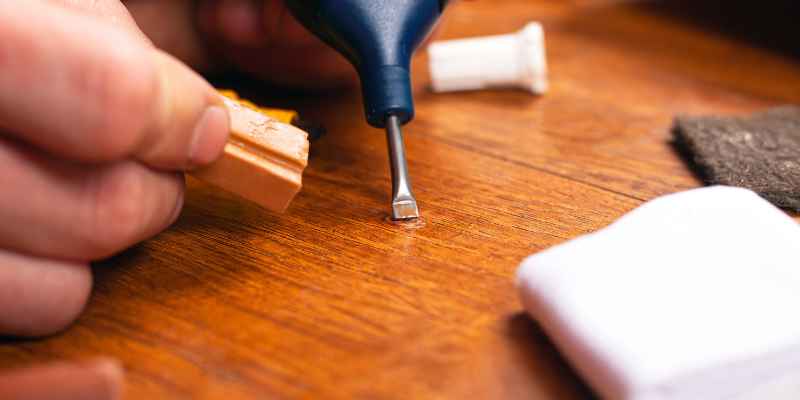
- Fill the scratch: press the filler in with a putty knife, slightly overfilling, then let it cure per the label.
- Sand flush: start with 150-220 grit sandpaper and sand only the filled area level with the surrounding wood.
- Feather the edges: lightly sand just beyond the repair so there’s no visible ridge once refinished.
- Re-stain to match: apply stain in thin coats, checking the color against the surrounding wood between coats.
- Seal with a topcoat: use the same finish type already on the piece (oil, water-based, or lacquer) so sheen matches.
The same coarse-to-fine sanding progression used to fix scratches on hardwood floors applies to walnut furniture — just scaled down with finer-grit paper since you’re working a much smaller area.
Why a Fresh Walnut Patch Looks Off At First
Walnut is one of the few common furniture woods that gets lighter with age, not darker. Fresh-cut black walnut heartwood starts out a deep chocolate brown, sometimes with a purple or grey cast, and lightens toward a warmer honey-brown over the first several years of light exposure — the opposite of what most people expect from an aging wood finish.
That means a color-matched repair on an older walnut piece will often look slightly too dark or too red for the first few months, then blend in as the surrounding wood keeps lightening around it. If you’re matching color on a piece more than a few years old, lean one shade lighter than the current color rather than matching it exactly — the patch will look more accurate once both it and the surrounding wood settle.
Keep the piece in its normal lighting after a repair rather than covering it — UV exposure is what drives the color shift, so a patch kept in the dark won’t catch up to the rest of the wood.
Preventing Future Scratches on Walnut Furniture
A few habits do more than any product to keep walnut surfaces scratch-free:
- Use felt pads under lamps, decor, and anything set down or slid across the surface.
- Add coasters and placemats — grit trapped under a glass or plate is a common source of fine scratches.
- Avoid ammonia-based glass or all-purpose cleaners on bare or thin-finished walnut. Walnut is tannin-rich, and ammonia fumes are actually used on purpose to darken walnut and oak through a process called fuming — an ammonia-based spray can leave uneven dark blotches the same way.
- Trim pet nails regularly if animals have access to walnut furniture or flooring.
- Vacuum or dust before wiping, so grit isn’t dragged across the surface with the cloth.
For deeper care topics beyond scratches — humidity control, sun exposure, and long-term finish care — see the full wood care and protection guide. If the piece is an older or inherited item, our guide on caring for antique wood furniture covers when a repair is safe to DIY and when it risks the piece’s value.
Frequently Asked Questions
Does the Walnut Trick for Scratches Actually Work?
Yes, for very light surface scratches. Rubbing the meat of a walnut over a shallow scratch releases natural oils that can temporarily darken and fill the mark, making it less visible. It’s a short-term cosmetic fix, not a repair — it does nothing for scratches that have broken through the finish, and the effect fades as the oil dries out.
Can You Repair Scratches on Walnut Veneer or Engineered Flooring?
Light surface scratches on veneer respond to a stain marker the same way solid wood does. Deep scratches are riskier: veneer is often less than a millimeter thick, so aggressive sanding can cut straight through it to the substrate underneath. On veneer, stop at light sanding and lean on filler and color-matching rather than removing material.
How Long Does a Wood Stain Marker Take to Dry on Walnut?
Most oil-based stain markers, including the Minwax marker referenced above, penetrate the wood within about five to fifteen minutes before you wipe the excess, and are dry to the touch within about two hours. Full cure — where it’s safe to set items back down — typically takes longer, so give it a full day before heavy use.
When Should You Call a Professional Instead of DIY?
Call a professional for deep gouges that go through the veneer or several millimeters into solid wood, damage covering a large area, or any piece with real sentimental or antique value where a mismatched repair would hurt more than the scratch itself. Light-to-medium scratches on everyday furniture are reasonable to DIY.
Conclusion
Match the fix to the depth: a stain marker or wax stick handles light surface scratches, while anything that catches a fingernail needs filler, sanding, and re-staining. Remember that walnut lightens with age, so a fresh patch that looks slightly dark today will blend in within a few months of normal light exposure — don’t over-correct trying to match it perfectly on day one.
Sponsored / affiliate links. As an Amazon Associate I earn from qualifying purchases. I may earn additional commission from eligible campaigns.