A Lot of Termites Showing in House: Effective Solutions & Tips
Termites can be a homeowner’s nightmare. They cause severe damage to wooden structures.
Noticing a lot of termites in your house is alarming. These tiny pests can silently destroy your furniture, walls, and more. Termites thrive in hidden spaces, making them hard to detect until the damage is significant. This blog post will help you understand why termites invade homes and how to deal with them.
We will discuss signs of termite infestations, preventive measures, and effective treatment options. Stay with us to protect your home from these destructive insects.
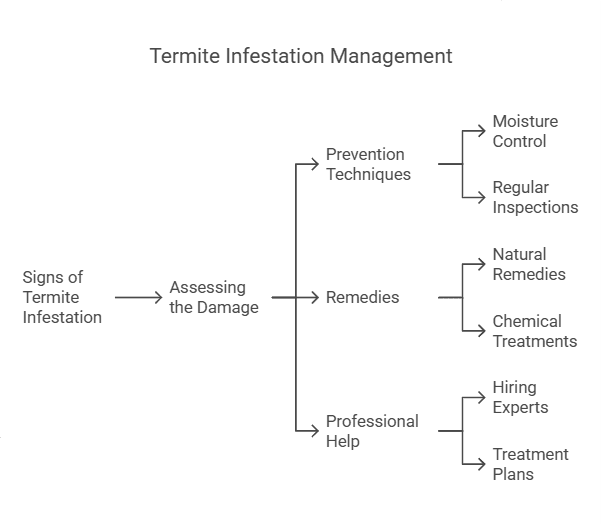
Signs Of Termite Infestation
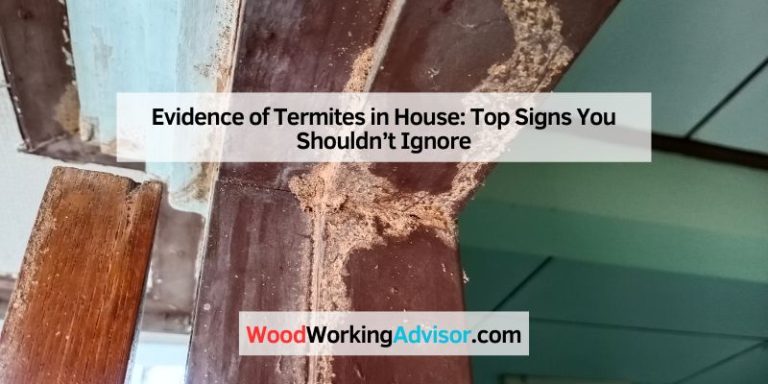
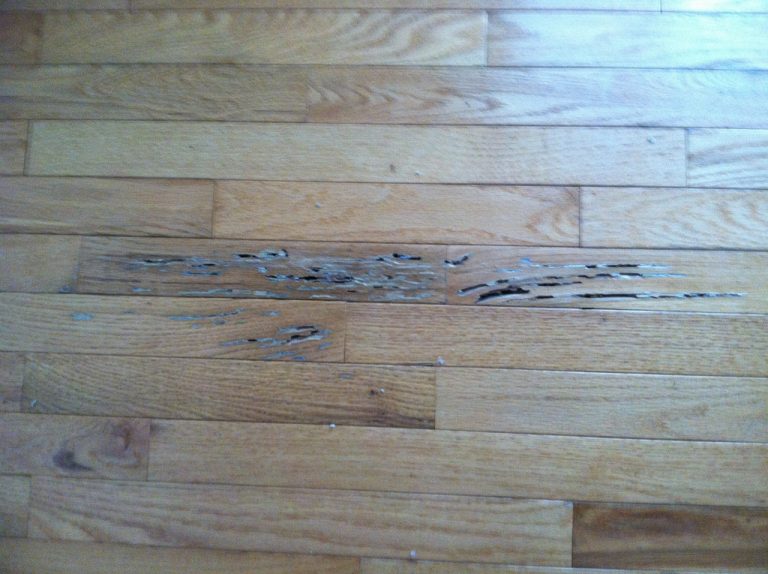
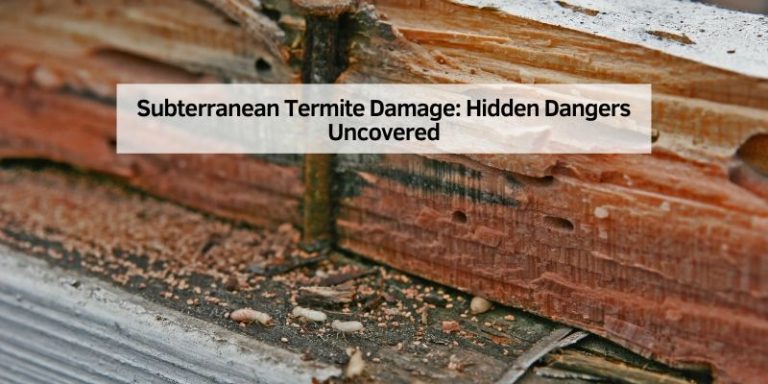
Discovering a lot of termites in the house indicates a serious infestation. Look for discarded wings, mud tubes, and hollow-sounding wood. Termite droppings, resembling small wood pellets, also signal their presence.
Hey friends, today we’re diving into a topic that might make your skin crawl – termites in the house. So, you’ve noticed some strange signs around your home and you’re starting to worry. Could it be termites? Let’s break it down.
Common Indicators
First things first, what are the common indicators that you might have a termite problem? Well, termites are sneaky little creatures, but they do leave behind some clues. Here are a few to watch out for:
- Hollow-sounding wood: Tap on wooden structures in your home. If they sound hollow, termites might be munching away inside.
- Frass: This is a fancy word for termite droppings. It looks like tiny wood-colored pellets and can often be found near infested wood.
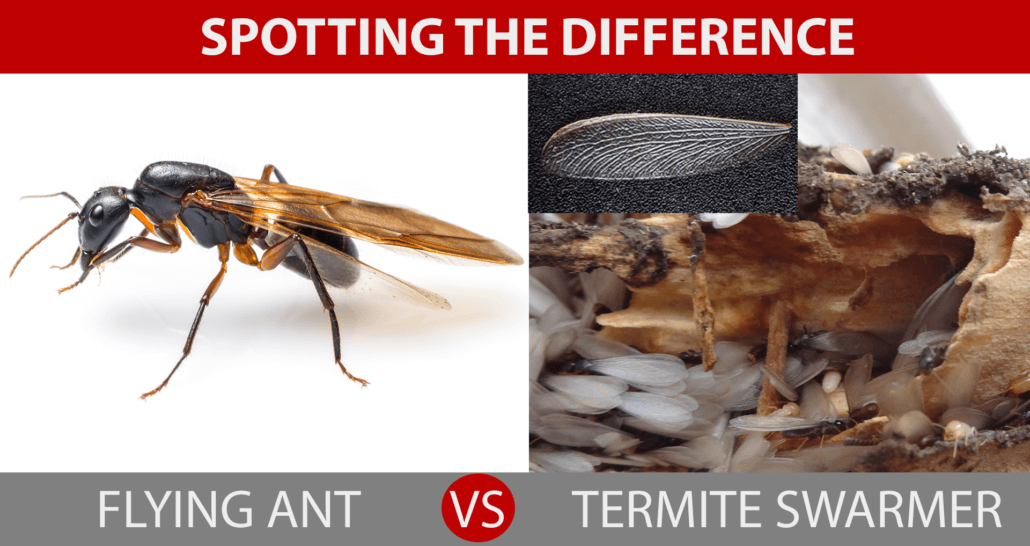
- Discarded wings: Termites shed their wings once they find a new spot to build their colony. If you see small, transparent wings around your home, it’s a sign.
- Mud tubes: Termites build these tubes to travel safely. Look for them along your walls, foundation, or in crawl spaces.
- Swarming termites: If you see a bunch of flying termites, especially near lights, it means a nearby colony is sending out scouts to find a new home.
Types Of Termites
Now that you know the signs, let’s talk about the types of termites you might encounter. Understanding the enemy is half the battle, right?
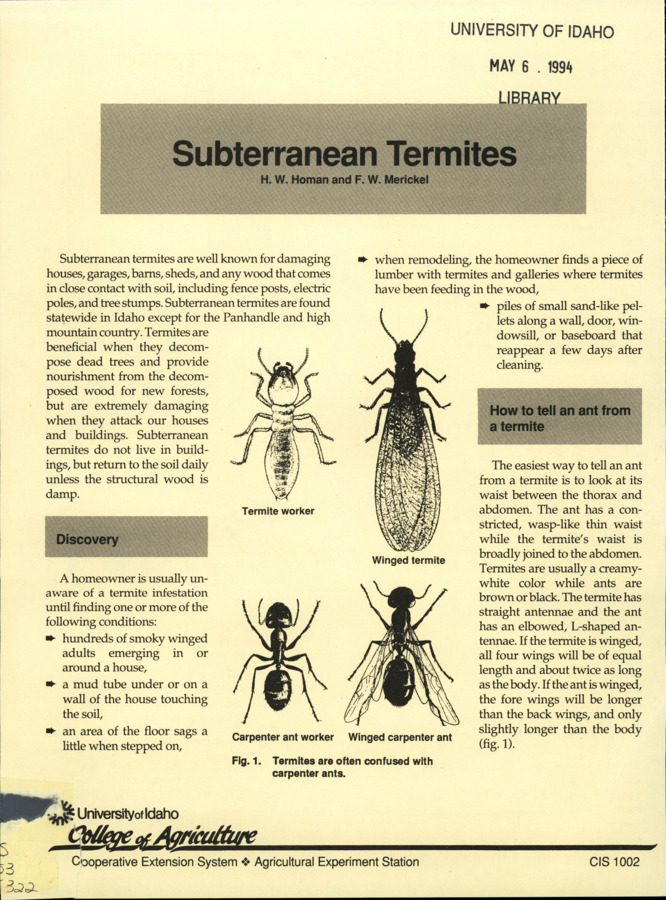
- Subterranean Termites: These guys are the most common. They live in the soil and build mud tubes to reach wood above ground. They’re the ones causing most of the damage in homes.
- Drywood Termites: Unlike subterranean termites, drywood termites don’t need soil. They live inside the wood they eat and can infest your walls, furniture, and even your floors.
- Dampwood Termites: As the name suggests, these termites love damp wood. You’ll usually find them in places with high moisture, like basements or bathrooms.
Remember, termite infestations can cause serious damage if not treated early. If you suspect you have termites, it’s best to call a professional for an inspection. I remember when I first noticed the signs in my home; the hollow-sounding wood was my big clue. A quick call to the experts saved me from a lot of trouble.
Stay vigilant and keep an eye out for these signs. Your home will thank you!
Credit: greenhow.com
Assessing The Damage
Discovering termites in your home can be alarming. Assessing the damage is crucial. This step helps you understand the severity of the infestation. It also guides you in deciding the next steps for repair and treatment.
Identifying Affected Areas
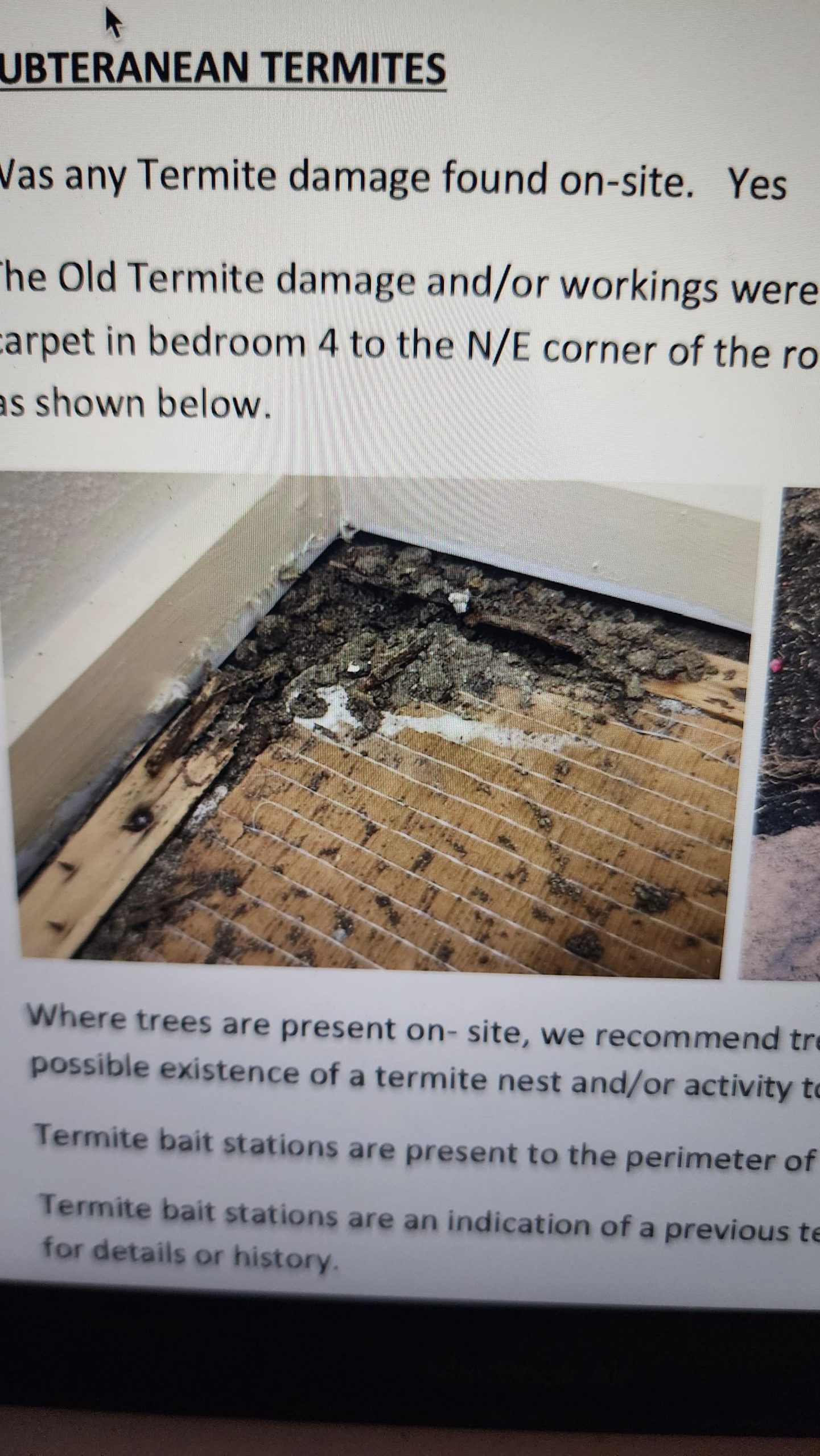
First, look for signs of termites. Check wooden structures. Tap on wood to see if it sounds hollow. Look for small holes or mud tubes. These are common indicators of termite activity.
Examine areas near the foundation. Termites often enter from the ground. Pay attention to baseboards and door frames. These spots are easy targets for termites.
Extent Of Structural Damage
Next, determine how much damage has occurred. Check for sagging floors or ceilings. These signs indicate severe damage. Examine support beams and joists. They are crucial for your home’s stability.
Look at walls for cracks or blistering paint. These issues can mean termites are inside. If you see any damage, note it down. This information will help professionals assess the situation.
Assessing the damage thoroughly can save you time and money. It ensures you address the problem effectively. Keep an eye on your home. Regular checks can prevent severe infestations.
Prevention Techniques
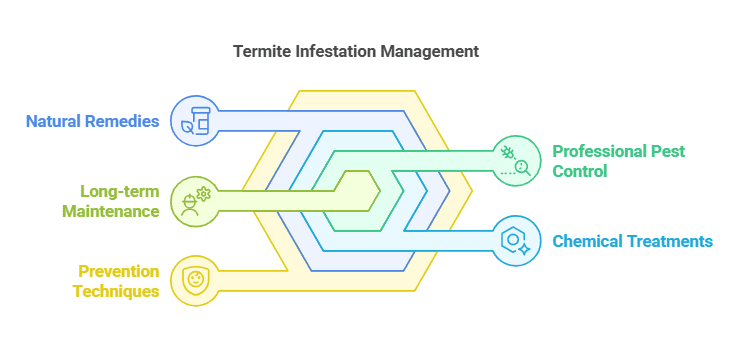
Hey friends, today I want to talk about how to prevent termites from invading your house. Termites can cause a lot of damage if they find their way into your home. So, it’s important to know how to keep them out. Let’s go over some simple techniques to help you protect your house.
Moisture Control
Termites love moisture. They need it to survive. That’s why controlling the moisture levels in and around your home is super important. Here’s what you can do:
- Fix Leaks: Check your plumbing for leaks. Even small drips can attract termites.
- Improve Drainage: Make sure the ground around your home slopes away from the foundation. This helps keep water from pooling near your house.
- Use a Dehumidifier: If you have a basement or crawl space, a dehumidifier can help keep it dry.
- Ventilate: Ensure good airflow in your attic, basement, and crawl spaces. This helps reduce moisture buildup.
Regular Inspections
Regular inspections are key to catching termite problems early. The earlier you catch them, the easier it is to deal with them. Here are some tips:
- Inspect Your Home: Look for signs of termites, like mud tubes, wood damage, or discarded wings.
- Check Outside: Inspect the outside of your house, especially around the foundation, for any signs of termite activity.
- Call a Professional: Consider having a professional inspect your home once a year. They know what to look for and can catch problems you might miss.
By controlling moisture and doing regular inspections, you can help keep your home termite-free. Remember, a little effort now can save you a lot of trouble later. Stay vigilant and keep those termites away!
Natural Remedies
Hey friends, have you noticed a lot of termites in your house? It’s a real problem, right? But don’t worry, there are natural remedies that can help. These methods are safe, simple, and effective. Plus, you don’t need any fancy equipment or chemicals. Let’s dive in and explore some natural ways to get rid of those pesky termites.
Essential Oils
Essential oils are a great natural remedy for termites. They are safe for humans and pets but deadly for termites. Here are some oils you can use:
- Orange oil: This oil contains d-limonene, which kills termites on contact. Just spray it on the infested areas.
- Neem oil: This oil disrupts the life cycle of termites. Mix it with water and spray it around your home.
- Clove oil: This oil can be applied directly to the termites. It’s a strong insecticide.
I tried using orange oil in my house once. The smell was pleasant, and within days, I noticed fewer termites. It’s easy to use and very effective.
Beneficial Nematodes
Another natural way to tackle termites is by using beneficial nematodes. These are tiny worms that hunt down termites and kill them. Here’s why they work:
- Natural predators: Nematodes are natural predators of termites. They infect and kill termites from the inside out.
- Easy to apply: You can mix them with water and spray them in the soil around your home.
- Safe and eco-friendly: They are harmless to humans, pets, and plants.
Once, I used nematodes in my garden to get rid of termites. It was simple. I just mixed them with water and sprayed the area. In a few weeks, the termites were gone.
So, if you’re dealing with termites, give these natural remedies a try. They’re safe, easy, and effective. Plus, you’ll feel good knowing you’re not using harmful chemicals in your home.
Chemical Treatments
Dealing with a termite infestation can be challenging. Chemical treatments offer an effective solution. These treatments can eliminate termites and prevent future infestations. Let’s dive into the different chemical treatment options.
Termiticides
Termiticides are liquid chemicals applied to soil and wood. They create a barrier that repels or kills termites. Professionals usually apply termiticides around the foundation of the house. This prevents termites from entering your home. Termiticides are effective and long-lasting. They protect your home for years. Always hire a licensed pest control expert for this treatment.
Bait Stations
Bait stations are another chemical treatment. They use poisoned bait to attract termites. Termites consume the bait and carry it back to their colony. This method targets the entire termite colony. Bait stations are placed around your home. They are less intrusive than liquid treatments. Bait stations are also safer for pets and children. Regular monitoring ensures their effectiveness.

Credit: 8billiontrees.com
Professional Pest Control
Hey friends, dealing with termites can be a real headache. You might see a few, then suddenly, there are swarms. It’s frustrating. The good news? Professional pest control can save the day. Let’s dive into why hiring experts and having a solid treatment plan makes a huge difference.
Hiring Experts
When it comes to termites, you need the pros. Why? Because they know where termites hide. They also have the right tools. And trust me, you don’t want to do this alone.
- Experience: Experts have seen it all. They know the signs and can spot infestations quickly.
- Tools: Professionals use advanced tools. These tools find termites even in hidden spots.
- Safety: They handle chemicals safely. No risk to your family or pets.
I once tried to handle termites myself. Big mistake. I missed so many. The pros came in and sorted it out fast. Lesson learned!
Treatment Plans
Okay, so you’ve hired the experts. What next? They create a treatment plan. A good plan is like a roadmap. It shows where to start and how to end.
- Inspection: First, they inspect your home. They look for signs and places where termites live.
- Customized Plan: Then, they create a plan just for your home. Every home is different, so plans need to be unique.
- Treatment: Next, they treat the problem. This could involve spraying, baiting, or other methods.
- Follow-Up: Finally, they check back. They make sure the termites are gone for good.
Think of it like a doctor’s visit. You get a check-up, a diagnosis, and a treatment. And then, a follow-up to ensure you’re healthy.
In conclusion, dealing with termites doesn’t have to be your nightmare. Hiring experts and having a proper treatment plan makes it manageable. Trust the professionals, and you’ll have peace of mind. Your home will be termite-free, and you can relax.
DIY Solutions
Hey friends, dealing with termites can be a real headache. But, guess what? You can tackle this problem with some simple DIY solutions. Today, I’m going to share some easy and effective ways to manage a termite issue without calling in the pros. Ready? Let’s dive in!
Homemade Treatments
First up, let’s talk about some homemade treatments. These are easy to make and use everyday items you probably already have at home. Here are a few you can try:
- Cardboard Trap: Termites love cellulose, which is found in cardboard. Wet some cardboard and place it near the infested area. Once termites start feeding on it, you can remove and burn the cardboard.
- Vinegar and Lemon Juice: Mix equal parts of vinegar and lemon juice. Spray this mixture directly on the termites. The acidity will kill them.
- Borax Solution: Dissolve borax in water and spray it on the affected areas. Borax is toxic to termites and will kill them on contact.
Safety Precautions
Now, while these homemade treatments are great, it’s important to stay safe. Here are some safety precautions to keep in mind:
- Wear Gloves: Always wear gloves when handling chemicals, even natural ones like vinegar and lemon juice. It will protect your skin.
- Protective Clothing: Wear long sleeves and pants to avoid any splashes on your skin.
- Ventilation: Make sure the area is well-ventilated. Open windows and doors to let in fresh air.
- Keep Away from Children and Pets: Store all treatments out of reach of children and pets. They can be harmful if ingested.
There you go! Some easy DIY solutions to help you manage termites in your home. Remember, taking these small steps can make a big difference. Happy termite hunting!
Long-term Maintenance
Long-term maintenance is crucial for keeping termites at bay. Proper care can save your home from costly damage. Implement a few strategies to ensure your house remains termite-free.
Annual Inspections
Schedule annual inspections with a professional pest control service. Early detection prevents major infestations. Inspect all areas, including basements and attics. Look for signs like mud tubes and discarded wings. A thorough check ensures no hidden threats.
Home Repairs
Fix any leaks or moisture issues promptly. Termites thrive in damp environments. Ensure proper drainage around your home. Repair any damaged wood immediately. Replace old, rotting wood with treated materials. Proper home maintenance deters termite infestations.

Credit: www.reddit.com
Frequently Asked Questions
Why Are There So Many Termites In My House?
Termites infest homes due to moisture, wood contact with soil, and accessible entry points. Eliminate these to prevent them.
Why Am I Seeing Termites All Of A Sudden?
Termites may appear due to moisture, wood-to-ground contact, or nearby infestations. They swarm in warm weather. Check for leaks and wood damage.
Should I Worry About Swarming Termites?
Yes, swarming termites indicate an infestation. Immediate action is essential to prevent structural damage to your property.
Does Seeing Termites Mean Infestation?
Seeing termites often indicates an infestation. They live in colonies, so spotting one usually means more are nearby.
Conclusion
Dealing with termites requires prompt action to protect your home. Regular inspections help catch infestations early. Professional pest control services offer effective solutions. Maintaining a clean and dry environment deters termites. Address any moisture issues promptly. Using termite-resistant materials can also protect your house.
Stay vigilant to ensure your home remains termite-free. With these steps, you can safeguard your property. Protect your investment and enjoy peace of mind. Your home deserves the best care.