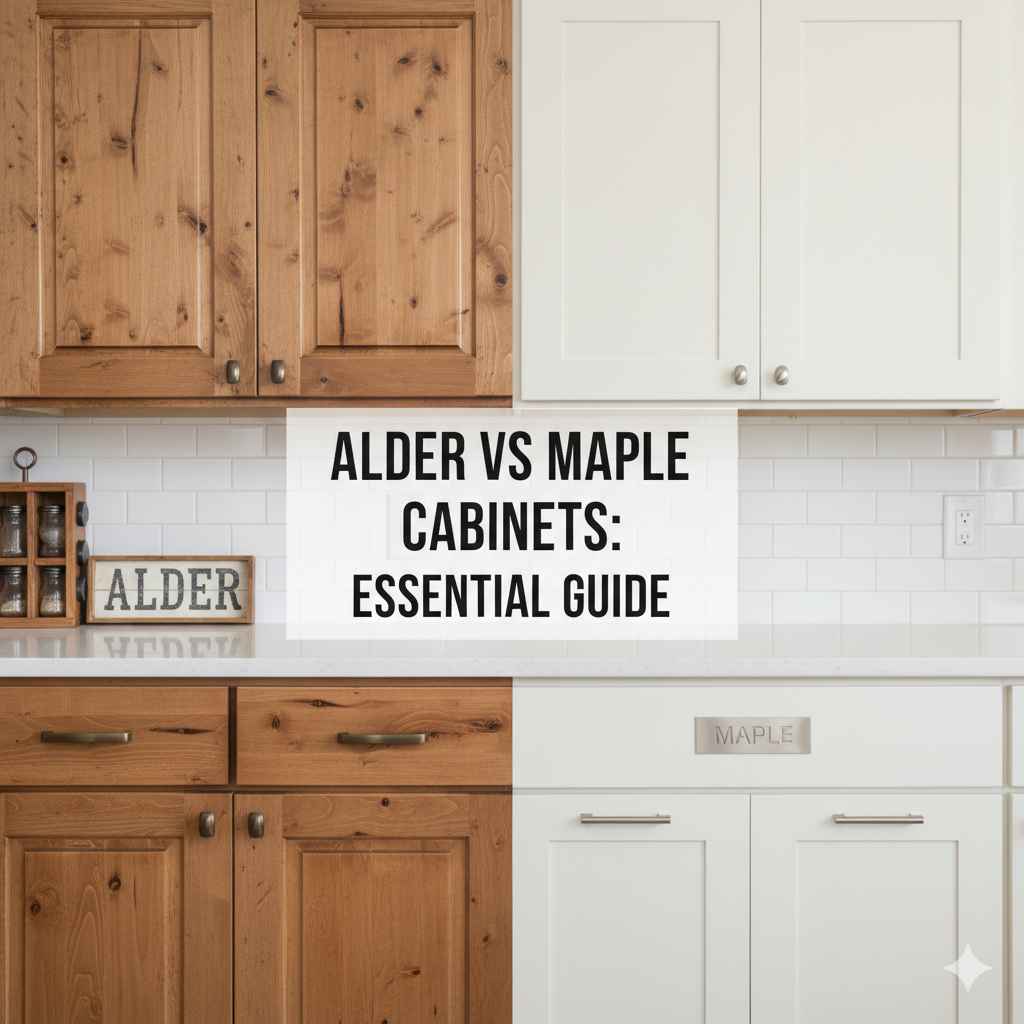
Alder vs Maple Cabinets: Essential Guide
Choosing between Alder and Maple for your cabinets? Maple offers superior hardness, durability, and a smoother finish for painted or stained looks. Alder is softer, more affordable, and has a rustic charm with a distinct grain. Both are excellent choices depending on your budget, style, and desired longevity. This guide breaks down their differences to help you decide.
Hey there, DIY friends! Deciding on kitchen cabinets can feel like a big puzzle, right? Two popular wood types often pop up: Alder and Maple. You might wonder which one is the better pick for your home. It’s a common question, and the good news is, understanding the basics makes the choice much clearer. We’ll walk through everything you need to know, so you can feel confident about your decision, just like you would after finishing a great woodworking project. Let’s dive in and make this decision easy!
Alder vs Maple Cabinets: What’s the Difference?
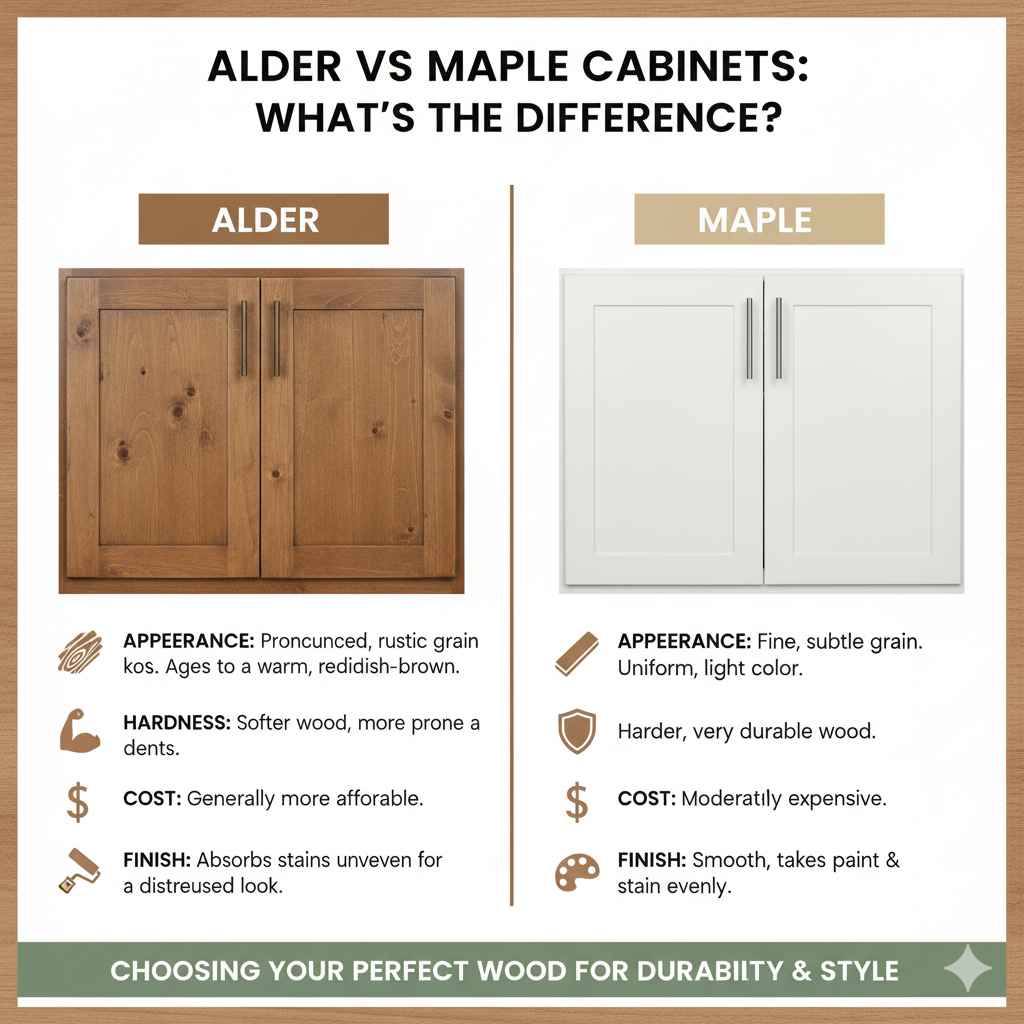
When it comes to choosing cabinet wood, Alder and Maple are frequently mentioned. They are both solid wood options, which is great for durability. But they have clear differences in appearance, hardness, cost, and how well they take finishes. Understanding these distinctions will help you pick the perfect wood for your dream kitchen or bathroom.
Think of it like choosing lumber for a special project. You’d consider the grain, strength, and how it will look once it’s sanded and finished. The same applies to your cabinets, which are often a central feature of your home. Let’s break down these two popular woods so you can make an informed choice.
Understanding Wood Hardness: The Janka Scale
One of the most important ways to compare wood is by its hardness. This tells you how well it stands up to dents, scratches, and general wear and tear. For wood flooring, furniture, and cabinets, hardness is a big deal. A common way to measure this is with the Janka hardness test.
The Janka hardness test measures the force required to embed a steel ball halfway into a piece of wood. Higher numbers mean harder wood. This is a great tool for understanding which wood will be more durable in a busy kitchen environment.
Alder Cabinets: Rustic Charm and Value
Alder is a beautiful hardwood known for its reddish-brown tones and a relatively consistent grain. It’s often described as having a rustic or natural look, which makes it a favorite for many home styles. It’s a bit softer than Maple, but still a very good choice for cabinets.
Pros of Alder Cabinets:
- Affordability: Alder is generally less expensive than Maple, making it a great budget-friendly option.
- Rustic Appearance: Its natural color variations and distinct grain pattern offer a warm, inviting feel.
- Good Workability: Alder is relatively soft, which makes it easier to cut, shape, and install.
- Natural Beauty: It often has knots and mineral streaks that add character and a unique look.
- Takes Stain Well: While it looks great with a clear coat, Alder can also be stained effectively to achieve various looks, though the grain will still be visible.
Cons of Alder Cabinets:
- Softer Wood: Compared to Maple, Alder is softer and more prone to dents and scratches. This might be a concern in high-traffic areas.
- Color Variation: While many find this attractive, the natural color can vary quite a bit from one piece of Alder to another. Careful selection or finishing is needed to ensure uniformity if desired.
Maple Cabinets: Smooth, Durable, and Versatile
Maple is a very popular choice for cabinetry due to its exceptional hardness, smooth texture, and clean appearance. It’s known for its light, creamy color and subtle, fine grain. Maple is a workhorse in the cabinet world and offers a lot of versatility.
Pros of Maple Cabinets:
- Exceptional Hardness and Durability: Maple is significantly harder than Alder, making it highly resistant to dents and scratches. This is a huge plus for busy kitchens.
- Smooth Finish: Its fine, consistent grain allows for an incredibly smooth surface, perfect for painting or staining. Painted Maple cabinets achieve a very sleek, professional look.
- Consistent Appearance: Maple typically has a uniform color and grain, which makes it easy to match pieces and achieve a cohesive look.
- Longevity: Its durability means Maple cabinets can last for a very long time, holding up well to daily use.
- Stain and Paint Versatility: Maple takes stains beautifully, allowing for a wide range of colors. It’s also the go-to wood for high-quality painted cabinets because the smooth surface minimizes grain bleed-through.
Cons of Maple Cabinets:
- Higher Cost: Maple is generally more expensive than Alder, which can impact your overall budget.
- Can Appear Plain: For those seeking a very rustic or highly textured look, Maple’s smooth, subtle grain might be considered too plain. (Though this is often seen as a positive!).
- Can Yellow Over Time: Natural Maple can sometimes develop a slightly yellowish hue over many years, especially when exposed to UV light, though good finishes can mitigate this.
Alder vs Maple: A Direct Comparison
To make things even clearer, let’s put Alder and Maple side-by-side in a table. This will highlight their key differences at a glance.
| Feature | Alder Cabinets | Maple Cabinets |
|---|---|---|
| Janka Hardness | 820 lbf (pounds-force) | 1450 lbf |
| Appearance/Grain | Softer tones, distinct grain, knots, mineral streaks (often rustic) | Light, creamy color, fine, subtle grain (smooth, clean) |
| Durability | Good, but softer and more prone to dents/scratches | Excellent, very hard and resistant to wear |
| Cost | More affordable | More expensive |
| Finishing (Paint) | Can be painted, but grain may show subtly under lighter colors | Excellent for painted finishes; very smooth surface |
| Finishing (Stain) | Takes stain well, enhancing natural color variations | Takes stain well, can achieve a wide range of colors, grain less prominent |
| Workability | Easier to cut and shape | Harder to cut and shape, requires sharp tools |
As you can see, Maple is the clear winner when it comes to hardness and resistance to damage. However, Alder offers a more budget-friendly ticket to beautiful hardwood cabinets.
Which Wood is Right for You?
Deciding between Alder and Maple isn’t about which wood is “best” overall, but which is best for you and your project. Consider these questions:
- What’s your budget? If cost is a major factor, Alder is often the way to go.
- How much wear and tear will your cabinets get? For high-traffic kitchens with kids or pets, the extra durability of Maple is a significant advantage.
- What’s your desired aesthetic? Do you love the rustic, natural look with visible grain and potential knots? Alder might be perfect. Or do you prefer a sleek, smooth finish, ideal for modern designs or painted cabinets? Maple excels here.
- How do you plan to finish them? Both take stains well, but if you envision painted cabinets, Maple’s smooth surface is usually preferred for a flawless finish.
When to Choose Alder:
- You’re on a tighter budget.
- You love a warm, natural, slightly rustic look.
- You don’t plan on heavy use that would lead to frequent dings and dents.
- You appreciate unique character, like knots and slight color variations.
When to Choose Maple:
- You prioritize maximum durability and resistance to dents.
- You want a smooth, clean surface, especially for painted cabinets.
- You prefer a more uniform and consistent look.
- Your budget allows for a higher upfront investment for long-term resilience.
Finishing Alder and Maple Cabinets
How you finish your cabinets can dramatically impact their look and longevity. Both Alder and Maple can be stained or painted, but they behave differently.
Staining Alder
Alder has a generally even texture but can sometimes have blotchy results when stained because of variations in its density. To achieve a more uniform color, using a pre-stain wood conditioner is highly recommended. This helps the stain penetrate more evenly. Alder’s natural reddish hues provide a warm base, and it takes stains well to produce beautiful, natural-looking finishes.
Staining Maple
Maple’s super-fine grain and uniform density mean it readily accepts stain. It can achieve a very smooth, rich finish. Because Maple is so light in color, you can do almost anything with stain – from light, natural-looking finishes to deep, dark colors. Again, using a pre-stain conditioner is a good idea for maple as well, as its very tight grain can sometimes make stain penetration a bit less predictable than on more open-grained woods. Understanding how to properly apply wood stain is a great skill to have for DIYers; resources like this guide on applying wood stain from This Old House can be very helpful.
Painting Alder
Alder can be painted, and it provides a decent surface. However, because it’s a hardwood with a visible grain, the grain may still show through, especially under lighter paint colors. If you’re going for a perfectly smooth, modern painted finish with no visible grain, Alder might not be your first choice unless you use a very good primer and filler system.
Painting Maple
Maple is widely considered one of the best woods for painted cabinets. Its incredibly smooth, tight grain provides a flawless canvas for paint. When properly primed and painted, Maple cabinets can look as smooth and refined as any professionally manufactured cabinet. This makes it a top choice for kitchens aiming for a clean, contemporary, or classic painted aesthetic.
Cost Considerations
The price difference between Alder and Maple can add up, especially when you’re outfitting an entire kitchen. Generally, you can expect Alder cabinets to be about 5–15% less expensive than comparable Maple cabinets. This cost difference can be a significant factor for many homeowners. However, it’s important to balance the initial cost with the expected lifespan and durability of the cabinets. Investing a little more in Maple might save you money in the long run if it holds up better to daily use and requires fewer repairs or refinishing.
Other Wood Options to Consider
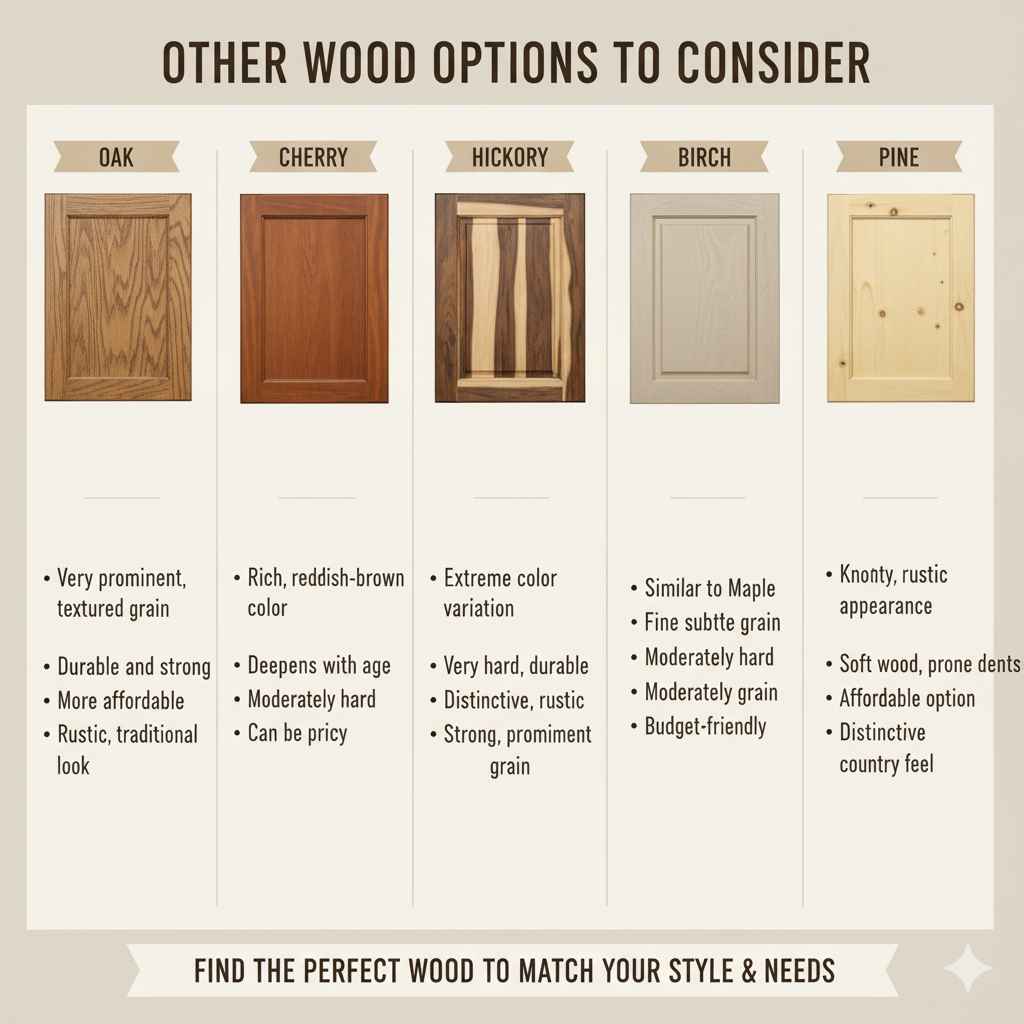
While Alder and Maple are popular, it’s good to know there are other great wood options for cabinets. Depending on your needs, you might also look into:
- Oak: Known for its very prominent grain, Oak is durable and usually more affordable than Maple. It has a distinct rustic or traditional look.
- Cherry: Offers a rich, warm reddish-brown color that deepens beautifully with age. It’s moderately hard and can be pricier.
- Hickory: One of the hardest domestic woods available, offering excellent durability. It has a lot of color variation and a distinct grain that can add a lot of character.
- Birch: Similar to Maple in appearance and hardness, often offering a more budget-friendly option. Its grain is typically a bit more noticeable than Maple’s.
- Pine: A softer wood, often chosen for its knotty, rustic look and lower price point. It’s more prone to dents and scratches.
Exploring these options can give you an even broader perspective on what’s available for your cabinetry project.
Frequently Asked Questions (FAQ)
What is the hardest wood between Alder and Maple?
Maple is significantly harder than Alder. On the Janka scale, Maple typically measures around 1450 lbf, while Alder is around 820 lbf. This means Maple is much more resistant to dents and scratches.
Which wood is better for painted cabinets, Alder or Maple?
Maple is generally considered the superior choice for painted cabinets. Its exceptionally smooth, tight grain provides a flawless surface for paint, resulting in a more professional and modern finish. Alder can be painted, but its grain may show through more noticeably.
Is Alder or Maple more expensive?
Maple is typically more expensive than Alder. The cost difference can be noticeable, especially for large projects like a full kitchen remodel. Alder offers a more budget-friendly entry into solid hardwood cabinets.
Which wood is better for a rustic look?
Alder often lends itself well to a rustic look. Its natural color variations, distinct grain patterns, and occasional knots and mineral streaks contribute to a warm, natural, and charming aesthetic. Maple can be stained to look rustic, but its inherent smoothness is less overtly “rustic” than Alder.
Are Alder cabinets durable enough for a kitchen?
Yes, Alder cabinets are durable enough for most homes, but they are softer than Maple. In a very busy kitchen with young children or a lot of activity, you might see more wear and tear over time compared to Maple. Proper care and finishing can help extend their life and maintain their appearance.
Can Alder and Maple be mixed in the same kitchen?
While technically possible, mixing Alder and Maple for cabinets is generally not recommended for aesthetic consistency. Their appearance, grain, and density are quite different. However, you might consider using them for different elements if done very carefully, though it’s usually best to stick with one wood type for cabinetry.
Conclusion
Choosing between Alder and Maple cabinets is a fantastic step towards making your home more beautiful and functional. Remember, Maple brings unmatched hardness and a smooth surface perfect for pristine painted finishes and long-lasting durability, often at a higher price point. Alder, on the other hand, offers a warm, natural beauty and rustic charm at a more accessible cost, though it is softer and more prone to dents.
For any woodworking, DIY, or home improvement project, understanding the materials is key. By weighing the pros and cons of Alder vs Maple cabinets based on your budget, desired style, and expected usage, you can confidently select the wood that will best serve your home for years to come. Happy building and decorating!