Are Ash Wood Bats Good: The Essential Guide
Yes, ash wood bats are good, offering a great balance of strength, flexibility, and forgiveness for batters of all levels. They are a popular and reliable choice for baseball and softball players due to their natural shock absorption and slightly lighter swing weight compared to some other hardwoods.
Choosing the right baseball or softball bat can feel like a big decision, especially when you’re just starting out. You see different woods, different brands, and wonder what makes one bat better than another. It’s easy to feel overwhelmed, but I’m here to help! Today, we’re diving into one of the most classic and reliable materials: ash wood. We’ll make sure you understand exactly why ash bats are a fantastic choice, what makes them special, and how they perform. Get ready to feel confident about your next bat choice!
Let’s explore what makes ash wood a champion in the bat-making world.
Are Ash Wood Bats Good? The Essential Guide
As a woodworking mentor, I’ve had the chance to work with all sorts of beautiful and practical woods. When it comes to baseball and softball bats, ash has a long and storied history for a reason. It consistently delivers performance that players love, from amateurs just picking up the game to seasoned pros.
So, are ash wood bats good? Absolutely! They are a fantastic option for a wide range of players due to their unique properties. Let’s break down exactly why ash is such a popular and effective choice for batters.
The History of Ash in Baseball Bats
Ash wood has been a staple in baseball bat manufacturing for decades. Before the rise of aluminum and composite bats, wood was the only option, and ash quickly became a favorite. Its widespread availability, combined with its excellent performance characteristics, made it the go-to material for bat makers and players alike. Even with modern materials, ash bats remain incredibly popular, a testament to their enduring quality.
What Makes Ash Wood Unique for Bats?
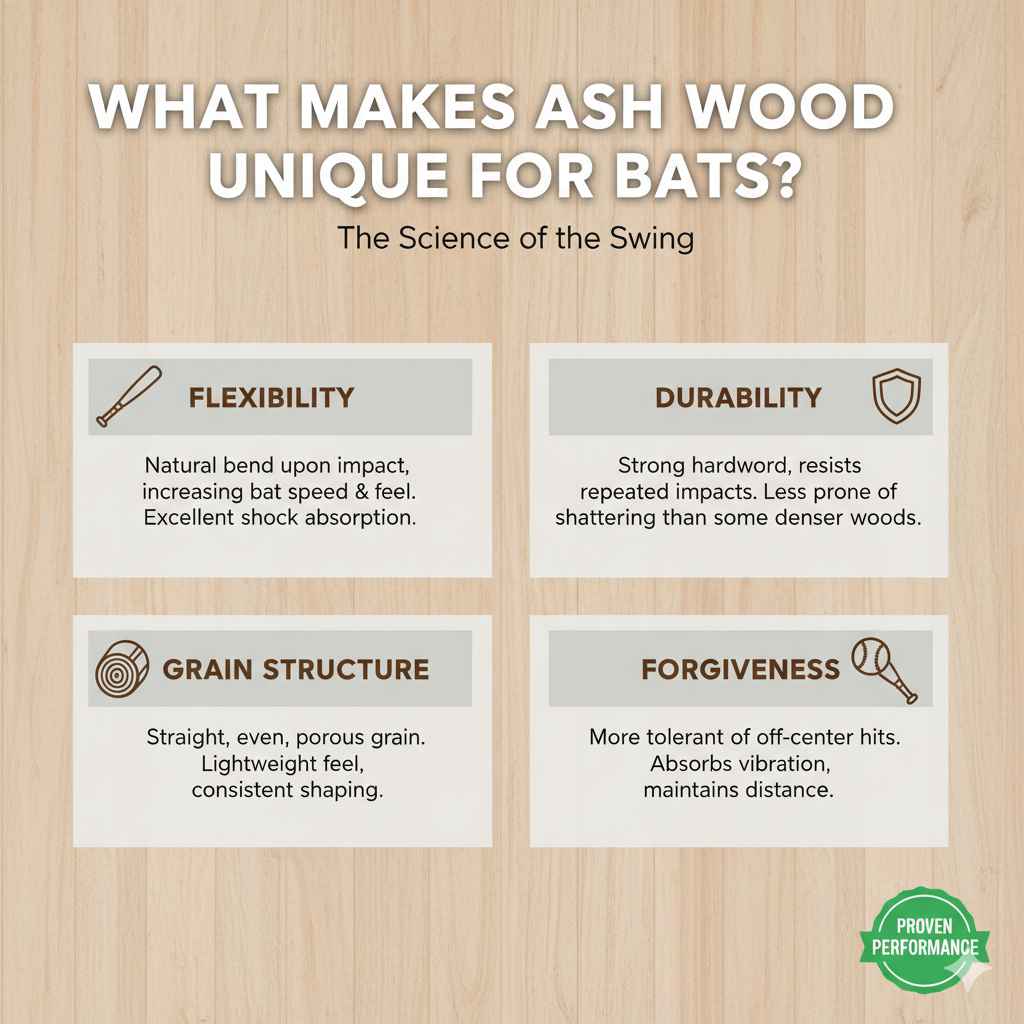
Ash is a hardwood known for its strength and resilience. What makes it particularly well-suited for bats?
Flexibility: Ash has a natural flex that many players appreciate. This means the bat can bend slightly upon impact with the ball, which can help with bat speed and the feel of the hit. This flex also contributes to its shock-absorbing qualities.
Durability: While not as dense as some other hardwoods like maple, ash is still quite durable. It can withstand the repeated impacts of hitting a baseball or softball.
Grain Structure: Ash typically has a straight, even grain pattern that is relatively easy to work with. This allows bat makers to shape it consistently. The grain is often more porous than maple, which contributes to its lighter feel and flexibility.
Forgiveness: Ash is often described as more “forgiving” than other woods. What does this mean for a batter? If you don’t hit the ball perfectly on the sweet spot, an ash bat is less likely to break than some harder woods. It can help absorb some of the vibration and still send the ball with good distance.
Ash Wood vs. Other Bat Materials
When you’re looking at bats, you’ll see different wood types, as well as metal and composite options. Comparing ash to these can help you understand its place in the market.
Ash vs. Maple Bats
Maple bats are another popular hardwood choice. Here’s a quick comparison:
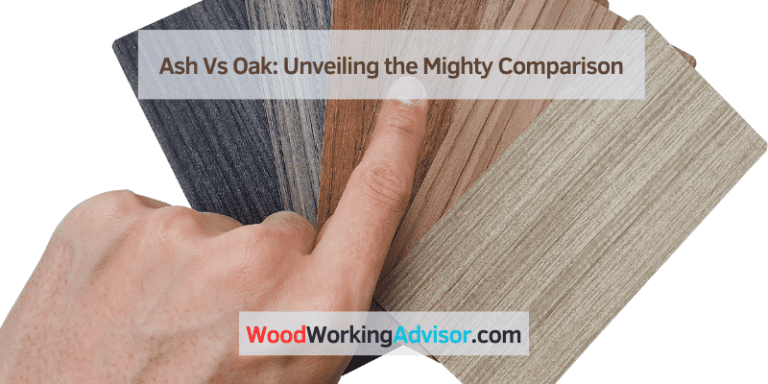
| Feature | Ash Wood Bats | Maple Wood Bats |
|---|---|---|
| Feel | More flexible, lighter swing weight | Stiffer feel, denser |
| Durability | Good, but can be prone to chipping | Very hard and durable, less prone to chipping |
| Forgiveness | More forgiving on off-center hits | Less forgiving; breaks cleanly on impact if it fails |
| Sweet Spot | Slightly larger, more forgiving sweet spot | Smaller, more defined sweet spot |
| Performance | Known for good pop and smooth feel | Known for raw power and higher exit velocity |
Many players find ash bats have a more comfortable feel due to their flex and shock absorption. Maple bats, being harder and denser, often have a larger “sweet spot” and can generate higher exit velocities, but they tend to break more cleanly if they fail.
Ash vs. Birch Bats
Birch is a newer contender in the wood bat world but has gained popularity.
Birch Strength: Birch is known for its strength and durability. It’s denser than ash and often considered more durable.
Birch Feel: It has a feel that’s somewhere between ash and maple. Birch bats often start a bit stiff and break in” over time, developing a feel similar to ash.
Performance: Birch bats offer good pop and can be a great all-around option. They are often seen as a good balance between the flexibility of ash and the rigidity of maple.
Ash vs. Composite and Aluminum Bats
Composite and aluminum (or alloy) bats are non-wood options.
Composite/Aluminum Advantages: These bats are often lighter for their size, can have a larger sweet spot, and don’t break in the same way wood bats do. They can offer a lot of power and are very forgiving.
Wood (Ash) Advantages: Many leagues, particularly for younger players or in certain divisions of amateur baseball and softball, require wood bats. Wood bats also offer a more traditional feel and sound that many purists enjoy. They promote better swing mechanics by punishing poor contact.
Pros and Cons of Ash Wood Bats
Like any material, ash wood bats have their strengths and weaknesses. Understanding these will help you decide if it’s the right choice for you.
Pros of Ash Wood Bats:
Excellent Shock Absorption: The flexible nature of ash helps absorb vibration on impact, leading to a more comfortable feel for the hands and wrists, especially on off-center hits.
Good Flexibility and “Whip”: Players often describe ash bats as having a good “whip” or flex through the hitting zone. This can contribute to bat speed and the feeling of power off the bat.
Forgiving on Contact: Ash is more forgiving than harder woods like maple. While not indestructible, it’s less likely to shatter from a slightly off-center hit, meaning more hits can still be effective.
Lighter Swing Weight: Compared to equally sized bats made of denser woods like maple, ash bats often feel lighter to swing due to its less dense grain structure. This can be beneficial for players looking to increase their bat speed.
Affordability: Generally, ash wood bats are often more affordable than comparable bats made from maple or composite materials, making them a great value for beginners and amateur players.
Traditional Feel: For players who love the classic feel and sound of hitting with wood, ash provides that authentic experience.
Cons of Ash Wood Bats:
Durability Concerns: While durable, ash is softer than maple. This means it can be more prone to denting or chipping, especially if used in colder weather or against harder balls.
Can Flake or Splinter: The grain structure of ash, while contributing to its flexibility, can sometimes lead to flaking or splintering if the wood is not properly cured or if the bat is used improperly.
Less Consistent Hardness: The hardness and density of ash can vary more between pieces of wood compared to maple, leading to slight variations in performance.
Requires More Care: Wood bats, in general, require more care than composite or aluminum bats. They should not be left in extreme heat or cold, and using them on hard surfaces or against hard objects will damage them.
What to Look for in an Ash Wood Bat
When you’re ready to buy an ash bat, keep these factors in mind to ensure you get a quality piece of equipment.
Grain Straightness: Look for a bat with straight, even grain lines running the length of the barrel. This indicates strength and consistency.
Wood Quality: High-quality ash bats are made from kiln-dried wood that has been properly aged. This ensures optimal strength and minimizes the risk of breakage.
Weight and Balance: The bat should feel balanced in your hands. While ash is generally lighter, you still want a weight that suits your strength and swing style. For beginners, a lighter-swinging bat is often recommended.
Handle and Knob: Ensure the handle feels comfortable in your grip, and the knob is well-formed and secure.
Barrel Size: Bats come with different barrel sizes. Larger barrels offer a slightly bigger hitting surface, but can sometimes feel more end-loaded. Smaller barrels might feel more balanced. For beginners, a moderate barrel size is usually a safe bet.
How to Care for Your Ash Wood Bat
Proper care will extend the life of your ash bat and ensure it performs its best.
1. Keep it Dry: Never expose your ash bat to excessive moisture or damp conditions. If it gets wet, towel it dry immediately.
2. Avoid Extreme Temperatures: Do not leave your bat in a hot car, direct sunlight for extended periods, or in freezing temperatures. Extreme heat can warp the wood, while extreme cold can make it brittle and prone to breaking.
3. Store Properly: The best way to store a wood bat is in a cool, dry place, ideally in a bat bag with other equipment. Avoid storing it upright for long periods, as this can put uneven pressure on the wood.
4. Use It for Its Intended Purpose: Only use your bat to hit baseballs or softballs. Do not use it to hit rocks, ice, or other hard objects, as this will damage it.
5. Inspect Regularly: Before each use, give your bat a quick visual inspection. Look for any cracks, splinters, or excessive dents. If you find significant damage, it’s best to retire the bat.
Understanding Bat Manufacturing Standards
For those interested in the craft or looking for specific performance, understanding some basic standards that go into bat making can be helpful. Organizations like Major League Baseball (MLB) have regulations regarding bat dimensions and materials, ensuring fair play and safety. While these specific rules (like maximum length and barrel diameter) apply to professional play, the principles of quality wood selection, proper drying, and precise turning are fundamental to all good wood bats. Bat manufacturers adhere to these principles to create reliable equipment.
When to Choose an Ash Bat for Youth Players
For young players developing their skills, ash wood bats are often an excellent choice.
Learning Swing Mechanics: The forgiving nature of ash means young players can still make good contact even if their swing isn’t perfect yet. This helps build confidence.
Developing Bat Speed: The typically lighter swing weight of ash bats allows younger players to generate more bat speed, which is crucial for developing power and making solid contact.
Affordability: As mentioned, ash bats are often more budget-friendly, which is ideal for families with growing athletes who might outgrow bats quickly.
Traditional Training: Many coaches advocate for starting young players with wood bats to teach them proper swing mechanics and respect for the bat.
When Professionals Choose Ash
While players can choose any bat material they prefer, many professional players still opt for ash. Here’s why:
Feel and Sound: The classic crack of an ash bat is iconic. Many professionals have a deep connection to this feel and sound.
Proven Performance: Ash has a long track record of high performance at the highest levels of the game. Players trust what has worked for generations.
Flexibility Advantage: Some batters find the flex of ash helps them generate power and feel more connected to the ball.
Breaking Point: While less durable than maple, ash tends to break cleanly, which can be safer than a bat shattering into shards. This predictable failure is sometimes preferred.
Popular Ash Wood Bat Models to Consider
While discussing specific models can get complex as they change year to year, here are some types of ash bats you might encounter and what to consider:
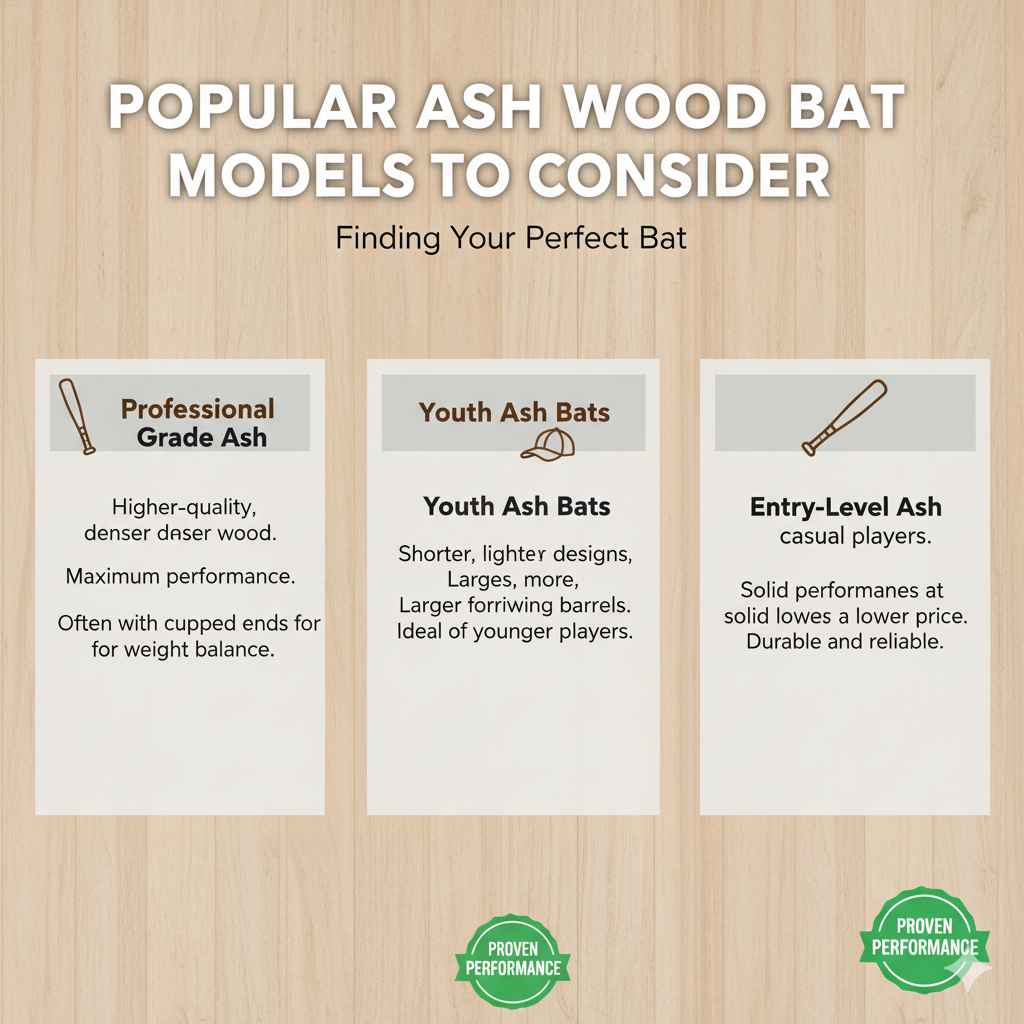
Professional Grade Ash: These are often made from higher-quality, denser ash wood and are designed for maximum performance. They might have traditional cupped ends to shave off weight.
Youth Ash Bats: These are typically shorter, lighter, and designed for younger players. They often have larger, more forgiving barrels.
Entry-Level Ash Bats: These are great for beginners or casual players. They offer good performance at a lower price point.
When you’re browsing, look for brands known for quality wood bat manufacturing. Many reputable companies offer ash bats in various models suitable for different ages and skill levels.
FAQ: Your Ash Wood Bat Questions Answered
Let’s tackle some common questions beginners have about ash wood bats.Are ash wood bats heavy? Ash wood bats are generally considered to be of a moderate to lighter swing weight compared to other hardwoods like maple. This makes them a good choice for players who want a balance of power and bat speed.
Can ash bats break easily?
Ash bats are durable but can break, especially if misused or if there’s a manufacturing defect. They are typically more prone to breaking than composite or metal bats. However, they are often considered more forgiving than maple bats and can last a long time with proper care and use.
What is the “sweet spot” of an ash bat?
The “sweet spot” is the area on the bat’s barrel that results in the most efficient transfer of energy to the ball, creating maximum power and minimum vibration. Ash bats generally have a slightly larger and more forgiving sweet spot than maple bats, meaning hits slightly off-center can still be very effective.
How do ash bats perform in cold weather?
Wood bats, including ash, can become more brittle in cold weather. Hitting a ball with an ash bat in very cold temperatures (below 50°F or 10°C) increases the risk of the bat breaking. It’s best to use wood bats in moderate to warm temperatures.
Are ash bats noisy when they hit the ball?
Ash bats produce a distinct, satisfying “crack” sound when they make solid contact with a ball. This sound is a characteristic many players love about hitting with wood.
Should I choose ash or maple if I’m a beginner?
For beginners, ash is often recommended due to its forgiveness and lighter swing weight. It helps build confidence and proper swing mechanics. Maple is a great choice for players who prefer a stiffer feel and want to maximize exit velocity, but it requires more precise contact.
Is ash wood good for softball bats too? Yes, ash wood is also a popular choice for softball bats. The principles of its performance – flexibility, shock absorption, and a good feel – apply equally well to softball.
Conclusion: Ash Wood Bats Are a Solid Choice!
So, there you have it! When you ask, “Are ash wood bats good?”, the answer is a resounding yes. Ash wood bats offer a fantastic blend of flexibility, forgiveness, and a comfortable feel that many players, from beginners to seasoned pros, have relied on for generations. They provide a traditional hitting experience with great performance characteristics, making them an outstanding choice for anyone looking for a reliable and rewarding bat.
By understanding the properties of ash wood, how it compares to other materials, and how to care for your bat, you can make an informed decision and enhance your game. Whether you’re stepping up to the plate for the first time or looking to refine your technique, an ash wood bat is a dependable companion that won’t let you down. Happy hitting!