Where to Buy Wood Ash for Chickens: Top 5 Trusted Sources
The easiest sources for wood ash for chickens are places you might not think to check first: your own fireplace or wood stove, a neighbor who burns wood, or a local farm supply store — before spending money online. Buy it only as a backup if none of those pan out, and always confirm it’s from untreated wood, not a fireplace that’s ever burned trash, painted lumber, or charcoal briquettes, which can leave toxic residue in the ash.
Here’s where to actually look, what to check before using any ash you find, and the real safety limits worth knowing before adding it to a coop.
Why Chicken Keepers Use Wood Ash
Best For Boosting A Wood Ash Dust Bath
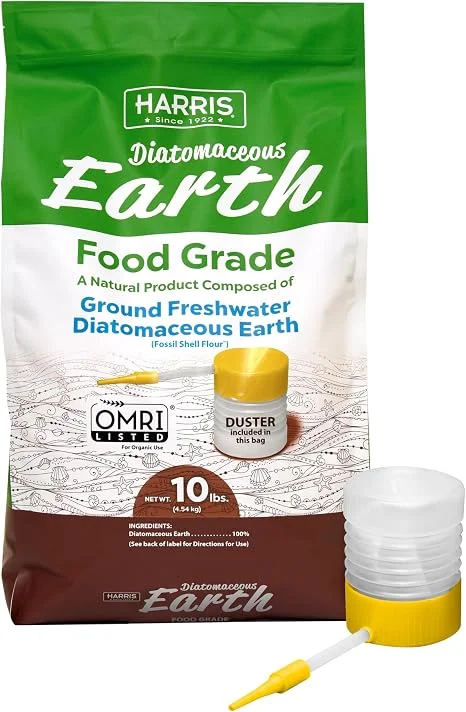 |
Harris Food Grade Diatomaceous Earth – $38.00 Most chicken keepers mix this into a wood ash dust bath rather than using either one alone, since DE tackles external parasites that ash alone doesn’t fully control.
|
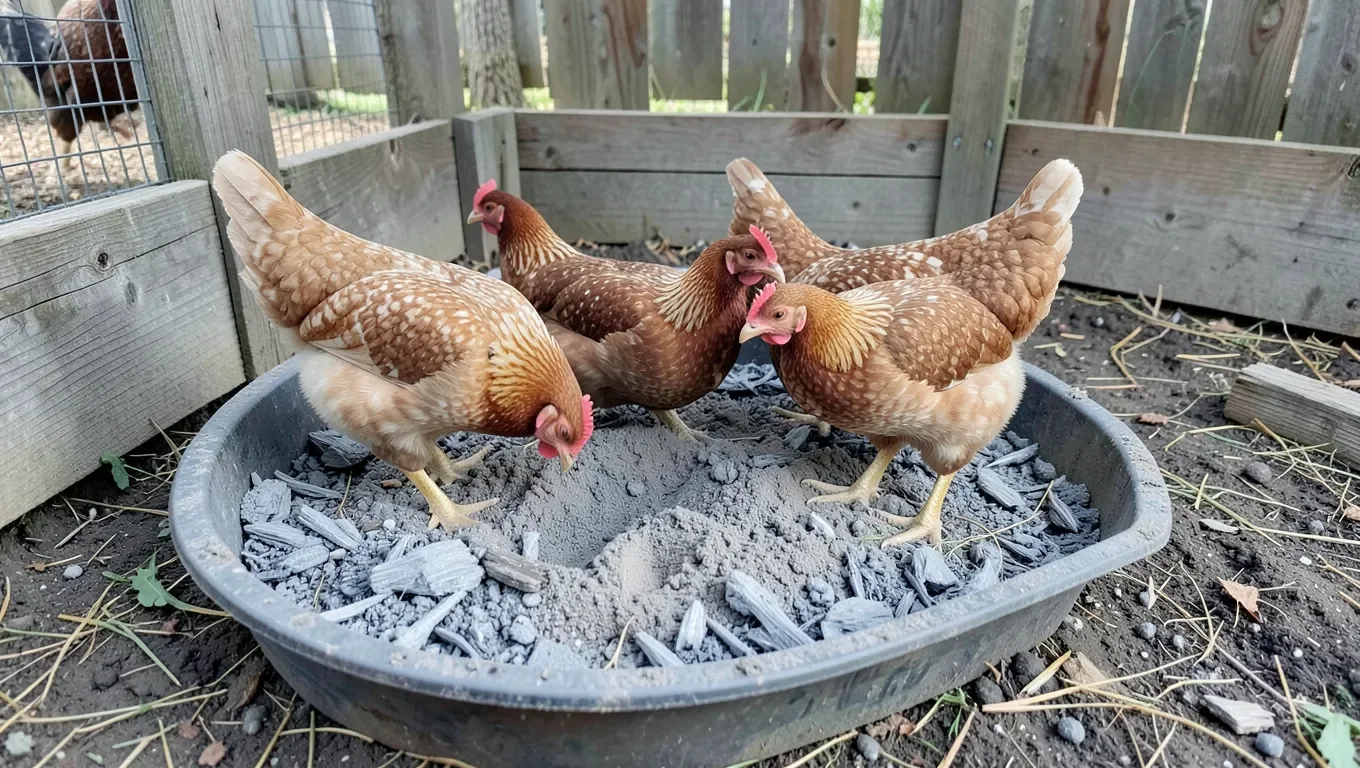
Wood ash added to a dust bath helps chickens suffocate and dislodge external parasites like mites and lice during their natural dust-bathing behavior, and its fine, powdery texture works into feathers more easily than dirt alone. It’s also a cheap, widely available way to keep a dust bath area from turning into mud after rain, since dry ash absorbs excess moisture.
The Free Sources Worth Checking First
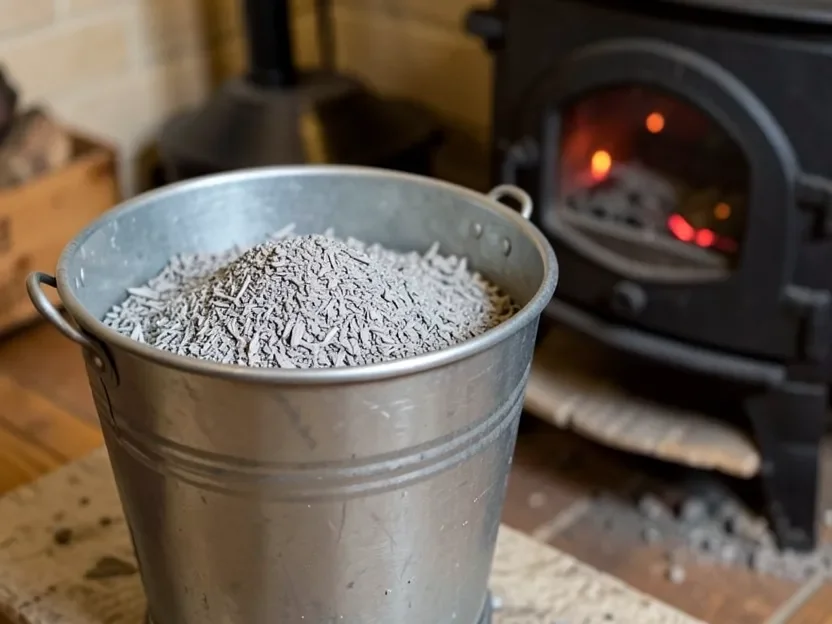
If you or a neighbor burns wood in a fireplace, wood stove, or fire pit, that’s the cheapest and most reliable source — the ash is free, and you know exactly what wood produced it. Local homesteading Facebook groups and online forums are worth a post; many people burning wood regularly have more ash than they know what to do with and are happy to give it away. Farmers’ markets are also worth asking at directly — vendors who heat with wood often have a surplus.
Buying It: Farm Supply and Garden Stores
Local farm supply stores sometimes stock wood ash or can point you to a supplier — call ahead rather than assuming it’s on the shelf, since not every location carries it. Organic gardening centers are another option, since wood ash is also sold as a soil amendment; staff there can usually confirm the source is untreated wood. If neither pans out locally, online retailers carry bagged wood ash, though shipping cost on a bulky, low-value product like ash often makes local sourcing the better deal.
Making Your Own
If you have access to a fireplace, wood stove, or fire pit, making your own ash is straightforward: burn only clean, untreated wood — never trash, painted or stained lumber, pressure-treated wood, or charcoal briquettes, all of which can leave toxic residue in the ash. Let the ash cool completely (it can retain heat for a surprisingly long time) before collecting it into a metal container, and keep it dry; wet ash clumps and loses the fine, dust-bath-friendly texture chickens need.
Safety Limits Worth Knowing
Wood ash is alkaline and can irritate skin, eyes, and lungs in concentrated form — this applies to you handling it as much as to the chickens using it. Offer it as one component of a dust bath mixed with dirt and sand, not as a pure ash pile chickens might peck at directly; large amounts ingested can upset a chicken’s digestive system. Keep the dust bath area covered or under shelter, since rain turns dry ash into a caustic paste that’s far more irritating than the dry powder.
What to Check Before Using Any Wood Ash
- Source wood: untreated hardwood or softwood only — never trash, painted/stained lumber, pressure-treated wood, or charcoal.
- Texture: fine and powdery, not large unburned chunks, which don’t work into feathers effectively.
- Dryness: bone dry, stored in a sealed container — wet ash isn’t usable for dust bathing and can also generate heat as it decomposes.
- Quantity in the mix: ash should be one ingredient in a dirt-and-sand dust bath, not the entire bath.
Frequently Asked Questions
What Kind of Ash Is Good for Chickens?
Fine, dry ash from untreated hardwood or softwood is best. Never use ash from trash, painted or treated lumber, or charcoal briquettes, since these can leave toxic residue that’s harmful to chickens.
Can Wood Ash Be Purchased?
Yes, from some farm supply stores, organic garden centers, and online retailers, though it’s often cheaper and easier to source for free from your own fireplace or a neighbor who burns wood. Always confirm the source is untreated wood before using it.
What Is the Best Material for a Chicken Dust Bath?
A mix of dry dirt or sand with wood ash and optionally food-grade diatomaceous earth gives chickens the best combination for cleaning feathers and controlling external parasites. Keep the area dry and sheltered from rain, since wet ash turns caustic and loses its dust-bathing texture.
Can I Give My Chickens Wood Ash?
Yes, as a dust bath additive, not as feed. Mix it with dirt or sand rather than offering it alone, since concentrated ash can irritate skin and eyes and shouldn’t be ingested in quantity. Keep it dry and sourced from untreated wood only.
Conclusion
Check your own fireplace or a wood-burning neighbor before buying wood ash for chickens — it’s usually free and just as effective as anything sold. Whatever the source, confirm it came from untreated wood, keep it dry, and mix it into a dirt-and-sand dust bath rather than using it alone or letting chickens peck it directly.
Sponsored / affiliate links. As an Amazon Associate I earn from qualifying purchases. I may earn additional commission from eligible campaigns.