Ash Wood Bats: Why They Flex More Than Maple (and When to Choose Them)
Ash bats flex more than maple bats because of how the wood actually grows — ash is ring-porous, meaning each year’s growth ring alternates between large, open pores and dense, tight fiber, creating natural flex lines through the wood. Maple, by contrast, is diffuse-porous with evenly distributed fiber, which is why it’s stiffer and denser. That structural difference is the real reason ash and maple bats feel so different at the plate, not just marketing.
What Ring-Porous Wood Means for a Hitter
Best Ash Bat for Trying the Flex Difference
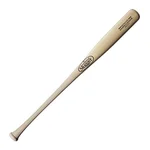 |
Louisville Slugger Genuine Mix Ash Bat, 34″ – $48.95 If you’ve never swung ash after growing up on maple or aluminum, this is an affordable way to feel the difference this article describes firsthand.
|
Because ash’s fiber structure isn’t uniform, the wood has more natural give along its length, which translates to a slightly larger forgiving zone on mishits and less sting transmitted back through the handle on off-center contact. That flex is also why ash bats are lighter than a maple bat of the same dimensions — less dense wood per cubic inch — which lets hitters generate more bat speed for a given swing weight. The tradeoff is durability under repeated hard, precise contact: ash’s alternating pore structure is more prone to flaking along the grain lines over time than maple’s uniform density, which is part of why maple became MLB’s dominant bat wood over the past two decades even though ash remains legal and still used.
A Real Example: Derek Jeter’s P72
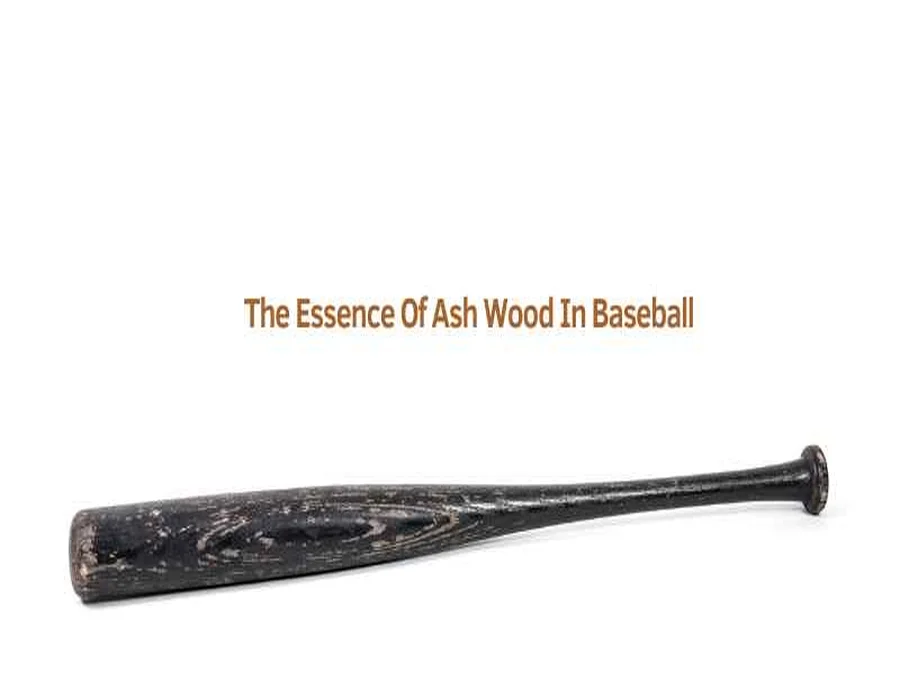
Derek Jeter used a 34-inch, 32-ounce Louisville Slugger P72 ash bat for his entire career, famously staying with ash even as most of the league switched to maple in the 2000s and 2010s. Louisville Slugger retired the P72 model in his honor after his final season. Jeter’s preference wasn’t nostalgia — ash’s lighter weight and flex suited his inside-out swing and let him stay on outside pitches a fraction longer before committing, which is exactly the mechanical advantage ash’s ring-porous structure provides.
How Ash Bats Are Made
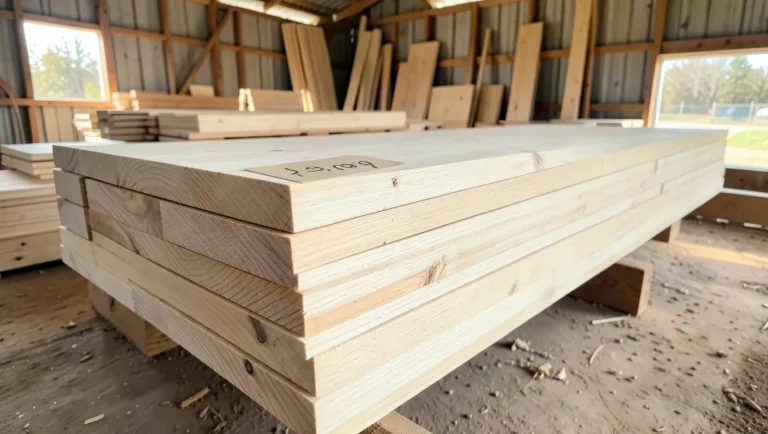
Bat-grade ash comes from trees at least several decades old, selected for straight, knot-free grain — any bend or knot becomes a weak point once the wood is turned down to bat dimensions. (Ash lumber generally does have knots at lower grades — bat-grade is simply cut from the clearest sections available.) After harvesting, the logs are air- or kiln-dried for months to reach the moisture content bat manufacturers require before turning; wood dried too fast or too little produces a bat prone to early cracking. Once dried, logs are cut into bat-blank billets, turned on a lathe to the specific model’s profile, then sanded, finished, and branded.
Ash vs. Maple vs. Birch
| Wood | Pore Structure | Feel | Durability |
|---|---|---|---|
| Ash | Ring-porous | More flex, lighter swing weight | Flakes along grain lines with heavy use |
| Maple | Diffuse-porous | Stiffer, denser, less give on mishits | Can fail catastrophically (multi-piece break) rather than flake |
| Birch | Diffuse-porous | Between ash and maple in flex | Generally durable; often needs a short break-in period |
Maple’s higher density gives harder contact more consistently, which is part of why it became popular, but that same density means a maple bat that does fail tends to break explosively into multiple pieces rather than crack or flake — a safety concern serious enough that MLB now requires additional grain-orientation testing on maple bats specifically. Ash and birch, being more fibrous, are far more likely to just crack or flake in one piece.
Caring for an Ash Bat
Store it in a cool, dry place — humidity swings are harder on ash’s open pore structure than on denser woods. Rotate the bat a quarter turn between swings during batting practice so contact wear distributes around the barrel rather than concentrating on one face, which extends usable life meaningfully. Inspect the barrel after hard use for small surface cracks running with the grain; caught early, a hairline crack can sometimes be stabilized with wood glue and a clamp, but a bat with a crack that’s opened up or spread should be retired rather than risked.
Frequently Asked Questions
Do Any MLB Players Still Use Ash Bats?
Yes. While maple dominates the league, ash remains a legal, actively used bat wood, particularly among hitters who value its lighter swing weight and forgiving flex over maple’s added density.
Do They Still Make Ash Baseball Bats?
Yes. Louisville Slugger, Rawlings, and other major bat makers continue to produce ash models alongside maple and birch.
Is Ash Used to Make Baseball Bats?
Yes, ash has been a primary bat wood for over a century, valued for the balance of flex, light weight, and strength that its ring-porous grain structure provides.
What Wood Bat Did Babe Ruth and Derek Jeter Use?
Both used ash. Ruth’s Hillerich & Bradsby bats (the company behind Louisville Slugger) were ash, and Jeter used the ash P72 model for his entire career, which Louisville Slugger retired in his honor after he retired.
Bottom Line
Ash bats flex and forgive more than maple because of a real structural difference in the wood’s grain, not just tradition or branding. That makes them a legitimate choice for hitters who value bat speed and a larger sweet spot over maple’s added density — the tradeoff is watching for grain-line flaking rather than assuming the bat will fail the way a maple bat does.
Sponsored / affiliate links. As an Amazon Associate I earn from qualifying purchases. I may earn additional commission from eligible campaigns.