Are Oak Leaves Bad for Grass? Essential Guide
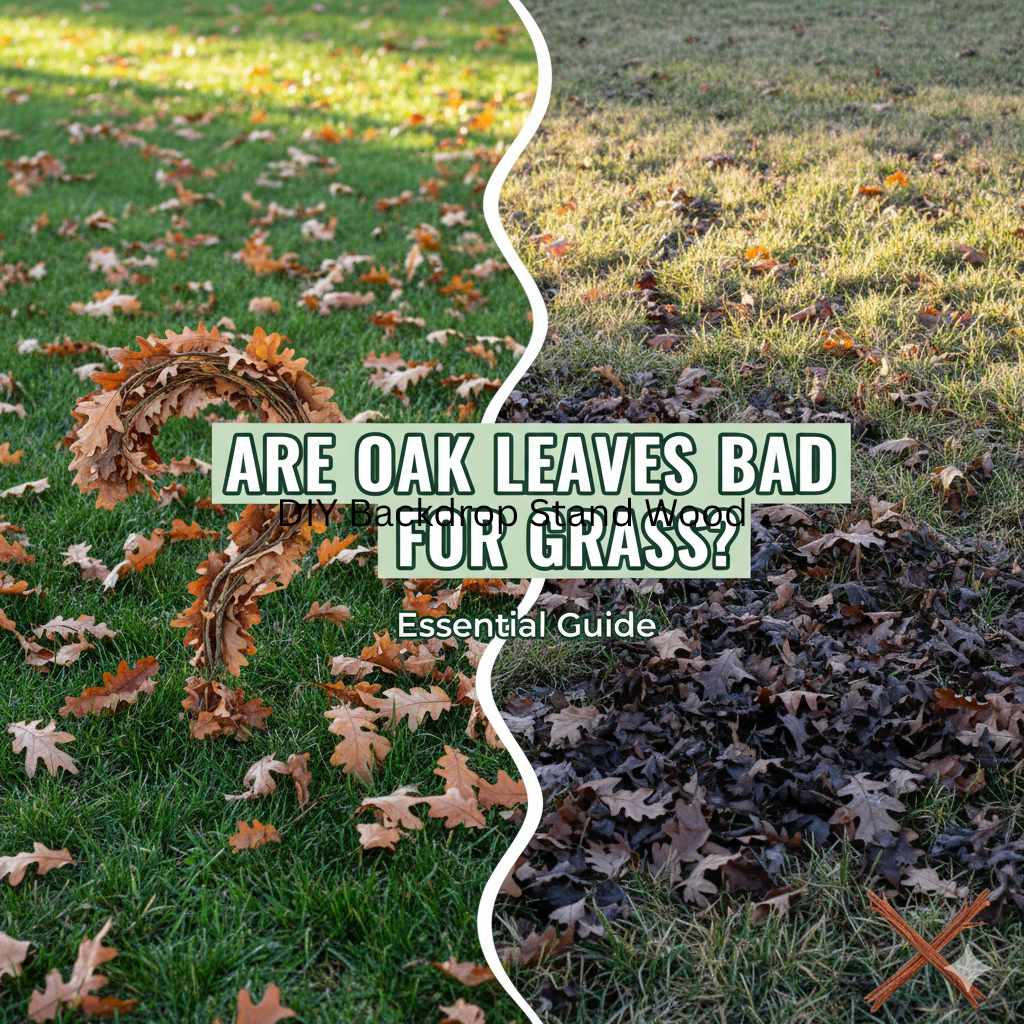
Oak leaves can indeed be bad for grass if left to accumulate. They smother the lawn, block sunlight and air, and can create an acidic environment that hinders grass growth. Prompt removal and composting are key to a healthy lawn.
Autumn brings beautiful colors, but also a carpet of fallen leaves. For many homeowners, especially those with oak trees, the big question arises: are oak leaves bad for grass? It’s a common concern, and the answer is a simple, yet important, yes, they can be. Left to their own devices, a thick layer of oak leaves can suffocate your beautiful lawn, preventing essential sunlight and air from reaching the grass blades. This can lead to yellowing, thinning, and even bare patches. But don’t worry! With a little know-how and some simple steps, you can manage them effectively and keep your lawn looking its best. This guide will walk you through everything you need to know.
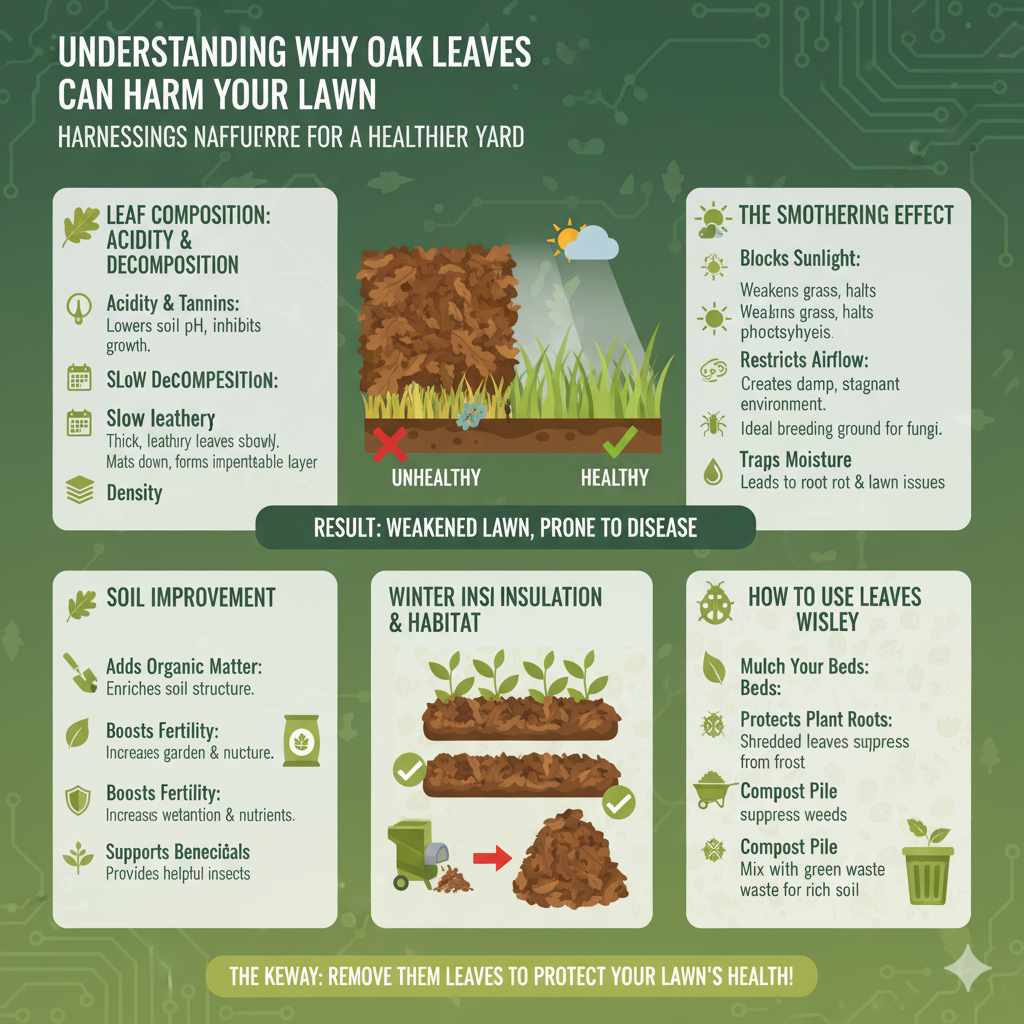
Understanding Why Oak Leaves Can Harm Your Lawn
Oak leaves have a few characteristics that make them a bit more challenging for your lawn than leaves from other trees. Understanding these helps us tackle the problem effectively.
Leaf Composition: Acidity and Decomposition
Oak leaves tend to be somewhat acidic and take longer to break down compared to softer leaves from trees like maple or birch. This slower decomposition means they can sit on your lawn for extended periods, creating a detrimental layer.
- Acidity: While not drastically acidic, the gradual breakdown of oak leaves can slightly lower the soil’s pH over time if they’re left in large quantities. Grass prefers a more neutral soil pH.
- Tannins: Oak leaves contain tannins, which are natural compounds that contribute to their slower decomposition and can also, in large concentrations, inhibit seed germination and growth.
- Density: Oak leaves are often thicker and more leathery than other deciduous leaves. This density means they mat down more easily, forming a tightly packed layer that’s difficult for grass to grow through or for water and air to penetrate.
The Smothering Effect
When a thick layer of oak leaves covers your lawn, it acts like a blanket. This isn’t a cozy blanket for your grass; it’s a suffocating one.
- Blocks Sunlight: Grass needs sunlight to photosynthesize, its primary way of getting energy. A dense leaf layer prevents adequate sunlight from reaching the grass, weakening it.
- Restricts Airflow: Proper air circulation is vital for a healthy lawn. Leaves piled up can impede this, creating a damp environment that’s perfect for fungal diseases.
- Harbors Pests and Diseases: The moist, dark conditions created by a thick leaf layer can be an ideal breeding ground for various lawn pests and fungal diseases.
- Traps Moisture: While grass needs water, constant saturation from trapped moisture under leaves can lead to root rot and other critical issues.
Common Problems Caused by Unmanaged Oak Leaves
Ignoring that pile of oak leaves can lead to noticeable problems in your lawn. Recognizing these issues early can help you address them before they become major headaches.
Yellowing and Thinning Grass
As mentioned, the lack of sunlight prevents photosynthesis. This energy starvation causes the grass blades to turn yellow and the turf to become thin and sparse. You might notice areas where the grass looks sickly or less vibrant than usual.
Bare Patches and Weakened Roots
Over time, the constant smothering can kill the grass entirely, leaving bare patches. Furthermore, the lack of air and water penetration weakens the grass’s root system, making it less resilient to drought, heat, or heavy foot traffic.
Increased Fungal Diseases
The damp, decaying organic matter under leaves creates a perfect environment for lawn fungi. Diseases like dollar spot, brown patch, and red thread can thrive in these conditions, further damaging an already stressed lawn. These often appear as circular patches of dead or discolored grass.
Attraction of Pests
Damp, shadowed conditions can also attract unwanted lawn pests like grubs or slugs, which can feed on your grass or its roots, exacerbating the damage you’re already trying to prevent.
Effective Methods for Managing Oak Leaves on Your Lawn
Now that we understand the “why,” let’s dive into the “how”! There are several practical and beginner-friendly ways to deal with oak leaves without causing further harm to your lawn or your back.
1. Raking: The Classic Approach
Raking is a time-tested method. While it can be a bit of work, it’s effective and requires minimal equipment.
Tools You’ll Need:
- Leaf Rake: A wide, flexible rake designed for leaves is best. Metal or plastic tines work well.
- Work Gloves: To protect your hands from blisters and debris.
- Yard Waste Bags or Bin: For collecting the raked leaves.
How to Do It:
- Timing is Key: Rake regularly throughout the fall, especially after windy days or significant leaf fall. Don’t let leaves pile up too deeply.
- Work in Sections: Tackle smaller areas at a time to avoid overwhelming yourself.
- Gather and Bag: Rake the leaves into piles and then use the rake or a leaf scoop to corral them into bags or a designated compost bin.
- Don’t Over-Rake: Be careful not to rake so aggressively that you damage young grass or scar the soil.
2. Leaf Blower: The Faster Option
A leaf blower can significantly speed up the process of gathering leaves, especially on larger lawns.
Tools You’ll Need:
- Leaf Blower: Electric (corded or battery) or gas-powered.
- Safety Gear: Eye protection, ear protection (especially for gas blowers), and a dust mask.
- Rake (Optional): For getting leaves out of tight spots or wet clumps.
- Yard Waste Bags or Bin.
How to Do It:
- Choose the Right Time: Use your blower when leaves are dry. Wet leaves are heavy and difficult to move.
- Work With the Wind (or Create Your Own): Direct the blower to move leaves towards a central collection point or your compost pile.
- Be Mindful of Neighbors: If using a loud gas blower, be considerate of your neighbors’ quiet time.
- Combine with Raking: You might find it helpful to use the blower to gather leaves into larger piles and then use a rake to tidy up or move them into bags.
3. Mulching Mower: The “Chop and Drop” Method
Many modern lawnmowers have a mulching function. This is a fantastic way to process leaves directly on your lawn.
Tools You’ll Need:
- Mulching Mower: A mower with a mulching blade and a deck designed for mulching.
- Regular Mower (with mulching blade attachment).
How to Do It:
- Mow Frequently: Go over the lawn often while leaves are falling but before they become too deep or wet.
- Don’t Let Them Pile Up: The key is to cut the leaves into very small pieces. If you mow over a thick layer, you’ll just create a matted mess.
- Multiple Passes: You may need to go over the same area multiple times, especially if leaves are thick. Mow in different directions to ensure good coverage.
- Check the Leaf Size: Aim to cut the leaves into pieces no larger than a dime. If they’re still big, your mower isn’t getting them small enough.
Benefits of Mulching:
- Nutrient Recycling: The finely chopped leaves decompose quickly and return valuable nutrients to the soil.
- Saves Time: No bagging or hauling involved.
- Improves Soil Structure: Adds organic matter to your soil as it breaks down.
4. Composting Oak Leaves
Whether you rake them or mulch them into smaller pieces, compost is a great destination for your oak leaves.
What You’ll Need:
- Compost Bin or Pile: Can be store-bought or a simple pile.
- “Greens” for Balance: Grass clippings, kitchen scraps (no meat or dairy).
- Water.
- Pitchfork or Shovel.
How to Do It:
- Layering is Key: Mix your oak leaves (the “browns”) with “green” materials like grass clippings or kitchen scraps. A good ratio is roughly 2 parts brown to 1 part green.
- Moisture: Keep the compost pile moist, like a wrung-out sponge.
- Aeration: Turn the pile periodically with a pitchfork or shovel to introduce air, which speeds up decomposition.
- Patience: Oak leaves take longer to decompose than other materials, so it might take 6-12 months or more to get finished compost.
For more detailed composting guidance, resources like the Environmental Protection Agency (EPA) offer excellent insights into home composting practices.
Creating a Healthy Lawn: Beyond Leaf Removal
Managing leaves is just one part of keeping your lawn vibrant. Here are a few more tips to ensure your grass thrives, even with oak trees nearby.
Aeration
Regularly aerating your lawn (loosening compacted soil) improves air, water, and nutrient penetration to the grass roots, helping it recover from any smothering effect and better absorb fertilizers.
Overseeding
If you have thin or bare spots, overseeding in the fall can help fill them in with new grass, strengthening your lawn’s density and resilience.
Soil Testing
Consider getting your soil tested. This can reveal your soil’s pH and nutrient levels. If the oak leaves have made your soil too acidic, a soil test will show it, and you can then amend it according to the test’s recommendations.
Proper Watering and Fertilizing
Ensure your lawn receives adequate water and is fertilized at the appropriate times of the year. A healthy, well-fed lawn is more robust and better able to withstand stress, like a temporary covering of leaves.
Pros and Cons of Different Leaf Management Methods
To help you decide which method is best for you, here’s a quick comparison:
| Method | Pros | Cons |
|---|---|---|
| Raking | Effective, good exercise, minimal equipment needed. | Time-consuming, labor-intensive, can be hard on the back. |
| Leaf Blowing | Fast, efficient for large areas, conserves energy. | Noisy, potential for air pollution (gas blowers), can blow leaves into unwanted areas, requires power source. |
| Mulching Mower | Recycles nutrients, saves time and effort, improves soil. | Requires a mulching mower, can be ineffective with very thick or wet leaf layers, may require multiple passes. |
| Composting | Creates valuable soil amendment, environmentally friendly, reduces waste. | Requires space and time, needs some effort to manage the compost pile. |
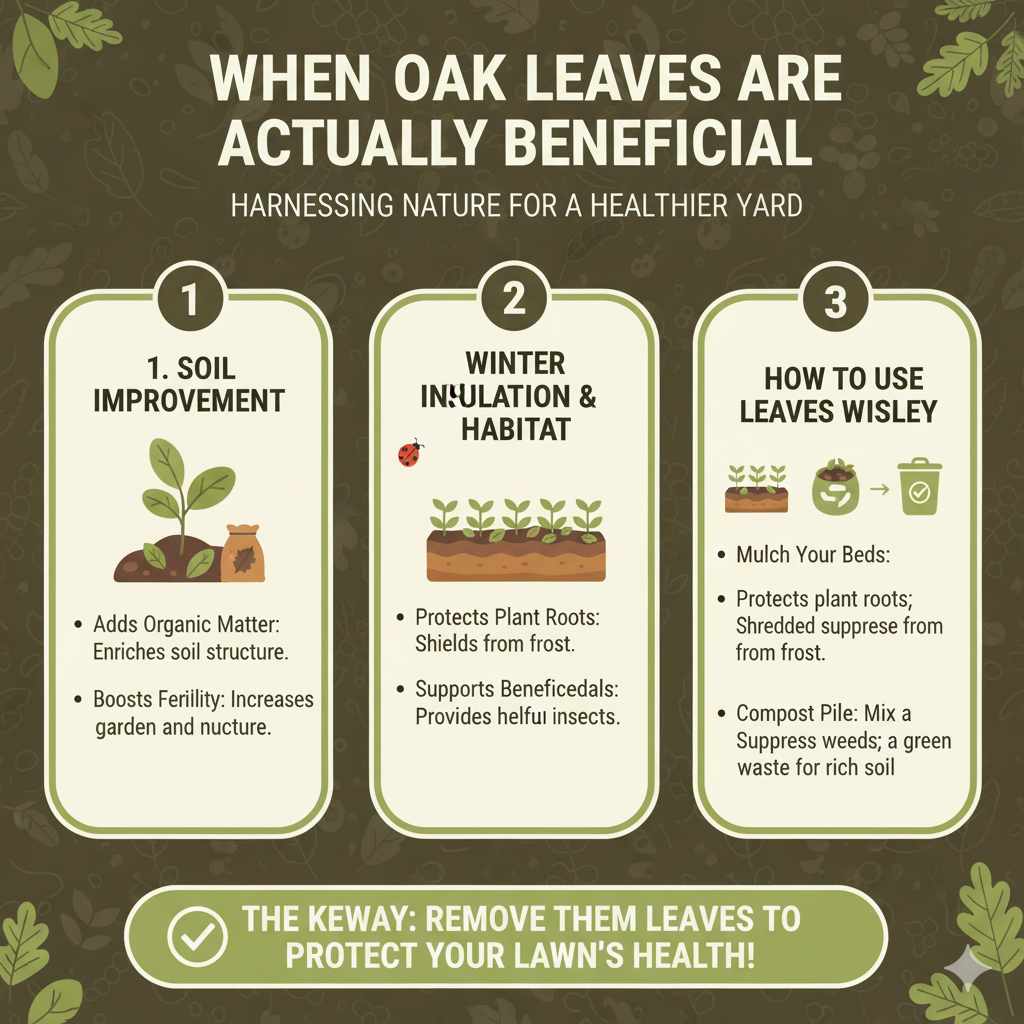
When Oak Leaves are Actually Beneficial
While we’ve focused on the challenges, it’s worth noting that in moderation and with proper management, oak leaves can actually benefit your lawn and garden.
- Soil Improvement: Once decomposed, fallen leaves add organic matter to the soil, improving its structure, water retention, and fertility. This is especially true if they’re composted or mulched.
- Winter Insulation: A thin layer of leaves remaining on garden beds (not the lawn) can provide insulation through the winter, protecting plant roots from harsh freezes.
- Habitat for Beneficial Insects: In certain areas of your yard (away from manicured lawns), leaving some leaf litter can provide habitat for beneficial insects like ladybugs and ground beetles that help control garden pests.
The key is to ensure they are broken down and integrated into the soil, not left as a suffocating mat on your grass during the growing season.
Frequently Asked Questions (FAQ)
Q1: How thick can oak leaves get on my grass before they become a problem?
A1: Generally, a layer of leaves thicker than one to two inches can start to cause problems by blocking sunlight and air. If you can no longer see the grass blades, it’s too thick.
Q2: Can I just leave oak leaves on my lawn during winter?
A2: While the dormant grass is more resilient, a very thick, matted layer applied in late fall can still harm the lawn over winter by promoting disease or creating a breeding ground for pests. It’s best to reduce the leaf layer to no more than an inch by late fall.
Q3: Are oak leaves acidic enough to permanently damage my lawn?
A3: Typically, no. A single season’s worth of leaves, especially if mulched or removed, is unlikely to cause permanent acidification. However, year after year of unmanaged, decaying leaves could contribute to a lower pH if not balanced.
Q4: What’s the best way to deal with wet, heavy oak leaves?
A4: Wet leaves are harder to rake or blow. The best approach is often to use a mulching mower to chop them into smaller pieces. If they are extremely matted, you might need to use a garden fork to break them up before raking or allow them to dry slightly if possible.
Q5: Is it okay to burn my oak leaves?
A5: Burning leaves can release harmful pollutants into the air and is illegal in many communities due to fire hazards and air quality concerns. It’s not recommended as an environmentally friendly or safe disposal method.
Q6: Can my lawnmower handle a thick layer of oak leaves?
A6: Most standard lawnmowers, even those with mulching capabilities, will struggle with a thick, matted layer of oak leaves. It’s best to remove or significantly reduce the leaf layer before mowing, or to mulch in stages as the leaves fall.
Conclusion
So, are oak leaves bad for grass? Yes, they certainly can be if left neglected. The potential for smothering, disease, and nutrient depletion is real. However, as we’ve explored, managing them is entirely achievable for any homeowner. By employing simple techniques like regular raking, efficient leaf blowing, or the incredibly beneficial mulching mower, you can transform a potential lawn problem into an opportunity to enrich your soil. Composting provides a sustainable way to dispose of them, creating valuable garden material. Remember, a healthy lawn is a dynamic ecosystem, and timely action with oak leaves is key to maintaining its vitality. With the right approach and a little regular effort, you can enjoy the beauty of your oak trees without sacrificing the health and appearance of your lawn. Keep those leaves moving, and your grass will thank you!