Are Oak Leaves Good for Compost: Essential Guide
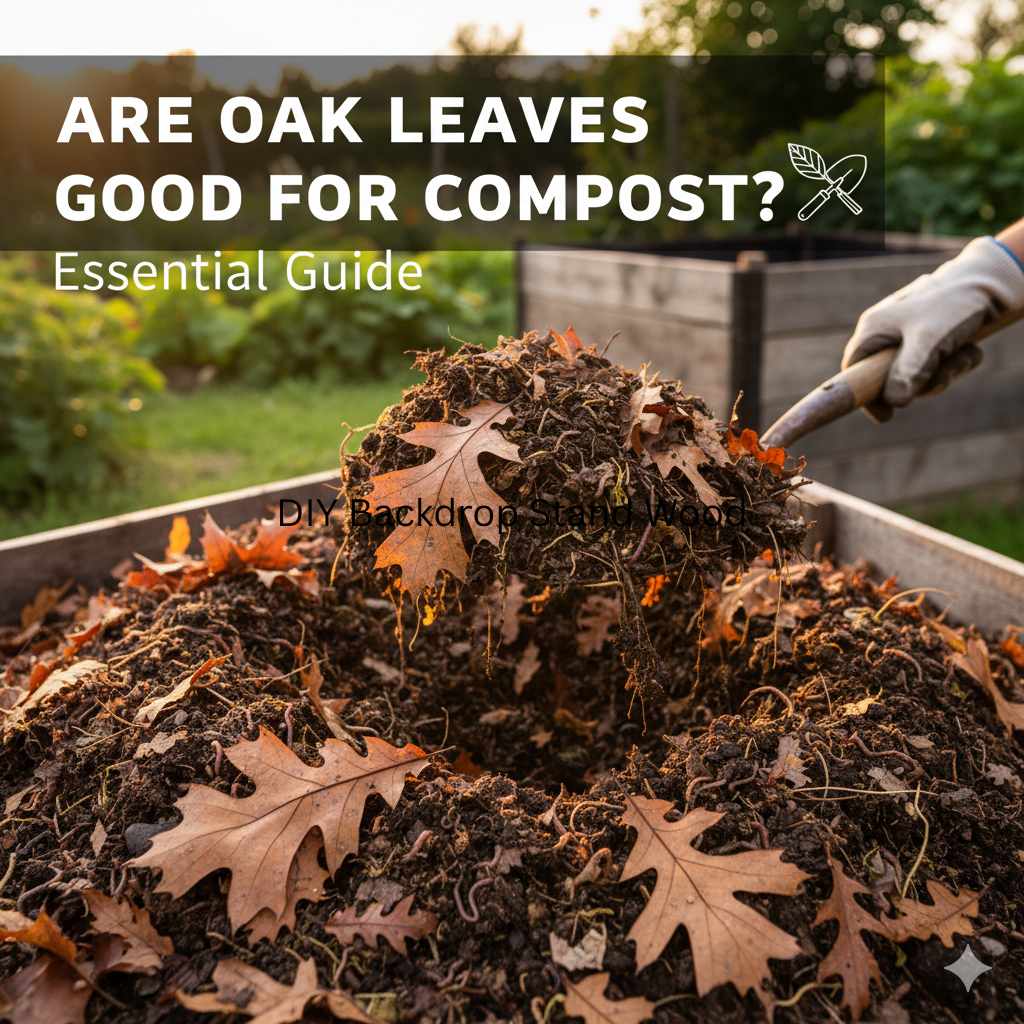
Are Oak Leaves Good for Compost? Absolutely! They are a fantastic “brown” material, rich in carbon, that balances “green” kitchen scraps for a healthy compost pile. Properly composted oak leaves break down well and enrich your soil.
Welcome! You’ve probably seen piles of oak leaves in your yard, especially in the fall. You might be wondering if they’re a good addition to your compost bin. It’s a common question, and the answer is a resounding yes! Many beginners worry about adding things like leaves because they’re unsure if they’ll break down or if they might cause problems. But don’t let that stop you. Composting oak leaves is not only easy but also incredibly beneficial for your garden. We’re going to walk through exactly why they’re great, and how to use them effectively, so you can turn those fallen leaves into black gold for your plants. Let’s get started!
Why Oak Leaves Make Great Compost
Oak leaves are a composters’ secret weapon! They fall under the category of “brown” materials in composting, which are vital for a balanced compost pile. Think of your compost pile like a delicious recipe for your soil. You need the right mix of ingredients to make it work perfectly.
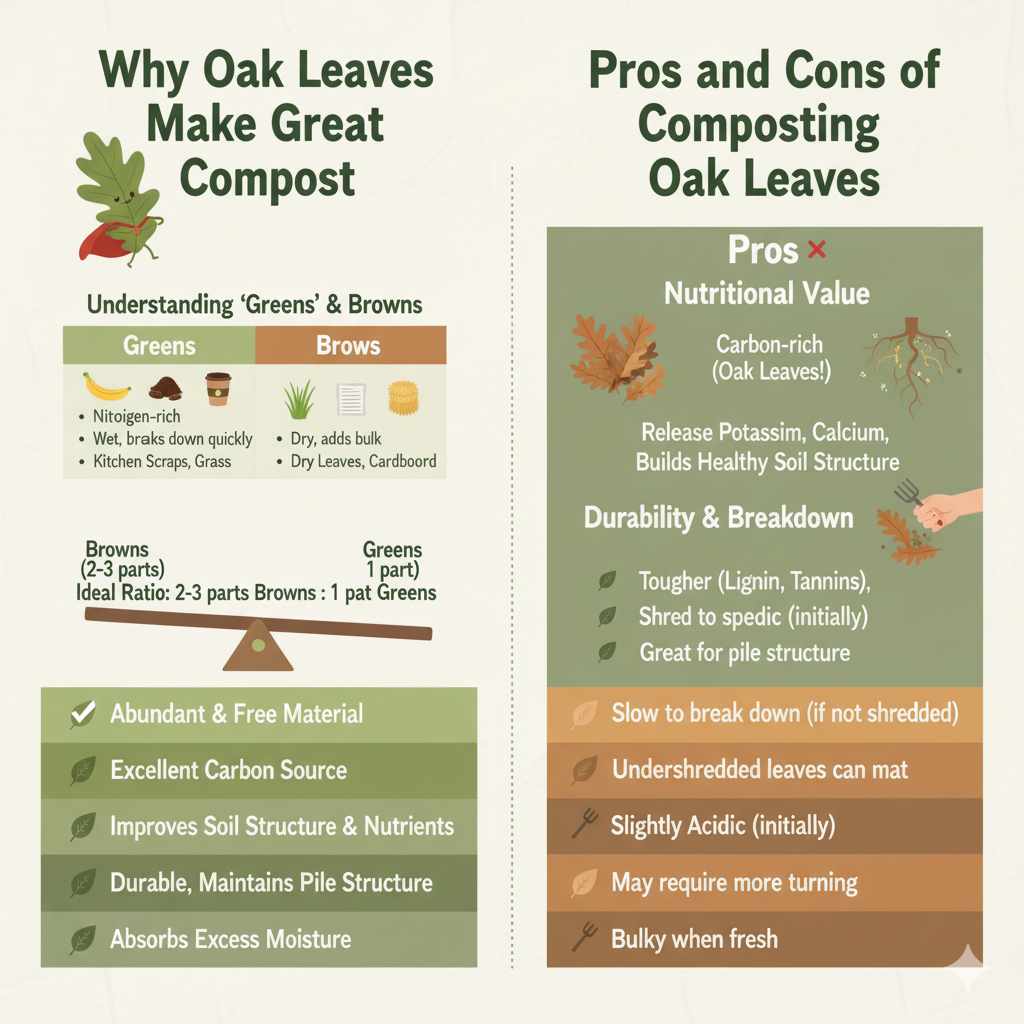
Understanding “Greens” and “Browns” in Composting
In the composting world, we talk about two main types of materials: “greens” and “browns.”
Greens: These are nitrogen-rich materials. They tend to be wet and break down quickly. Examples include kitchen scraps (fruit and vegetable peels, coffee grounds, tea bags), grass clippings, and fresh plant cuttings. Greens provide the nitrogen that microorganisms need to thrive and multiply.
Browns: These are carbon-rich materials. They are typically dry and add bulk to the compost pile, helping with aeration. Oak leaves are a prime example of a brown. Other browns include dry leaves, straw, shredded newspaper, and cardboard. Browns provide the energy source for the microorganisms and help prevent the pile from becoming a soggy, smelly mess.
The ideal compost pile has a good balance of both greens and browns. A common guideline is to aim for roughly a 2:1 to 3:1 ratio of browns to greens by volume. Too many greens can lead to a slimy, smelly pile, while too many browns can slow down the decomposition process. Oak leaves, being ample browns, are perfect for achieving this balance.
The Nutritional Value of Oak Leaves for Soil
When oak leaves decompose, they release valuable nutrients into your soil. They are rich in carbon, as we’ve discussed, which is essential for building healthy soil structure. As they break down, they also release minerals like potassium and calcium. These nutrients are then available to your plants, helping them grow strong and healthy. Think of it as giving your garden a nutrient-rich multivitamin!
Durability and Breakdown of Oak Leaves
One of the main concerns people have about oak leaves is that they might take too long to break down. Oak leaves are certainly tougher than, say, lettuce scraps. They contain lignin and tannins, which are natural compounds that make them more durable. However, this durability is actually a good thing for compost structure.
While they might not disappear overnight, they are far from resistant to composting. With the right approach, they break down effectively. Shredding them first can significantly speed up the process, making them more manageable for your compost bin. The key is to create a good mix and provide the right conditions for decomposition.
How to Compost Oak Leaves Effectively
Composting oak leaves isn’t complicated, but there are a few tips to ensure they break down nicely and don’t create any issues.
Step 1: Collect Your Oak Leaves
This is the easy part! During the fall, oak trees shed their leaves in abundance. Gather them from your lawn, garden beds, or even pathways. You can use a rake and a tarp or a leaf blower to collect them efficiently.
Step 2: Prepare the Oak Leaves for Composting
This is a crucial step to speed up decomposition.
Shredding: The most effective way to prepare oak leaves is to shred them. You can do this with a leaf shredder, a lawn mower with a mulching setting (run the mower over the piles of leaves), or even by hand with a sturdy rake, though this is more labor-intensive. Shredded leaves have a larger surface area, allowing microorganisms to access them more easily and break them down faster. Undershredded leaves can mat together and create air pockets, slowing down the process.
Moisture: While oak leaves are typically dry, it’s good to ensure they have some moisture. You can dampen them slightly as you add them to the compost pile, especially if the rest of your pile is also quite dry. They should feel like a wrung-out sponge – moist but not dripping.
Step 3: Add Oak Leaves to Your Compost Pile in Layers
When adding oak leaves to your compost bin, it’s best to layer them with your “green” materials.
Alternating Layers: Create alternating layers of browns (your shredded oak leaves) and greens (kitchen scraps, grass clippings). A good rule of thumb is to add a layer of browns for every layer of greens you add.
Mixing: It’s also beneficial to mix the layers a bit as you go, or at least ensure good contact between the different materials. This helps with aeration and allows beneficial microbes to spread.
Step 4: Maintain Your Compost Pile
Once your oak leaves are in the pile, regular compost maintenance will ensure they break down efficiently.
Aeration: Turn your compost pile regularly using a pitchfork or a compost aerator. This introduces oxygen, which is essential for the aerobic bacteria that do the heavy lifting of decomposition. Aim to turn it every 1-2 weeks.
Moisture: Check the moisture level of your compost pile regularly. It should stay consistently moist, like a damp sponge. If it’s too dry, add water. If it’s too wet, add more brown materials like shredded oak leaves or shredded cardboard.
Temperature: A healthy compost pile will heat up as the microorganisms work. This “hot composting” can kill weed seeds and pathogens. While not strictly necessary for home composting, a warm pile breaks things down much faster. Turning helps maintain this heat.
Step 5: Monitor and Harvest Your Compost
As the leaves and other materials decompose, your compost pile will shrink and darken. Finished compost will be dark, crumbly, and smell earthy. You’ll notice that the original oak leaves will no longer be recognizable. You can then use this nutrient-rich compost to amend your garden beds, lawns, or potting soil. For a more detailed guide on composting, the U.S. Environmental Protection Agency (EPA) offers comprehensive resources.
Tips for Composting Tougher Materials Like Oak Leaves
Oak leaves can be a bit stubborn. Here are extra tips to make sure they don’t bog down your composting efforts.
The Importance of Shredding
We’ve mentioned it, but it bears repeating: shredding is king!
Why it Works: Shredded leaves have a much larger surface area. Imagine trying to digest a whole apple versus apple sauce. The compost microbes can get to work much faster on the smaller pieces.
How to Shred:
Leaf Shredder: Dedicated machines are best.
Lawn Mower: Bag your leaves and then run your lawnmower over the collected piles several times.
Mulching Mower: If your mower has a mulching function, simply mow over the leaves on your lawn. The finely mulched leaves can often be raked up for composting or even left on the lawn if not too thick.
Balancing the Carbon-to-Nitrogen Ratio
Oak leaves are heavy on the “brown” side (carbon). Too many browns without enough “greens” (nitrogen) will significantly slow down decomposition.
The “Green” Boost: Always pair your oak leaves with plenty of nitrogen-rich materials. Your kitchen scraps are perfect for this. Grass clippings are also “greens” and a great addition.
Signs of Imbalance: If your pile isn’t heating up or seems sluggish, you likely need more greens. If it smells like ammonia, you might have too many greens and not enough browns to absorb the excess nitrogen.
Preventing Matting and Air Pockets
Undershredded oak leaves can clump together, forming dense mats that block air and moisture.
Introduce Air: Regularly turning your pile is the best defense. This breaks up any potential mats and ensures oxygen can reach all parts of the pile.
Mix Thoroughly: When adding your leaves, try to really mix them in with the other materials rather than just dumping them in one large layer.
Composting Oak Leaves in Different Climates
The speed at which your oak leaves compost can be affected by your climate.
Cold Climates: Decomposition will slow down significantly in winter. If you live in a very cold region, you might want to store your shredded leaves and add them to your compost pile in spring or summer when temperatures are warmer, or you can manage a “cold compost” pile that breaks down slowly over a longer period.
Warm Climates: Decomposition happens much faster. You may need to monitor moisture levels more closely to prevent the pile from drying out too quickly.
Potential Challenges and How to Overcome Them
Even though oak leaves are great, a few common issues can arise if you’re not careful.
The “Mundang” Problem: When Leaves Don’t Break Down
Sometimes, oak leaves can resist decomposition and seem to just sit there, leading to a “mat” of undigested leaves.
Cause: This is usually due to:
Lack of Shredding: Large leaves don’t break down easily.
Poor Aeration: Air pockets prevent microbes from working.
Lack of Moisture: Dry leaves won’t decompose.
Lack of Nitrogen: The microbes don’t have enough “food.”
Solutions:
Shred, Shred, Shred: This is the number one solution.
Turn Regularly: Expose them to air and mix them with other materials.
Add Water: Ensure the pile is consistently moist.
Add Greens: Mix in more kitchen scraps, grass clippings, or even a scoop of finished compost or aged manure to introduce more nitrogen and microbes.
Acidity Concerns (Myth Busted!)
A common concern is that oak leaves make compost too acidic. While oak leaves do contain tannins, which can be acidic, in the context of a compost pile, this effect is usually minimal and short-lived.
The Reality: The natural decomposition process, with plenty of aeration and the addition of diverse materials (especially kitchen scraps which can be alkaline), effectively neutralizes any initial acidity. The microbes at work in the compost pile create a complex environment where pH is managed.
Expert Opinion: Reputable gardening sources often state that leaves, including oak, do not significantly lower compost pH to a problematic degree when managed properly. For instance, the University of Maryland Extension also highlights that leaf mold (composted leaves) is beneficial.
What to Watch For: If you’re adding an overwhelming amount of only oak leaves and nothing else, and your pile is very wet and not being turned, you might see a slight drop in pH initially. However, once you start adding other materials and turning, this becomes a non-issue.
Slow Decomposition Times
If your oak leaves seem to be taking an eternity to disappear, don’t despair.
Factors Affecting Speed:
Size of Material: Larger pieces take longer.
Temperature: Colder weather slows things down.
Moisture Levels: Too dry or too wet can hinder decomposition.
Aeration: Lack of oxygen slows microbial activity.
Nitrogen Content: Insufficient nitrogen starves the microbes.
Our Speed-Up Strategy:
Shred your leaves.
Keep the pile moist.
Turn it at least once every two weeks.
Ensure a good mix of greens and browns.
* If using a bin, consider one that allows good airflow.
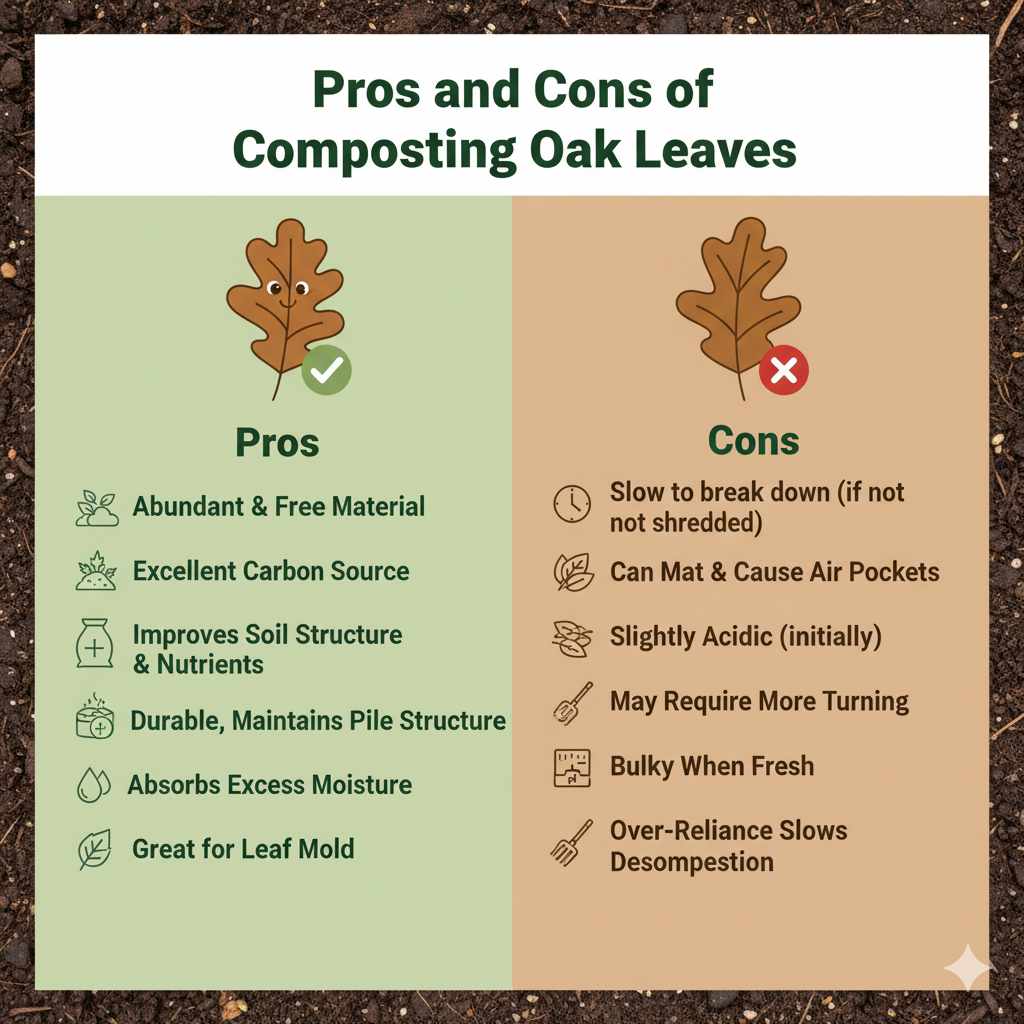
Pros and Cons of Composting Oak Leaves
Like any composting ingredient, oak leaves have their advantages and disadvantages. Understanding these will help you use them most effectively.
| Pros | Cons |
|---|---|
| Abundant and free material, especially in autumn. | Can be slow to break down if not shredded. |
| Excellent source of carbon (“browns”) for balanced composting. | Undershredded leaves can mat and cause air pockets. |
| Improves soil structure and adds valuable nutrients when composted. | Can potentially be slightly acidic initially, but usually neutralized. |
| Durable to composting, meaning they don’t disappear too quickly and help maintain pile structure. | May require more frequent turning to ensure aeration and breakdown. |
| Helps absorb excess moisture from “green” materials. | Can be bulky when fresh, requiring space for collection and shredding. |
| Great for “leaf mold,” a special compost made from just leaves, which is excellent for soil conditioning. | Over-reliance on only leaves without greens can lead to very slow decomposition. |
Frequently Asked Questions About Composting Oak Leaves
Here are some common questions beginners have about using oak leaves in their compost.
Q1: Do I really need to shred oak leaves?
A1: Yes, shredding is highly recommended! It dramatically speeds up the breakdown process by increasing the surface area for microbes to work on. Mowing over them or using a leaf shredder makes a huge difference.
Q2: How much of my compost should be oak leaves?
A2: Aim for oak leaves to make up a significant portion of your “brown” materials, typically between 30-50% of the total volume, balanced with “green” materials and other browns. Too many unchecked leaves can slow down the pile.
Q3: Will oak leaves kill my compost microbes?
A3: No, in fact, they feed them! Oak leaves are a carbon source, providing energy for the microorganisms. They don’t typically harm them unless the pile is severely out of balance (e.g., incredibly dry and un-aerated).
Q4: How long does it take for oak leaves to compost?
A4: With proper shredding, mixing, turning, and moisture, oak leaves can break down within 3-12 months, depending on your composting method and climate. Unshredded leaves in a cold, slow pile can take much longer.
Q5: Can I just pile up oak leaves and ignore them?
A5: You can create “leaf mold” by piling up only leaves, which is a slower process (takes 1-2 years) and creates a fantastic soil conditioner, but it’s different from a balanced compost pile. For active composting, they should be mixed with greens and managed.
Q6: Are there any specific types of oak leaves that are bad for compost?
A6: All oak leaves are generally good for composting. Some sources suggest that evergreen oaks might have slightly tougher leaves, but this is usually a minor difference. The key is preparation and proper pile management, not the specific type of oak.
Q7: What should I NOT compost with oak leaves?
A7: Avoid composting diseased plant material (unless you have a very hot compost system), weed seeds from invasive or persistent weeds, or pet waste from carnivorous animals. Always stick to plant-based kitchen scraps and yard waste.
The Takeaway: Oak Leaves Are a Composing Champion!
So, to wrap things up, are oak leaves good for compost? Absolutely! They are a powerhouse brown material that, when prepared and used correctly, will greatly enhance your compost. Don’t shy away from those autumnal piles; see them as a valuable resource for your garden’s future.
By shredding your oak leaves, layering them with your green materials, and giving your compost pile a bit of air and moisture, you’re well on your way to creating rich, beneficial compost. You’ll be amazed at how transforming these humble leaves can be for your soil, promoting healthier plants and a more vibrant garden. Happy composting!