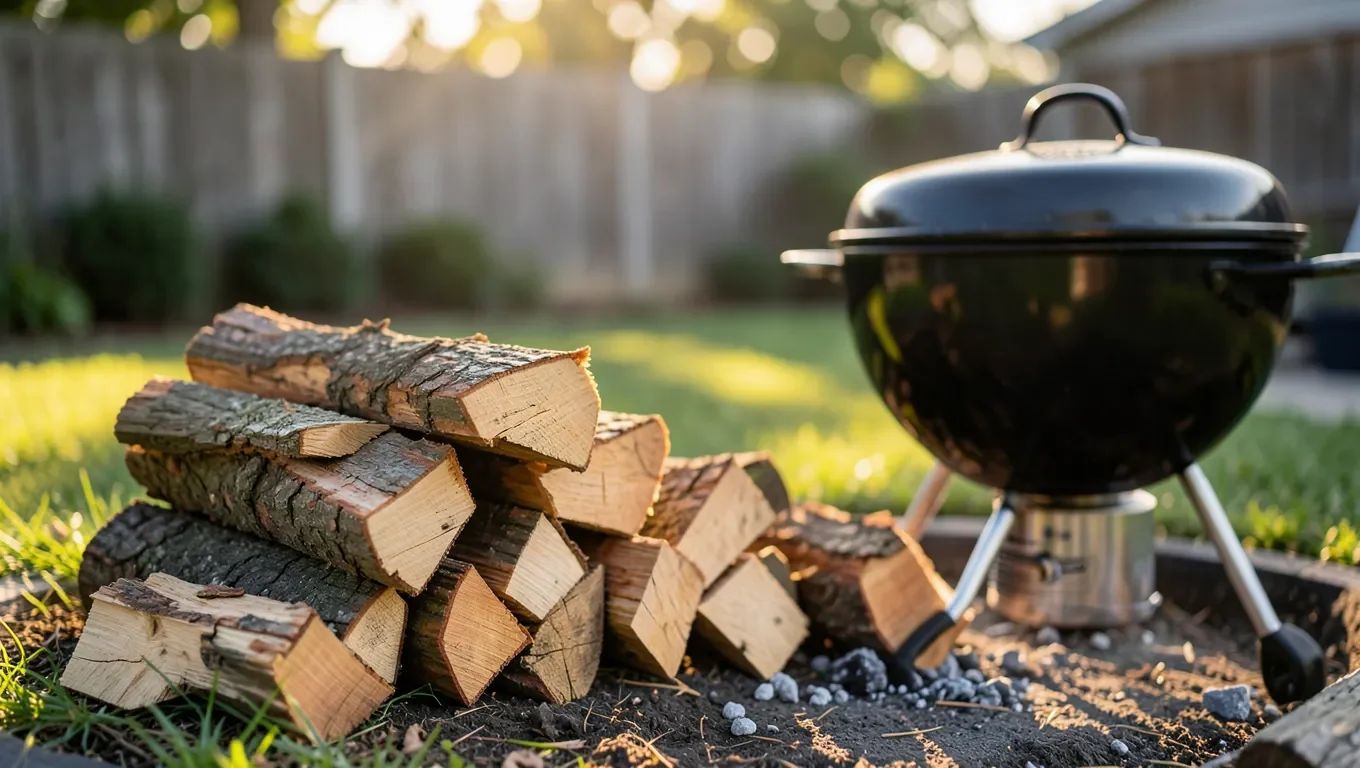
Can You Cook With Oak Wood? The Food-Safety Rules Nobody Explains
Oak sits in the firewood pile of almost every backyard cook, but the question still comes up constantly: is it actually safe to put food anywhere near it? The short answer is yes — oak is one of the most trusted hardwoods for grilling and smoking, for reasons that come down to basic wood chemistry rather than tradition. The longer answer depends on which wood you’re comparing it to, how well it was seasoned, and what you’re actually using it for. This guide covers the food-safety mechanics behind cooking with oak, the specific woods you should never substitute for it, and where oak fits whether you’re grilling, smoking, or cooking over an open fire.
Yes, Oak Is Food-Safe to Cook With — Here’s Why
The safety question really comes down to resin and sap content. Oak is a hardwood, and hardwoods have far less resin than softwoods like pine or cedar. When you burn a resin-heavy softwood near food, that resin vaporizes and settles as a sticky, sooty residue on whatever you’re cooking, and it can carry compounds you don’t want to eat. Oak doesn’t have that problem. Once it’s properly seasoned (dried to a low enough moisture content), it burns clean, produces a steady heat, and gives off a smoke flavor without the bitter creosote taste that comes from wet or resinous wood.
This is also why oak shows up constantly in commercial smokehouses and barbecue competitions alongside hickory, cherry, and maple — it’s not a novelty choice, it’s a working-kitchen staple.
Best All-Purpose Oak Cooking Wood
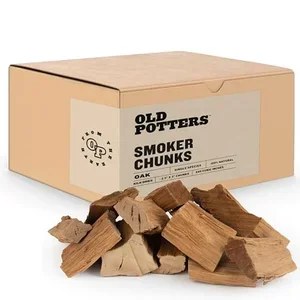 |
Old Potters Smoker Chunks, Oak (12-14 lbs) – $29.99 USDA kiln-dried oak chunks sized for grilling, smoking, or wood-fire cooking – already seasoned to a safe moisture level, so you skip the guesswork this article covers.
|
The Woods You Should Never Cook Over (Oak Isn’t One of Them)
If you’re worried about oak, the actual risk list looks like this instead:
- Softwoods — pine, fir, spruce, cedar: high resin and sap content means sticky, bitter residue on food and heavy sooty smoke. Cedar is fine as a decorative plank in some recipes, but not as a direct fuel or smoking wood.
- Known toxic species — oleander, sassafras, black walnut, yew, mangrove: these contain compounds that are genuinely harmful when burned near or added to food. Sassafras oil (safrole) was actually banned as a food additive by the FDA decades ago.
- Treated, painted, or stained lumber: chemical preservatives and finishes release toxic fumes when burned. This includes pressure-treated deck boards, painted fence pickets, and most shipping pallets unless they’re stamped “HT” (heat-treated) rather than “MB” (chemically fumigated).
- Oak from a questionable source: reclaimed oak furniture with old finish, roadside scrap, or fence posts can carry the same paint/preservative risk — the species being safe doesn’t matter if the specific piece was treated.
The Different Ways People Actually Cook With Oak
“Cooking with oak” covers more ground than one method, and it’s worth knowing where oak is a strong fit and where another wood usually wins:
Grilling fuel
Oak logs or lump charcoal made from oak burn hot and hold heat well, which makes them a solid direct-grilling fuel. For the full breakdown on wood selection, seasoning, and grill safety, see our guide on grilling with oak wood.
Smoking chips and chunks
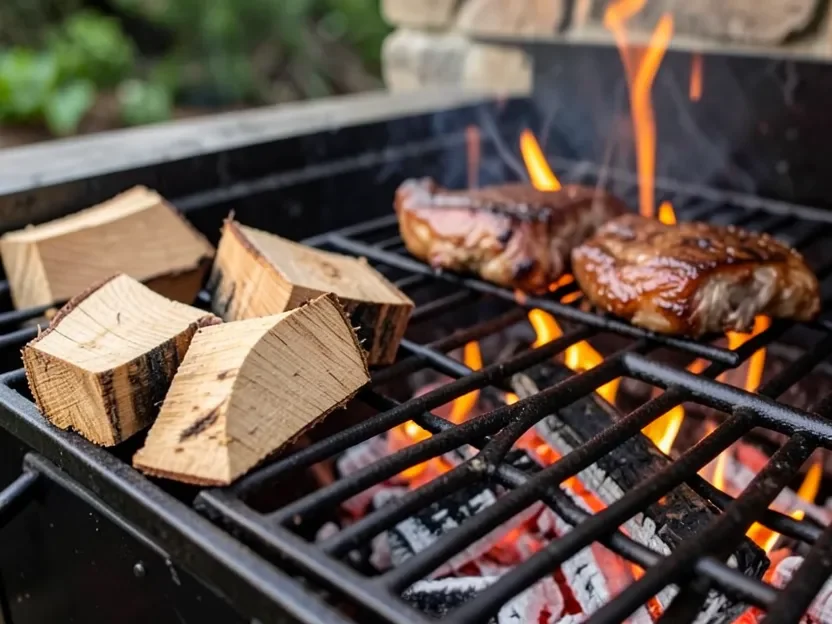
Chips, chunks, or small splits of oak are a standard smoker wood for low-and-slow cooks. If you’re specifically smoking meat, our dedicated step-by-step guide to smoking with oak covers seasoning time, smoke color, and pairing oak with different cuts in more depth than this general overview does.
Plank cooking
This is one place oak isn’t the default choice. Cedar and alder are more traditional for plank cooking because their looser grain releases moisture and aroma more readily. Oak’s tight, dense grain works, but it’s slower to season on the plank and gives a subtler effect — not unsafe, just not the wood most plank recipes are written around.
Open-fire and fire-pit cooking
Whole meals cooked in a dutch oven or cast iron skillet over an oak fire are common in fire-pit and camp cooking, since oak’s steady, long-lasting coals hold consistent heat better than fast-burning softwoods.
White Oak vs. Red Oak: Which One to Put on the Fire
Both burn and smoke essentially the same way, but they’re not interchangeable everywhere:
- White oak has a closed pore structure (its pores are naturally plugged with a substance called tyloses), which is exactly why white oak — not red oak — is the species used for whiskey barrels and wine casks. That same closed grain makes it the safer pick for anything touching food directly, like cutting boards.
- Red oak has an open, porous grain structure. It burns and smokes just fine, but that open grain is a liability on a food-contact surface because it can trap moisture and bacteria — heat from burning sterilizes it, direct food contact at room temperature doesn’t.
For fuel, either species works. For anything the food touches directly without heat involved, white oak is the better call.
Seasoning Oak the Right Way Before It Touches Food
Freshly cut (“green”) oak can hold 60–100% moisture content by weight. Cooking over it produces thick white smoke and a bitter, sooty flavor, and it’s genuinely harder to light and control. Properly seasoned oak:
- Has been split and air-dried for roughly 6 to 12 months, longer than faster-seasoning woods since oak is dense
- Reads at or below about 20% moisture on a cheap firewood moisture meter
- Sounds hollow and cracked when two pieces are knocked together, rather than a dull thud
- Has been stored off the ground and covered on top with the sides open for airflow
Bark left on split logs is fine; strip off any visible mold before it goes near a fire you’re cooking over. And as covered above, only use oak with a known, untreated history — skip reclaimed lumber, pallets, or scrap of unknown origin even if you’re sure the species is oak.
The Short Version
Oak is not one of the woods you need to worry about. It’s a low-resin hardwood with no toxic compounds, it’s what a lot of commercial smokehouses actually use, and the real risk list — resinous softwoods, a handful of genuinely toxic species, and anything treated or painted — doesn’t include it under any normal circumstance. The two things worth actually paying attention to are seasoning (give it 6 to 12 months and check the moisture before you burn it near food) and sourcing (know where the wood came from, since the species being safe doesn’t help if the specific piece was treated or painted). Get those two things right and oak is one of the safer, more forgiving woods you can put near a meal.
Frequently Asked Questions
Is oak wood toxic to cook with?
No. Oak is a hardwood with very low resin and sap content, and it does not contain any known toxic compounds. It is one of the most commonly used woods for grilling and smoking in the United States. The woods to actually worry about are softwoods like pine and cedar, and specific toxic species like oleander or sassafras.
Can you use oak wood chips for smoking?
Yes. Oak chips and chunks are a standard choice for smoking because oak burns hot and steady and produces a medium-strength smoke that pairs well with beef, pork, and poultry. For a full step-by-step smoking method, see our dedicated guide on smoking with oak.
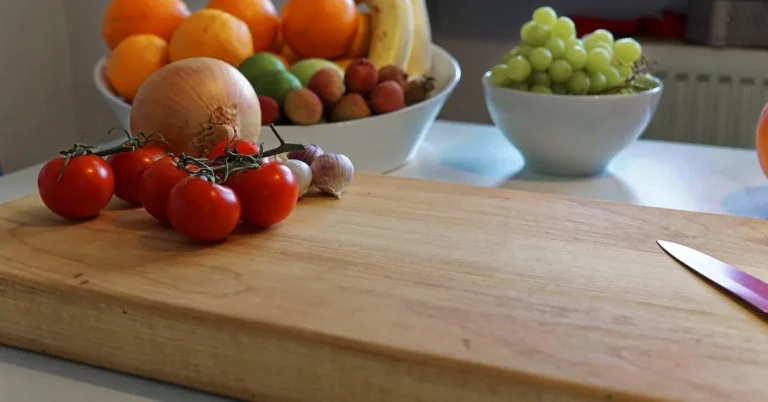
Is oak good for a cutting board?
White oak works reasonably well because its closed pore structure resists moisture and bacteria. Red oak is a poor choice for cutting boards because its open, porous grain can trap bacteria and moisture, even though it burns and smokes exactly like white oak.
Does cooking with oak give food a bitter taste?
Only if the wood is unseasoned or the smoke is thick and white instead of thin and blue. Green, wet oak produces heavier creosote-laden smoke that can taste bitter or acrid. Oak that has been seasoned for 6 to 12 months and burned with good airflow gives a clean, mild-to-medium smoke flavor instead.
Can you burn oak indoors in a fireplace to cook food?
Only if the fireplace or wood stove is rated and vented for that use, and the oak is seasoned, untreated firewood. Cooking directly over an indoor fireplace flame is not something most home fireplaces are designed for safely; a wood-fired oven, insert, or outdoor setup is the safer route.
What is the actual difference between cooking with oak and cooking with pine?
Oak is a hardwood with minimal sap and no toxic resin, so it burns clean and is standard practice for grilling and smoking. Pine is a softwood loaded with resin and sap; burning it near food coats the meat in sticky, bitter residue and produces heavy sooty smoke, which is why pine and other softwoods are avoided for direct-food cooking.
Sponsored / affiliate links. As an Amazon Associate I earn from qualifying purchases. I may earn additional commission from eligible campaigns.