Are Termites Visible: Uncovering the Hidden Menace in Your Home
Yes, termites can be visible, but it depends on the situation. Most termites stay hidden, but some signs can reveal their presence.
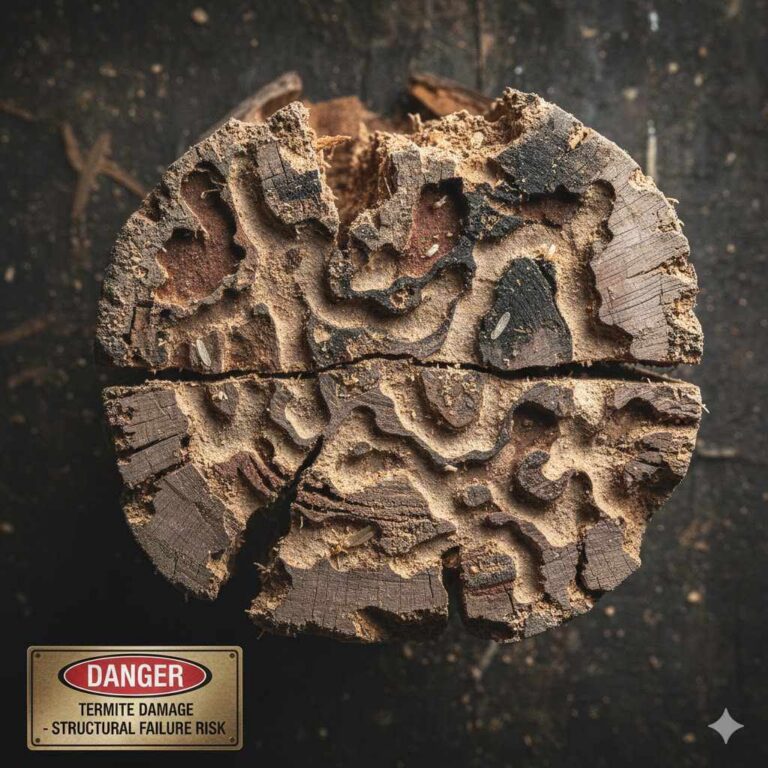
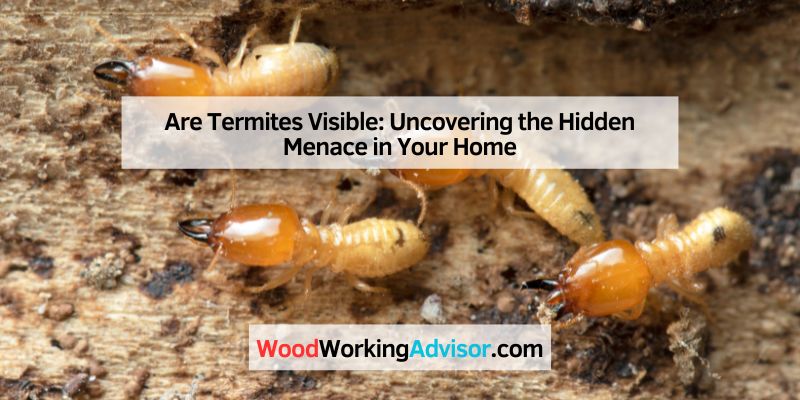
Termites are small insects that can cause big problems for homeowners. They often live in hidden places, making it hard to spot them. You might not see termites themselves, but there are signs they leave behind. For example, you may notice small piles of sawdust, mud tubes on walls, or damaged wood.
Understanding these signs can help you know if termites are in your home. In this blog post, we will explore how to identify termites and their signs, helping you protect your home from these damaging pests. Stay tuned to learn more about these sneaky insects and keep your property safe.

Credit: www.terminix.com
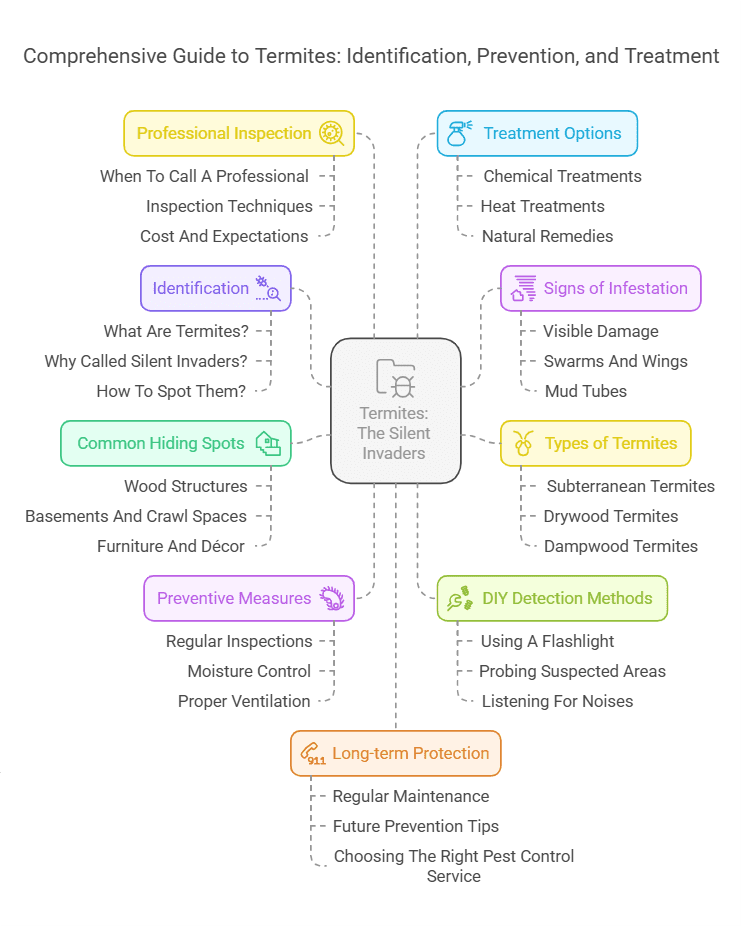
Termites: The Silent Invaders
Termites are often hidden from view, making detection difficult. These pests usually stay inside wood or underground, quietly causing damage. Spotting them early can save a lot of trouble.
Hey friends, today we are diving into the world of termites. These tiny creatures can cause big problems. And you may not even notice them until it’s too late. Let’s explore why termites are often called the “silent invaders.”
What Are Termites?
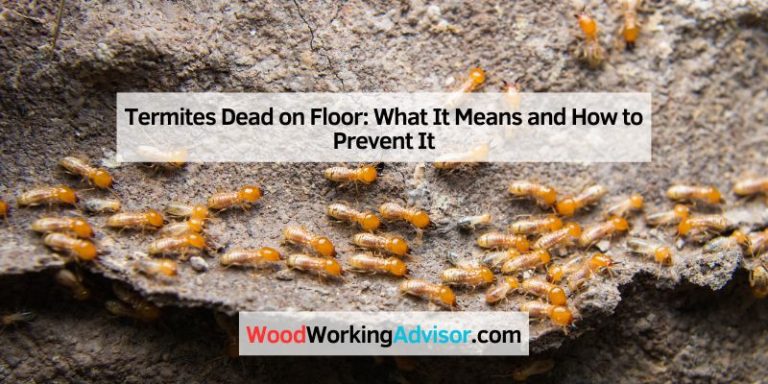
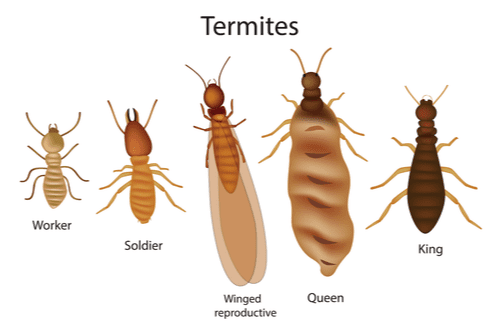
Termites are small insects that feed on wood. They live in colonies and can be found in many parts of the world. There are several types of termites, but they all share one thing in common: a love for wood.
| Type of Termite | Habitat |
|---|---|
| Subterranean Termites | Live underground and build mud tubes to reach food sources |
| Drywood Termites | Live inside the wood they consume, without needing contact with soil |
| Dampwood Termites | Prefer damp, decaying wood |
Why Are They Called Silent Invaders?
Termites are often called “silent invaders” because they can cause significant damage without being noticed. Imagine this: you are sitting in your living room, enjoying a book, completely unaware that termites are munching away at your walls. Scary, right?
Here’s why they are so sneaky:
- Quiet Eaters: Termites eat wood from the inside out. This means the exterior of the wood looks fine until it’s too late.
- Hidden Colonies: They live in large colonies, often hidden underground or inside the wood.
- No Immediate Signs: There are often no visible signs until significant damage is done.
I once had a friend who found out about termites in his home when he tried to hang a picture. The nail went straight through the wall! That’s how silent these invaders can be.
How To Spot Them?
The good news? There are ways to spot these sneaky pests before they cause too much damage. Keep an eye out for:
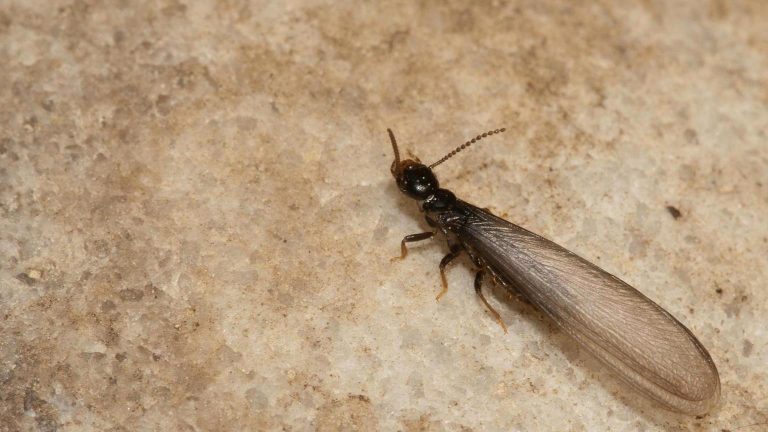
- Discarded Wings: Termites shed their wings when they find a place to start a new colony.
- Wood Damage: Look for hollow-sounding wood or wood that easily crumbles.
- Mud Tubes: Subterranean termites build mud tubes to travel between their colony and food source.
Spotting these signs early can save you a lot of trouble and money. So, be vigilant!
And there you have it. Termites might be small, but they can cause big problems. Stay alert and protect your home from these silent invaders.
Got any termite tales? Share them in the comments below!
Credit: smarterpestcontrol.com
Signs Of Termite Infestation
Termite infestations can cause significant damage to your property. Early detection is crucial to prevent extensive repairs. Knowing the signs of termite activity helps in taking prompt action. Here are some common signs of termite infestation.
Visible Damage
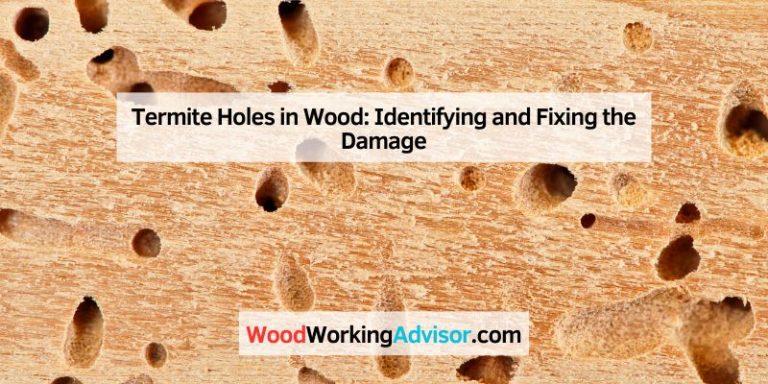
Termites often leave visible damage on wood structures. Look for small holes or hollow sounds when you tap wooden surfaces. Paint that appears bubbled or cracked could also be a sign. Check for sagging floors and ceilings too.
Swarms And Wings
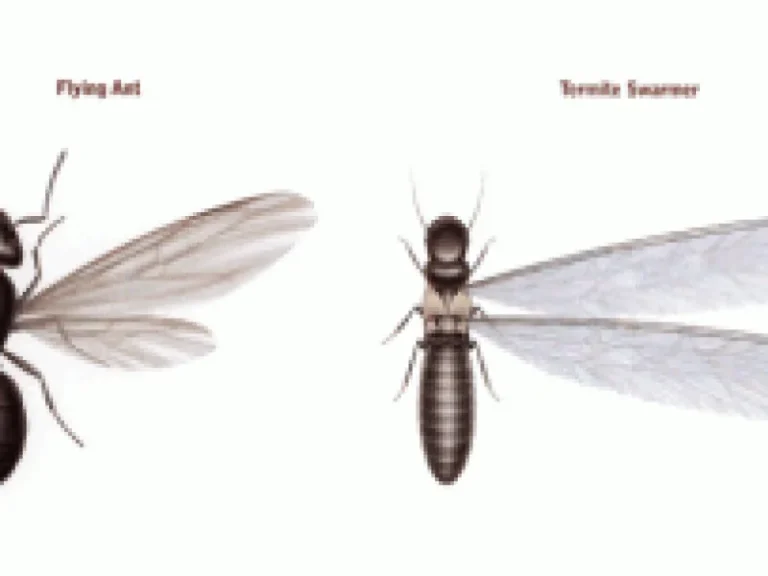
Winged termites, known as swarmers, are a clear sign of an infestation. These insects often shed their wings. You may find discarded wings near windowsills or doorways. Swarms usually occur in the spring.
Mud Tubes
Termites build mud tubes to protect themselves while they travel. These tubes are often found along the foundation of your home. They look like small tunnels made of dirt and are a major sign of termite activity. Break a section and check for live termites inside.
Types Of Termites
Hey friends, today we’re diving into the world of termites. You might be wondering, “Are termites visible?” Well, that depends on the type of termite you’re dealing with. Termites come in different types and each has its own characteristics. Let’s explore the three main types of termites: subterranean, drywood, and dampwood. Understanding these types can help you spot them more easily and protect your home effectively.
Subterranean Termites
Subterranean termites are the most common type. They live in the soil and build mud tubes to travel from their nest to their food source. These mud tubes are a clear sign of their presence. They need moisture to survive, which is why they stay underground or in moist, hidden places.
- Size: Small, about 1/4 to 1/2 inch long.
- Color: Creamy white to dark brown.
- Habitat: Soil, under foundations, and inside wooden structures.
One time, I found these mud tubes in my basement. At first, I thought it was just dirt, but a closer look revealed the tiny invaders. So, always keep an eye out!
Drywood Termites
Drywood termites, as the name suggests, live in dry wood. They do not need contact with the soil. They can infest furniture, floors, and even walls. Unlike subterranean termites, they do not build mud tubes.
- Size: Larger than subterranean, about 3/8 to 1 inch long.
- Color: Light brown to dark brown.
- Habitat: Dry wood, such as furniture and wooden structures.
Imagine opening an old wooden drawer and finding tiny piles of wood pellets. That’s a sign of drywood termites. It happened to me once, and it was quite a surprise!
Dampwood Termites
Dampwood termites prefer wood that is wet or has high moisture content. They are not as common as subterranean or drywood termites but can still cause significant damage. They usually infest damp and decaying wood, such as tree stumps or water-damaged structures.
- Size: Quite large, about 1/2 to 5/8 inch long.
- Color: Light to dark brown.
- Habitat: Damp, decaying wood.
Once, after a heavy rain, I noticed some dampwood termites in a rotting log in my backyard. They were easy to spot because the log was falling apart and the termites were quite large.
So, the good news? Knowing these types can help you identify termites more easily. Pay attention to the signs and check for these critters regularly. It’s better to catch them early before they cause too much damage.
Common Hiding Spots
Have you ever wondered where termites might be hiding in your home? These tiny creatures are experts at staying hidden. They often cause significant damage before you even realize they’re there. Let’s take a closer look at some of the most common hiding spots for termites.
Wood Structures
Termites love wood. It’s their favorite food. They often hide in wood structures like:
- Walls
- Floors
- Ceilings
- Attics
Imagine you’re relaxing in your living room, enjoying a book. You notice a small pile of sawdust near the baseboard. That could be a sign of termites. These pests can chew through wood 24/7, causing serious damage over time.
Basements And Crawl Spaces
Basements and crawl spaces are another favorite spot for termites. Why? Because these areas are often dark, damp, and undisturbed. Perfect for termites.
Here are some places to check:
- Foundation walls
- Floor joists
- Support beams
Picture this: You go down to your basement to grab some holiday decorations. You see mud tubes running along the foundation walls. These tubes are like highways for termites, allowing them to travel and stay hidden.
Furniture And Décor
Termites don’t just stick to structural wood. They can also be found in your furniture and décor. Yes, that beautiful antique chair could be hiding termites.
Common items they infest include:
- Wooden furniture
- Bookshelves
- Picture frames
- Wooden decorations
Imagine you’re tidying up your living room. You move a picture frame and notice small, hollowed-out sections on the back. That’s a sign that termites have been feasting on it.
So, what’s the takeaway? Always keep an eye on these common hiding spots. Regularly checking these areas can help you catch a termite problem before it gets out of hand. Stay vigilant and protect your home from these sneaky invaders.
Preventive Measures
Termites can cause significant damage to your home. Preventive measures are crucial to keep them at bay. Implementing effective strategies can save you money and stress. Let’s explore some key preventive measures to protect your property.
Regular Inspections
Regular inspections are essential. Schedule inspections at least once a year. A professional can identify early signs of termites. Early detection helps in taking quick action. It can prevent severe damage to your home.
Moisture Control
Termites are attracted to moisture. Fix any leaks in your home. Ensure gutters and downspouts are clear. Keep the foundation dry by using proper drainage. Reducing moisture reduces the risk of termite infestation.
Proper Ventilation
Proper ventilation is vital. Ensure good airflow in your attic and basement. Use vents to reduce humidity levels. Proper ventilation helps in keeping termites away. It creates an environment that is less appealing to termites.
DIY Detection Methods
Hey there! Wondering if you can spot termites around your home? Well, you’re in luck because you can actually look for them yourself! Let’s talk about some simple DIY Detection Methods to help you find these pesky critters. These tips are easy and can save you a lot of trouble. So, grab a flashlight and let’s get started!
Using A Flashlight
A flashlight can be your best friend when looking for termites. They hide in dark, damp places. So, turn off the lights in the room and use your flashlight to inspect.
- Check around windows and doors.
- Look behind furniture.
- Inspect the basement and attic.
Shine the light on wooden surfaces. Do you see tiny holes? Or maybe some wood dust? That’s a sign!
Probing Suspected Areas
Have a few spots that look suspicious? Time to get hands-on! Use a screwdriver or a similar tool to probe the wood.
- Press the tip into the wood.
- See if it feels soft or hollow.
If the wood is weak, termites may have been munching on it. I once found a hollow spot in my kitchen door frame. It was a clear sign that termites were there.
Listening For Noises
Believe it or not, termites make sounds. It’s true! When they chew on wood, you can sometimes hear them.
- Find a quiet room.
- Put your ear close to the wall.
- Listen carefully. Do you hear clicking or tapping sounds?
If you do, that could be termites. It’s like eavesdropping on tiny, noisy neighbors!
So there you have it! With these simple tips, you can detect termites on your own. Give it a try and keep your home safe!
Professional Termite Inspection
Hey friends, today we are diving into the world of professional termite inspections. Termites can be sneaky. They hide and cause damage without you even knowing. But don’t worry! A professional termite inspection can help you find these pests before they do serious harm. Let’s break down when you should call a professional, how they inspect your home, and what you can expect in terms of cost.
When To Call A Professional
You might be wondering, “When is the right time to call a professional?” Well, there are a few signs that you should not ignore:
- Mud tubes: These are small tunnels that termites build to travel from their nest to their food source.
- Hollow wood: If you tap on your wood and it sounds hollow, it might be a sign of termite damage.
- Discarded wings: Termites shed their wings after they swarm. Finding these wings around your home is a red flag.
- Frass: This is termite droppings. It looks like small wood-colored pellets.
Seeing any of these signs? It’s time to call a professional. Better safe than sorry, right?
Inspection Techniques
So, what do professionals do during an inspection? They have a few techniques up their sleeves:
- Visual inspection: They will look for the signs of termites we talked about earlier.
- Moisture meters: Termites love moisture. Professionals use these devices to find areas with high moisture levels.
- Sounding: This involves tapping on wood to check for hollowness.
- Thermal imaging: Some inspectors use thermal cameras to spot termite activity. Cool, right?
With these techniques, professionals can find termites even if they are hiding. It’s like having a superpower!
Cost And Expectations
Now, let’s talk about the cost. You might be wondering, “How much will this cost me?” Well, it depends on a few factors:
- The size of your home
- The extent of the infestation
- The techniques used during the inspection
On average, a termite inspection can cost between $75 and $150. But remember, this is just an inspection. If termites are found, treatment will cost more.
What should you expect during the inspection? First, the professional will ask you about any signs you have noticed. Then, they will inspect your home, focusing on areas where termites might be hiding. Finally, they will provide you with a report detailing their findings and recommendations.
The good news? If you catch termites early, you can prevent major damage. And isn’t that worth the cost of an inspection?
So there you have it, friends. Now you know when to call a professional, what they do during an inspection, and what it might cost. Keep an eye out for those pesky termites and keep your home safe!
Treatment Options
Termites can be hard to spot. They often hide in walls or under floors. Treatment options include chemical barriers, bait systems, and professional pest control services.
Termites can cause severe damage if left untreated. Knowing the treatment options can save your home. Here are some effective methods to tackle termites.
Chemical Treatments
Chemical treatments are a common way to eliminate termites. These involve applying insecticides to affected areas. Professionals use special tools to inject chemicals into the soil. This creates a barrier that termites cannot cross. The chemicals kill termites on contact. This method is effective and long-lasting.
Heat Treatments
Heat treatments are another effective option. This method involves raising the temperature of the infested area. Termites cannot survive in high heat. Professionals use heaters to increase the temperature to around 120°F. This method is chemical-free and safe for the environment. It also kills termites in hard-to-reach places.
Natural Remedies
Natural remedies are gaining popularity for termite control. These include using orange oil or neem oil. Both oils are toxic to termites but safe for humans. Another method is using nematodes, which are tiny worms that eat termites. Boric acid is also effective. It disrupts the termite’s nervous system. Natural remedies are eco-friendly and safe for pets and children.
Long-term Protection
Hey friends, today let’s talk about how to keep your home safe from termites for a long time. Termites can cause serious damage, but with the right steps, you can protect your home. It’s not just about getting rid of them once. You need to think about long-term protection. So, let’s dive into some key areas that will help you keep your home termite-free.
Regular Maintenance
Regular maintenance is like brushing your teeth. You don’t do it just once and forget about it. You have to keep at it to maintain good health. The same goes for your home. Here are some simple steps you can take:
- Check for any signs of termites every few months.
- Look for small holes or wood dust around your home.
- Make sure there are no leaks in your plumbing. Termites love moisture.
- Keep your yard clean and free of wood debris.
By doing these simple checks, you can catch any problems early and deal with them before they get worse.
Future Prevention Tips
Prevention is always better than cure. So, let’s talk about some tips to keep termites away in the future. Think of these tips as your home’s armor:
- Use termite-resistant wood for any new constructions or repairs.
- Keep firewood and other wooden materials away from your home.
- Ensure good ventilation in your home to avoid moisture build-up.
- Seal any cracks or gaps in your home’s foundation and walls.
- Consider using a termite barrier around your home.
These tips can help make your home less attractive to termites and keep them at bay.
Choosing The Right Pest Control Service
Sometimes, you need a professional’s help. Choosing the right pest control service is crucial. Here are some things to consider:
| Criteria | Details |
|---|---|
| Experience | Look for a company with many years of experience in termite control. |
| Reputation | Check online reviews and ask for recommendations from friends or family. |
| Services Offered | Make sure they offer comprehensive termite control and prevention services. |
| Price | Get quotes from multiple companies and compare their prices and services. |
Choosing the right pest control service can make a big difference in keeping your home safe from termites.
Remember, long-term protection from termites isn’t a one-time job. It requires regular maintenance, future prevention, and sometimes professional help. But with these steps, you can keep your home safe and sound for years to come.

Credit: www.terminix.com
Frequently Asked Questions
Can You Visually See Termites?
Yes, you can visually see termites. They are small, pale insects, often found in wood or soil. Spotting them can indicate an infestation.
How Do You Tell If You Have Termites?
Look for mud tubes, discarded wings, and wood damage. Check for hollow-sounding wood, droppings, and small holes.
Are Termites Visible To The Human Eye?
Yes, termites are visible to the human eye. They are small, typically measuring about 1/4 to 1/2 inch long.
Can You See Termites Crawling Around?
Yes, you can see termites crawling around. They are small, light-colored insects, often found near wood sources.
Conclusion
Termites can be tricky to spot due to their small size. They often hide inside wood and walls, making them hard to see. Regular inspections help catch them early. Signs like hollow wood, mud tubes, and discarded wings can indicate their presence.
Protect your home by staying vigilant. If you suspect termites, contact a professional for a thorough check. Keeping an eye out for these pests can save you from costly damage. Stay informed and proactive to keep your home safe from termites.