Are There Maple Trees in California? Essential Guide
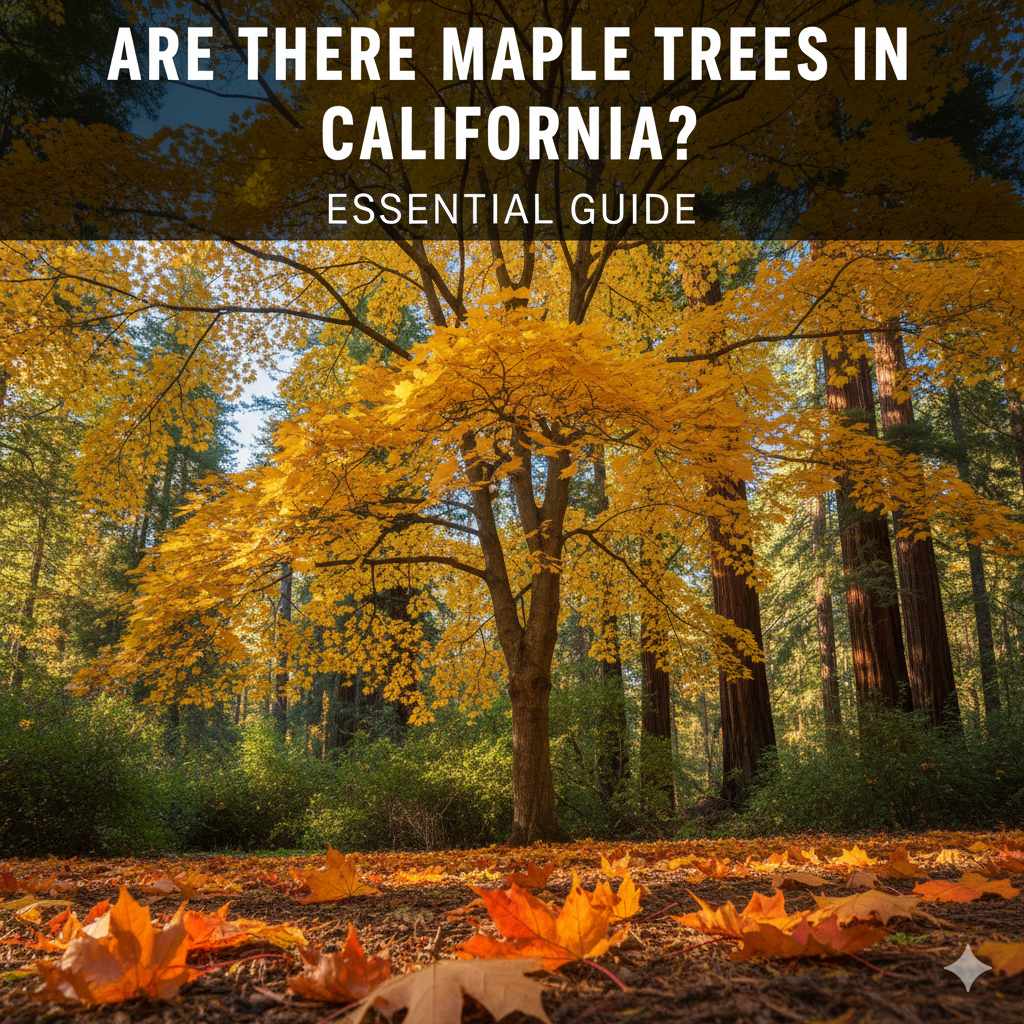
Yes, there are maple trees in California! While not as widespread as in some other parts of North America, several species of maple thrive in the Golden State’s diverse climates, from the coast to the mountains. This guide will help you identify them and discover their unique characteristics.
Hey woodworking friends! Ever wondered if you could find that beautiful maple wood, known for its strength and lovely grain, right here in California? It’s a question I get asked a lot, and it’s easy to think of maples only in cooler, eastern forests. But I’m here to tell you that California surprises us with its own native and naturalized maple populations. Finding them might take a little exploration, but the reward of discovering these local treasures is totally worth it. Let’s clear up the confusion and explore where you can find these fantastic trees across the Golden State.
Maple Trees in California: The Surprising Truth
When you think of maple trees, your mind might drift to vibrant fall foliage in New England or the source of sweet maple syrup. While these are classic associations, the story of maples in California is wonderfully diverse and often overlooked. California’s varied landscapes, from the cool, foggy coast to the higher mountain elevations and even some desert washes, provide habitats for several species of maple. Some are native, meaning they’ve called California home for millennia, while others have been introduced and have settled in nicely. For us woodworkers and DIYers, understanding which maples are present is key to appreciating their timber and local beauty.
Native Maple Species in California
California is home to a few truly native maple species, each with its own adaptations to the local environment. These trees are an integral part of the state’s natural heritage.
Bigleaf Maple (Acer macrophyllum)
This is California’s most common and iconic native maple. Its name comes from its impressively large leaves, which can grow up to 12 inches across! Bigleaf maples are typically found in coastal forests, oak woodlands, and along streams and canyons, especially in Northern California.
Appearance: Large, 5-lobed leaves. Bark is grayish-brown and furrowed. Produces clusters of fragrant, greenish-yellow flowers in spring, followed by large, hairy samaras (winged seeds).
Habitat: Primarily found in low to mid-elevation moist forests, from Northern California down to parts of Southern California, often associated with redwoods, Douglas fir, and oaks.
Wood Characteristics: The wood of the Bigleaf Maple is generally lighter in color, often creamy white to pale brown, with a pleasing straight grain. It can sometimes feature beautiful figuring like ‘fiddleback’ or ‘curly’ grain, though this is less common than in Eastern maples. It’s a hardwood, offering good strength and stability for woodworking projects. While not typically used for syrup production on a commercial scale, it is used for lumber, furniture, cabinetry, and decorative wood items. The figured wood is highly prized for musical instruments and artisanal crafts. This species is a fantastic resource for local woodworkers seeking unique, locally sourced timber.
Ecological Role: Provides food and shelter for various wildlife. Its shade is beneficial for understory plants, and its large leaves contribute significantly to soil organic matter.
California Maple (Acer cissifolium var. glabrum)
Often considered a variety of Rocky Mountain Maple, this adaptable tree is found in mountainous regions and can handle drier conditions than the Bigleaf Maple. It’s a smaller tree, often taking on a shrub-like form in harsher environments.
Appearance: Smaller, 3- to 5-lobed leaves, typically smooth-edged. Bark is smooth and gray when young, becoming fissured with age. Produces small, yellowish flowers.
Habitat: Found in mountainous areas, often on north-facing slopes or in canyons, in the Sierra Nevada and Klamath Mountains. It can tolerate drier, more exposed sites.
Wood Characteristics: The wood is generally harder and denser than Bigleaf Maple, with a fine grain. Its coloration is similar, typically creamy to light brown. While not as widely harvested for lumber as Bigleaf Maple due to its smaller size and more remote habitats, its wood is still suitable for smaller craft projects, tool handles, and decorative pieces when available. Its resilience makes it an interesting subject for understanding wood properties in challenging environments.
Ecological Role: Important for erosion control on mountain slopes and provides browse for deer and other herbivores.
Other Native Acer Species
While Acer macrophyllum and Acer cissifolium var. glabrum are the most prominent native maples, there are a few other rarer or more geographically restricted species. These often exist in very specific microclimates and are less common for general observation or timber use. These include species like Acer douglasii (Douglas Maple), which is closely related to Acer glabrum, and sometimes referred to as a variety of it.
Introduced and Naturalized Maple Species
Beyond the native trees, several non-native maple species have been planted widely throughout California as ornamental trees and have naturalized in certain areas.
Shantung Maple (Acer truncatum)
This hardy maple from China is increasingly popular in California landscapes due to its drought tolerance and attractive form.
Appearance: Medium-sized tree with lobed leaves that are somewhat rounded, often a deeper green than other maples. It’s known for its good fall color, ranging from yellow to orange-red.
Habitat: Adaptable to various soils and climates found across California, often planted in urban areas and suburban landscapes.
Wood Characteristics: Shantung Maple wood is dense and strong, similar to other cultivated maples. It is not typically harvested for commercial lumber in California but is a desirable wood for smaller DIY projects and carvings if fallen trees become available. Its tight grain and hardness make it a durable choice.
Environmental Considerations: While ornamental, it’s good to be aware of its potential to naturalize. Planting native species is always a preferred choice for ecological balance.
Chinese Tallow Tree (Sapium sebiferum) – Note: While often discussed alongside ornamental trees, it’s botanically a different family (Euphorbiaceae) and not a maple. However, it’s sometimes mistaken due to its similar leaf shape and fall color.
This tree is actually a misnomer in this context. It’s important to distinguish it from true maples. It is known for its ornamental value and its seeds that produce a waxy substance. It’s considered invasive in some parts of the US, though less so in California’s drier climate compared to the Southeast.
Where to Find Maple Trees in California
Finding maples in California is an adventure in itself! Their distribution depends heavily on climate and elevation.
Northern California Redwoods and Forests
The foggy, moist environments of Northern California are prime territory for the Bigleaf Maple. Look for them thriving alongside towering redwoods, Douglas fir, and in mixed evergreen forests. They often line riverbanks and inhabit shaded canyons.
Sierra Nevada Mountains
In the higher elevations of the Sierra Nevada, you’ll find the hardier California Maple (Acer glabrum varieties). They often grow in more open spaces, on rocky slopes, and in riparian zones within the mountain range. Exploring national forests like the Stanislaus, Eldorado, or Tahoe National Forests can yield sightings.
Coastal Ranges and Foothills
The coastal ranges and foothills throughout the state, particularly from Mendocino County southwards, are excellent places to spot Bigleaf Maples. They often form part of the oak woodland ecosystem.
Urban and Suburban Landscapes
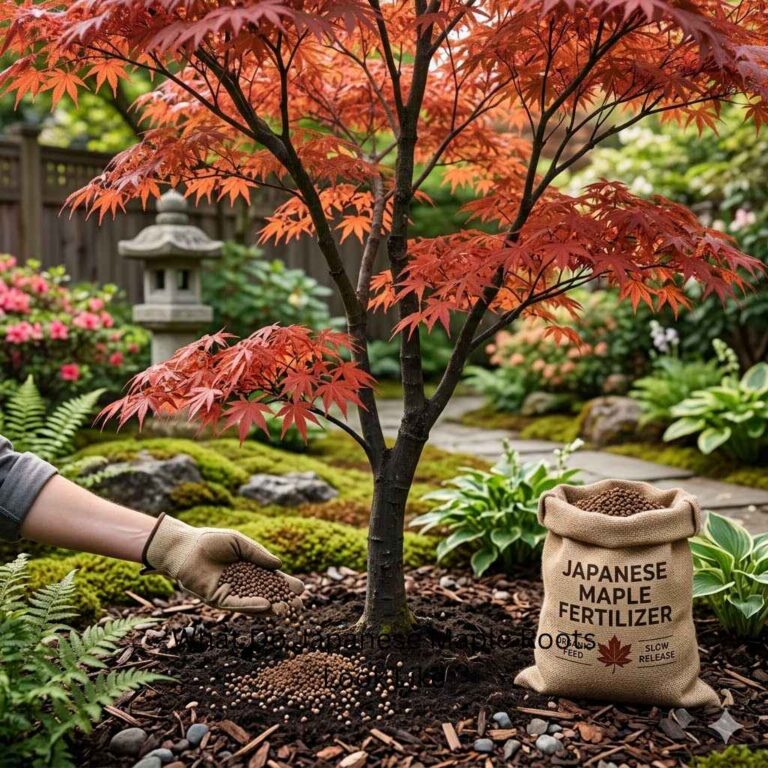
Many cities and towns across California have planted ornamental maples, including Shantung Maples, Norway Maples (common but can be invasive in some climates outside of California’s typical arid zones), and Japanese Maples (Acer palmatum, popular for gardens but not typically a source of lumber). While these are beautiful, they are not native and may have different wood properties.
Identifying California Maples: A Visual Guide
Distinguishing between different maple species is part of the fun. Here are some key features to look for:
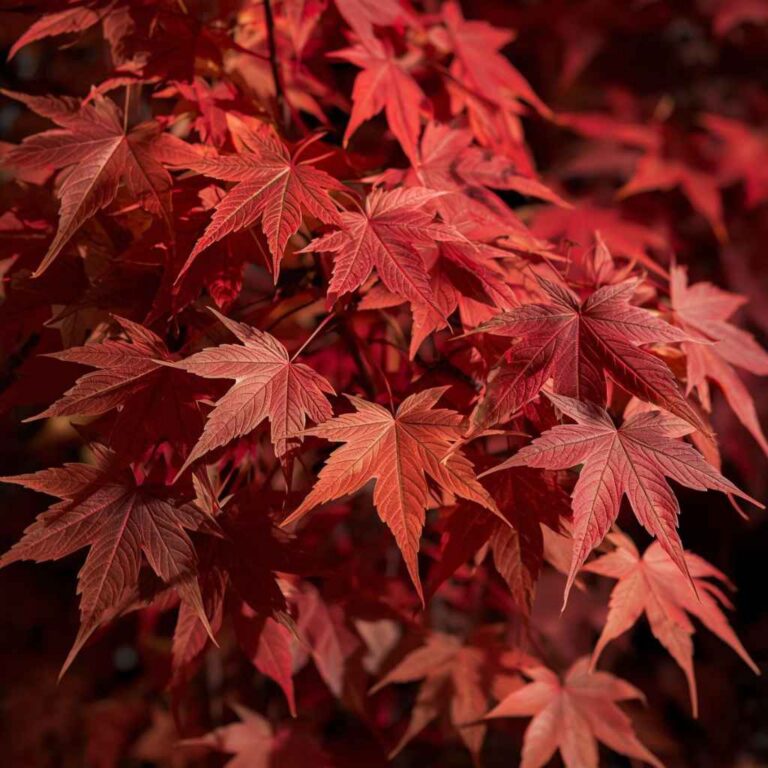
Leaf Shape and Size: This is often the most crucial identifier. Bigleaf Maple leaves are enormous and deeply lobed. California Maples have smaller, usually 3-lobed leaves.
Bark: Young trees generally have smoother bark, while mature trees develop furrows or scales. The texture and color of the bark can be a clue but can vary with age and environmental conditions.
Samaras (Wings): The distinctive winged seeds of maples are a giveaway. Their size, hairiness, and angle can help differentiate species, though this requires closer inspection.
Shape and Growth Habit: Is it a large, spreading tree, or a smaller, more compact shrub? This can indicate the species and its growing conditions.
Maple Wood in California: Uses and Considerations
The presence of maples in California offers exciting possibilities for local woodworking and craft projects.
Bigleaf Maple Wood
The lumber from Acer macrophyllum is a fantastic option for California woodworkers. It’s known for its beauty and workability.
Appearance: Creamy white to light brown heartwood. Can exhibit fascinating figuring like curls, waves, and even quilted patterns, especially if sourced from mature trees in optimal growing conditions.
Workability: Dresses and sands well, takes finishes beautifully. Straight-grained pieces are easy to work with hand and power tools. Figure grain can require more care.
Uses: Furniture, cabinetry, flooring, tabletops, musical instruments (guitars, violins), decorative bowls, cutting boards, and other fine woodworking projects. Its figured pieces are highly sought after for their unique aesthetic.
Availability: Can be found from specialty lumber yards that source locally, or sometimes from salvagers of downed trees from construction sites or storms. It’s important to look for sustainably harvested sources.
Tables of Wood Properties (Comparison)
To give you a better idea of how these woods stack up, here’s a simplified comparison. Keep in mind that hardness and density can vary even within the same species based on growing conditions.
| Wood Species (California) | Janka Hardness (lbs-force) | Average Dried Density (lbs/ft³) | Primary Uses | Workability |
|---|---|---|---|---|
| Bigleaf Maple (Acer macrophyllum) | ~700-800 | ~33-37 | Furniture, cabinetry, musical instruments, decorative items | Good, takes finishes well; figured grain requires care. |
| California Maple (Acer glabrum varieties) | ~900-1000 | ~38-42 | Smaller craft projects, tool handles, decorative carving | Moderate, can be dense; good for detailed work. |
| Shantung Maple (Acer truncatum) – Ornamental Sample | ~900-1100 | ~38-44 | Experimental craft projects, small furniture pieces | Good, dense, holds detail well. |
Note: Janka hardness and density are approximate and can vary. These figures are for comparison.
California Maple Wood
While less common in the lumber market, the wood of Acer glabrum offers distinct advantages:
Appearance: Similar creamy to light brown hues, often with a finer grain than Bigleaf Maple.
Workability: Generally denser and harder, so it requires a bit more effort to work but holds sharp edges and fine details exceptionally well.
Uses: Ideal for smaller projects where strength and fine detail are paramount, such as tool handles, delicate carvings, walking sticks, or musical instrument components where a denser wood is desired.
Maple Sy Frup Production in California
While the idea of California maple syrup might seem unusual, it is possible! Bigleaf Maples can be tapped for their sap, just like their eastern cousins. However, commercial syrup production in California is rare. This is largely due to the cost and effort involved compared to the more established maple syrup regions. The sap yield and sugar content might also differ. It’s more of a novelty or a backyard hobby for those with Bigleaf Maples on their property. For more information on maple tapping, the University of Vermont Extension offers excellent resources on the techniques involved, which can be adapted.
Important Considerations for Woodworkers
1.
Sourcing Local Lumber: When looking for maple lumber in California, try to find local sawmills or lumber suppliers who specialize in salvaged or sustainably harvested wood. This supports local resources and reduces transportation impacts.
2. Figured Wood: Bigleaf Maple is renowned for its figured grain. If you find a piece with “curl” or “fiddleback,” it will elevate any project. These pieces are rarer and command a higher price but are well worth it for their unique beauty.
3. Drying and Stability: Like all hardwoods, maple needs to be properly dried to ensure stability for woodworking. Improperly dried wood can warp, crack, or shrink significantly, ruining a project. Reputable lumber suppliers sell kiln-dried or well-acclimated air-dried lumber.
4. Tool Maintenance:** Maple, especially denser varieties, can be tough on tools. Keep your saw blades sharp and your chisels honed to make working with it easier and safer.
Frequently Asked Questions (FAQ)
Q1: Can you get maple syrup from maples in California?
A1: Yes, you can tap Bigleaf Maples (Acer macrophyllum) for sap to make maple syrup. However, commercial production is very rare in California due to various factors like lower yields and established industries elsewhere. It’s typically done as a backyard hobby.
Q2: Are maple trees common in Los Angeles or Southern California?
A2: While native maples like Bigleaf Maple can be found in some moist canyons and coastal areas of Southern California, they are not as widespread as in Northern California. Many ornamental maples are planted in urban and suburban landscapes across SoCal.
Q3: What is the difference between Eastern maple wood and California Bigleaf Maple wood?
A3: Bigleaf Maple (Acer macrophyllum) generally has a larger grain pattern and can exhibit more dramatic figuring (like quilting or extensive curls) compared to common Eastern maples like Sugar Maple (Acer saccharum). Its Janka hardness is also typically lower.
Q4: Is maple wood good for cutting boards?
A4: Yes, maple wood, including Bigleaf Maple, is an excellent choice for cutting boards. It’s a dense hardwood that resists knife marks, is relatively easy to clean, and doesn’t contain toxic compounds. Its tight grain also helps prevent bacteria from penetrating.
Q5: How can I identify a maple tree in California without its leaves?
A5: Identifying maples without leaves can be tricky. Look for opposite branching patterns (branches grow directly across from each other), smooth, grey-brown bark that becomes furrowed with age on mature trees, and the characteristic ‘helicopter’ seeds (samaras), even if dried and on the ground. Bud shape and arrangement can also be clues for experienced observers.
Q6: Are there any invasive maple species in California?
A6: While many ornamental maples are planted, some species like the Norway Maple (Acer platanoides*) can be invasive in certain climates and are monitored. It’s always best to plant native species to support local ecosystems. Always consult local horticultural or forestry resources for the most up-to-date invasive species lists in your specific region of California.
Conclusion
So, to answer our burning question: are there maple trees in California? Absolutely! From the grand Bigleaf Maples gracing the northern forests to the adaptable California Maples in the mountains, and a variety of ornamental species beautifying our cities, the maple family has a firm foothold in the Golden State. For us woodworkers and DIY enthusiasts, this means a fantastic local resource for beautiful, strong, and unique lumber. Whether you’re crafting fine furniture, turning bowls, or simply admiring a tree on a hike, knowing that these versatile maples call California home adds another layer of appreciation for our natural landscape and its woodworking potential. Next time you’re out exploring, keep an eye out for these incredible trees – you might just find your next woodworking project inspiration!