Are Water Stains on Wood Permanent? Effective Removal Tips
Have you ever noticed those annoying white or dark spots ruining the look of your beautiful wooden furniture? Water stains on wood can be frustrating, making you wonder if they are permanent or if there’s a way to fix them.
You’re not alone in facing this common problem, and the good news is that not all water stains are here to stay. You’ll discover what causes these marks, whether they can be removed, and simple steps you can take to restore your wood’s natural beauty.
Keep reading—your wood deserves a second chance.
Causes Of Water Stains On Wood
Water stains on wood appear from moisture touching the wood surface. These stains can be light or dark, depending on the cause and wood type. Understanding the causes helps in preventing and treating water stains effectively.
Types Of Water Stains
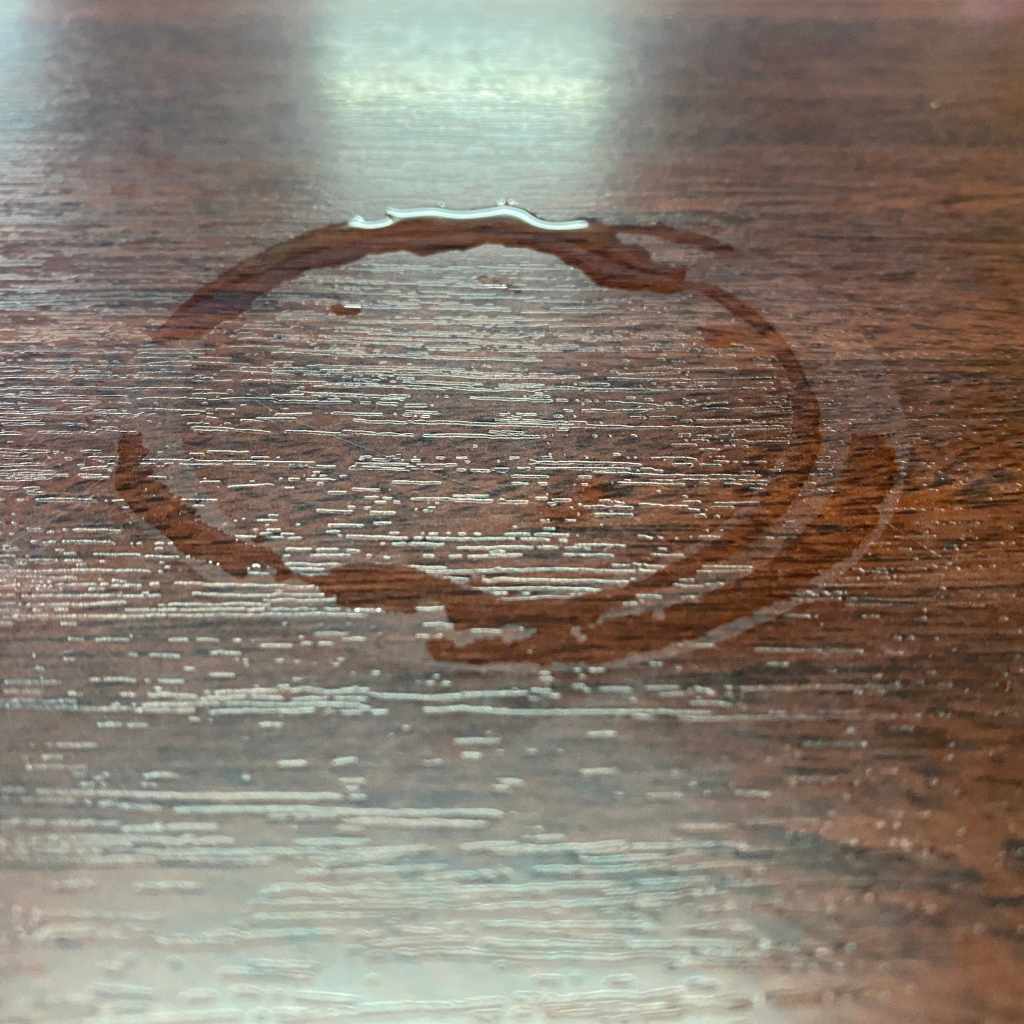
Water stains on wood come in different forms. White rings or spots happen when water sits on the finish but does not soak into the wood. Dark stains appear when water penetrates through the finish and reaches the wood fibers. These dark marks can be harder to remove and may need special care.
How Water Damages Wood Finish
Water affects wood finish by causing it to swell and bubble. This damages the protective layer and lets moisture reach the wood. Over time, the wood can warp, crack, or discolor. The longer water stays on the wood, the more damage it causes to both finish and wood.
Assessing Stain Severity
Assessing the severity of water stains on wood helps determine the right cleaning method. Some stains stay on the surface and clean easily. Others go deep and may cause lasting damage.
Knowing the difference can save you time and effort. It also protects your wood from unnecessary wear and tear.
Surface Vs. Deep Stains
Surface stains sit on top of the wood finish. They look white or cloudy. These stains often come from water droplets or spills. They can usually be removed with simple cleaning products or light sanding.
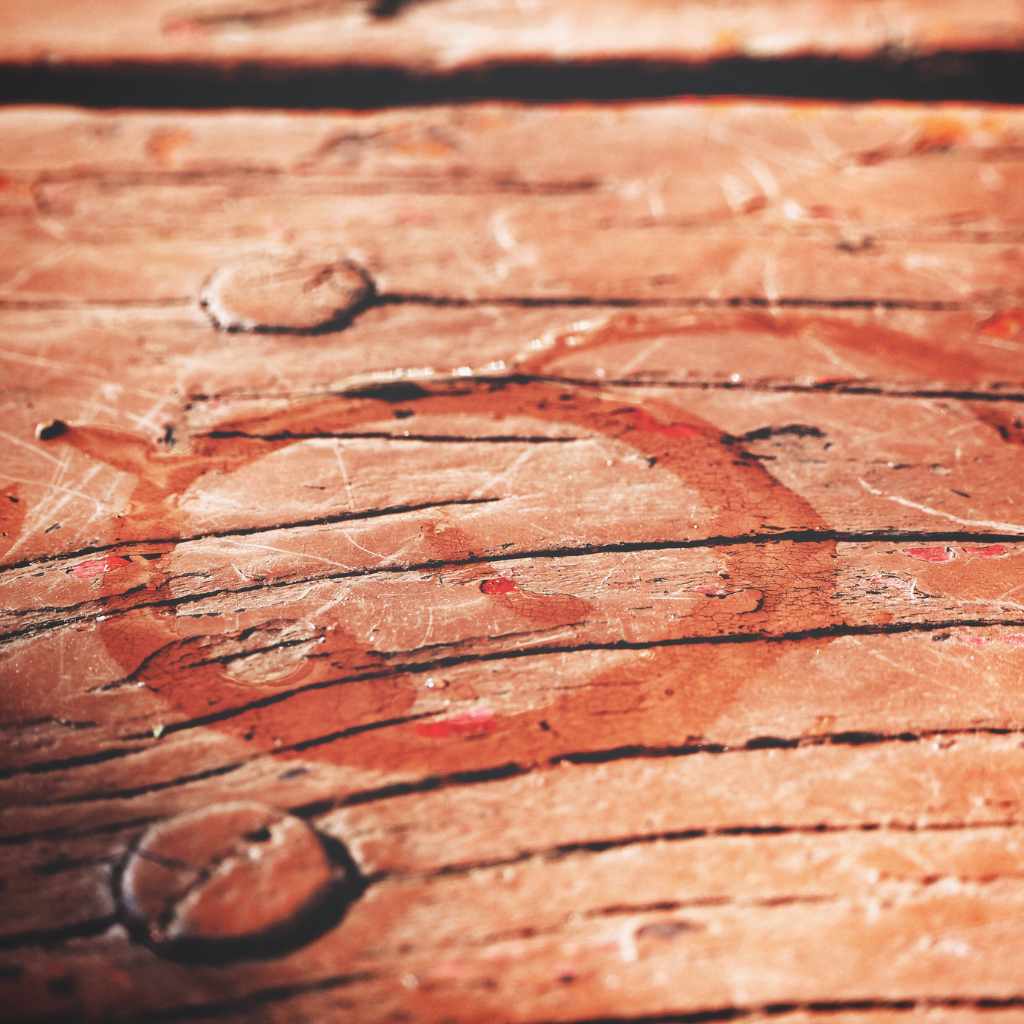
Deep stains soak into the wood fibers. They appear darker or have a ring shape. These stains happen when water penetrates the finish. Removing deep stains may require more work, like refinishing or professional help.
Signs Of Permanent Damage
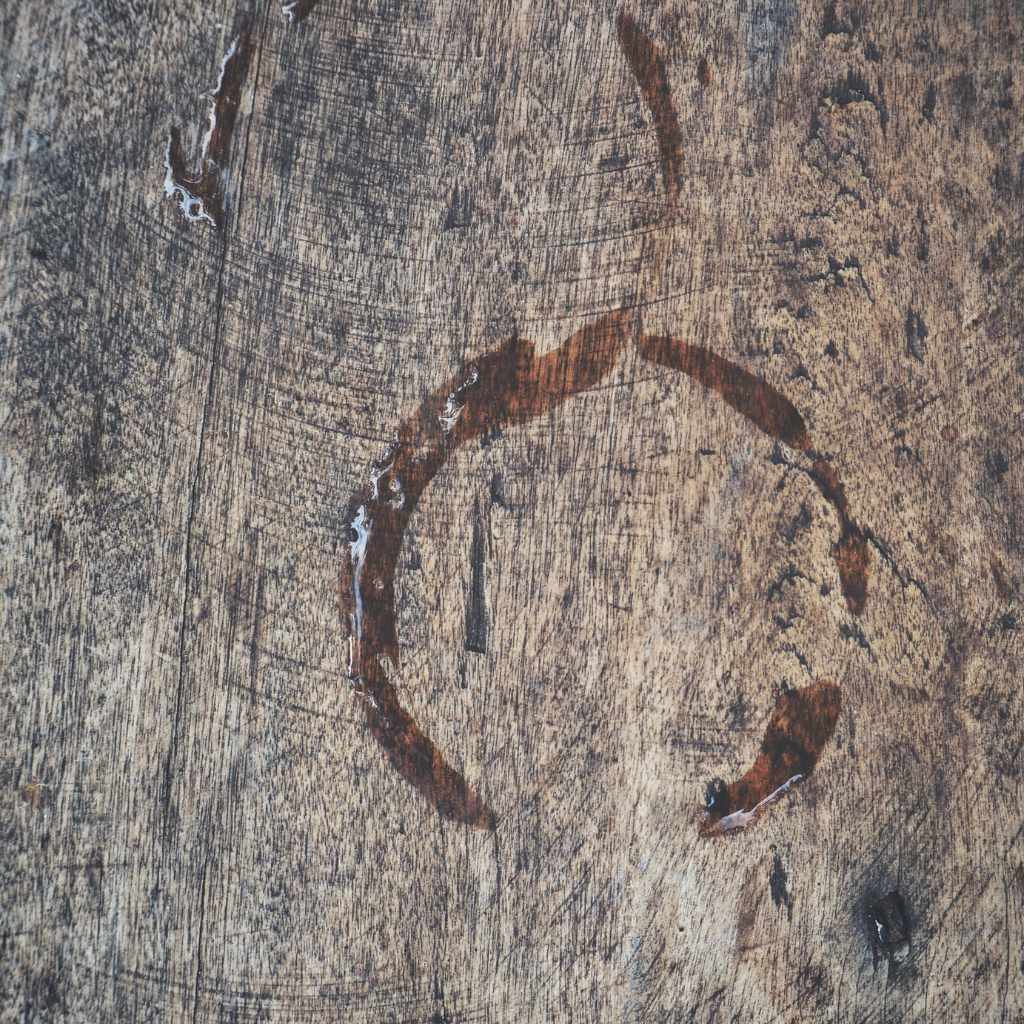
Permanent damage changes the wood itself. Dark spots that do not lighten show deep staining. Cracks, warping, or soft spots mean the wood is harmed.
Faded or missing finish around the stain also signals damage. Wood that feels rough or brittle needs repair. These signs suggest the stain will not go away easily.
Home Remedies For Light Stains
Light water stains on wood do not have to stay forever. Many home remedies can help reduce or remove these marks. These solutions use items found in most kitchens. They are easy and safe to try on wood surfaces. Acting quickly increases the chances of success.
Using Heat To Lift Stains
Heat can draw out moisture trapped in wood. Use a clean cloth and a warm iron. Set the iron to low heat without steam. Place the cloth over the stain and press gently. Move the iron in small circles for a few seconds. Check the stain often to avoid damage. Repeat until the stain fades.
Applying Toothpaste And Baking Soda
Toothpaste and baking soda create a mild abrasive paste. Mix equal parts of both into a thick paste. Apply the paste to the stain using a soft cloth. Rub gently in a circular motion for one minute. Wipe off with a damp cloth. Dry the area with a clean towel. This method can brighten the wood without harm.
Vinegar And Olive Oil Method
Vinegar and olive oil work together to clean and nourish wood. Mix two parts olive oil with one part white vinegar. Dip a soft cloth into the mixture. Rub it into the water stain gently. Let it sit for a few minutes. Wipe off any excess with a dry cloth. This method helps remove stains and restore shine.
Commercial Products For Stain Removal
Commercial products offer practical options for removing water stains on wood. These products are designed to clean and restore wood surfaces safely. They target stains without damaging the wood finish. Using them correctly can improve the wood’s appearance quickly.
Wood Cleaners And Polishes
Wood cleaners help remove dirt and light stains from wood surfaces. They often contain mild solvents and oils that lift stains gently. Polishes add shine and protect wood after cleaning. Some products combine cleaning and polishing in one step. Regular use can prevent stains from setting deeply into wood.
Oxalic Acid Treatments
Oxalic acid is a strong chemical used for tough water stains. It works by breaking down the stain’s color molecules. This treatment is common for older or severe marks on wood. It requires careful handling and protective gear. After treatment, wood may need rinsing and drying before finishing touches.
When To Sand And Refinish
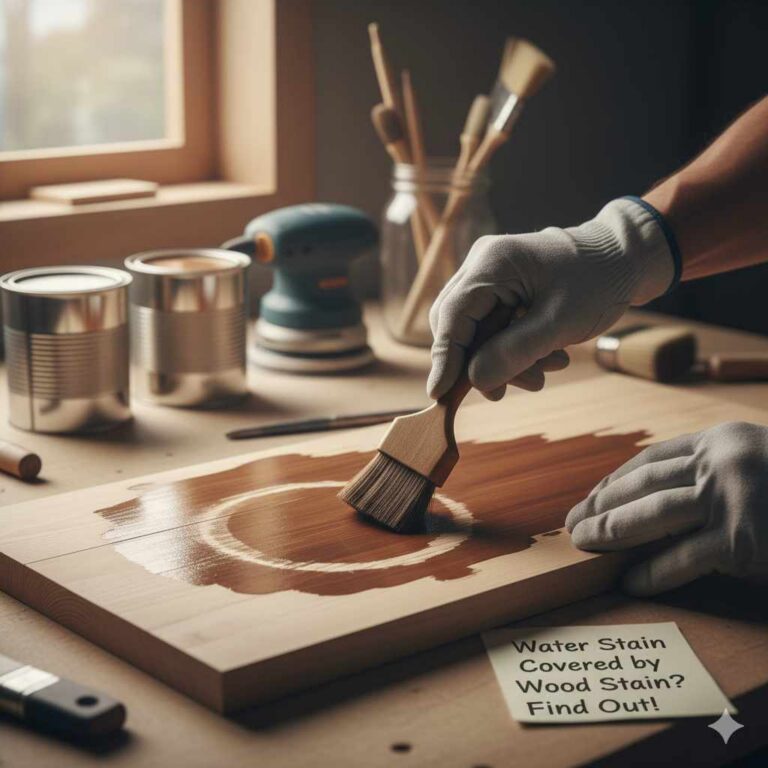
Water stains on wood may not always be permanent. Sometimes, light cleaning removes them. Other times, the damage goes deeper into the wood. This calls for sanding and refinishing to restore the surface.
Knowing when to sand and refinish can save your wood furniture or floor. Sanding removes the damaged layer, exposing fresh wood underneath. Refinishing then protects the wood and brings back its shine.
Sanding Techniques
Start sanding with a coarse grit sandpaper to remove the stain. Move gently and evenly to avoid uneven surfaces. Switch to finer grit sandpaper to smooth the wood after the stain is gone. Always sand along the wood grain, not across it. This prevents scratches and keeps the wood looking natural. Clean dust off with a soft cloth before refinishing.
Choosing The Right Finish
Pick a finish that matches the wood’s original look. Polyurethane offers strong protection and a shiny surface. Oil-based finishes bring out the wood’s color and grain. Water-based finishes dry quickly and have less odor. Apply thin layers and let each dry completely before adding more. The right finish keeps wood safe from future water damage.
Preventing Future Water Stains
Preventing water stains on wood is easier than fixing them. Protecting your wood surfaces helps keep them looking new. Small steps can stop water damage before it starts. This section shares simple ways to avoid future stains.
Using Coasters And Mats
Place coasters under all drinks. Coasters catch water drops and spills. Use mats under plants and hot dishes. Mats protect wood from moisture and heat. These barriers keep water from touching wood directly.
Maintaining Wood Finish
Apply a good wood finish regularly. Finishes create a protective layer on wood. This layer stops water from soaking in. Clean wood gently with a soft cloth. Avoid harsh cleaners that can wear the finish.
Controlling Indoor Humidity
Keep indoor humidity levels steady. Use a humidifier or dehumidifier as needed. Too much moisture can cause wood to swell and stain. Proper air flow helps dry any moisture quickly. Balanced humidity protects wood from damage.
Frequently Asked Questions
Are Water Stains On Wood Furniture Permanent?
Water stains on wood furniture are not always permanent. Many stains can be removed using household remedies. However, deep or old stains may require professional refinishing to restore the wood’s appearance fully.
How Can I Remove Water Stains From Wood Surfaces?
To remove water stains, try gently rubbing the area with a mixture of baking soda and water. Alternatively, use toothpaste or apply a small amount of mayonnaise. Always test on a hidden spot first to avoid damage.
Does Heat Help In Removing Water Stains On Wood?
Yes, heat can help remove water stains. Using a warm iron over a cloth placed on the stain can evaporate trapped moisture. Be cautious to avoid overheating, which may damage the wood finish.
Can Water Stains Damage Wood Permanently?
Water stains can cause permanent damage if left untreated. Prolonged exposure leads to discoloration and wood warping. Early treatment is essential to prevent long-lasting effects and maintain wood quality.
Conclusion
Water stains on wood may not always last forever. Some marks fade with simple cleaning or light sanding. Others might need special treatments to disappear. Acting fast helps prevent permanent damage. Regular care keeps wood looking fresh and new. Remember, gentle methods protect your wood’s finish best.
Don’t ignore stains; they can worsen over time. Wood is a natural material that needs attention. With the right steps, you can keep your wood beautiful for years.