Can You Apply Epoxy Over Stained Wood?
Yes, you can apply epoxy over stained wood, but the stain type decides how well it bonds. Water-based and alcohol-based stains cure enough for epoxy in about 24 hours; oil-based stains like Minwax Wood Finish can take a week or longer and may never fully adhere. Skipping the dry-time test is the #1 cause of epoxy peeling months later. This guide covers stain compatibility, surface prep, and a step-by-step application process.
Quick Answer
Epoxy bonds well over stained wood once the stain is fully cured — water-based stains are usually ready in 24 hours, but oil-based stains need a longer wait (sometimes a week-plus) and should pass the white-cloth dry test first. Sand lightly with 220-grit, wipe clean, and always test a hidden spot before coating the whole piece.
The Basics: Epoxy And Stained Wood
Best Epoxy Topcoat Pick
EPOXY Resin Crystal Clear 1 Gallon Kit – $69.99
A 1:1 mix ratio makes this a straightforward topcoat once your stained surface passes the white-cloth dry test and light sanding step covered above.
- Best for: Full tabletop or bar-top pours over cured stain
- Why we picked it: 1-gallon size covers a standard tabletop in one seal coat plus a flood coat
- Main drawback: Higher cost per project than a small brush-on kit if you’re only coating a small piece
Compare more epoxy-for-stained-wood options
 Option 1 Varathane Crystal Clear Super Glaze Kit – $32.77
|
 Option 2 EnviroTex Lite 8 oz Kit – $22.12
|
 Option 3 TotalBoat Penetrating Epoxy Sealer – $59.99
|
As an Amazon Associate we earn from qualifying purchases.
Epoxy is a two-part resin and hardener that cures into a hard, glass-like, waterproof layer. It’s commonly used to seal and finish wood for tabletops, bar tops, and river tables, as well as for filling cracks and gaps. Stained wood is wood that has already been colored with an oil-, water-, or gel-based pigment before any topcoat goes on — and that pigment layer is exactly what epoxy has to bond to, not the bare wood underneath.
Because epoxy bonds to whatever surface it touches, the condition of the stain — not the wood species — is the main variable that determines whether the coating holds or eventually lifts.
Oil-Based Vs. Water-Based Stain: Does It Matter For Epoxy?
Stain type is the single biggest factor in whether epoxy bonds successfully. Water-based and alcohol-based (dye) stains dry to a hard film relatively fast and let epoxy key into the surface within about a day. Oil-based stains penetrate deeper, stay slightly soft for much longer, and can leave surface oils that prevent the epoxy from ever fully gripping — even when the stain looks dry.
| Stain Type | Typical Dry Time Before Epoxy | Adhesion Risk |
|---|---|---|
| Water-based stain | ~24 hours | Low — bonds reliably once dry |
| Alcohol-based (dye) stain | ~24 hours | Low — bonds reliably once dry |
| Oil-based stain (e.g. Minwax Wood Finish) | 1 week or longer | High — can fail to adhere even after several days |
📊 Independent woodworking test reports have found epoxy failing to bond reliably to oil-based stains like Minwax Wood Finish even after multiple days of drying, while water- and alcohol-based stains typically accept epoxy within about 24 hours — Source: Woodworker’s Journal
If you haven’t stained the piece yet, choosing a water-based stain saves you the wait and the risk. If the wood is already finished in an oil-based stain, don’t pour epoxy on faith — run the test below first.
How Do You Test If Stained Wood Is Ready For Epoxy?
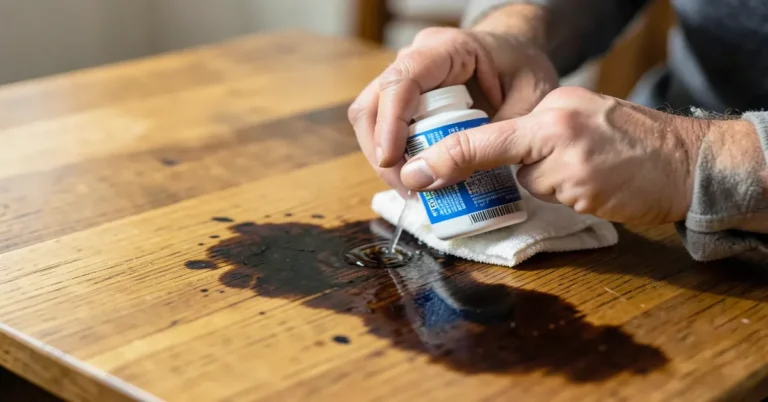
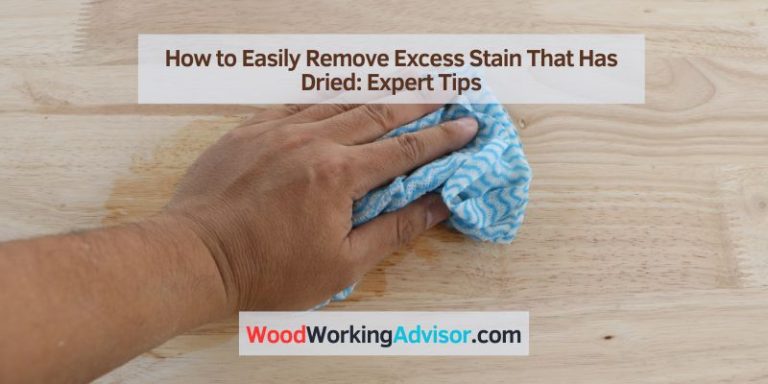
Wipe the stained surface firmly with a clean white cloth. If no color or residue transfers onto the cloth, the stain has cured enough to move on to sanding and epoxy. If the cloth picks up color, wait longer — oil-based stains can need a week or more, even when the surface feels dry to the touch.
Step-By-Step: Applying Epoxy Over Stained Wood
Once the stain passes the white-cloth test, prep and coat the surface in this order:
- Confirm the stain is dry: Run the white-cloth test above. Don’t skip this on oil-based stains.
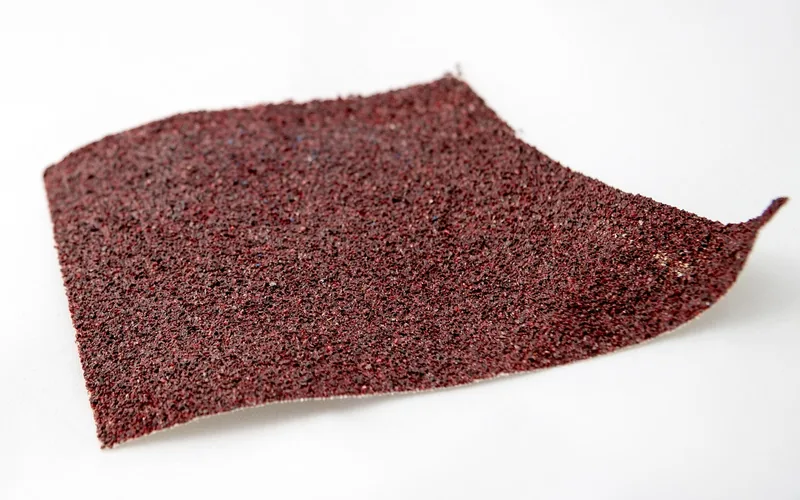
- Sand lightly: Scuff-sand with 220-grit sandpaper to give the epoxy a mechanical bite. You’re not removing the stain, just breaking the sheen.
- Clean thoroughly: Wipe away all dust with a tack cloth or a lint-free rag dampened with denatured alcohol. Any dust left behind shows up as a bump under the cured epoxy.
- Test a hidden spot: Coat a small, inconspicuous area first and let it cure fully. Check for discoloration, fisheyes, or poor adhesion before committing to the whole surface.
- Mix the epoxy: Combine resin and hardener in the exact ratio the manufacturer specifies and stir thoroughly — an off-ratio mix is the most common cause of a tacky or soft cure.
- Apply a thin first coat: Brush or pour a thin, even seal coat and work in small sections so it doesn’t begin curing before you’ve leveled it.
- Cure and recoat: Let each coat cure per the label (usually several hours to overnight) before adding another. Two to three coats is typical for a durable, glossy finish.
- Sand between coats if needed: If you’re applying more than one coat, a light scuff-sand between layers improves adhesion of the next pour.
Best Epoxy Options For Stained Wood
Not every epoxy is formulated the same way — tabletop-pour epoxies, brush-on finish kits, and penetrating sealers each solve a different part of this job. Here are three worth comparing before you buy.
Factors Affecting Epoxy Adhesion To Stained Wood
Type Of Wood Stain Used
Oil-based stains penetrate the wood and can leave a slightly oily film that blocks the epoxy from bonding directly to the surface. Water-based stains dry to a harder, more uniform film that gives epoxy a cleaner surface to grip.
Epoxy Formulation And Curing Time
Epoxies formulated specifically for wood substrates — rather than general craft or casting resins — tend to adhere better to stained surfaces. Longer, slower cure times generally produce a stronger bond than fast-cure formulas.
Pros And Cons Of Epoxy Over Stained Wood
Epoxy over properly cured stained wood adds a durable, glossy, waterproof layer that protects against scratches, spills, and everyday wear. The tradeoff is a careful prep process and a finish that can yellow with UV exposure over time.
- Pro — durability: The cured epoxy layer resists scratches and moisture far better than stain alone.
- Pro — aesthetics: A glossy epoxy topcoat deepens the stain color and grain contrast.
- Con — UV yellowing: Standard epoxy can amber over time in direct sunlight; look for a UV-stabilized formula for outdoor pieces.
- Con — maintenance: Scratches show clearly on a glossy surface and may require a fresh topcoat down the line.
Expert Tips For A Flawless Finish
Selecting The Right Epoxy
- Choose a UV-resistant formula for anything that gets direct sunlight.
- Pick a low-viscosity epoxy for better penetration into slightly porous stained surfaces.
- Use a clear, non-ambering epoxy to preserve the true color of the stain underneath.
Avoiding Common Pitfalls
- Don’t skip the white-cloth dry test on oil-based stains — it’s the single most common point of failure.
- Avoid direct sunlight and drafts during cure, which can cause bubbling or an uneven finish.
- Always follow the manufacturer’s mix ratio exactly — eyeballing it is the top cause of a soft, tacky cure.
Troubleshooting Common Problems
If epoxy applied over stained wood peels, stays tacky, or shows fisheyes, the cause almost always traces back to one of three things: the stain wasn’t fully cured, the surface wasn’t sanded or cleaned before coating, or the resin-to-hardener ratio was off. Re-sand back to bare epoxy (or bare stain, if it hasn’t bonded at all), clean thoroughly, and re-test a hidden spot before recoating.
Frequently Asked Questions
Can you apply epoxy over stained wood?
Yes, you can apply epoxy over stained wood, but it’s important to prepare the surface properly first. Clean the surface thoroughly, confirm the stain has fully cured with the white-cloth test, and lightly sand before applying a thin first coat of epoxy. This helps the epoxy adhere properly to the wood surface.
How long do you need to wait before applying epoxy over stained wood?
Water-based and alcohol-based stains are usually ready in about 24 hours. Oil-based stains can take a week or longer to cure enough for epoxy to bond reliably — always confirm with the white-cloth test rather than going by feel alone.
Does oil-based stain work with epoxy?
It can, but it’s the riskiest combination. Oil-based stains can leave a film that prevents epoxy from bonding fully, even after the surface feels dry. Give oil-based stains extra cure time, test a hidden area first, and consider a penetrating epoxy sealer as a bonding layer if adhesion is uncertain.
Can you apply epoxy over multiple layers of stain?
Yes, you can apply epoxy over multiple layers of stain, but it’s important to ensure the surface is completely dry and free of dust and debris. Sand lightly between the final stain layer and the epoxy to create a better bonding surface.
How many coats of epoxy do you need to apply over stained wood?
Most projects use two to three coats for a durable, glossy finish: a thin seal coat first, followed by one or two flood coats. Always follow the specific manufacturer’s instructions for your chosen epoxy product.
Conclusion
Applying epoxy over stained wood works reliably once you treat the stain type as the deciding factor, not an afterthought. Water- and alcohol-based stains are ready for epoxy in about a day; oil-based stains need the white-cloth test and often a much longer wait. Sand lightly, clean thoroughly, test a hidden spot, and follow the manufacturer’s mix ratio and cure times for a durable, glossy result that lasts.
Sponsored / affiliate links. As an Amazon Associate I earn from qualifying purchases. I may earn additional commission from eligible campaigns.