How to Remove White Stains from Wood: 6 Causes and Fixes
White stains on wood are usually moisture trapped in the finish (water rings, heat marks, blush), a waxy or mineral residue sitting on top, or, rarely, mold. Treat the wrong one and you can dull the finish, so identify the cause first. This guide gives a six-cause diagnosis table, the right fix for shellac, lacquer, varnish and unfinished wood, and a safe way to tell salt deposits from mold.
Causes Of White Stains On Wood
Best Lacquer Blush Fix
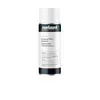 |
Mohawk No-Blush Plus Retarder, 13 oz Spray ($19.43) A slow-evaporating solvent spray that reflows a lacquer or shellac film so trapped moisture can escape, the same retarder approach the finishing sections below describe for white rings and blush.
|
As an Amazon Associate we earn from qualifying purchases.
Most guides hand you one remedy for every white mark. That is why the same toothpaste trick works on one table and ruins the sheen on the next. Two things matter: what the white stuff is and what finish sits on the wood. Use this table to place your mark.
| Cause | What it looks like | Where it lives | Check before you treat | Fix direction |
|---|---|---|---|---|
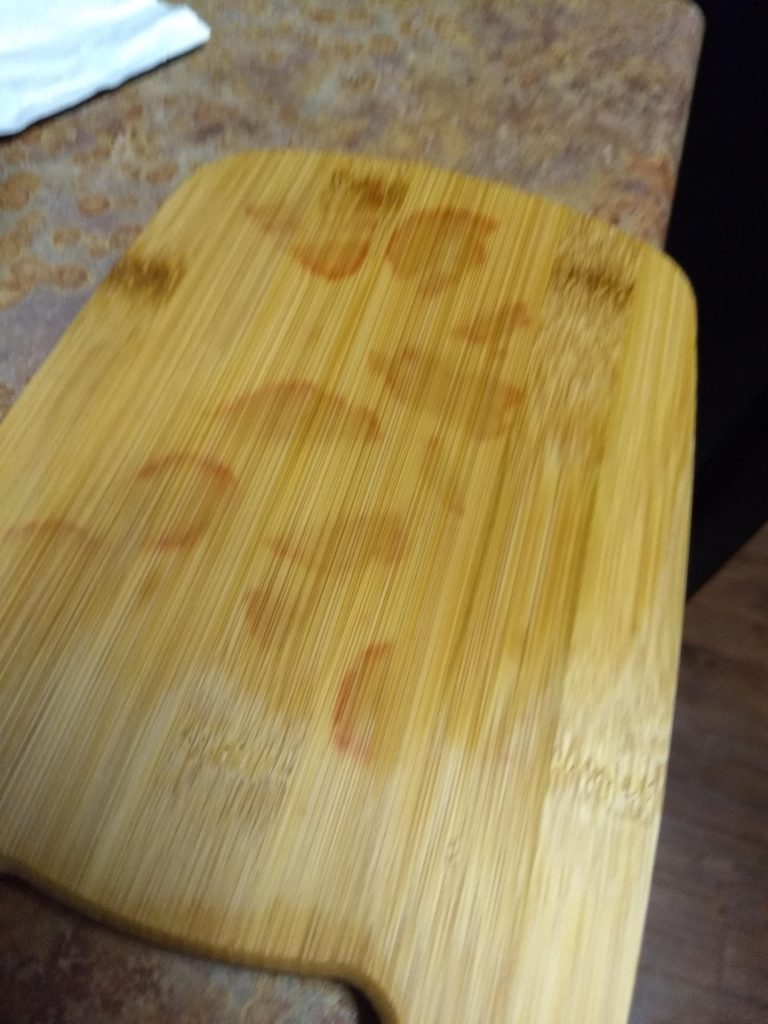
| Water ring | White or cloudy ring, often cup-shaped | Inside a film finish | Does not wipe off with a damp cloth | Solvent reflow on shellac or lacquer; abrasion on varnish |
| Heat mark | Cloudy white patch under a hot dish or mug | Inside a film finish | Same as a water ring but no sharp ring edge | Same as water ring; heat only on shellac or lacquer |
| Blush | Milky haze across a wide area | Inside lacquer or shellac | Spread out, not shaped like a cup or dish | Retarder or alcohol, or wait for dry weather |
| Wax haze | Dull, streaky white film | On top of the finish | Lifts when wiped with a cloth dampened with mineral spirits | Mineral spirits and fine steel wool |
| Mineral or salt residue | White crust or powder, often at a water line | On top of, or in, bare or oiled wood | Dissolves in water, no smell | Damp cloth, vinegar and water, then light sanding |
| Mold | Fuzzy or cottony white growth with a musty smell | On damp wood | Does not dissolve in water, has an odor | Fix the moisture first, then follow EPA cleanup steps |
Next, work out the finish. Flexner, the long-time finishing columnist at Popular Woodworking, notes that denatured alcohol works on shellac and sometimes on lacquer, while varnish and water-based finishes will not redissolve, so those can only be abraded. A cotton swab with a little denatured alcohol on a hidden spot (the underside of a table apron works) tells you a lot: shellac softens quickly, varnish and polyurethane barely react.
Water Rings and Heat Marks on Finished Wood
A white ring or cloud is not damage to the wood. In his Popular Woodworking column on white water rings, Flexner favors the explanation that water enters a porous finish, dissolves impurities and leaves tiny voids as it evaporates. Old, deteriorated finishes mark more easily. Light scatters in those voids, so the finish looks white.
Pick the fix by finish, not by internet trend
- Shellac or lacquer: spray or wipe a slow-evaporating solvent such as lacquer retarder, or pad on denatured alcohol (it works on shellac and sometimes on lacquer). The solvent briefly re-softens the surface so trapped moisture can escape.
- Varnish or polyurethane (including water-based): solvents will not work. Flexner puts it bluntly:
You’ll have to abrade the finish.
Use very fine steel wool or fine sandpaper and expect the sheen to change. - Catalyzed varnish (common on factory kitchen cabinets): Flexner says there is no good removal method because the finish is too hard; the realistic option is stripping and refinishing.
- Any finish, short term: mayonnaise fills the voids without evaporating, so it improves the look temporarily rather than fixing it.
The popular heat trick belongs only in the first bullet. A hair dryer on low held a few inches away and kept moving, or a dry iron on a medium setting with a cotton cloth between iron and wood, can drive moisture out of a fresh mark in lacquer or shellac. Flexner warns a heat gun is risky and only works on those two finishes, and heat can blister the film, so test a hidden spot first and never hold heat in one place.
This page is the diagnosis guide. For full step-by-step methods once you know it is a water or heat mark, use our guides on removing a water stain from a wood table, getting water marks off wood furniture, or, if the mark is on a floor, removing water stains from a wood floor.
White Marks on Varnished Wood: Specific Fixes
Varnished wood develops white marks differently from oiled or waxed surfaces. Varnish is a hard film finish: when moisture or heat gets trapped beneath the film, it creates a cloudy or milky haze that sits between the varnish and the wood. This is why the marks look white rather than dark: the cloudiness is in the finish, not the wood grain.
For fresh white marks on varnished wood (less than 24 hours old): Use a hair dryer on medium heat held 3-4 inches from the surface. Move constantly for 20-30 seconds. The heat re-drives the trapped moisture out of the finish. Wipe immediately with a clean, dry cloth.
For older or more stubborn white haze on varnish: Apply a small amount of car wax (paste type) to the area, work it in gently with a soft cloth using circular motions, then buff off. The mild abrasives in car wax polish away the cloudy top layer of varnish without cutting through to bare wood.
When nothing works: If the mark covers a large area or the varnish film is physically cracked or peeling, you’ll need to lightly sand that section with 400-grit wet/dry sandpaper and apply a fresh coat of varnish. Spot-finishing varnished furniture is tricky to blend. Use the same varnish type and apply thin coats, feathering the edges.
One caution on the heat tip above: it suits a fresh mark in a soft film, and on hard modern varnish it may do nothing. If two short, gentle passes with heat change nothing, stop and move to the abrasion route rather than adding more heat.
Milky Blush in Lacquer and Shellac
Blush is the white-ring problem spread across a whole surface. It appears when moisture gets trapped as the top of the finish dries before the water can escape, which is most likely in high humidity or when shellac was thinned with alcohol that contained too much water. Old lacquered furniture can blush the same way when a humid spell hits.
- Spot it: a hazy white bloom over a wide area, with no cup or plate shape, points to blush rather than a single spill.
- Fix on shellac: lightly wipe or mist the area with pure denatured alcohol on a drier day; it re-wets the surface so the moisture can flash off.
- Fix on lacquer: mist a slow retarder such as the Mohawk spray above in thin coats from 12 to 14 inches away, in a ventilated room. Lacquer thinner on a dry day is the faster, more aggressive alternative.
- If it returns: the film is still taking on moisture. Wait for lower humidity before treating again.
Expect the treated spot to look slightly duller than the surrounding finish; a light buff with wax usually evens that out.
White Haze From Wax Buildup
Paste wax builds up in layers. After a few years of polishing, the top layer can turn cloudy or streaky, which looks like a white stain but sits on the finish rather than in it. The fix is a solvent that dissolves wax, not an abrasive.
- Dampen a clean cloth with mineral spirits and wipe a small hidden patch. If the haze lifts, it was wax.
- Work in sections with a cloth or 0000 steel wool dampened with mineral spirits, rubbing with the grain.
- Turn the cloth often so you lift the dissolved wax instead of smearing it back on, then wipe dry with a lint-free cloth.
- Apply a thin new coat of wax and buff, or leave a film finish bare.
Our guide to removing paste wax from furniture covers heavier buildup before refinishing.
White Stains on Unfinished or Oiled Wood
Bare and oil-finished wood has no film to trap moisture, so white marks here are usually mineral deposits left when water carrying dissolved minerals evaporates, or a surface bloom from a wet cup. No film finish is involved, so none of the solvent fixes above apply.
- Light deposits: a paste of baking soda and a little water, rubbed gently with the grain with a soft cloth.
- Mineral crust: equal parts white vinegar and water on a damp cloth, rubbed with the grain, then dried at once.
- Deep marks: stains soaked into raw wood generally need sanding, or a short oxalic acid soak, to disappear. Re-oil afterward, because sanding removes the old oil.
Our guide to removing water stains from unfinished wood goes deeper on raw-wood cases.
White Powder or Fuzz: Salt Deposits or Mold?
Both can look like a white stain, and they need opposite handling. Salt or mineral deposits (efflorescence) are harmless to you and the wood, but they signal moisture moving through the material. Mold is a health matter. Three checks separate them: efflorescence dissolves in water and mold does not, mold gives off a musty odor while efflorescence has none, and mold grows on organic material like wood while efflorescence forms mainly on masonry or on wood sitting against it.
EPA: homeowners can clean mold themselves if the area is under about 10 square feet (roughly 3 ft by 3 ft), and if damp materials are dried within 24 to 48 hours of a leak or spill, mold usually will not grow. Source: EPA, A Brief Guide to Mold, Moisture and Your Home
If you suspect mold, the EPA advises an N-95 respirator, gloves and goggles without ventilation holes. It does not recommend chlorine bleach as routine practice, and it warns never to mix bleach with ammonia-based cleaners because toxic fumes result. Larger patches belong with a professional. Cleaning the surface is only half the job; the moisture source has to be fixed or the mold will return. See our guides on removing mold from wood and cleaning mildew off antique wood furniture.
When Refinishing Is the Only Fix
If abrasion removes the white but exposes dull or bare wood, or the finish has worn or cracked, spot repair becomes refinishing. Sand the area lightly, clean it, and reapply the same type of finish in thin coats, feathering the edges. Mismatched finishes (lacquer over varnish, for example) can fail or look patchy. For wider damage, see repairing a furniture finish.
How to prevent white marks coming back
- Use coasters and trivets, and wipe spills quickly.
- Do not stack fresh wax on old wax; clean it back first.
- Keep indoor humidity steady, since blush and trapped moisture follow humid spells.
- Fix leaks and condensation near wood before treating stains.
Frequently Asked Questions
How Do You Get White Stains Out Of Wood?
First identify the cause. For a white ring or heat mark in shellac or lacquer, a solvent such as lacquer retarder or denatured alcohol re-softens the finish so trapped moisture escapes. On varnish or polyurethane, solvents will not work and the finish has to be gently abraded. Wax haze lifts with mineral spirits, and mineral deposits on bare wood respond to baking soda paste or diluted vinegar.
How Do You Get White Heat Stains Out Of Wood?
Heat marks are moisture trapped in the finish. On shellac or lacquer, a hair dryer on low held a few inches away and kept moving, or a retarder spray, can release it. Avoid heat guns, which can blister the film. On varnish or polyurethane, heat rarely helps and the usual fix is gentle abrasion with very fine steel wool.
How Do You Get White Haze Off A Wood Table?
Work out whether the haze is wax, blush or moisture in the finish. Wax haze wipes away with a cloth dampened with mineral spirits. A milky bloom over a wide area on lacquer or shellac is blush, treated with retarder or denatured alcohol. Vinegar and olive oil only mask the haze temporarily and are not a fix.
What Product Removes White Stains From Wood?
It depends on the finish. Lacquer retarder or denatured alcohol suits lacquer and shellac, mineral spirits removes wax buildup, and 0000 steel wool or fine sandpaper handles varnish. Mayonnaise only fills the voids for a short time and is not a permanent fix.
How Can You Tell White Mold From Salt Deposits On Wood?
Salt deposits dissolve in water and have no odor, while mold does not dissolve and smells musty. Mold is fuzzy or cottony and grows on damp wood. The EPA says homeowners can clean mold under about 10 square feet with an N-95 respirator, gloves and unvented goggles, and larger areas need a professional.
Can You Remove White Stains From Unfinished Wood?
Often yes. Light mineral marks lift with a baking soda paste or equal parts white vinegar and water rubbed with the grain. Deep stains that have soaked into raw wood usually need sanding or a short oxalic acid soak, and you should re-oil the wood afterward.
Conclusion
White stains on wood are mostly a finish problem, so the winning move is matching the fix to the finish: solvent for shellac and lacquer, abrasion for varnish, mineral spirits for wax, and moisture control plus EPA-safe cleaning if mold is involved. Start with the gentlest option and test a hidden spot first.
Sponsored / affiliate links. As an Amazon Associate I earn from qualifying purchases. I may earn additional commission from eligible campaigns.