How to Transform Dark Stained Wood into Lighter Elegance
You can’t lighten dark stained wood just by brushing on a lighter-colored stain — stain is translucent, so a light stain over dark stain just blends into a muddier, still-dark color. To actually lighten it, you have to remove the existing stain first (by sanding, stripping, or bleaching), and only then apply a lighter stain or leave the bare wood as-is. Which removal method you need depends on how dark the wood needs to end up.
This trips people up constantly because “lighten the stain” sounds like a coloring problem you can fix by adding more color. It isn’t. Old-growth dark wood furniture, cabinets, and floors all get lighter the same way: strip the color that’s already there, then decide what (if anything) to put back.
Sanding: The Right Call for Surface-Level Stain
Best for Stain That Sanding Can’t Fully Remove
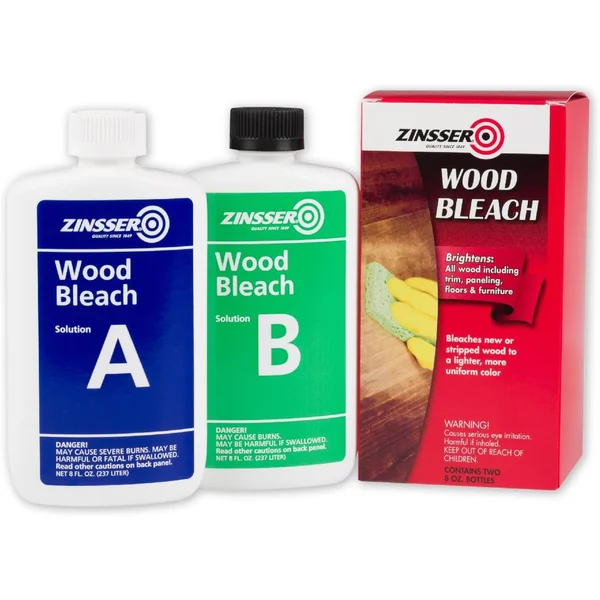 |
Zinsser Wood Bleach Kit, 2-Step Brightening System A two-part kit sized for furniture and cabinets rather than a whole floor — the two solutions react together to pull color and tannin staining out of the wood pores, not just off the surface.
|
If the dark color is only in the finish (stain sitting on top of the wood, not soaked deep into the grain), sanding down to bare wood removes it completely and is the most reliable, chemical-free option. Start with 100-120 grit to cut through the existing finish and stain, always sanding with the wood grain, then work up to 180-220 grit to smooth the surface before refinishing. On flat panels a random-orbit sander speeds this up considerably; on carved or detailed pieces, hand-sanding or a detail sander is often unavoidable.
The catch: sanding only removes what’s on the surface. Some stains and some wood species (oak and other open-grain woods especially) let pigment soak deeper into the pores, and sanding alone won’t fully clear that out — you’ll be left with a paler version of the same tone rather than a truly neutral base. That’s when bleaching earns its keep.
Wood Bleach: For Stain That’s Soaked Into the Grain
Two-part wood bleach (sold as a Solution A and Solution B you combine) works by chemically breaking down the pigment molecules inside the wood, not just wiping color off the top — which is why it succeeds where sanding alone plateaus. Apply Solution A, let it sit per the label, then apply Solution B to neutralize and complete the reaction; most kits need this repeated once or twice for stubborn color. Wear gloves and eye protection, work in a ventilated area, and always test on a hidden spot first since bleaching reacts differently across wood species and even between boards on the same piece. Expect the wood grain to rise slightly afterward, so plan on a light final sanding (220 grit) before applying anything new.
A milder option, oxalic acid wood bleach, works well specifically on gray weathering and water/tannin staining but is generally weaker against dye-based commercial wood stains than a full two-part kit.
Chemical Stripper: When There’s a Finish Coat on Top
If the piece has polyurethane, varnish, or lacquer over the stain, that finish layer has to come off before sanding or bleaching can touch the color underneath. A citrus- or solvent-based stripper applied per the label, left to dwell, then removed with a plastic scraper will take the finish off in one pass. Wipe the surface clean with mineral spirits afterward to remove stripper residue before moving on to sanding or bleaching the stain itself.
Putting the New Color Back (Or Not)
Once the wood is back to a neutral, even base, you have two choices. Leave it bare and finish it with just a clear topcoat for a natural, pale look. Or apply a lighter stain — light oak, natural, or a whitewash/gray-wash finish are the most common choices for a brighter result. Test any stain on scrap or a hidden spot first: the same stain looks different on bleached wood than it does on wood that’s never been colored, since bleaching can leave the surface slightly more porous and prone to absorbing stain unevenly. Apply thin coats, wiping off excess, and let each coat dry fully before adding another if you want to build the color up gradually rather than going too dark on the first pass. Once you’re happy with the color, seal it with polyurethane, varnish, lacquer, or a wood conditioner appropriate for the wood and how the piece will be used.
Frequently Asked Questions For How To Make Dark Stained Wood Lighter
Can dark stained wood be lightened?
Yes, but only by removing the existing stain first through sanding, chemical stripping, or wood bleach — applying a lighter stain directly over the dark one will not lighten it.
Does diluting wood stain with mineral spirits make it lighter?
Diluting stain with mineral spirits or water before applying it produces a lighter color on bare or already-lightened wood. It does nothing to lighten wood that’s already dark-stained, since you’d still be adding color on top of color.
How do you change wood color from dark to light without sanding?
A chemical stripper (for any finish coat) followed by wood bleach can lighten dark stained wood without sanding, though a light final sanding is still typically needed afterward to smooth the grain the bleach raises.
How do you lighten stained wood cabinets?
Strip any finish coat, then sand or use a two-part wood bleach to remove the existing stain color, and finish with a lighter stain or a clear topcoat. Work in sections and test your process on an inside door or an inconspicuous panel first.
The Bottom Line
Lightening dark stained wood is a removal job, not a coloring job. Sand off surface-level stain, reach for a two-part wood bleach when color has soaked into the grain, and strip any finish coat first if one is in the way. Only after the wood is back to a neutral base does a new lighter stain (or no stain at all) actually give you the brighter result you’re after.
Sponsored / affiliate links. As an Amazon Associate I earn from qualifying purchases. I may earn additional commission from eligible campaigns.