Can I Stain a Cutting Board? The Real Food-Safe Answer
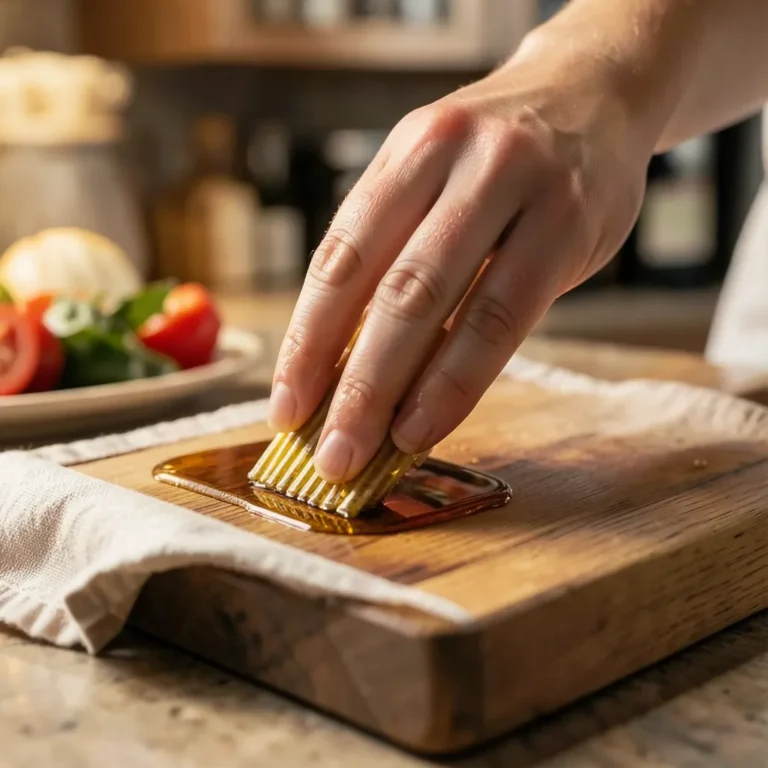
No, you shouldn’t use a typical wood stain on a cutting board. Standard oil-based and water-based wood stains are made for furniture and floors, not for surfaces that touch food, and most aren’t tested or labeled for food contact. If you want to change the color or protect a cutting board, the safe route is a food-grade oil or wax finish, not a can of stain from the paint aisle.
It’s an easy mix-up. Plenty of general woodworking guides talk about “staining” a board and mention “food-safe” in the same breath, which makes it sound like some stains are fine for the kitchen. In reality, coloring wood and finishing wood for food contact are two different jobs, and cutting boards only need the second one.
Why Wood Stain Isn’t Food-Safe, Even Once It’s Dry
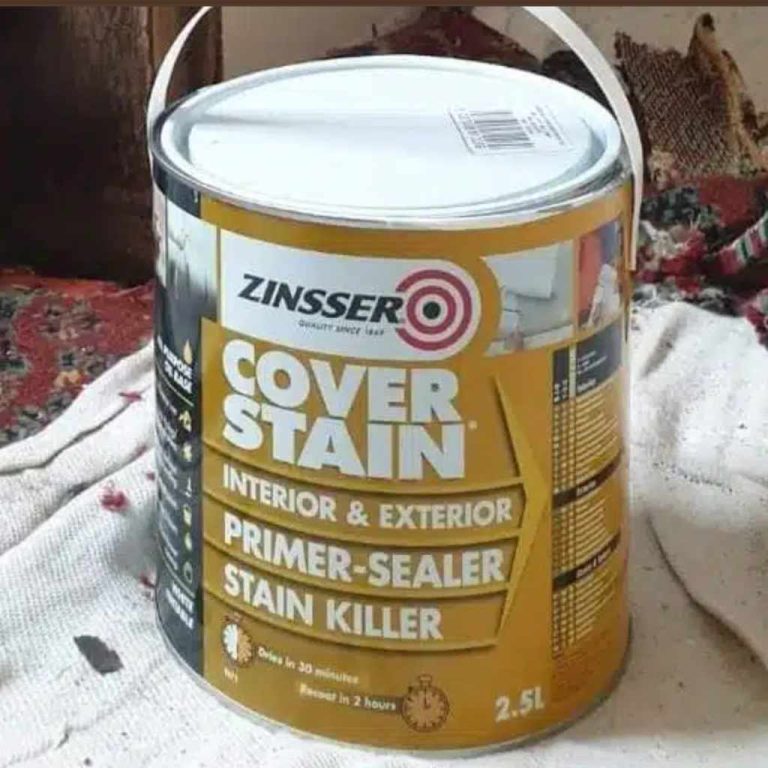
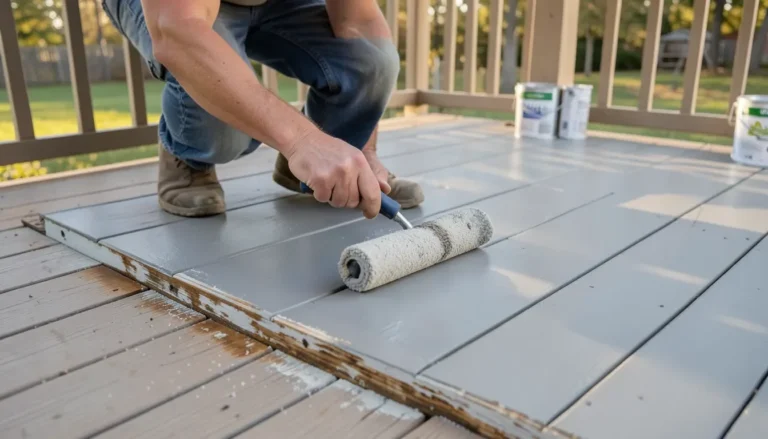
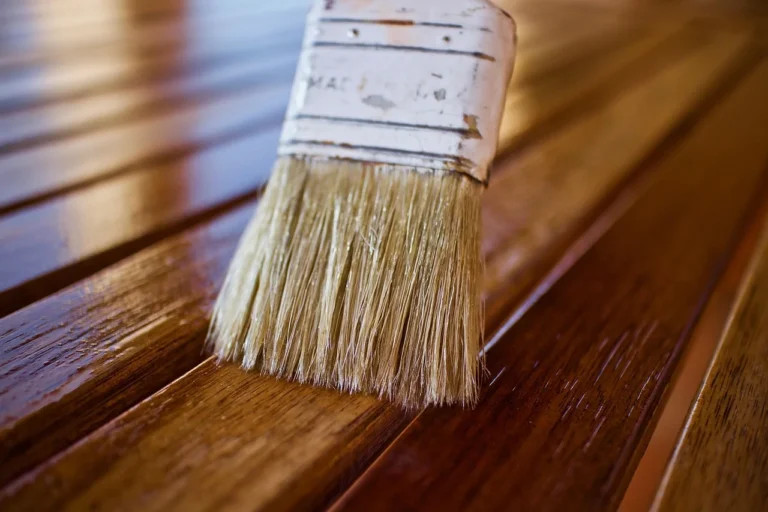
Wood stain is a pigment carried in a solvent, plus binders that lock the color into the wood fibers. None of that is formulated with food contact in mind. Oil-based stains typically use mineral spirits as a carrier and can include metallic driers; water-based stains swap the solvent but still rely on colorants and resins that were never tested against FDA food-contact standards. “Dry” is also not the same thing as “cured.” A stain can feel dry to the touch in a few hours while the pigment and binder are still chemically settling into the wood for days or weeks. Cutting on a board finished this way means a knife is repeatedly scoring into that pigment layer — exactly the scenario food-contact regulations are meant to prevent.
Best Food-Safe Cutting Board Conditioner
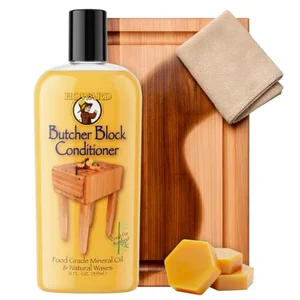 |
Howard Products Butcher Block Conditioner – $9.18 A food-grade mineral oil and beeswax blend built for exactly what this article covers: conditioning a cutting board without stain, dye, or anything that isn’t rated for food contact.
|
There’s no dedicated “food-safe wood stain” category the way there is for cutting board oils. A handful of specialty products marketed as food-contact-safe colorants exist, but they’re the exception, not the default can of Minwax or Varathane you’d reach for on a dresser or a deck. Unless a stain explicitly says food-contact-safe on the label with FDA-compliant language, assume it isn’t.
What To Use Instead: Real Food-Safe Finishing Options
A few genuinely food-safe options cover almost every cutting board need. Each behaves a little differently, so which one makes sense depends on how much maintenance you want to do and how much water resistance you need:
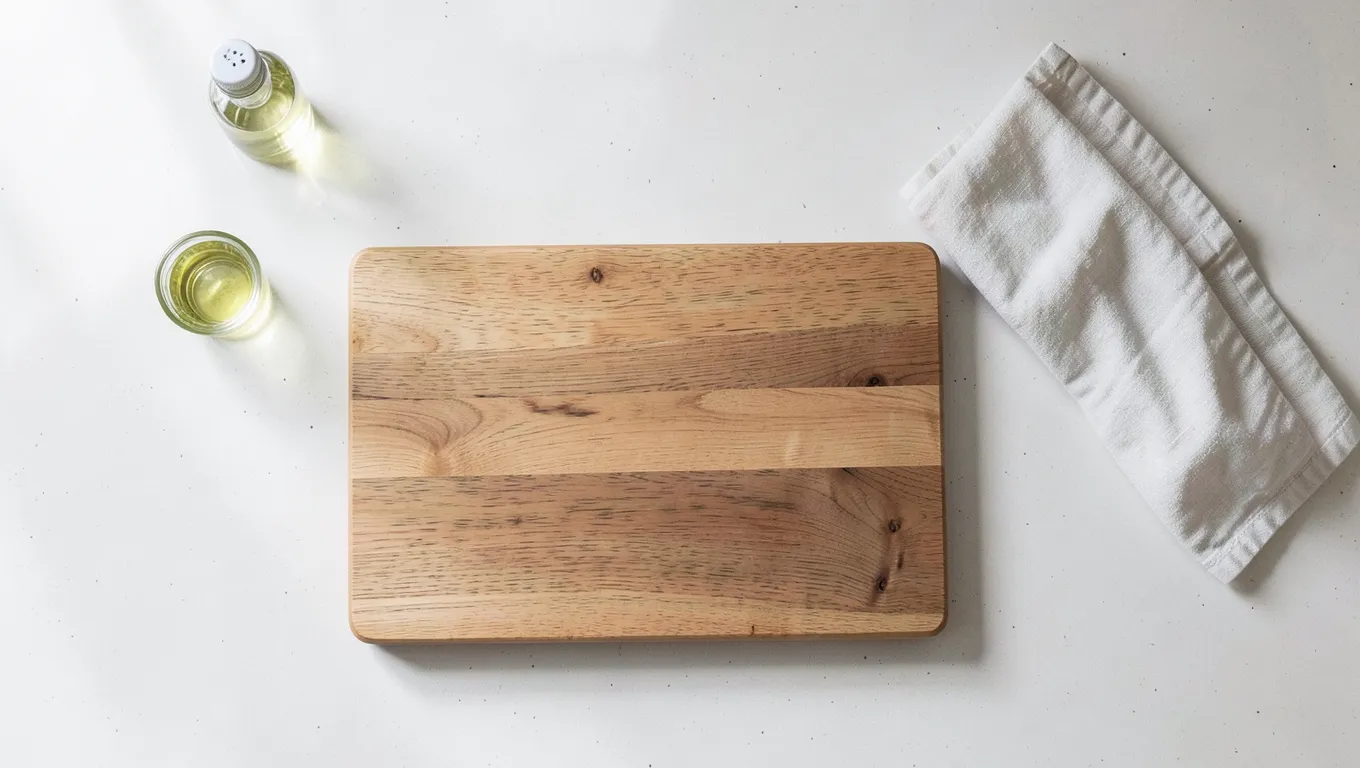
- Food-grade mineral oil. The standard choice. It’s a refined, inert petroleum-based oil that doesn’t go rancid the way cooking oils do, doesn’t need to cure, and simply soaks in to keep the wood from drying out and cracking. It’s also the cheapest option and the easiest to reapply on a routine schedule.
- Beeswax/mineral-oil blends (“board butter” or board cream). A thicker conditioner that mixes mineral oil with beeswax, sometimes carnauba wax. It adds a bit more water resistance and a slight sheen compared to oil alone, and it’s the product recommended above. Board butter tends to sit slightly more on the surface than straight mineral oil, so it’s a good pick for boards that see a lot of standing water, like around a sink.
- 100% pure tung oil. A plant-based drying oil that cures hard over one to several weeks and creates a genuinely food-safe, water-resistant surface once fully cured. Unlike mineral oil, tung oil actually polymerizes inside the wood fibers, so it builds a harder, more durable finish over multiple coats rather than just conditioning the wood.
| Finish | Cure Time | Maintenance |
|---|---|---|
| Food-grade mineral oil | None — ready to use immediately | Monthly reapplication |
| Beeswax/mineral-oil board butter | None, sets in minutes | Every 4–6 weeks |
| 100% pure tung oil | 1–4 weeks (multiple coats) | Every few months once cured |
Wood species matters here too. Dense, closed-grain hardwoods like maple and cherry absorb oil more slowly and hold their finish longer between applications. Open-grain woods like walnut or oak soak up oil faster and may need conditioning a little more often. Either way, the finish matters far more than the species — a maple board finished with stain is less food-safe than a walnut board finished with mineral oil, not the other way around.
The Tung Oil Label Trap: “Pure” vs. “Finish”
Tung oil is where most people get tripped up, so it’s worth its own section. 100% pure tung oil — nothing but cold-pressed tung oil, no additives — is food-safe once it’s fully cured, which can take anywhere from a week to a month depending on temperature, humidity, and how many coats are applied.
“Tung oil finish” is a different product wearing a similar name. It’s a commercial blend of a small amount of tung oil mixed with varnish, petroleum solvents, and metallic drying agents to make it cure faster and apply more like a conventional wood finish. Those additives are what make it cure quickly, and they’re also why it isn’t rated for food contact. Read the label before you buy: if it says “100% pure tung oil” with no other ingredients listed, it’s the food-safe one. If it says “tung oil finish,” “Danish oil,” or lists resins and solvents, treat it the same as a stain — not for a cutting board.
If You Want Color, Not Just Protection
If the goal is genuinely to change the board’s color rather than just protect it, the honest answer is that there isn’t a mainstream food-safe stain that does this well. A few specialty food-contact-safe colorants exist at niche woodworking suppliers, but they’re uncommon, and most people searching for “stain a cutting board” are really just picturing a richer, warmer wood tone. Mineral oil and beeswax conditioners already deepen and darken raw wood noticeably on their own, especially on lighter woods like maple, without introducing any pigment or solvent. Applying two or three coats over a few days gets you most of the color shift people are after without touching a can of stain at all.
If a decorative color change is genuinely important — for a serving board that never touches raw food, for example — that’s a different use case than a working cutting board, and a standard stain becomes reasonable again once food contact is off the table.
How To Condition A Cutting Board The Safe Way
Whether you’re using mineral oil, board butter, or pure tung oil, the process is similar:
- Wash the board with warm, soapy water and let it dry completely — applying oil over trapped moisture can seal it in and encourage mold.
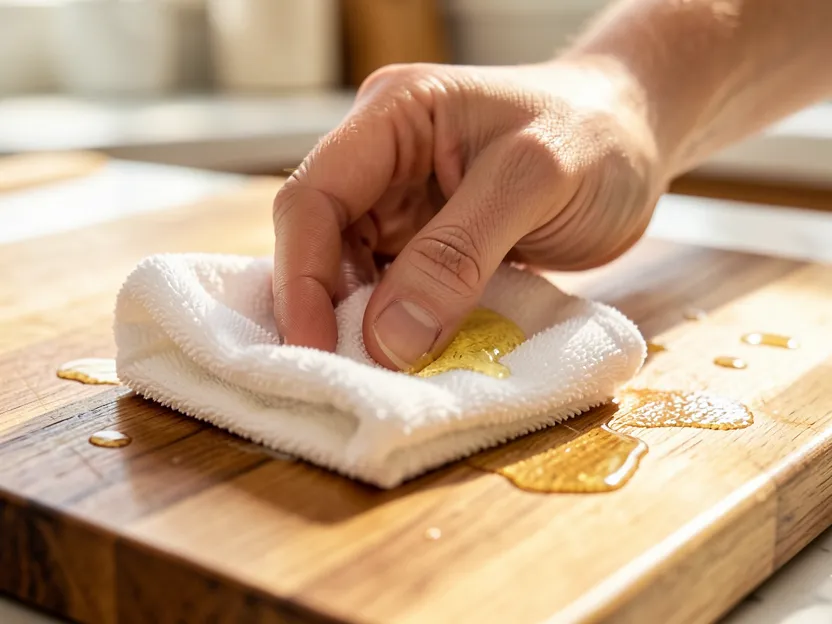
- Pour a small amount of the food-safe oil or conditioner onto the surface and spread it evenly with a clean cloth or paper towel, working with the grain.
- Let it soak in for at least 20–30 minutes (pure tung oil needs longer between coats, often overnight).
- Wipe off any oil that hasn’t absorbed. A board should never feel greasy or tacky after conditioning.
- Repeat monthly for boards in regular use, or whenever the wood starts looking dry, pale, or feels rough.
Frequently Asked Questions
Can I stain a cutting board?
Not with a typical wood stain. Standard oil-based and water-based stains aren’t formulated or tested for food contact, even after they’ve dried. Use a food-grade mineral oil, a beeswax/mineral-oil board butter, or 100% pure tung oil instead — these are the finishes actually rated safe for a surface you cut food on.
Is tung oil food-safe for cutting boards?
Only if it’s labeled 100% pure tung oil with no additives, and only once it has fully cured (roughly one to several weeks). “Tung oil finish” products are blended with varnish and solvents to cure faster, and those additives are not food-safe — check the label carefully before buying.
How often should I oil my cutting board?
About once a month for a board in regular use, or sooner if the wood starts looking dry, pale, or feels rough to the touch. Boards that are washed frequently or exposed to a lot of moisture may need conditioning every couple of weeks.
Can I use regular vegetable or olive oil instead of mineral oil?
It’s not recommended. Cooking oils like olive, vegetable, or canola oil are organic and will slowly turn rancid inside the wood, leading to odors and a sticky surface. Food-grade mineral oil doesn’t oxidize the same way, which is why it’s the standard recommendation over kitchen cooking oils.
Conclusion
A typical wood stain isn’t the right product for a cutting board, no matter how well it’s cured. Food-grade mineral oil, a beeswax/mineral-oil board butter, or 100% pure tung oil (never “tung oil finish”) are the finishes that are actually safe for a surface that touches food and a knife. Condition the board monthly, let it dry fully before oiling, and it’ll stay both functional and good-looking for years without ever needing a can of stain.
Sponsored / affiliate links. As an Amazon Associate I earn from qualifying purchases. I may earn additional commission from eligible campaigns.