Ash 4×4 Lumber: Proven Essential Wood
Ash 4×4 lumber is a robust, versatile, and surprisingly affordable hardwood that’s perfect for sturdy DIY projects like posts, beams, and furniture. Its strength and workability make it an excellent choice for beginners looking for reliable lumber that delivers a professional finish without breaking the bank.
Hey there, woodworking friends! Md Meraj here. Ever stood in the lumber aisle, feeling a bit overwhelmed by all the choices? You want something strong, something that looks good, but also something that won’t cost a fortune or fight back every time you try to work with it. That’s where a fantastic, often overlooked wood comes into play: Ash 4×4 lumber. It’s a true workhorse, a favorite among seasoned pros, and it’s surprisingly accessible for us DIYers.
If you’ve been searching for a reliable wood that’s easy to handle and great for everything from garden gates to sturdy shelves, you’ve come to the right place. We’re going to dive deep into why ash 4x4s are such a proven essential, and by the end of this, you’ll feel confident picking them up for your next project.
What is Ash 4×4 Lumber? A Beginner’s Guide
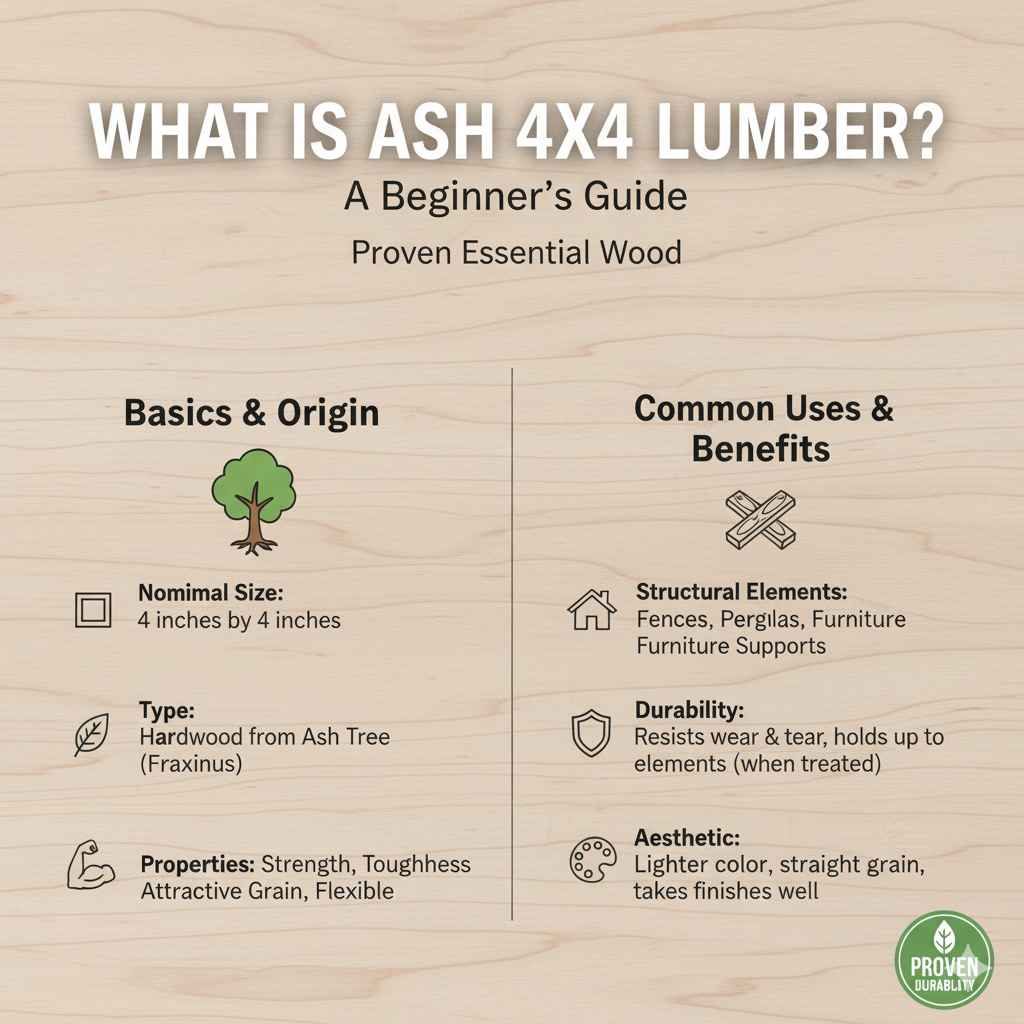
So, what exactly are we talking about when we say “Ash 4×4 lumber”? It’s pretty straightforward! It’s lumber that’s been milled to have a nominal size of 4 inches by 4 inches. The “ash” part refers to the type of tree it comes from. Ash wood is a hardwood known for its impressive strength, toughness, and attractive grain patterns. It’s often compared to oak but can be lighter in color and sometimes a bit more flexible. When it comes in a 4×4 size, it’s typically used for structural elements in projects where strength and stability are key.
Think of these 4x4s as the building blocks for many outdoor and indoor structures. They’re often found in agricultural settings, fences, pergolas, and even as strong supports for furniture. Because it’s a hardwood, it holds up well against wear and tear, as well as the elements, especially when properly treated and finished.
Why Choose Ash 4x4s? The Benefits for DIYers
As a beginner, choosing the right lumber can make or break a project. It can be the difference between pride in your work and frustration. Ash 4x4s offer a fantastic blend of advantages that make them a smart choice:
- Exceptional Strength and Durability: Ash is renowned for its density and shock resistance. This means your projects will be incredibly sturdy and built to last, whether they’re holding up a heavy load or withstanding outdoor conditions. It’s comparable in strength to some of the most popular hardwoods.
- Workability: Despite being a hardwood, ash is relatively easy to work with. It machines well, glues effectively, and takes finishes beautifully. This makes it forgiving for those still honing their woodworking skills. You won’t find yourself battling unusually hard knots or splintering excessively.
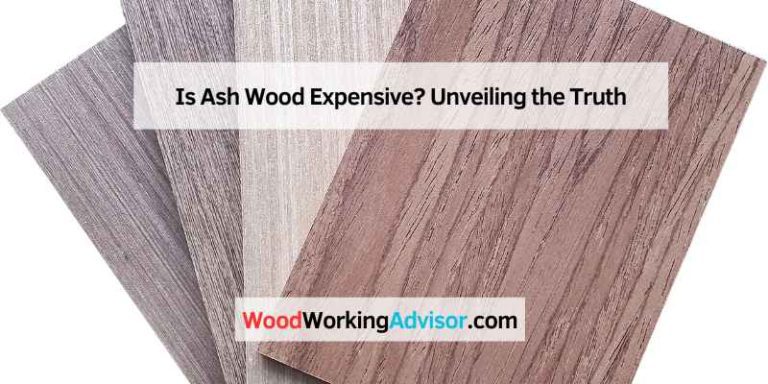
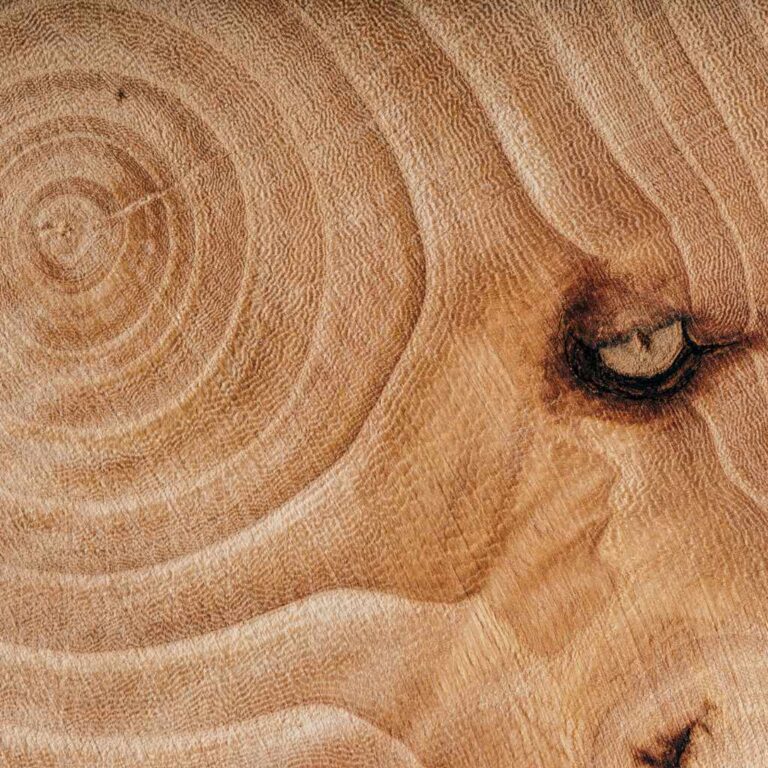
- Attractive Appearance: Ash wood often features a light, creamy color with a straight, prominent grain pattern. This can provide a clean, modern look or a classic, natural feel depending on how you finish it. It’s a great canvas for stains, paints, or a clear protective coat showcasing its natural beauty.
- Abundant and Affordable: Compared to some other hardwoods like walnut or cherry, ash is generally more readily available and cost-effective. This makes it an excellent option for projects where budget is a consideration, allowing you to build bigger or build more without a prohibitive cost.
- Versatility: From structural posts and beams to furniture legs, garden benches, tool handles, and even baseball bats (yes, it’s that tough!), ash 4x4s can be used in countless applications.
Understanding the “4×4” Size: What You’re Actually Getting
It’s important for beginners to know that lumber sizes are often nominal. This means the size stamped on the lumber (like 4×4) is the size of the log before it was planed smooth and dried. Once it’s processed, a nominal 4×4 will actually measure closer to 3 ½ inches by 3 ½ inches. This is a standard practice across the woodworking industry. Knowing this helps when you’re planning cuts, joinery, or fitting pieces together.
This actual dimension is important for structural calculations and ensuring a good fit in your designs. For example, if you’re building a frame that requires 4-inch beams, you’ll need to account for this slight reduction in size when planning your joints or if you’re using hardware.
Key Projects Perfect for Ash 4×4 Lumber
Ash 4x4s are particularly well-suited for projects that demand strength and stability. Here are a few ideas that are fantastic for beginners and seasoned woodworkers alike:
- Fence Posts: Their rot resistance (especially when treated) and strength make them ideal for sturdy fence construction.
- Deck or Porch Posts: Providing essential support, ash 4x4s can hold up your outdoor living spaces reliably.
- Pergolas and Arbors: Create beautiful outdoor structures that are both functional and visually appealing.
- Garden Benches and Planter Boxes: Build durable outdoor furniture that can withstand weather and use.
- Furniture Legs and Frames: For tables, chairs, or bed frames, ash 4x4s provide a strong foundation.
- Shelving Supports: Use them as sturdy uprights for heavy-duty shelving units in garages or workshops.
- Tool Handles: Their shock absorption and durability make them a prime choice for durable tool handles.
Ash 4×4 Lumber vs. Other Popular Lumber Choices
When you’re at the lumberyard, you’ll see a variety of woods. Here’s how Ash 4×4 lumber stacks up against some other common choices for similar applications:
| Wood Type | Pros | Cons | Best Use Case |
|---|---|---|---|
| Ash 4×4 | Strong, durable, good workability, attractive grain, affordable for a hardwood, shock resistant. | Can be prone to some insect damage if untreated, less rot-resistant than some treated softwoods without treatment. | Structural posts, furniture, tool handles, outdoor structures, anything requiring toughness. |
| Pine 4×4 (often treated) | Very affordable, widely available, lightweight, easy to work with, good for ground contact if treated. | Softer, dents and scratches easily, less visually appealing grain than ash, can warp if not properly dried. | Basic fence posts, simple framing, temporary structures, projects where cost is the primary driver. |
| Oak 4×4 | Extremely strong, very durable, beautiful pronounced grain, good rot resistance (especially white oak). | Much heavier than ash, can be harder to work with, generally more expensive than ash. | High-end furniture, high-strength structural use, applications where extreme density and a classic look are desired. |
| Cedar 4×4 | Naturally rot and insect resistant (great for outdoors), lightweight, pleasant aroma, stable. | Softer than ash and oak, less strong, can be more expensive than pine or ash for the same dimensions. | Deck rails, outdoor furniture, planter boxes, where natural resistance to elements is a priority. |
Working with Ash 4×4 Lumber: Tips for Beginners
You’ve picked up your ash 4x4s, and now it’s time to cut and shape them. Don’t worry; ash is a forgiving wood! Here are some tips to make your project smooth sailing:
Cutting Ash 4x4s
For 4x4s, a standard circular saw or a miter saw will be your best friends. Ensure you’re using blades designed for hardwoods. A fine-tooth blade will give you cleaner cuts and reduce tear-out.
- Measure Twice, Cut Once: This classic woodworking advice is crucial. Lay out your measurements carefully.
- Secure Your Workpiece: Always clamp your ash lumber firmly to your workbench or sawhorses before cutting. This prevents movement and ensures safety.
- Blade Choice: Use a sharp, high-tooth-count blade (e.g., 60-tooth or higher) for rip cuts and crosscuts to get a clean finish. For breaking down larger pieces, a good quality plywood blade can also work well.
- Dust Collection: Sawing wood produces dust. Using a dust collection system or wearing a dust mask is essential for your health. Here’s more on [wood dust safety] from OSHA.
Joining Ash 4x4s
Ash glues very well. For structural joints, wood glue (like PVA) is excellent. Always ensure the surfaces are clean and flush. For extra strength, consider using screws or bolts.
- Proper Joint Selection: For sturdy projects, consider common joints like lap joints, mortise and tenon (if you’re feeling adventurous!), or even simple butt joints reinforced with screws.
- Pre-drilling: To prevent splitting, especially near the ends of the lumber, always pre-drill pilot holes before driving screws. The pilot hole should be slightly smaller than the screw’s shank.
- Glue Application: Apply a generous, even layer of wood glue to both surfaces being joined. Wipe away any excess glue that squeezes out with a damp cloth before it dries.
Finishing Ash 4x4s
The beautiful grain of ash is a joy to finish. You can enhance its natural look or apply a bold color.
- Sanding is Key: Start with a medium grit sandpaper (around 100-120) and work your way up to finer grits (180-220). Sand in the direction of the grain for the best results. I recommend reading up on [sanding basics] for a smooth surface.
- Staining: Ash takes stain beautifully. A pre-stain conditioner can help if you’re using a dye or a blotch-prone stain, but often ash takes stain quite evenly.
- Sealing: Protect your work with a clear coat like polyurethane, lacquer, or varnish. For outdoor projects, a marine-grade varnish or an exterior-grade polyurethane will offer the best protection.
- Painting: Ash accepts primer and paint well, allowing for custom colors to match your decor.
Safety First in the Workshop
Woodworking can be incredibly rewarding, but safety should always be your top priority. Here are some essential safety tips when working with lumber like ash 4x4s:
- Eye Protection: Always wear safety glasses or goggles. Flying debris is a common hazard.
- Hearing Protection: Power tools can be loud. Use earplugs or earmuffs to protect your hearing.
- Dust Mask: Sawdust can be harmful to your lungs. Wear a dust mask or respirator, especially when sanding or sawing.
- Tool Safety: Read the manuals for your power tools. Ensure blades are sharp and guards are in place.
- Secure Workpieces: Never try to hold small pieces by hand while cutting. Use clamps, jigs, or push sticks.
- Know Your Material: Be aware of any knots or imperfections in the wood that could cause kickback or breakage.
For more in-depth safety guidelines, reliable sources like [Woodworking Network] offer excellent resources.
Where to Buy Ash 4×4 Lumber
Finding ash 4×4 lumber is usually quite straightforward. Here are the most common places:
- Local Sawmills and Lumberyards: These are often your best bet for quality and selecting specific pieces. You might find more variety and knowledgeable staff here.
- Big Box Home Improvement Stores: Stores like Home Depot or Lowe’s often carry 4x4s. While they might have pine or fir, some locations may stock ash, especially if you inquire.
- Specialty Hardwood Retailers: If you have a dedicated hardwood supplier in your area, they will almost certainly carry ash and might have it in various grades and dimensions.
When purchasing, inspect the lumber for straightness, a good grain pattern, and minimal defects like large knots or cracks, especially if appearance is important for your project.
Ash 4×4 Lumber vs. Treated Pine 4×4 – A Quick Comparison
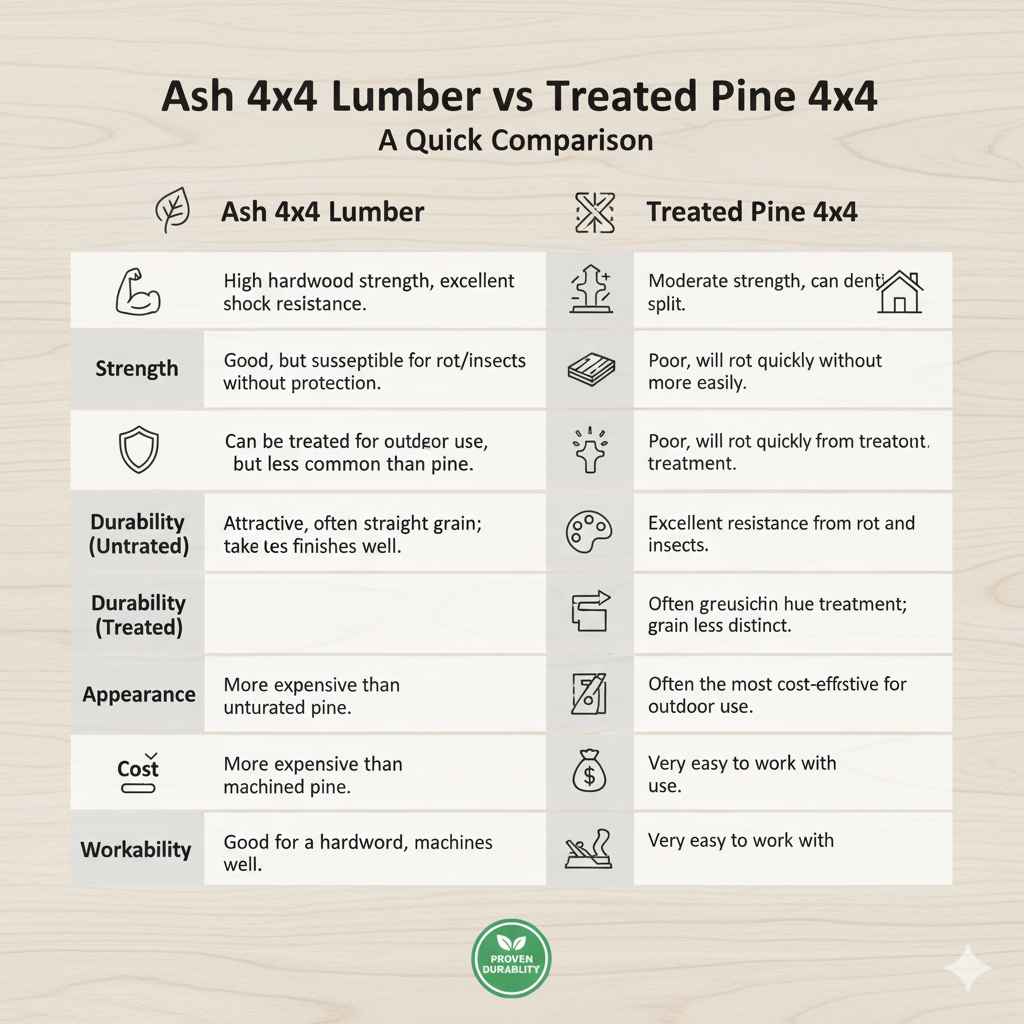
For many outdoor projects, particularly those involving ground contact like fence posts, treated pine is a common choice. It’s designed to resist rot and insects. However, ash offers distinct advantages as well. Here’s a quick breakdown:
| Feature | Ash 4×4 | Treated Pine 4×4 |
|---|---|---|
| Strength | High hardwood strength, excellent shock resistance. | Moderate strength, can dent/split more easily. |
| Durability (Untreated) | Good, but susceptible to rot/insects over time without protection. | Poor, will rot quickly without treatment. |
| Durability (Treated) | Can be treated for outdoor use, but less common than pine. | Excellent resistance to rot and insects. |
| Appearance | Attractive, often straight grain; takes finishes well. | Often greenish hue from treatment; grain can be less distinct. |
| Cost | Typically more affordable than many hardwoods, but often more expensive than untreated pine. | Often the most cost-effective for outdoor use due to treatment. |
| Workability | Good for a hardwood, machines well. | Very easy to work with. |
| Workplace Safety | Standard wood dust precautions. | Requires extra care with treated wood (e.g., don’t burn it, avoid prolonged skin contact). |
While treated pine is excellent for pure function in harsh conditions, ash 4x4s are a superior choice when you want a combination of strength, durability, and aesthetic appeal, especially if the project is visible or will be handled frequently.
Frequently Asked Questions About Ash 4×4 Lumber
Q1: Is Ash 4×4 lumber good for outdoor use?
Yes, ash 4×4 lumber can be excellent for outdoor use, especially when properly sealed and finished. While not naturally as rot-resistant as cedar or redwood out of the box, its hardwood strength makes it a very durable choice. Applying a good quality exterior paint, stain with sealant, or exterior-grade varnish will significantly protect it from weather and prolong its life.
Q2: How should I store Ash 4×4 lumber?
To keep your ash 4x4s straight and prevent warping, store them flat on a level surface, ideally raised off the ground. If stacking multiple pieces, use stickers (thin wood strips) between layers to allow air circulation. Store them in a dry, well-ventilated area, away from direct sunlight and extreme temperature fluctuations.
Q3: What are the main differences between Ash and Oak 4x4s?
While both are strong hardwoods, Oak is generally denser, heavier, and often more expensive than Ash. Ash typically has a lighter color and a more prominent, straight grain pattern compared to Oak’s more open and sometimes wavy grain. Ash is also known for its superior shock absorption, making it ideal for tool handles and sports equipment.
Q4: Can I use Ash 4x4s for structural beams in a house?
For structural beams in residential construction, it’s always best to consult with a structural engineer or building code official. While ash is strong, specific load-bearing requirements, span limitations, and local building codes will dictate the appropriate lumber species and dimensions. For DIY projects like pergolas, decks, or furniture, ash 4x4s are generally more than sufficient.