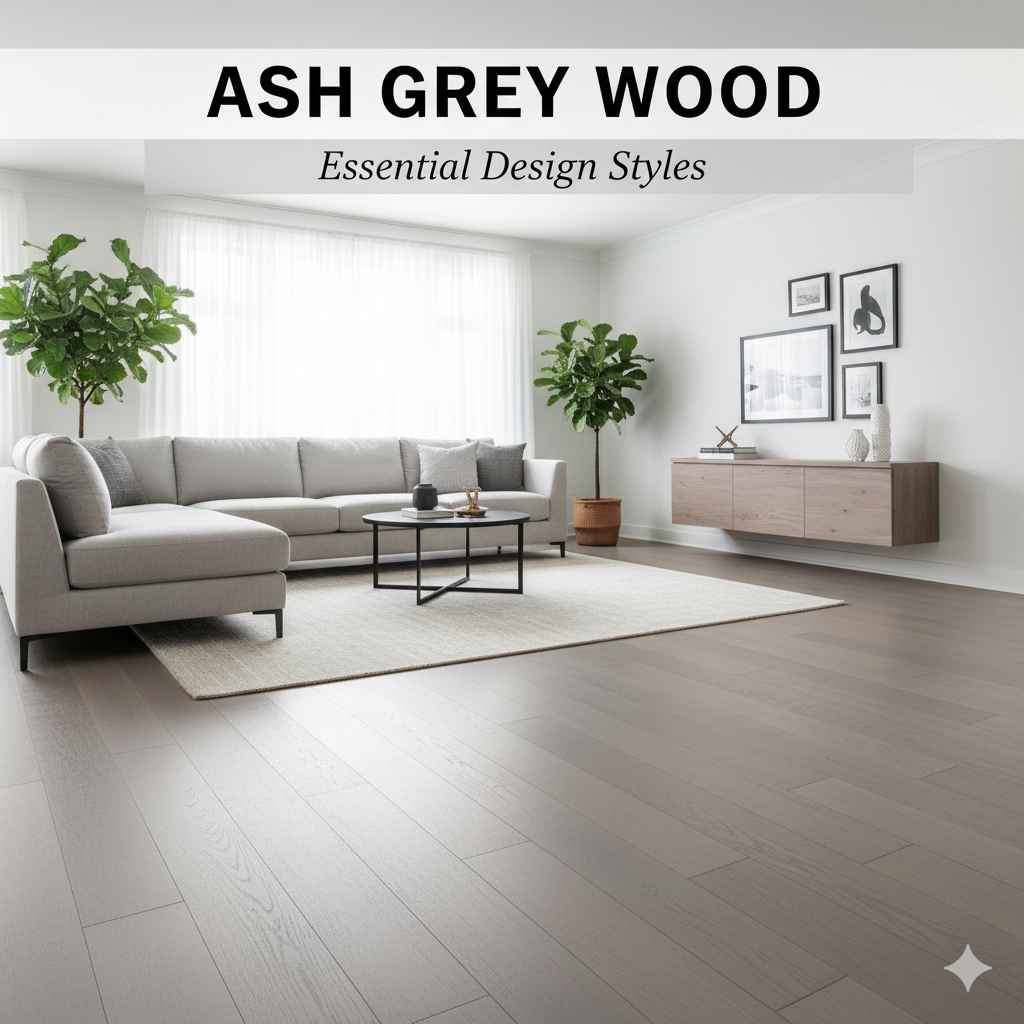
Ash Grey Wood: Essential Design Styles
Ash grey wood offers a versatile, modern, and sophisticated look that can easily be incorporated into various home decor styles. This guide breaks down the best design styles to pair with ash grey wood, making it simple for beginners to achieve a polished and cohesive look in their homes.
Choosing the right wood finish can feel a little overwhelming, especially when you want a look that’s both trendy and timeless. Ash grey wood is a fantastic choice because it’s incredibly adaptable. It’s got a cool, neutral tone that can lighten up a room or act as a sophisticated backdrop. But how do you make sure it fits with your style? Don’t worry, I’m here to help! We’ll walk through some super practical and easy-to-recreate design styles that work beautifully with ash grey wood. By the end, you’ll feel confident picking the perfect look for your next project or room makeover.
What Exactly is Ash Grey Wood?
Ash grey wood gets its name from the color—a soft, natural grey that resembles weathered timber or stained ash. It’s not a naturally occurring wood species but rather a finish applied to various types of wood like pine, oak, or even engineered wood. The grey tone is achieved through staining or liming techniques, which coat the wood’s surface without burying its natural grain patterns. This allows the wood’s texture to still show through, giving it an authentic, organic feel. Because it’s a cool-toned neutral, ash grey wood pairs well with a huge range of colors and other materials.
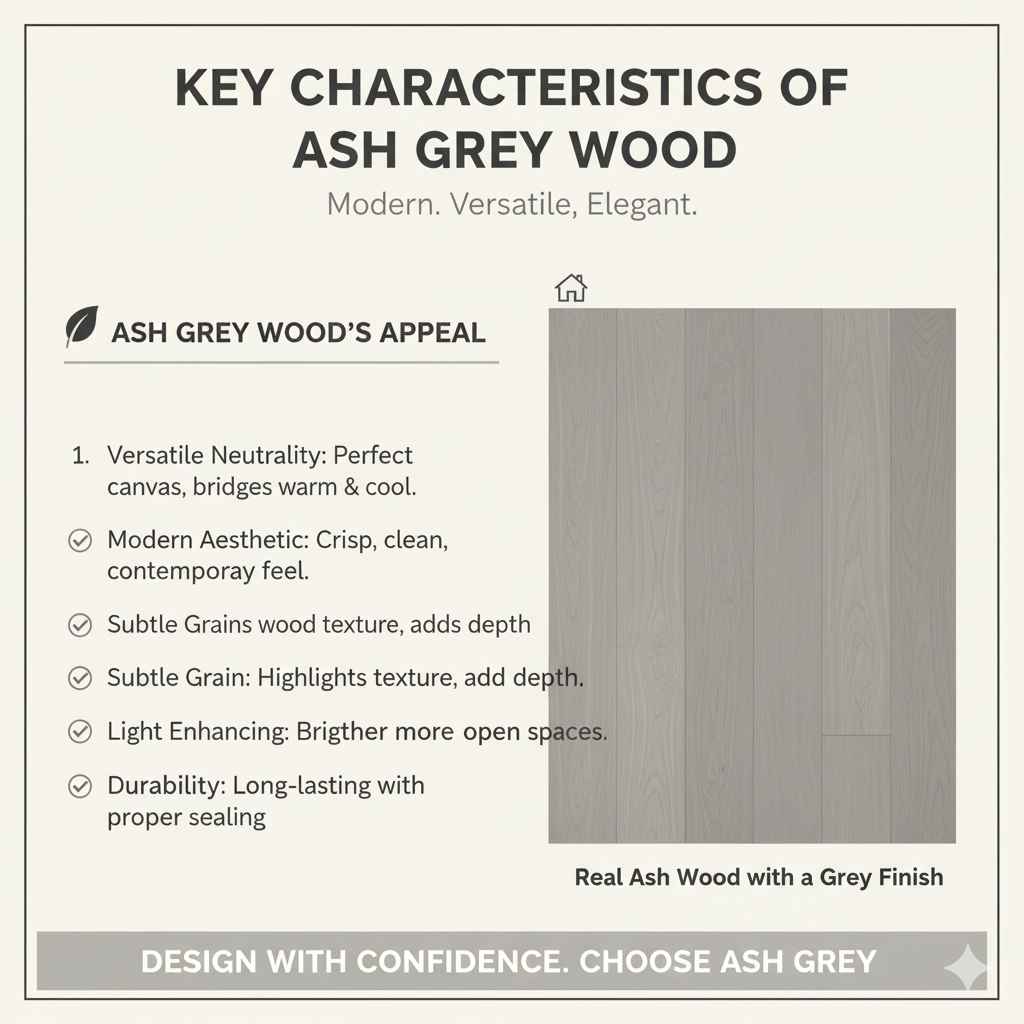
Key Characteristics of Ash Grey Wood
Understanding what makes ash grey wood so special will help you integrate it into your designs:
- Versatile Neutrality: Its grey tone is a perfect canvas. It doesn’t clash with other colors and can bridge warm and cool palettes.
- Modern Aesthetic: It leans towards contemporary and minimalist looks, bringing a crisp, clean feel.
- Subtle Grain: Unlike some darker stains, the grey finish often highlights, rather than hides, the wood grain, adding depth and character.
- Light Enhancing: Ash grey can make spaces feel brighter and more open, especially when used on floors or larger furniture pieces.
- Durability: When properly sealed, ash grey finishes on hardwoods are very durable for everyday use.
Essential Design Styles for Ash Grey Wood
Ash grey wood is a chameleon in the design world. Here are some of the most popular and effective styles that embrace its unique beauty:
1. Modern Farmhouse
This popular style blends rustic charm with sleek, modern touches. Ash grey wood is a natural fit here, bringing a touch of weathered character without being overly traditional.
How to use ash grey wood:
- Flooring: Ash grey wood floors, especially wider planks, create a grounding, neutral base.
- Furniture: Consider a dining table, coffee table, or sideboard in ash grey wood paired with painted white or black chairs and minimalist metal accents.
- Accent Walls: Shiplap or reclaimed wood panels finished in ash grey can add texture and a focal point.
- Cabinetry: Kitchen or bathroom cabinets in ash grey offer a fresh alternative to white or dark wood.
What to pair it with:
- White or cream-colored shiplap walls
- Black metal hardware and lighting fixtures
- Linen or cotton textiles
- Woven baskets and jute rugs
- Subtle botanical or vintage-inspired artwork
The key is to balance the grey wood with softer textures and classic farmhouse elements like sliding barn doors or exposed beams.
Scandinavian design is all about simplicity, functionality, and a light, airy feel. Ash grey wood fits perfectly into this aesthetic, enhancing the bright and natural elements.
How to use ash grey wood:
- Flooring: Light ash grey floors are ideal for maximizing natural light and creating a sense of spaciousness.
- Furniture: Opt for simple, clean-lined furniture like sideboards, shelving units, or bed frames in ash grey.
- Wall Paneling: Subtle ash grey wood panels can add warmth without overwhelming the minimalist look.
- Decorative Accents: Smaller pieces like cutting boards, trays, or picture frames in ash grey can tie the look together.
What to pair it with:
- Crisp white walls
- Light-colored textiles like wool, sheepskin, and linen
- Simple, functional furniture with exposed wood grain
- Pops of muted color (e.g., pale blue, soft green)
- Minimalist decor and plenty of plants
The goal in Scandi design is to keep things uncluttered and functional, letting the natural beauty of the materials, like the subtle tones of ash grey wood, shine through.
3. Coastal / Hamptons Style
This style evokes the relaxed, breezy atmosphere of beachside living. Ash grey wood, with its cool, weathered look, is a natural fit for both modern and classic coastal homes.
How to use ash grey wood:
- Flooring: Light ash grey or whitewashed grey wood floors are a staple, mimicking driftwood.
- Furniture: Think furniture pieces that have a slightly weathered appearance, like a grey-washed coffee table, console tables, or bedroom sets.
- Wall Treatments: Ash grey shiplap or beadboard wainscoting enhances the beachy feel.
- Accents: Use ash grey wood for shelving, decorative crates, or custom built-ins.
What to pair it with:
- White, cream, orpale blue walls
- Striped patterns (nautical)
- Natural materials like rattan, jute, and wicker
- Seashells, coral, and driftwood accents
- Light, airy fabrics like cotton and linen
The natural grey tones of the wood complement the blues, whites, and sandy beiges of a coastal palette, creating a serene and inviting space.
4. Industrial Style
Industrial design embraces raw, unfinished materials. Ash grey wood can add a touch of sophistication and warmth to this often stark style, softening its edges.
How to use ash grey wood:
- Furniture Accents: Use ash grey wood for tabletops on industrial-style metal bases (think coffee tables, desks, or dining tables).
- Shelving: Floating shelves or industrial pipe shelving with ash grey wood planks are a great pairing.
- Feature Walls: A wall clad in ash grey wood planks can add texture and visual interest against exposed brick or concrete.
- Cabinetry: Kitchen or vanity cabinets in ash grey can offer a softer, less raw look than traditional industrial wood.
What to pair it with:
- Exposed brick or concrete
- Black metal (pipes, frames, hardware)
- Leather upholstery
- Edison bulbs and metal pendant lights
- Larger-scale artwork with raw or graphic elements
Ash grey wood provides a welcome contrast to the often harsh metal and concrete elements, adding a layer of refined comfort to the industrial aesthetic.
5. Mid-Century Modern
While Mid-Century Modern often features warm-toned woods like walnut or teak, ash grey wood can be incorporated to add a contemporary twist and a lighter feel, especially in smaller spaces.
How to use ash grey wood:
- Accent Pieces: Think of ash grey wood for side tables, media consoles, or shelving units that have those signature tapered legs.
- Cabinetry: Consider ash grey wood for kitchen or credenza cabinets as a fresher take on MCM styles.
- Wall Paneling: A statement wall with ash grey wood slats can add texture and visual interest.
- Desk/Tabletops: An ash grey wood top on a classic MCM leg base provides a unique blend.
What to pair it with:
- Teak or walnut accents for warmth
- Geometric patterns
- Bold colors like mustard yellow, teal, or olive green
- Abstract art and Sputnik-style lighting
- Clean lines and organic shapes
The trick is to use ash grey wood as an accent rather than the dominant material, blending it skillfully with the core MCM elements to create a balanced, updated look.
Combining Ash Grey Wood with Other Materials
The beauty of ash grey wood lies in its ability to pair with a wide variety of materials. Here’s a quick guide:
| Material | How They Work Together | Style Examples |
|---|---|---|
| White & Cream: | Creates a bright, clean, and airy feel. Excellent for modern, Scandinavian, and coastal styles. | White walls with ash grey floors; cream upholstery on ash grey furniture. |
| Black & Dark Grey: | Provides contrast and sophistication, leaning towards modern, industrial, or contemporary looks. | Black metal frames with ash grey wood shelves; dark grey accent wall with ash grey furniture. |
| Natural Metals (Steel, Brass, Copper): | Adds warmth and texture. Steel complements industrial, while brass/copper can elevate modern or transitional. | Ash grey wood tables with steel bases; brass hardware on ash grey cabinets. |
| Stone (Marble, Quartz, Concrete): | Adds a touch of luxury or raw authenticity, depending on the stone. | Ash grey wood vanity with a white marble countertop; concrete accents with ash grey flooring. |
| Glass: | Enhances the feeling of lightness and space. | Ash grey wood frame with glass inserts; glass tabletop on an ash grey base. |
| Textiles (Linen, Cotton, Wool, Jute): | Adds softness, warmth, and tactile interest. Jute and linen are great for coastal/farmhouse; wool for Scandi/mid-century. | Ash grey wood floors with a jute rug; linen curtains against ash grey walls. |
Tips for Working with Ash Grey Wood
Whether you’re buying pre-finished wood or staining your own, here are some tips to make your project a success:
1. Understanding Wood Species
Ash grey is a finish, not a wood type. The underlying wood matters. Pine is softer and less expensive, showing more grain. Oak is harder and has a more prominent grain pattern that the grey will highlight. Plywood or MDF can also be stained, offering budget-friendly options for panels or cabinet doors, though they won’t have natural wood grain.
2. DIY Staining Ash Grey
If you’re looking to tackle this yourself, it’s achievable! You can often create an ash grey look using a white wash followed by a grey stain, or by mixing a grey stain with a bit of white paint. Always test your stain on scrap wood first, as different wood species will take the color differently. You can find numerous tutorials online from reputable sources like Woodworking Network on achieving various grey tones.
3. Sealing and Protection
Once you’ve achieved your desired ash grey finish, proper sealing is crucial for durability and longevity. Polyurethane or a clear varnish will protect the wood from moisture, stains, and wear. For high-traffic areas like floors or tabletops, consider a water-based polyurethane for a clear, non-yellowing finish, or an oil-based option for a slightly warmer tone and enhanced durability. For guidance on wood finishes, resources like the Building Science Information offer valuable insights into material performance.
4. Lighting Considerations
Because ash grey wood has cool undertones, it can sometimes make a room feel cooler. To combat this, strategically use warm lighting. Opt for light bulbs with a warmer color temperature (around 2700K-3000K) and incorporate ambient lighting like table lamps and floor lamps. This will help create a cozy and inviting atmosphere, balancing the grey tones.
5. Scale and Proportion
Consider the size of the space and the furniture when using ash grey wood. In smaller rooms, opt for lighter shades of ash grey and use it on larger surfaces like floors or walls to enhance the sense of space. In larger rooms, you have more flexibility to use darker ash grey tones or incorporate it into accent pieces without making the room feel cramped.
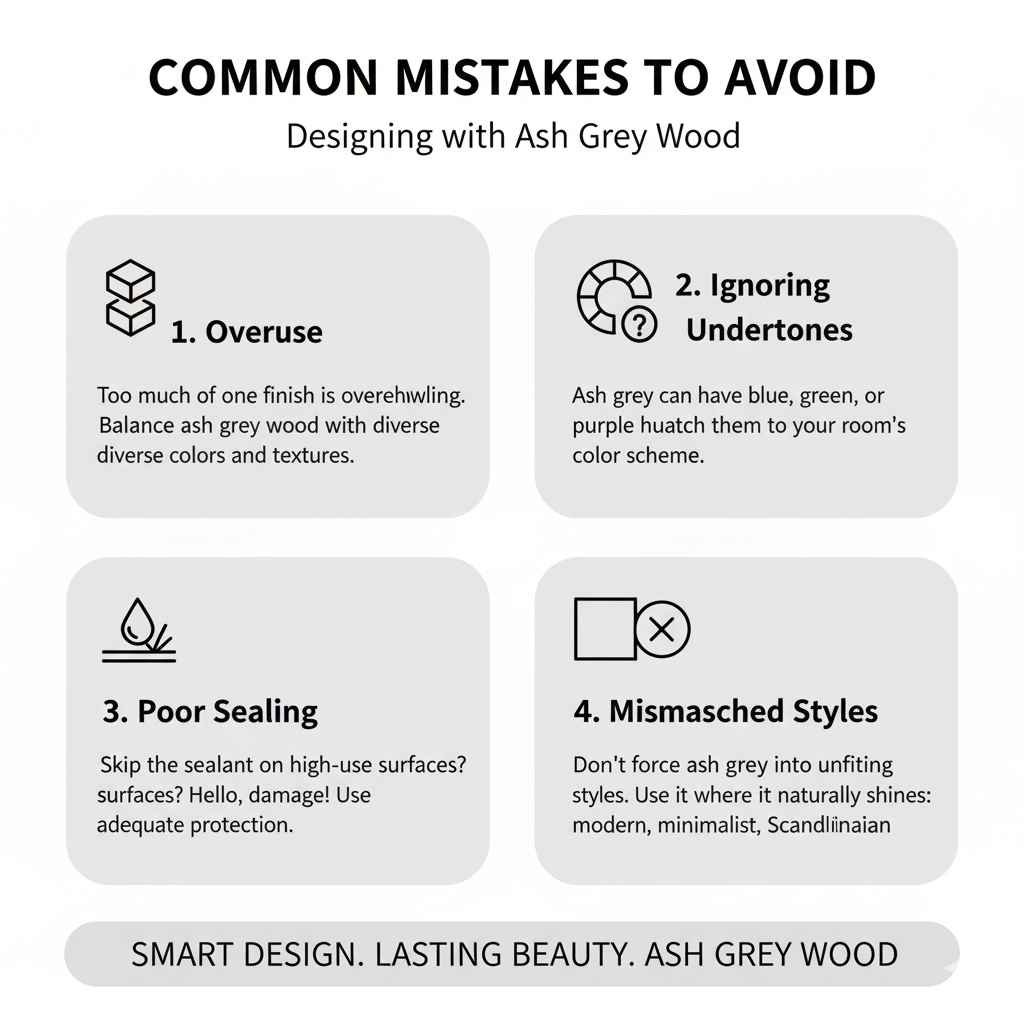
Common Mistakes to Avoid
Even with a versatile material, beginners can sometimes run into issues. Here are a few common pitfalls:
- Overuse: Too much of any one finish can be overwhelming. Balance ash grey wood with other colors and textures.
- Ignoring Undertones: Ash grey can sometimes have blue, green, or purple undertones. Pay attention to these and ensure they complement your room’s color scheme.
- Poor Sealing: Skipping the sealing step or using an inadequate sealant on high-use surfaces will lead to damage and a shorter lifespan for your project.
- Mismatched Styles: Trying to force ash grey wood into a style it doesn’t naturally fit can look jarring. Stick to the styles where it genuinely shines.
Frequently Asked Questions about Ash Grey Wood
Q1: Is ash grey wood a natural wood color?
No, ash grey is not a natural wood color. It’s a finish applied to wood types like pine, oak, or maple through staining or liming processes to achieve a grey hue.
Q2: What colors go well with ash grey wood?
Ash grey wood is very versatile. It pairs well with whites, creams, blacks, deep blues, forest greens, soft pastels, and even warm wood tones like natural oak or walnut when used in moderation.
Q3: Can I use ash grey wood outdoors?
Typically, ash grey finishes are best suited for indoor use. For outdoor applications, you’ll need exterior-grade wood and finishes specifically designed to withstand weathering, UV exposure, and moisture. Consult with paint and stain manufacturers for suitable outdoor products that can achieve a grey look.
Q4: How do I clean ash grey wood furniture?
Dust regularly with a soft, dry cloth. For spills or marks, use a slightly damp cloth with mild soap (like dish soap) and wipe dry immediately. Avoid harsh chemicals or abrasive cleaners that could damage the finish. For wood floors, use a wood floor cleaner recommended by the manufacturer.
Q5: Is ash grey wood trendy or timeless?
Ash grey wood is currently very popular and considered a modern trend, but its neutral and subtle nature also gives it staying power. It can be incorporated in ways that feel timeless, especially when paired with classic design elements.
Q6: Can I refinish old furniture to look like ash grey wood?
Absolutely! You can sand down existing furniture and apply an ash grey stain. Remember to clean the surface thoroughly and test your stain on an inconspicuous area or a scrap piece of wood first to ensure you achieve the desired look.
Conclusion
Ash grey wood is a fantastic choice for anyone looking to add a touch of modern sophistication, rustic charm, or breezy elegance to their home. Its versatility allows it to seamlessly integrate into popular design styles like Modern Farmhouse, Scandinavian, Coastal, Industrial, and even updated Mid-Century Modern. By understanding how to pair it with the right colors, materials, and furniture, you can create spaces that feel cohesive, inviting, and uniquely yours. Remember to always consider the undertones of the grey, the importance of proper sealing for durability, and the impact of lighting. Whether you’re embarking on a large renovation or a small DIY project, ash grey wood offers a beautiful and adaptable foundation for creating a stylish and functional home. So go ahead, embrace the cool, contemporary appeal of ash grey wood and let your design creativity shine!